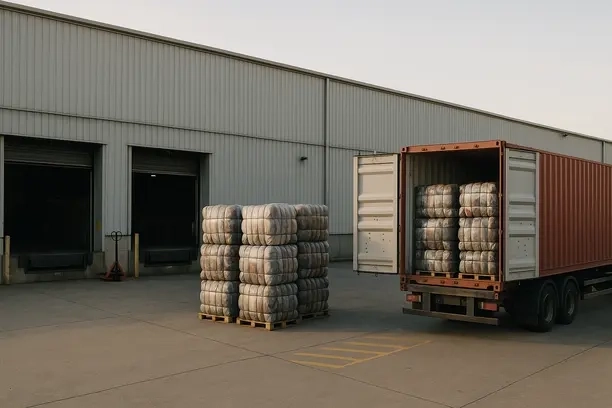
Overview of JHF Belgium
JHF Belgium is a major international wholesale supplier in the secondhand clothing industry, recognized for extensive operations based in Belgium. The company specialises in the collection, sorting, and worldwide export of used textiles, catering primarily to trade buyers across several continents. With a strategic location near the Port of Antwerp, JHF Belgium efficiently supports global logistics for secondhand goods.
Sorting and Quality Control
At the core of JHF Belgium's operations is a comprehensive sorting process. Large volumes of unsorted used clothing are received from multiple European sources. These items undergo a detailed evaluation to separate them into categories based on quality, type, and seasonal relevance. The grading system is structured into three main categories:
- Cream/Extra Grade: Like-new or branded fashion items with very high wear standards.
- Grade A: Good condition clothing with no stains or holes, suitable for resale in many markets.
- Grade B: Garments showing visible wear or minor defects, often destined for markets with different price sensitivity.
This structured grading process ensures buyers receive products suited to their business needs and market demands, maintaining consistency throughout the sourcing chain.
Product Range and Markets Served
JHF Belgium's product portfolio is broad and diverse, including men's, women's, and children's clothing segmented by season, along with shoes, accessories like handbags and belts, household textiles, and repurposed materials such as wiping rags. Their primary export markets include regions in Africa, Eastern Europe, the Middle East, and Asia, with products tailored to regional climatic and consumer preferences.
Product Categories:
- Seasonal Wear (Summer/Winter) for multiple demographics
- Footwear sorted by type and condition
- Accessories including belts, hats, and handbags
- Household Textiles such as bedsheets and towels
- Industrial Wiping Rags derived from lower-grade materials
Logistics and Export Capability
The proximity to the Port of Antwerp is strategically important to JHF Belgium's efficient export operations. The company coordinates container shipments, typically using 20ft and 40ft containers optimized for bulk trade buyers. Packaging methods focus on space efficiency while maintaining product protection during international transit. Export terms including Incoterms are usually clarified with clients to define responsibilities for shipping and customs clearance.
Sustainability in Secondhand Trade
JHF Belgium plays a role in promoting sustainability by extending the lifecycle of textile products and reducing environmental impact. By sorting and reselling used clothing in wholesale shipments, the company supports the circular economy and decreases landfill waste. Low-grade textiles recycled as wiping rags represent an additional step towards better resource utilization within their operations.
Working with JHF Belgium
JHF Belgium primarily serves customers interested in large-scale wholesale purchasing. Interested buyers are often advised to visit the sorting facility to verify quality standards and assess available stock firsthand. Orders are generally executed in large volumes (bales or containers), as smaller retail or individual piece purchasing is uncommon within their business model.
The company's logistics and strategic location enable efficient export processes, but clients must ensure compliance with import regulations in their destination countries, particularly concerning used textiles.
JHF Belgium maintains a systematic approach to quality standards and grading in its wholesale secondhand clothing supply. All items are sorted through a large-scale facility where clothing and textiles are categorized by quality, type, and seasonal suitability. The grading system generally follows recognized industry levels, including categories such as Cream/Extra Grade for like-new, high-fashion or branded pieces; Grade A for good quality items without holes or stains; and Grade B, which includes pieces with visible wear or minor defects typically allocated to specific developing markets.
The sorting process ensures that buyers receive consistent product quality according to their needs. Inspections and manual evaluations are performed to confirm item conditions, and clothing is carefully separated in line with client requirements and market demands. This quality control procedure supports both retail and export customers who depend on clear and reliable product standards.
JHF Belgium operates with export readiness to serve major global markets including Africa, Eastern Europe, the Middle East, and Asia. The company specialises in preparing orders for container shipments, typically using 20ft and 40ft containers to meet the volume needs of trade buyers. Packaging is designed to optimize space and protect goods during transit, using standard industry methods for wholesale secondhand textiles.
Lead times for order processing and dispatch are aligned with industry norms, balancing the need for thorough sorting with timely delivery. Being located near the Port of Antwerp facilitates efficient export logistics, reducing transit times and handling costs. Buyers should coordinate export terms such as Incoterms with JHF Belgium to clarify responsibilities related to freight and customs clearance.
JHF Belgium is engaged in sustainable business practices through its core operations in the reuse and redistribution of secondhand textiles. By processing large quantities of used clothing, the company contributes to the circular economy, extending the lifecycle of textiles and reducing landfill waste. Items unsuitable for direct resale are further repurposed, for example as wiping rags, supporting resource efficiency.
Through large-scale sorting and export, JHF Belgium supports waste reduction and fosters environmentally conscious trade routes. The reuse of textiles helps minimize the environmental footprint of the fashion industry by promoting recycling and reducing the demand for new raw materials. Sustainable practices are embedded throughout their sorting and distribution processes, aligning with broader industry efforts to promote responsible secondhand clothing supply chains.
Popular Wholesale Categories
Learn more about our most requested mixes and delivery options.