Reborn Textiles - Leading Textile Recycling and B2B Wholesale Supplier
Reborn Textiles is a UK-based wholesale supplier of secondhand textiles serving trade buyers including retailers and exporters. They specialize in bulk orders of sorted and unsorted used clothing, supporting B2B markets in the UK and Europe with sustainable textile solutions.
Overview of Reborn Textiles
Reborn Textiles Ltd is a UK textile recycling company focusing on the collection, sorting, and wholesale distribution of secondhand clothing and household fabrics. Located in Rochdale, the company serves a primarily B2B clientele including retailers, exporters, and online resellers. Their operation centers on extending the lifecycle of textiles and promoting circular economy principles by diverting waste from landfill.
Quality Assessment and Grading
While specific grading scales are not publicly detailed by Reborn Textiles, the company uses an industry-recognized approach to sorting garments and textiles. This encompasses separating items into different quality ranges such as premium, standard wear, and lower-grade materials potentially destined for export markets or material recycling.
The sorting process involves visual inspection for defects, wear, and brand value to ensure buyers receive stock appropriate for their commercial purposes. Offering these differentiated grades enables Reborn Textiles to serve diverse market segments efficiently.
Wholesale Supply and Packaging
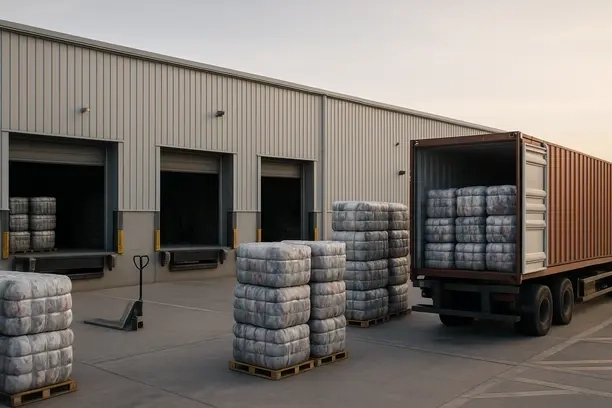
Trade buyers engage with Reborn Textiles primarily through bulk orders, which are packaged in either compressed bales or sacks depending on quantity and buyer preference. This packaging supports ease of transport and handling within the UK and for export to European or international markets.
Dispatch timings generally reflect stock levels and order sizes, with the company maintaining flexibility to accommodate varying logistic needs. Packaging procedures comply with common standards to ensure product integrity during shipment.
Common Packaging Formats
- Compressed bales for large volume orders
- Sacks for smaller consignments
Sustainability and Environmental Impact
Reborn Textiles integrates sustainability into their core business by focusing on textile reuse and waste reduction. By facilitating the resale and repurposing of garments, the company contributes to reducing environmental footprints associated with new textile production.
The company's operations align with circular economy objectives through the redistribution of used textiles, promoting resource efficiency and limiting landfill dependency. These efforts are central to their mission of sustainable textile management.
Business Cooperation and Industry Context
Reborn Textiles operates within a competitive sector that includes several major UK and global textile wholesalers and recyclers. Their focus on quality sorting, sustainable principles, and flexible wholesale arrangements positions them to meet the needs of various trade customers, ranging from local retailers to exporters.
Industry buyers benefit from the company's expertise in managing secondhand textile flows and from its established infrastructure in the UK. Such capabilities support both domestic and international market supply chains.
Key Client Segments
- Retail physical stores seeking quality secondhand stock
- Exporters requiring bulk textile consignments
- Online resellers sourcing assorted garments
Contact and Ordering
Interested trade customers can reach out directly to Reborn Textiles via the contact information provided to discuss order details, stock availability, grading specifics, and logistics arrangements. The company aims to provide clarity and support throughout the wholesale purchasing process to facilitate successful business transactions.
Reborn Textiles implements a thorough quality assessment process to ensure consistent product standards for UK wholesale clients. Their typical grading system includes several quality levels to suit different buyer requirements. While exact details are not publicly disclosed, buyers can expect general categories ranging from premium condition garments to lower-grade textile materials suitable for export or recycling.
The inspection process involves sorting clothing based on factors such as fabric condition, presence of damage, stains, and brand type. Items undergo visual checks to separate higher-value pieces from bulk recycled textiles. This method allows trade buyers to select stock in line with their market needs, whether for resale or further processing.
- Premium stock: Nearly new or lightly worn garments with minimal defects.
- Standard wholesale stock: Secondhand products with signs of use but no major damage.
- Lower grade/materials: Textiles that serve as raw materials or for export to lower price markets.
Reborn Textiles manages logistics with focus on efficient packing and dispatch tailored to UK and European wholesale clients. Stock is typically packaged in compressed bales or sacks depending on buyer preferences and quantities ordered, facilitating transportation and storage.
Lead times and dispatch schedules are guided by order size and stock availability, with efforts made to accommodate export requirements for international shipments. Packaging aims to protect textile quality during transit and conform to common industry standards for bulk secondhand goods.
- Bulk packaging: Compressed bales for ease of handling and reduced freight costs.
- Smaller orders: Sack packaging with careful weight calibration.
- Export readiness: Procedures to ensure compliance with cross-border shipment regulations.
Reborn Textiles is committed to advancing sustainability through promoting textile reuse and supporting the circular economy. By diverting used clothing and household textiles away from landfill, the company extends the lifecycle of textiles and minimizes environmental impact.
Through collection, sorting, and resale of secondhand garments, they contribute to waste reduction and resource conservation. The company encourages secondary markets for materials that might otherwise be discarded, aligning with broader industry efforts to reduce textile waste.
- Waste diversion: Preventing textiles from entering landfill streams.
- Resource efficiency: Extending product life through reuse and resale.
- Circular model: Supporting markets that promote recycling and remanufacturing processes.
Popular Wholesale Categories
Learn more about our most requested mixes and delivery options.