SATTER FOOD AND BEVERAGE Specialists in Wholesale Food Liquidation and Secondary Market
Satter Food and Beverage operates as a wholesale secondhand supplier specializing in secondary market food and beverage goods. Serving UK trade buyers, they provide bulk quantities of closeouts, overstock, and short-dated products ideal for discount retailers and wholesalers.
Overview of Satter Food and Beverage
Satter Food and Beverage is recognized in the secondary market for food and beverage wholesale. While primarily based in the United States, their model provides insight into the wholesale secondhand supply channel relevant for UK and European buyers interested in liquidation and closeout stock. The company specializes in acquiring excess inventory from manufacturers and redistributing it to discount retailers, independent grocers, and wholesalers.
Product Range and Inventory Types
The product portfolio includes shelf-stable groceries, snacks, beverages, health and beauty products, and occasionally frozen items. This variety addresses the needs of trade buyers looking for opportunistic purchases at reduced prices due to closeouts, packaging changes, or products approaching their best-before dates.
- Shelf-stable and consumable food items.
- Overstock and discontinued packaging.
- Short-coded (near expiration) stock.
Quality and Grading
While exact grading scales are not publicly specified, suppliers operating in this niche follow consistent inspection processes. These typically involve assessing product condition, packaging status, and remaining shelf life, ensuring that only viable stock reaches buyers. Transparency about product quality and any visible damages forms part of business practice to help buyers make informed purchasing decisions.
Logistics and Delivery
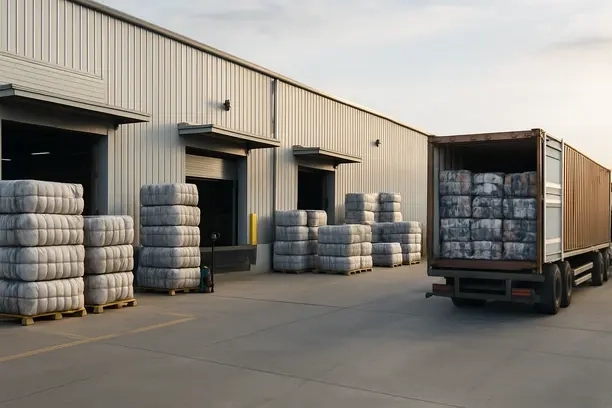
Logistics are structured to support bulk shipments suitable for wholesale buyers. This means robust packaging and palletizing for safer handling during international transit. Although lead times may vary, efficient coordination ensures orders are dispatched promptly, with paperwork aligned to export requirements for UK and European destinations.
Common logistical processes include:
- Palletized and consolidated shipments for cost efficiency.
- Pre-shipment quality checks and documentation preparation.
- Adaptability in delivery routes and methods according to client needs.
Sustainability Considerations
By facilitating the redistribution of excess or short-coded inventory, Satter Food and Beverage supports resource conservation and waste reduction efforts. Their business model promotes circular economy principles by extending product life cycles and reducing surplus disposal.
The approach aligns with modern sustainability goals by minimizing environmental impact through reuse and efficient distribution within supply chains.
Engagement and Buying Process
Trade buyers typically must be registered businesses with appropriate tax documentation to purchase from entities like Satter Food and Beverage. Sales are made in bulk, often pallet or truckload quantities, reflecting the nature of closeout liquidation sales.
Because inventory moves quickly, buyers are advised to maintain direct communication channels and verify product specifications including best-before dates to ensure suitability for their markets.
Steps to cooperate may include:
- Registration as a trade buyer.
- Inquiry and stock specification.
- Order placement and logistics coordination.
Conclusion
Satter Food and Beverage exemplifies the operation of wholesale suppliers within the secondary food and beverage market segment. Their processes around quality, logistics, and sustainability provide a framework that is relevant for UK and European buyers seeking to access secondhand stock through trusted channels. Understanding their operational approach supports more effective trade and inventory management in this sector.
As a wholesale supplier in the UK secondhand sector, quality control typically involves a thorough inspection process to ensure products meet acceptable standards for resale. Products, especially in the secondary market, are evaluated based on their condition, usability, and shelf life where applicable.
Suppliers generally conduct visual and functional checks to categorize stock, often grading items without fixed industry-wide scales. This grading helps buyers understand product status, including packaging integrity and any relevant expiration information for perishables. Although specific grading criteria vary, the process aims to ensure goods are suitable for intended retail or distribution channels.
Documentation accompanying stock often includes batch details and product provenance where available, supporting transparency and buyer confidence. Any damages, cosmetic or otherwise, are disclosed upfront to maintain trust and allow informed decision-making.
Logistics operations for UK and European wholesale secondhand suppliers prioritize efficient packaging and timely dispatch to accommodate trade buyer requirements. Stock is prepared using robust methods suitable for export, ensuring items remain intact during transit.
Typical practices include palletized shipments and consolidation to optimize freight costs and minimize handling damage. Suppliers often maintain flexible lead times, accounting for stock turnover and availability variations inherent in secondary markets.
- Pre-shipment inspections ensure order accuracy and condition.
- Documentation complies with export protocols relevant to the destination.
- Coordination with diverse freight providers supports door-to-door or port delivery depending on client needs.
Overall, logistics frameworks aim to support bulk orders while balancing speed and reliability, key factors for wholesale customers importing secondhand products.
Wholesale secondhand suppliers contribute to sustainability by promoting reuse and extending product life cycles. This approach supports the circular economy by redirecting surplus, overstocked, or otherwise unsold goods from landfill and reducing waste generated by primary production cycles.
- Repurposing quality stock reduces the need for new manufacturing resources.
- By facilitating redistribution, suppliers help manage inventory more efficiently within supply chains.
- Reduction of waste includes prioritizing products with remaining shelf life or functional value.
This commitment aligns with broader environmental goals, emphasizing responsible resource management and economic reuse. While specific certifications may not be publicly stated, the underlying principle focuses on mitigating waste and supporting sustainable trading practices.
Popular Wholesale Categories
Learn more about our most requested mixes and delivery options.