SHADI TRADING: Leading Exporter and Wholesaler of Secondhand Clothing and Textiles
SHADI TRADING is a UK wholesale secondhand supplier of used clothing, shoes, and textiles, catering to trade buyers across Europe, Africa, and the Middle East. They specialize in high-volume bale and container exports, providing graded and sorted stock suitable for resale or re-export.
Overview of SHADI TRADING
SHADI TRADING is an established international wholesaler and exporter specializing in secondhand clothing, shoes, and textiles. With headquarters in Belgium, they serve diverse markets including Europe, Africa, the Middle East, and Central Asia. Their position within the European secondhand textile market is supported by a regional sorting and distribution center known for handling large volumes of quality-controlled goods.
Product Range and Sorting Processes
The product spectrum managed by SHADI TRADING covers various segments essential to wholesale trade. These include used clothing sorted by gender and age categories, seasonal mixes, shoes categorized by style, as well as accessories like handbags and belts. They also offer tropical mixes adapted for warmer climates and household textile items such as bedsheets and curtains.
The quality sorting process is a critical operational pillar for SHADI TRADING. Incoming original unsorted textiles from affluent European states are sorted into quality categories like Grade A, Grade B, and cream quality. This enables the company to package goods reliably according to customer requirements, ensuring consistency at wholesale scale.
Logistics and Export Capabilities
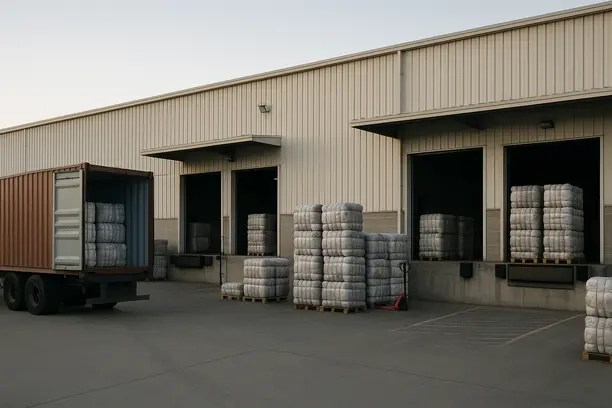
SHADI TRADING is experienced in managing logistics aligned with wholesale export demands. Their standard packaging includes bales weighing approximately 45kg to 55kg and container shipments either 20ft or 40ft in size. This enables efficient transport and handling across multiple export destinations.
Shipment and delivery schedules are adapted according to order size and export terms. Customers are offered flexibility with EXW warehouse collection or CIF delivery options, accommodating various international trade practices and import requirements.
Diversified Export Markets
- Africa: Key countries include Nigeria, Ghana, Kenya, and Benin.
- Middle East: Utilizing hubs in the UAE for re-export.
- Eastern Europe and Central Asia: Continuous demand for secondhand textiles.
Sustainability Through Circular Economy
SHADI TRADING supports sustainability through its business model focusing on the reuse of used textiles. Their operations contribute to waste reduction by extending the lifecycle of clothing and home textiles, aligning with circular economy principles.
By sorting and redistributing goods to various global markets, they optimize resource use and reduce environmental impact compared with producing new textiles. Although no specific environmental certifications are disclosed, the company's practices inherently foster sustainable use of textile resources.
Working with SHADI TRADING
Wholesale buyers engaging with SHADI TRADING typically transact in large volumes such as bales or container shipments rather than individual pieces. Interested buyers are encouraged to request detailed packing lists to understand bale contents and, where feasible, arrange site visits to inspect sorting lines, especially for significant container orders.
Contact information is available via their official website or email, allowing inquiries about product availability, logistics, and terms of purchase. The company maintains a presence on multiple B2B platforms, facilitating trade connections worldwide.
Key Cooperation Steps
- Inquiry and specification of product grades and categories.
- Confirmation of order volumes and packing preferences.
- Agreement on shipping terms and logistics.
- Option to inspect stock and sorting setup prior to large orders.
SHADI TRADING represents a dependable partner for wholesale buyers seeking UK and European secondhand goods with structured quality, logistics, and sustainability focus.
SHADI TRADING follows a thorough quality control process to ensure that secondhand clothing, shoes, and textiles meet consistent wholesale standards. They source original unsorted garments from affluent European areas, which are subsequently sorted and graded in dedicated facilities.
The sorting generally involves categorizing by quality grades such as Grade A, Grade B, and cream-quality items. Sorting also segments products by type including men's, women's, children's, and seasonal mixes like summer and winter wear. Shoes and accessories are similarly sorted by use and style.
Each bale or container is carefully packed according to these grades and categories to provide reliable quality consistency. This process helps ensure that wholesale buyers receive balanced, sorted products suitable for re-export or resale in different international markets.
SHADI TRADING operates logistics that support UK and broader European wholesale secondhand markets, as well as export readiness to destinations in Africa, the Middle East, Central Asia, and Eastern Europe.
Goods are typically packed in standard-weight bales (usually around 45kg to 55kg) or shipped in 20ft or 40ft containers. Packaging is designed to maintain product integrity during transit and facilitate unloading at destination ports.
Dispatch and shipment scheduling follow industry norms, with lead times adjusted according to order volume, destination, and export compliance requirements. Buyers can expect coordinated shipping options for both EXW (pickup at warehouse) and CIF (delivery to port) terms depending on agreements.
SHADI TRADING emphasizes sustainability through its core business model of reusing and redistributing secondhand clothing and textiles. By diverting garments from landfills and promoting circular economy principles, they contribute to reducing textile waste.
- The reuse of high-quality secondhand textiles extends product life cycles, lowering demand for new garment production.
- Sorting and redistributing garments enable multiple end-use markets, facilitating resource efficiency.
- By exporting sorted clothing to various global markets, waste is minimized through effective utilization of usable textiles.
While specific environmental certifications are not publicly disclosed, their operational model aligns with broad sustainability principles relevant to the secondhand goods industry.
Popular Wholesale Categories
Learn more about our most requested mixes and delivery options.