STARTEX Wholesale Textile Sorting and Export Services
STARTEX offers UK wholesale secondhand supply focusing on trade buyers requiring bulk volumes of sorted used textiles. Their operations support efficient distribution of graded secondhand clothing suitable for diverse markets within the UK and Europe.
Overview of STARTEX
STARTEX is a wholesale supplier operating in the UK secondhand textile market, known for their systematic approach to sorting and distributing used clothing. Though bearing the same name as a notable Tunisian company in the global used clothing trade, the STARTEX represented here serves trade buyers seeking quality secondhand goods within the UK and European regions.
Quality Assessment and Grading Practices
STARTEX employs a detailed sorting process to classify garments into quality categories that meet the diverse needs of wholesale buyers. Items are carefully inspected for defects, wear, and overall condition to determine their grading.
- High quality or "cream grade" items typically show minimal signs of use and are often suitable for higher-end resale.
- Standard or grade A merchandise includes well-maintained apparel free from significant damage.
- Lower-grade stocks may display visible wear, targeting markets with lower price expectations.
- Non-wearable textiles are recycled into industrial rags or similar products.
This grading ensures clarity for clients when selecting stock and helps maintain predictable quality standards across shipments.
Logistics and Delivery Capabilities
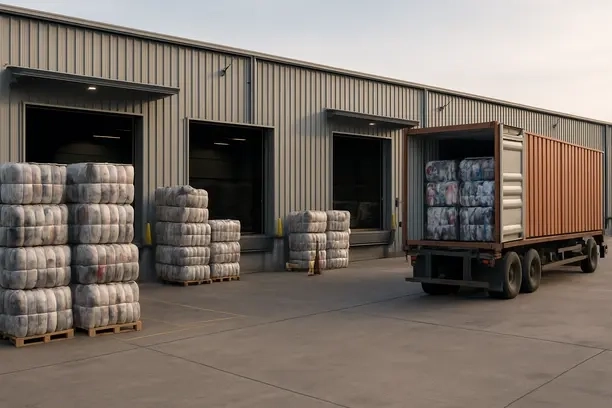
To meet bulk order requirements, STARTEX's logistics are configured for UK and European export markets with secure packaging solutions and adherence to export compliance standards. Orders are typically prepared in bulk packaging, such as bales or container loads, to streamline handling and maintain product condition.
Lead times align with standard industry expectations for secondhand textile shipments, balancing inventory turnover with reliability. Although specific shipping partners and timeframes are not publicly detailed, the company's export readiness facilitates efficient cross-border trade.
Commitment to Sustainability
Operating within the circular economy framework, STARTEX promotes sustainability by extending the life cycle of garments and reducing textile waste. Through its reuse and recycling processes, the company supports environmentally responsible trade practices.
- By diverting textiles from landfill, STARTEX helps reduce environmental impact.
- Reusable clothing is sorted and resold to consumers, lowering demand for new textile production.
- Materials unsuitable for resale are recycled into industrial products, minimizing waste.
Wholesale Cooperation and Buying Process
Trade buyers engaging with STARTEX typically operate at a large scale, placing orders in container volumes or similarly significant quantities. This reflects industry norms where minimum order quantities cater to wholesale distribution rather than small retailers.
Before finalizing contracts, buyers often visit sorting centers to inspect grading processes and stock, ensuring alignment with quality expectations. Packaging and logistics arrangements support export requirements while enabling smooth delivery to the buyer's location.
Key Considerations for Buyers
- Verify the provenance and grading standards of stock through direct communication or inspection.
- Plan for freight and customs management to ensure timely receipt of orders.
- Understand the broad grading categories to select stock fitting their market demands.
STARTEX aims to deliver consistent and reliable secondhand textile supplies serving UK and European wholesale buyers with a focus on quality, operational efficiency, and sustainable practices.
STARTEX, as a UK wholesale secondhand supplier, typically applies a systematic quality assessment process to ensure product consistency and suitability for resale. While specific grading standards may vary, the usual practice involves sorting items by type, condition, and usability. The process often includes visual inspection for damage, wear, and cleanliness, followed by categorization into general quality levels.
- Top quality items: Nearly new or gently used pieces without defects, often tagged as premium grade.
- Standard quality: Items showing minor wear but free from holes, stains, or major flaws.
- Lower grade: Worn garments suitable for markets with reduced pricing expectations; may have visible signs of use.
- Non-wearable textiles: Materials repurposed for industrial use, such as wiping rags.
This structured approach supports trade buyers by offering transparent product conditions tailored to various resale channels, helping to manage expectations and inventory planning effectively.
STARTEX is equipped to operate within the UK and wider European wholesale secondhand markets with export readiness optimized for efficient dispatch. Orders are generally prepared for bulk shipment with careful packaging to protect stock integrity during transit.
- Packaging: Bales or containers are securely packed to minimize damage and maintain product quality.
- Dispatch: Shipments are coordinated to meet standard lead times typical of secondhand textile logistics, facilitating timely delivery.
- Export compliance: Processes are aligned with UK and European customs requirements, supporting smooth clearance.
While specific shipping partners and exact timelines are not publicly disclosed, the logistics framework is designed to support bulk buyers requiring reliability and efficient supply chain management.
STARTEX is engaged in promoting sustainability through the reuse and recycling of textiles within a circular economy framework. By sourcing and distributing secondhand clothing, it helps to extend product lifecycles, reducing landfill waste and the environmental impact of textile production.
- Reuse: Refurbishing and reselling garments decreases the demand for new textile manufacturing.
- Waste reduction: Unsellable materials are repurposed as industrial rags or recycled, minimizing waste.
- Resource efficiency: Bulk handling and careful sorting optimize resource utilization across wholesale networks.
These practices align with ongoing efforts in the secondhand market to support environmentally responsible trade and reduce the overall carbon footprint associated with apparel consumption.
Popular Wholesale Categories
Learn more about our most requested mixes and delivery options.