Overview of UK Fashion Shop
UK Fashion Shop operates within the established UK and European vintage and secondhand wholesale market. It caters to trade buyers including boutique owners, online resellers, and emerging retailers seeking quality pre-owned apparel sourced through structured grading and sorting processes. Although based in Merchtem, UK Fashion Shop leverages industry best practices commonly found among UK wholesalers.
Quality Control and Grading Process
Quality assessment at UK Fashion Shop follows a multi-tiered grading approach, reflecting standard market practices. Products are evaluated and categorized into distinct grades:
- Grade A: Items in excellent condition without notable defects.
- Grade B: Items with slight imperfections, suitable for markets involving upcycling or minor repairs.
- Deadstock: Unworn vintage merchandise, often highly sought after.
This classification facilitates targeted procurement, enabling buyers to select stock appropriate for their customers. Manual inspection coupled with sorting technologies ensures consistent adherence to quality expectations. Additionally, personalized handpick options available in the market enable meticulous stock selection, helping buyers minimize risk.
Logistics and Delivery Capabilities
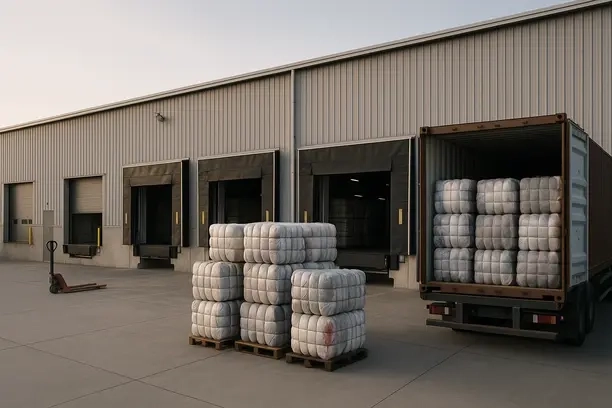
The company's logistics approach aligns with UK and wider European export requirements. Packaging is designed for transport robustness, supporting bulk orders and repackaging as necessary. Dispatch processes manage variable order volumes efficiently, accommodating both standard wholesale bundles and customized selections.
Lead times are generally influenced by order complexity and handpick sessions, with advance booking recommended for tailored dispatch. Shipping methodologies focus on balancing cost and delivery reliability, important for maintaining supply chain continuity across diverse trade markets.
Sustainability in Operations
UK Fashion Shop contributes to sustainability by promoting the reuse of garments, thereby supporting circular economy principles inherent to the secondhand sector. This practice helps reduce textile waste and environmental impacts linked to new apparel production.
By enabling trade buyers to access pre-owned clothing, the company supports upcycling and resale models, facilitating prolonged garment lifespans and waste reduction strategies. Its alignment with these sustainability goals reflects wider movements within the fashion wholesale industry to integrate environmentally conscious business models.
Working with UK Fashion Shop
Trade buyers engaging with UK Fashion Shop benefit from access to graded and diverse apparel selections suitable for various resale formats, including online platforms and physical stores. Business registration is generally required to meet wholesale criteria, with minimum order thresholds typical within the sector.
The process for cooperation generally involves:
- Verification of buyer credentials.
- Discussion of stock types and grading preferences.
- Scheduling orders and potential handpick sessions.
- Agreeing on payment terms and delivery arrangements.
The company emphasizes transparency on grading standards and supply chain logistics to optimize buyer satisfaction and operational efficiency.
Summary
UK Fashion Shop functions as a reliable conduit within the UK wholesale secondhand landscape, servicing a broad spectrum of trade buyers. Its practices in grading, logistics, and sustainability align with industry expectations and provide a sound base for businesses entering or expanding in the vintage and pre-owned apparel market.
Quality Standards & Grading at UK wholesale secondhand suppliers typically involve a careful sorting and grading process to ensure stock meets trade buyer expectations. Items are commonly categorized by condition, ranging from items in excellent condition to those with minor faults.
- Grade A: Items in very good condition, free from holes, stains, or significant wear.
- Grade B: Pieces showing minor imperfections such as small stains or missing buttons, often suited for upcycling or reworking.
- Deadstock: Unworn vintage items, sometimes with original tags, representing highly desirable stock.
The grading process usually combines automated sorting with manual inspection to separate materials efficiently while maintaining quality control. Handpick services allow buyers to personally select each item, thereby guaranteeing the condition and suitability for their specific needs.
Due to variability across suppliers, buyers should verify grading criteria before purchase to align quality expectations with their business focus.
Logistics & Delivery for UK secondhand wholesalers are designed to support trade buyers within the UK and across Europe. Packaging is typically done to protect items during transit and facilitate bulk shipment.
- Stock is generally dispatched from central warehouses with processes to manage high volume order fulfillment.
- Lead times can vary based on order size and handpick requirements, with larger or bespoke orders often needing advance booking.
- Export readiness is considered, with items packed securely to suit international transport standards.
Delivery methods are arranged to optimize cost-effectiveness and reliability, ensuring buyers receive stock suitable for resale or further processing within expected timeframes.
Sustainability Commitment is inherent in the wholesale secondhand market as it promotes reuse and extends product life cycles. UK wholesalers contribute by:
- Facilitating circular economy principles through the distribution of pre-owned clothing to new markets.
- Reducing waste by diverting garments from landfill and providing outlets for vintage and secondhand goods.
- Supporting upcycling and reworking initiatives by supplying apparel grades suitable for refurbishment.
Through these actions, the sector aids in lowering environmental impact associated with textile production and encourages sustainable consumer behaviors within wholesale and retail channels.
Popular Wholesale Categories
Learn more about our most requested mixes and delivery options.