Cream used clothing wholesale: what the word means and how to buy
Cream is a sorter's name for the top tier of a lot. It has no official definition, so the buyer needs it described in the offer.
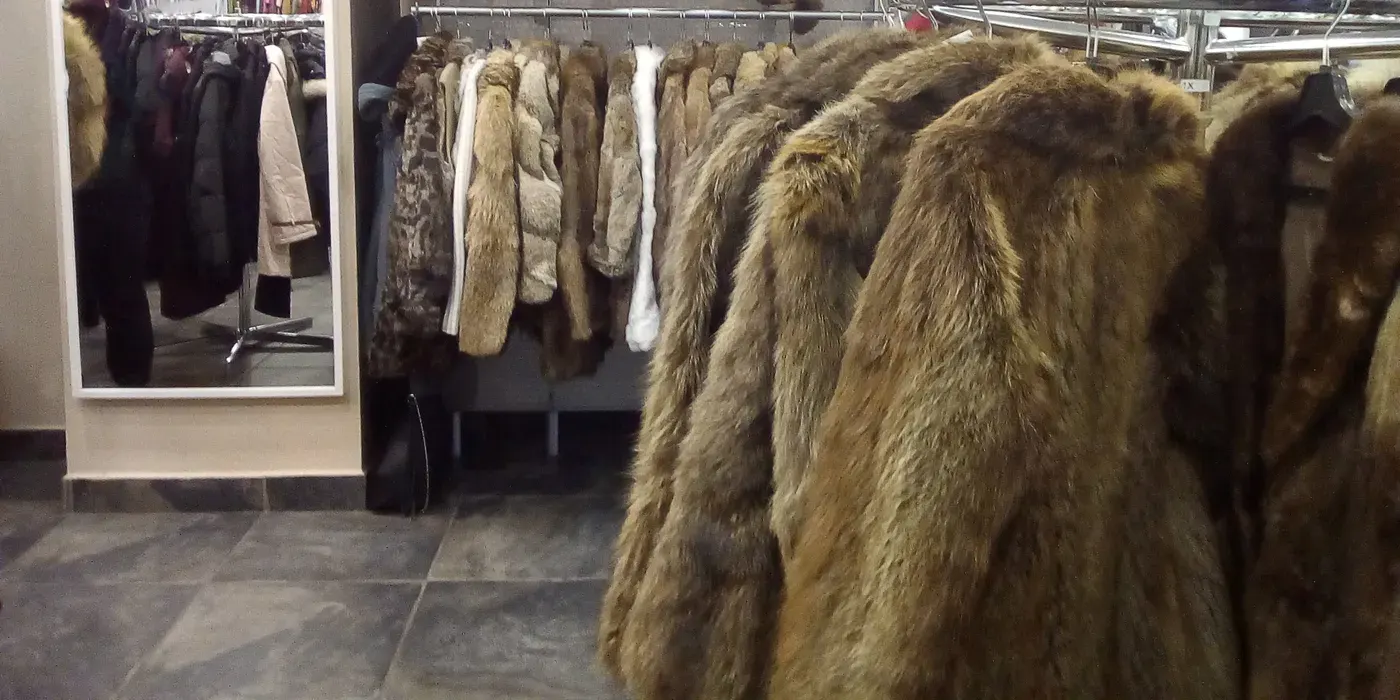
Cream is the name sorters give to the highest quality level of used clothing. It is a trade word, not a legal standard, and each seller draws the line in its own way. For cream used clothing wholesale, the safe approach is to ask what the seller means by the word and to have the answer written into the offer.
Cream used clothing wholesale: where the word comes from
Nobody registered the word cream. It grew out of the sorting floor, where staff split collected clothing into streams and gave each stream a name that buyers would recognise. The Reflow project, a research effort funded under the EU Horizon 2020 programme, describes a ladder of at least three quality grades for reusable products: crème, first quality and second quality.
In that ladder, crème products are sold at the highest prices to second hand and vintage shops in Western Europe. Reflow places first quality in the Eastern European market, with winter clothing, jackets and workwear, and second quality in markets further away, where summer clothing, sports clothing and trousers dominate. The names are a convenience for people who trade every day.
Fashion for Good, in the glossary of its 2022 sorting report, uses the same picture. It says that reusable garments are categorised into cascading qualities, with the cream, or highest quality, and vintage categories usually sold domestically, while other qualities, marked from A to C or from 1 to 3, are mostly exported.
What is cream sorting inside a sorting centre
To see what cream sorting does, look at the order of work. Reflow describes the first step as separating non-textile waste from textile waste. The second step splits the textile into 20 or more groups of reusable items and at least 10 groups of non-reusable ones. The third step sorts these groups into quality grades.
The sorted result is large and detailed. Reflow says reusable goods end up in more than 200 categories that reflect what the final customers want to buy. The Project Rewear report (Fashion for Good and Circle Economy, May 2026) adds that participating sorters normally use between 100 and 300 grades. Cream is the top few of those steps, and each sorter decides where the top stops.
That second point has a consequence for you. Because there is no shared scale, the word on a price sheet does not carry a fixed meaning from one seller to another, and a photo of the lot is a better guide than the name.
Who buys cream and why it travels
Reflow names second hand and vintage shops in Western Europe as the buyers of crème products. A shop of that kind lives on what hangs on its rail, so a stricter selection is worth paying for: fewer pieces are rejected at the counter and less preparation is needed before a garment goes on sale.
The Project Rewear report describes its top grade, which it calls Grade A, as visibly high-quality, fashionable and associated with trusted brands, with items commanding premium prices in both domestic and export markets. When exported, the report says, these items typically reach Eastern Europe, among other regions.
The European Environment Agency adds the collector's side. In its briefing on EU exports of used textiles it notes that charitable and private collectors typically pre-sort to extract high-value textiles, so-called cream, and sell them in their own shops. What reaches a wholesale buyer is therefore a stream that has already been through at least one selection.
How large is the top tier, and what the numbers do not tell you
Project Rewear reports that the highest grade of garments, so-called cream, represents only a small fraction of the total stock, typically 5-10 percent, and that Grade A makes up approximately 10 percent of all textiles collected. These are findings from sorters in the Netherlands, Spain, Lithuania and Poland; they describe stock in sorting facilities, not any seller's tier.
The same report points out that its A, B and C grades were created only for the study, to align the sorting methods of different facilities, and were defined by the financial value as perceived by the sorters. In other words, even the research uses an arbitrary scale. Numbers like these show that cream is scarce, but they do not define what you will find in a lot. Only a written offer does that.
Cream is not the same as flawless
A reasonable buyer expects very few defects in the top tier, but the data show that it is not perfect. In the Project Rewear sample of 8,280 garments, 37 percent had no identifiable damage and a further 41 percent had only one minor damage. Small stains and pilling were the most common damage types in Grade A.
Within Grade A, the report found small stains on 10.2 percent of jeans and 6 percent of outerwear, against 2.8 percent of sweaters and 5.4 percent of activewear. Sweaters were the least damaged high-value category, with 76.7 percent showing no visible defects. The pattern is useful for your questions: heavy, much-worn categories such as denim and outerwear show their age even in the best tier, so ask for close photos of exactly those garments.
Brand, fashion and condition: what drives the label
The report also says that subjective perceptions of desirability, shaped by trends, style and brand identity, were considered to play a more influential role than physical quality in determining value in rewear markets, and that brand recognition may outweigh other value-degrading factors such as physical damage. So a garment can sit in the top tier because it is wanted, not only because it is clean.
For your own shop this cuts both ways. Cream is not a promise of named brands, and known brands can appear in mixed lots but are not promised. If brands matter to your customers, say so in the enquiry, and judge a lot by what the photos show for your own range.
Cream next to unsorted and mixed lots
The EEA notes that a large amount of used textiles is exported unsorted as so-called originals, which are likely to contain items both fit and unfit for reuse. An unsorted lot has not been through the selection that creates cream, and the work of sorting moves to the buyer. Original Container works this way: goods are sold as collected, for buyers who sort themselves.
A door-to-door collection offered as one wholesale lot, as with Original D2D, sits between the extremes and has its own description in the offer. The guide on buying unsorted used clothing compares these formats from the buyer's side. If you buy cream, you are paying for part of the sorting work that you would otherwise do yourself.
The way you buy differs too. A top tier carries selection work that has already been done, while an unsorted lot leaves that work, and its risk, with you. Neither is a better deal by definition: compare what you can sort and sell yourself with what you would rather receive ready for the shelf.
Reading tier names across two offers
Suppose you hold two offers, one for cream and one for a tier named extra or grade 1. The names are not ordered the same way on every price sheet, so do not rank them by name. Put the written descriptions side by side and ask for the gap between each tier and the next in plain words: fewer stains, newer styles, fewer worn pieces, a stricter season rule.
Ask also what happens to garments that fail the tier. In a sorting centre they do not vanish; they drop to the next stream, which is sold at a different level. Knowing where the cut falls tells you what the next tier will look like if you buy it instead.
A seller of a top tier should be able to explain its routine in a few sentences: who sorts, against which criteria, and how the lot is checked before packing.
Categories do not age at the same speed
Project Rewear looked at five garment types: jeans, outerwear, activewear, sweaters and t-shirts. In its mid-value Grade B, 52.5 percent of t-shirts showed no visible defects, against 21.7 percent of outerwear, 27.8 percent of sweaters, 31 percent of jeans and 33.7 percent of activewear. The report reads this as a sign that t-shirts lose value extremely quickly.
The same report notes that outerwear and jeans maintain value even when visibly worn. For a buyer it means that the top tier works differently by category. A thin top has a narrow margin before it drops out of the tier, while a coat or a pair of jeans can carry some wear and still sell.
When you ask for cream in one category, ask the seller to say what it looks for in that category. Add the season as well, because winter pieces are collected in spring and demand does not rise until autumn.
Why the grade belongs in the written offer
The word cream has no official meaning, so the offer is where it gets one. If the contract is governed by English law, section 13 of the Sale of Goods Act 1979 implies that goods sold by description will correspond with the description.
Section 14 requires satisfactory quality for goods sold in the course of a business, while excluding defects specifically drawn to the buyer's attention. A written description of the tier is therefore your measuring stick on arrival.
UK rules on advertising to businesses point the same way. The Business Protection from Misleading Marketing Regulations 2008 state that misleading advertising is prohibited, and they treat advertising as misleading if it in any way deceives or is likely to deceive the traders to whom it is addressed. You do not need a lawyer to use the idea: ask the seller to describe the tier in plain words and to put the description in writing.
There is also an export side. The Environment Agency guidance for England says that textiles are non-waste only if they are suitable for direct reuse, and that exporters should keep evidence of how they sort and assess quality. A top tier described in the offer fits that logic, because it says what was selected and why.
How to ask for photos of a cream lot
Ask for photos or a short video of your lot before you confirm. A set of five or six pictures is usually enough to judge the type of goods. Photos and descriptions stay indicative, because weight, condition and style vary by lot, so use them to check the character of the lot, not to count pieces.
- The whole lot as packed, with the bales or bags in view
- A flat lay of ten or so garments taken at random from the lot, not hand-picked
- Close photos of the garment types that show wear first: denim, outerwear, knitwear
- Labels and seams on a few pieces, because stains hide in seams and under arms
- A photo of the least attractive garment the seller finds in the lot
If the seller sends one standard set of pictures to everyone, ask for new ones taken from your own lot. A stock photo shows a type of goods, not your goods, and a seller who agrees to take new pictures is showing how it works.
Compare what you see with the tier description in the offer. If something does not match, say so before you confirm, and keep the exchange in writing. Complaints after delivery are made in writing as well, and the quality control guide shows what is checked before a lot goes.
What to put in the enquiry
Say what you sell and to whom: women's, men's or children's, the season, the size spread and the style. Ask how the seller defines the top tier and what separates it from the next one, and state whether you want clothing only or shoes and accessories too. The reply can then be a written offer that you can check against photos.
If you already resell a tier, describe what sells fastest and what stays on your shelf. The more concrete the picture, the more precise the seller's answer on what its top tier means for your shop.
Send the enquiry through the contact page or to [email protected].
Frequently asked questions
Is cream a percentage of good pieces in a lot?
No. Cream is the name of a quality level, not a count of good pieces. The percentages in sorting research describe how much of a facility's stock sorters put in the top grade, and they do not define any tier in an offer. The offer states what a given lot contains.
Is there an official standard for cream grade?
No official standard exists. Sorters name their own tiers, and research shows that grades vary: Project Rewear says sorters normally use 100 to 300 grades and that its own A to C scale was created for the study. Read the description each seller gives, not only the label.
Does cream mean named labels on every piece?
Not necessarily. Known brands can appear in mixed lots but are not promised in any tier. Research says brand recognition often drives a garment's value, so if brands matter for your customers, state this in the enquiry and judge from the photos you receive.
How is cream different from an unsorted lot?
Cream has been selected as the top level of a sort. An unsorted lot is sold as collected, and the buyer does the sorting. The European Environment Agency notes that unsorted exports, called originals, are likely to hold items both fit and unfit for reuse.
Who usually buys the top tier?
Reflow describes crème products as sold to second hand and vintage shops in Western Europe. Buyers of this level want garments that sell without much preparation, so they accept a stricter selection. Shops that sort their own stock may prefer a less selected format.
What should I check when a cream lot arrives?
Compare the contents with the tier, category and packing in the written offer, take photos and report any difference in writing after delivery. Sale of Goods Act terms on description and satisfactory quality apply to a sale governed by English law, so keep the offer with the photos.