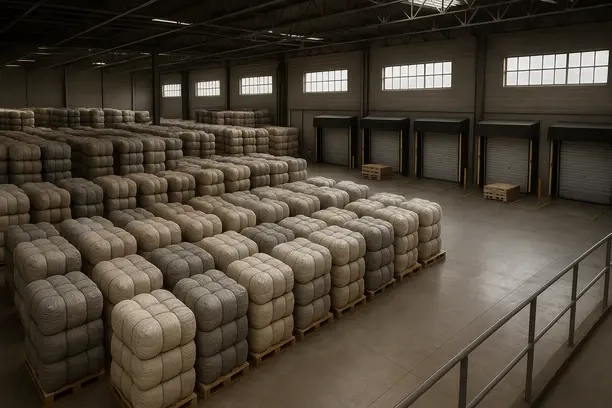
In the wholesale market, sourcing affordable second-hand clothes and shoes is essential for maintaining competitive pricing and appeal. For B2B buyers in the UK, these offerings represent an excellent opportunity for exporting and resale. Our range ensures that traders can access a variety of quality products at reasonable prices, meeting customer demands while also being mindful of sustainability. Understanding the mechanics of this industry—from grading to export logistics—gives trade buyers an edge in the rapidly evolving wholesale landscape.
Table of Contents
- Understanding the Second Hand Market
- Sourcing Quality Clothing and Shoes
- Importance of Grading in Wholesale
- Exporting Wholesale Bales Effectively
- Addressing Risks and Challenges
- Optimizing Supply Chain Logistics
Key Takeaways
| Key Consideration | Details |
|---|---|
| Volume and MOQ | Determine minimum order quantities that align with your business model to optimize purchasing. |
| Grading Signals | Assess grading criteria such as fabric quality, brand value, and style appeal to ensure profitable resale. |
| Logistics Readiness | Ensure that suppliers are prepared for efficient packing and timely shipping, reducing lead times. |
| Margin Control | Implement strict cost control measures to maintain desired profit margins through smart sourcing. |
Understanding the Second Hand Market
The second hand clothing market has evolved dramatically, driven by consumer preferences for sustainability and unique product offerings. In the UK, business buyers are increasingly seeking reputable suppliers of second-hand items, particularly for exports to international markets. According to research, the global second-hand clothing industry has seen substantial growth, indicating a shift in purchasing habits as consumers become more environmentally conscious (source).
This shift presents opportunities for B2B buyers to tap into emerging trends and understand market dynamics. Knowledge of potential markets and demand signals is essential, allowing traders to strategically position themselves for success.
Sourcing Quality Clothing and Shoes
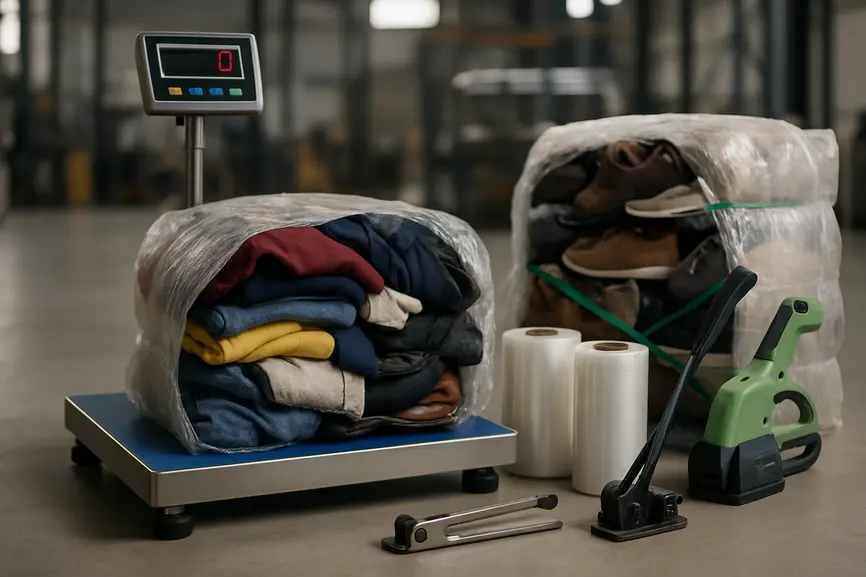
Quality sourcing is paramount in the wholesale clothing sector. Identifying suppliers who adhere to grading standards ensures that the products meet the expectations of your customers. The most reputable suppliers will provide clear grading systems that categorically define the condition of the clothing and shoes offered, which is crucial for maintaining client trust and satisfaction.
As highlighted in another study, effective sourcing strategies focus on sustainability and established relationships with suppliers. Buyers should consider those who prioritize ethical practices and sustainability in their operations (source).
Importance of Grading in Wholesale
Grading is a critical component of the second-hand clothing business, affecting inventory management, pricing strategies, and customer satisfaction. Accurate grading ensures that buyers receive clear information about the condition of the items, which influences resale potential. Suppliers must be transparent in their grading processes, demonstrating the reliability of the products they offer.
The focus on graded items can also lead to higher profit margins for resellers who strategically select quality products. The dynamics of grading contribute to a robust supply chain, as effective communication aids in addressing potential discrepancies and maintaining solid relationships with suppliers (source).

Exporting Wholesale Bales Effectively
For trade buyers, exporting second-hand clothing and shoes in bulk, commonly referred to as bales, requires a well-structured logistics plan. Understanding international regulations and compliance requirements is essential when dealing with cross-border transactions. According to a recent report, the EU exports of used textiles have increased significantly, highlighting the importance of effective logistics frameworks for trade (source).
Buyers must also be prepared for the complexities of shipping logistics to optimize the overall process and ensure product integrity upon arrival. Clear communication with freight forwarders and understanding shipping times will enhance the efficiency of the supply chain.
Addressing Risks and Challenges
Risks in the wholesale second-hand clothing market may range from supply chain disruptions to regulatory changes affecting imports. The European market has been adapting to several challenges, highlighting the necessity for robust risk management strategies. For instance, missing treatment data for used textiles can impact sourcing decisions (source) and place additional burdens on buyers.
Ensuring continuity in supply and meeting emerging standards is crucial for mitigating potential risks. This involves regularly reviewing supplier practices and developing contingency plans that can be activated when discrepancies arise.
| Risk | Cause | Mitigation |
|---|---|---|
| Supply Chain Disruption | Unpredictable events (natural disasters, strikes) | Diverse supplier base and contingency planning |
| Regulatory Changes | New regulations impacting import/export | Stay informed and adjust practices accordingly |
| Quality Issues | Inconsistent grading standards | Work with trusted suppliers and regular audits |
| Market Shifts | Changing consumer preferences | Flexibility in product offerings and market research |
Optimizing Supply Chain Logistics
Efficient supply chain logistics are critical for the success of any wholesale operation. Buyers should focus on developing relationships with reliable logistics partners who understand the nuances of shipping second-hand goods. This includes knowledge of customs processes, packaging requirements, and delivery timelines.
Trade buyers should also explore automated solutions for inventory management and logistics tracking to enhance operational efficiency. The responsiveness of your logistics partner can significantly influence the overall customer experience and satisfaction.
As businesses continue to adapt, investing in technology and collaborative logistics solutions will be vital for success in the second-hand clothing wholesale market (source).
Pro tip: Establish clear communication with both suppliers and logistics providers to enhance the efficiency of your operations.
Unlock Cost Savings and Inventory Variety with Trusted UK Bulk Clothing Sourcing

For trade buyers who need consistent bulk supply and clear grading expectations, explore Original Secondhand at originalsecondhand.com. If you’d like a quick recommendation on the best fit for your business model, volumes, and export requirements, contact the team here: Contact Us.
Frequently Asked Questions
What types of items are included in second-hand clothing wholesale?
Second-hand clothing wholesale typically includes a variety of garments and shoes suited for resale, ranging from casual wear to formal attire.
How can I ensure quality in the products I source?
Working with reputable suppliers and understanding their grading systems can help maintain quality in sourced products.
What are the benefits of sourcing second-hand clothes for my business?
Sourcing second-hand clothes can lower costs, offer unique items, and appeal to environmentally conscious consumers.
How does grading affect pricing in wholesale clothing?
Grading impacts the perceived value of the clothing, influencing pricing strategies based on quality and condition.