In the dynamic world of B2B wholesale, sourcing affordable second-hand clothing has never been more vital. Birmingham stands out as a key hub for businesses looking for quality bulk clothing to export and resell. Understanding the market dynamics and accessing reliable suppliers is crucial for trade buyers and exporters who desire consistent inventory and competitive pricing without compromising on quality.
Table of Contents
- What to Expect from Second Hand Clothes Wholesale Birmingham
- Navigating Clothing Grading in the Birmingham Market
- Warehouse Suppliers and Logistics in Birmingham
- Exporting Secondhand Clothing from Birmingham
- Managing Risk in B2B Clothing Wholesale
- Exploring the Birmingham Wholesale Market
Key Takeaways
| Focus Area | Details |
|---|---|
| Volume Control | Choose suppliers offering MOQs that suit your sales projections and storage capabilities. |
| Grading Signals | Understand grading systems to ensure you are purchasing quality items and avoid potential losses. |
| Logistics Readiness | Ensure suppliers can provide pre-packaged and shipment-ready goods to streamline inventory turnover. |
| Margin Discipline | Negotiate pricing that allows for healthy profit margins while remaining competitive. |
What to Expect from Second Hand Clothes Wholesale Birmingham
Birmingham has evolved into a pivotal location for second-hand clothing procurement in the UK. Many suppliers here provide a diverse range of clothing styles, catering to both local resellers and international markets. Buyers can expect high-quality garments that have passed through thorough inspection processes, ensuring that only the best products reach retail shelves.
Moreover, the competitive pricing in this region allows for excellent profit margins. Importantly, engaging with reputable businesses ensures that trade buyers foster long-term relationships, which contribute to consistent supply and quality assurance. Understanding local market demands and consumer preferences will also enable better purchasing decisions.
Navigating Clothing Grading in the Birmingham Market
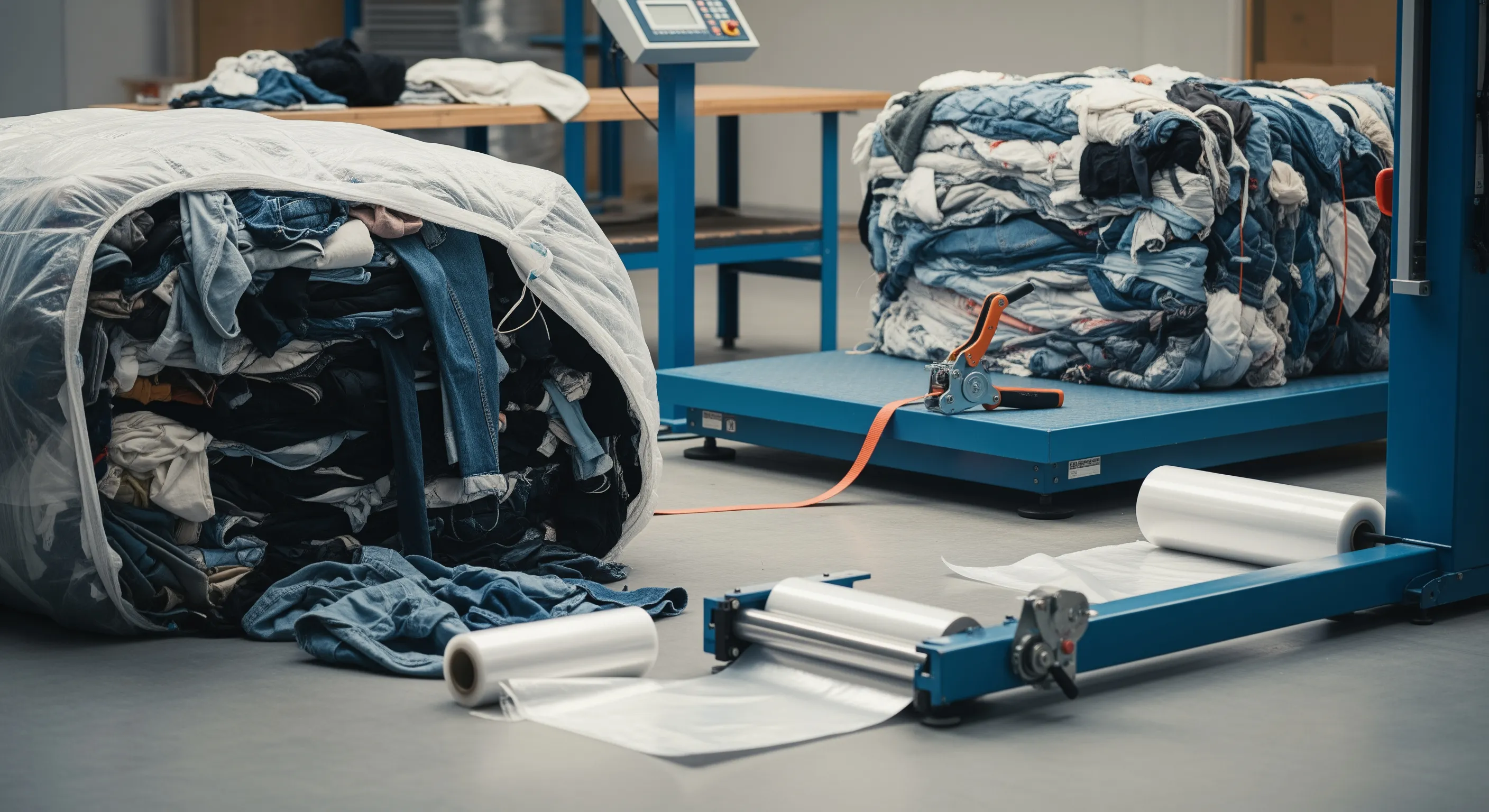
Grading standards in Birmingham can be intricate, reflecting the diverse nature of the second-hand clothing market. Buyers should familiarize themselves with the specific grading system used by each supplier to mitigate risks associated with purchasing unsatisfactory items. Understanding these grades will help traders make informed decisions about inventory quality.
For instance, some suppliers might use numerical or letter-based grading systems to classify clothing conditions, from new-like to heavily worn. These classifications not only influence pricing but also determine how suitable the clothing will be for different market segments. Being vigilant about grading accuracy prevents financial setbacks and enhances customer satisfaction with the final products.
Warehouse Suppliers and Logistics in Birmingham
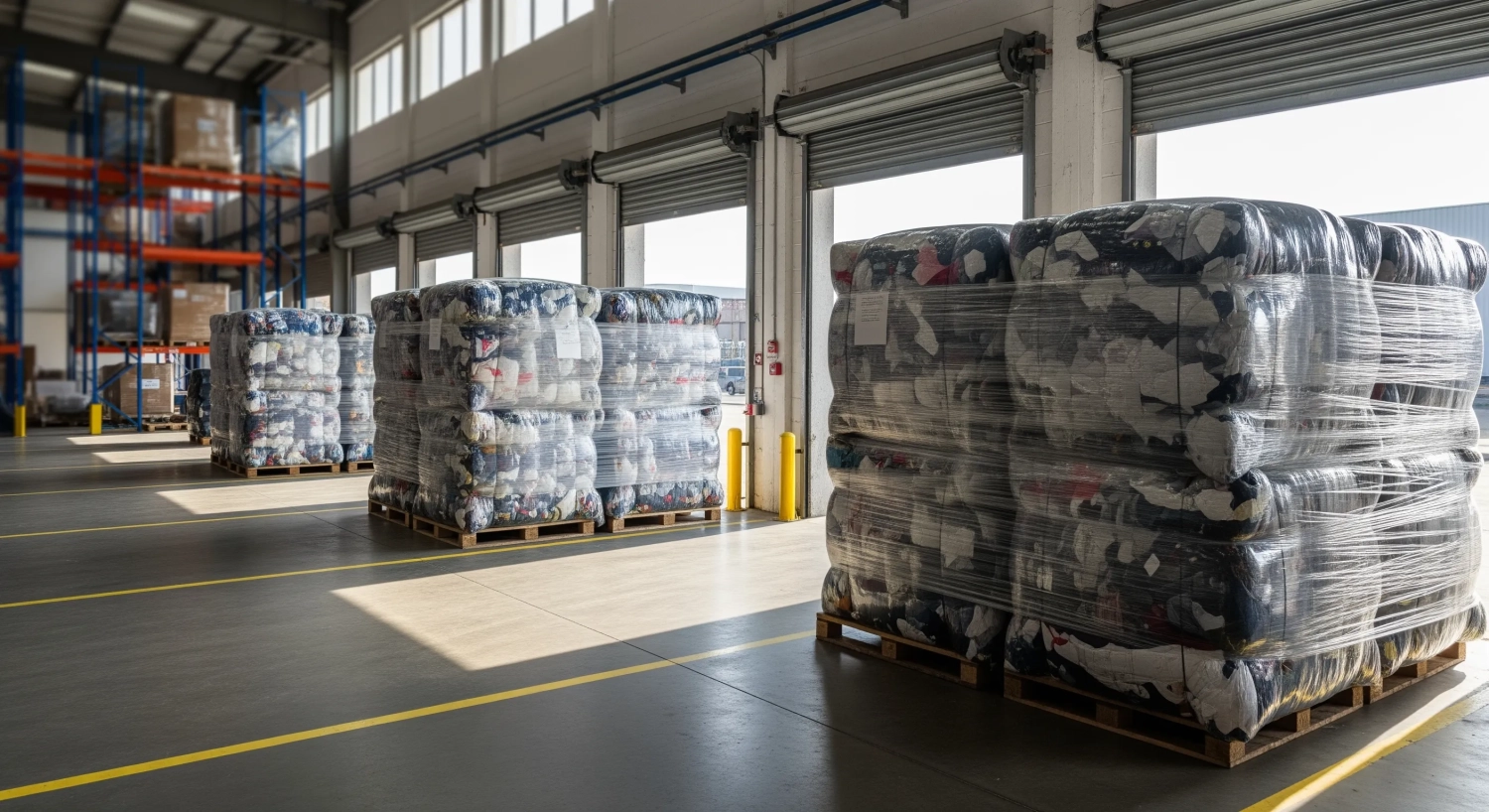
Utilising local warehouse suppliers can significantly enhance operational efficiency for businesses dealing in second-hand clothing. Birmingham boasts a sophisticated logistics system that supports efficient transportation and handling. Suppliers often offer ready-to-ship pallets, ensuring swift turnarounds and reduced downtime.
A partner with a strong logistics network can provide buyers with timely shipments, essential for meeting market demands. Establishing reliable communication with warehouse managers is critical to preemptively resolving potential issues that could impact delivery schedules. Businesses should perform due diligence to evaluate their logistic partners' reliability and service quality.

Exporting Secondhand Clothing from Birmingham
The export of secondhand clothing from Birmingham is gaining traction as international markets seek affordable and sustainable fashion options. Partners based in Birmingham are well equipped to meet exporting requirements, handling the complexities of customs and regulations efficiently.
The ability to ship pre-packed and compliant clothing bundles significantly eases the process of fulfilling foreign orders. B2B buyers are advised to work closely with their suppliers to ensure all export documents are in place, which will facilitate timely delivery and avoid potential disruptions in the supply chain, which might arise from regulatory compliance.
Managing Risk in B2B Clothing Wholesale
Risk management in second-hand clothing sourcing is vital. Factors such as fluctuating demand, quality inconsistency, and shipping delays can impact profitability. Buyers should implement strategies to mitigate these risks effectively.
Setting up contracts with clear terms regarding returns and quality disputes can help control financial risks. Additionally, developing a diversified supplier network can enhance security, allowing businesses to pivot quickly if one supplier no longer meets their needs. Regular analysis of market trends can also provide valuable insights into shifting consumer behavior, aiding in proactive decision-making.
| Risk Area | Cause | Mitigation |
|---|---|---|
| Quality Issues | Inconsistent grading standards leading to sub-par products. | Establish clear contractual agreements on quality expectations. |
| Supply Chain Disruptions | Supplier delivery issues due to logistics complications. | Develop alternative suppliers and maintain stock levels. |
| Market Demand Fluctuations | Seasonal changes affecting clothing sales. | Adjust inventory purchasing based on trend analysis. |
| Regulatory Compliance | Changes in trade laws affecting shipping processes. | Stay updated on regulatory changes affecting second-hand exports. |
Exploring the Birmingham Wholesale Market
As one of Europe’s largest wholesale markets, Birmingham provides a vibrant atmosphere for B2B transactions in second-hand clothing. Trade buyers can explore a myriad of suppliers, assessing their offerings and establishing beneficial partnerships directly.
With comprehensive insight and local knowledge, buyers can effectively navigate this bustling environment. Engaging with industry experts at the market can help uncover unique opportunities, enabling trade buyers to identify emerging trends and adjust their procurement strategies accordingly. The diverse composition of products available caters to various sales channels, maximizing income potential for resellers.
Pro tip: Research suppliers ahead of time to identify those who align best with your business model; this can save time and effort when navigating the market.
Unlock Cost Savings and Inventory Variety with Trusted UK Bulk Clothing Sourcing

For trade buyers who need consistent bulk supply and clear grading expectations, explore Original Secondhand at originalsecondhand.com. If you’d like a quick recommendation on the best fit for your business model, volumes, and export requirements, contact the team here: Contact Us.
Frequently Asked Questions
What is the average lead time for orders?
Lead times can vary depending on the supplier, but typically range from one to three weeks after order confirmation.
How do I ensure quality when sourcing second-hand clothes?
Establish relationships with reputable suppliers and understand their grading systems and return policies.
Can I customize orders based on specific requirements?
Many suppliers offer customization options; it's best to discuss your needs directly with them.
What are the key benefits of sourcing second-hand clothing?
Sourcing second-hand clothing is not only cost-effective but also promotes sustainability and offers unique inventory options.