
In the evolving landscape of global trade, the demand for bulk used clothing continues to rise, especially among B2B suppliers seeking diverse inventory options. Sourcing secondhand garments in bulk is becoming integral for wholesalers, exporters, and store owners looking for quality at a competitive edge. Understanding the process, grading, and logistics involved in acquiring secondhand clothing can empower businesses to make informed decisions that align with their operational needs.
Table of Contents
- Understanding Bulk Used Clothing Sourcing
- Benefits of Secondhand Clothing for Business
- Navigating Wholesale Clothing Export
- Clothing Grading Explained
- Risk Mitigation in B2B Clothing Distribution
- Sourcing from UK Wholesale Suppliers
Key Takeaways
| Focus Area | Considerations |
|---|---|
| Volume/MOQ | Establish minimum order quantities to optimize logistics. |
| Grading Signals | Understand grading systems to assess garment quality. |
| Logistics Readiness | Ensure timely shipping and packaging for international export. |
| Risk Control | Implement checks to reduce loss or damage during transport. |
Understanding Bulk Used Clothing Sourcing
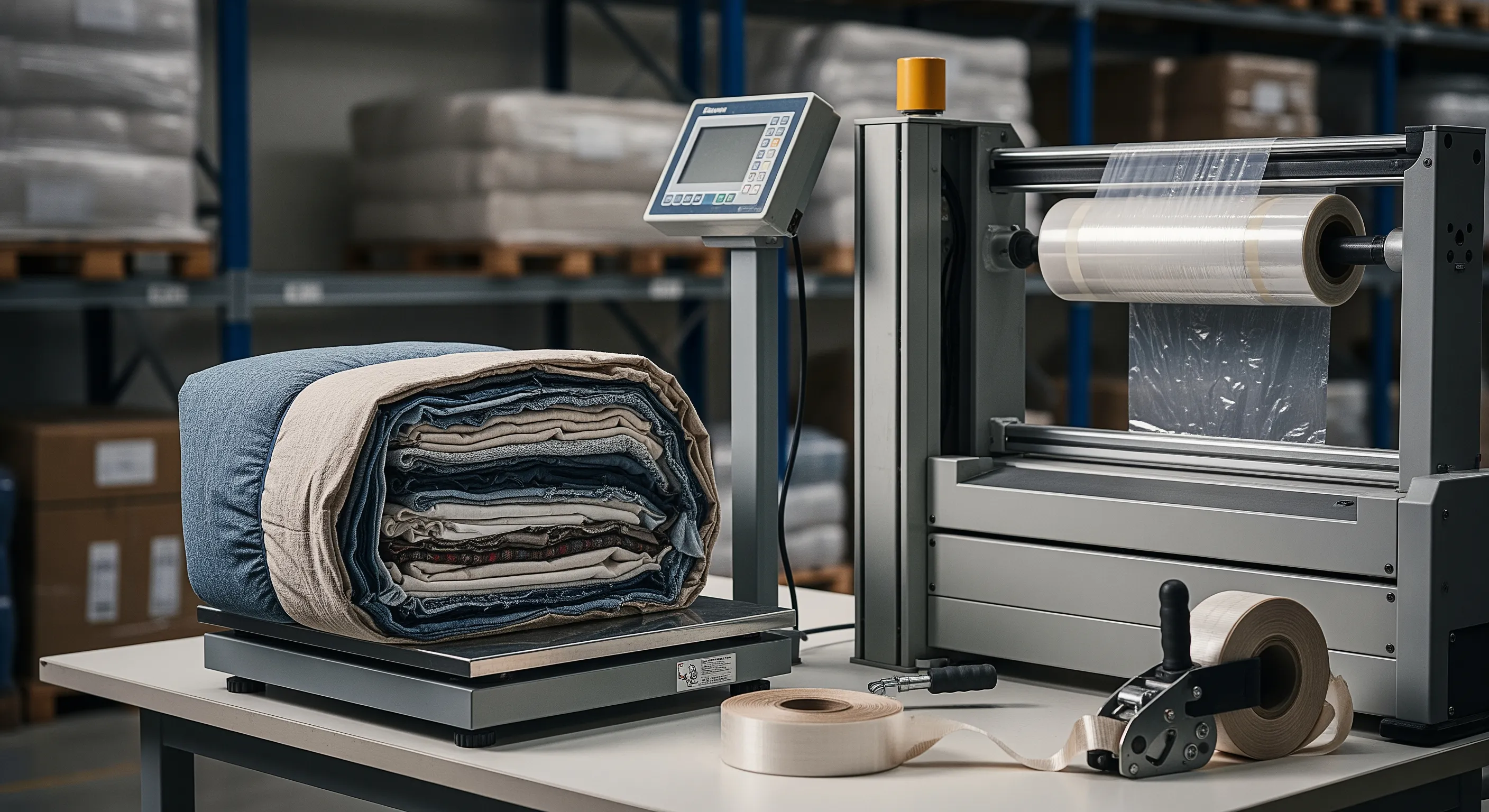
For B2B suppliers, navigating the world of bulk used clothing requires an understanding of various sourcing avenues. Bulk used clothing wholesale USA options are abundant, offering different grades, styles, and seasonal selections suitable for different market needs. Suppliers should focus on building relationships with reliable wholesale partners to ensure a consistent supply of high-quality goods.
Engaging with established suppliers can simplify the procurement process, allowing businesses to focus on their core operations. Look for suppliers that offer transparent grading systems and logistics assistance to enhance your sourcing experience.
Pro tip: Always verify supplier credentials and seek feedback from existing trade partners before committing to an order.
Benefits of Secondhand Clothing for Business
Buying secondhand clothing in bulk offers several advantages for B2B businesses. First, secondhand garments typically have lower acquisition costs than new ones, which can lead to higher profit margins for resellers. Additionally, there is an increasing consumer demand for sustainable options, which makes secondhand clothing an attractive proposition for businesses looking to appeal to eco-conscious customers.
Moreover, secondhand clothing can diversify inventory, enabling sellers to cater to various customer preferences, from vintage to modern styles. This range can not only attract a broader customer base but also reduce risks associated with unsold inventory.

Pro tip: Regularly assess market trends to adapt your inventory to shifting consumer preferences.
Navigating Wholesale Clothing Export
Wholesale clothing export processes can be complex, involving different regulations depending on the destination country. B2B suppliers must familiarize themselves with both local and international laws surrounding the export of secondhand garments. This knowledge can help avoid costly fines and ensure smooth transaction processes.
It's also essential to consider the logistics of shipping, including packaging standards and freight options, to manage costs effectively. Working with logistics providers experienced in international trade can streamline operations and facilitate quicker delivery times.
Pro tip: Leverage technology to track shipments and manage inventory efficiently, ensuring accountability in your supply chain.
Clothing Grading Explained
Understanding clothing grading is crucial when sourcing used garments. Grades typically range from A to C, with Grade A being the highest quality, often labeled as 'ready-to-wear'. Grade B may include minor defects, while Grade C garments are generally considered for recycling or lower-tier markets.
Suppliers should provide detailed grading reports alongside the clothing loading lists, ensuring transparency in the items being shipped. This allows B2B buyers to make informed decisions based on quality and marketability.
Pro tip: Regularly review grading reports from your suppliers to ensure consistency and to plan for any potential discrepancies.
Risk Mitigation in B2B Clothing Distribution
Risk mitigation is vital in B2B clothing distribution, especially when dealing with international supply chains. Businesses should identify potential risks, such as delays in shipping or quality issues, and implement strategies to address them. This could involve establishing a robust claims process for damaged goods, ensuring reliable insurance coverage, and choosing reputable logistics partners.
Moreover, setting up a contingency plan for inventory management can help businesses adapt swiftly to unexpected challenges, minimizing disruption and maintaining operational efficiency.
| Risk | Cause | Mitigation |
|---|---|---|
| Shipping Delays | Customs issues | Proactive documentation management |
| Quality Discrepancies | Poor grading by suppliers | Regular audits of supplier practices |
| Inventory Surplus | Overordering | Implement MOQ strategies |
| Damage in Transit | Inadequate packaging | Verify packaging standards with suppliers |
Pro tip: Always conduct a thorough risk assessment before establishing new supplier relationships to identify potential challenges.
Sourcing from UK Wholesale Suppliers
UK wholesale suppliers have earned a reputation for providing quality secondhand clothing to the global market. These vendors often uphold stringent quality control measures, ensuring that trade buyers receive merchandise that meets grading expectations.
By leveraging UK suppliers, B2B buyers can benefit from well-established logistics networks, reducing transport times and improving inventory turnover rates. Always evaluate shipping terms and supplier track records to optimize the procurement process.
Pro tip: Attend trade shows and webinars to connect with potential suppliers and stay updated on industry trends.
Unlock Cost Savings and Inventory Variety with Trusted UK Bulk Clothing Sourcing

For trade buyers who need consistent bulk supply and clear grading expectations, explore Original Secondhand at originalsecondhand.com. If you’d like a quick recommendation on the best fit for your business model, volumes, and export requirements, contact the team here: Contact Us.
Frequently Asked Questions
What are the benefits of sourcing secondhand clothing?
Secondhand clothing often comes at lower costs and aligns with sustainability trends, offering diverse inventory options.
How do I evaluate the quality of used clothing?
Review grading reports from suppliers and check for signs of wear and damage to assess quality.
What should I look for in a wholesale supplier?
Reliable wholesale suppliers should offer transparent grading processes, strong logistics support, and a proven track record.
How can I mitigate risks in clothing distribution?
Establish thorough inventory management and a claims process for damaged goods to effectively mitigate risks.