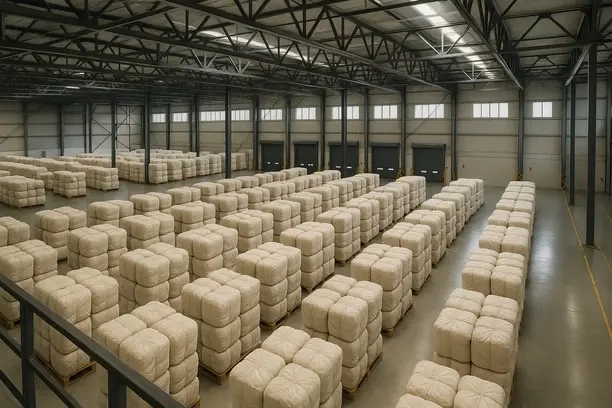
In the UK, cream used clothing presents an excellent B2B wholesale opportunity for businesses involved in the export and resale of secondhand garments. This versatile product line contains an abundance of high-quality stock waiting to be sourced in bulk. Perfect for trade buyers such as resellers, exporters, and store owners, investors can capitalize on the growing demand for sustainable clothing options. With a clear understanding of grading systems and logistical expertise, sourcing cream used clothing from trustworthy B2B suppliers can enhance inventory offerings and propel business growth.
Table of Contents
- What's in Cream Used Clothing?
- Grading and Quality Assurance
- Logistics and Warehouse Management
- Export Considerations for Bulk Clothing
- Risk Management in Buying Supply
- The Sustainability Angle
Key Takeaways
| Key Factor | Considerations |
|---|---|
| Volume and MOQ | Assess your target market to determine appropriate minimum order quantities (MOQs) for effective cash flow. |
| Grading Signals | Implement established grading systems to ensure quality and transparency for your clients. |
| Logistics Preparedness | Optimize warehouse logistics for efficient packing and timely shipments to maintain customer satisfaction. |
| Risk Control | Establish clear claims procedures to mitigate financial risks associated with product quality issues. |
What's in Cream Used Clothing?
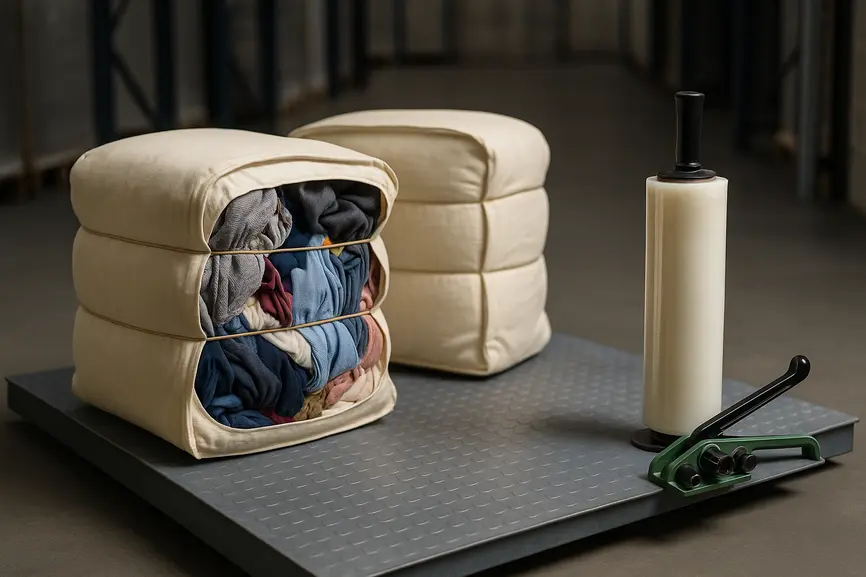
Cream used clothing refers to high-quality secondhand garments that are often carefully selected for their appeal and condition. These collections are typically comprised of items that have minimal wear and significant resale potential, focusing on premium labels and popular styles.
As a retailer or exporter, understanding the content of these bales is essential for making informed sourcing decisions. Buyers should perform due diligence to verify that the stock meets their target demographics and market trends, ensuring alignment with consumer preferences.
Pro tip: Regularly analyze market trends to tailor your stock offerings based on customer demand.
Grading and Quality Assurance
The grading system for cream used clothing is a crucial element for maintaining quality assurance standards. Typically, garments are sorted into categories, such as 'A' grade for nearly new items, down to 'C' grade for those showing more wear. This structured grading allows B2B suppliers to set clear expectations for buyers concerning condition and resale value.
Buyers should engage with suppliers who offer transparent grading reports, enabling them to manage their inventory confidently. Validating the quality of garments not only safeguards your business but also helps in retaining customer trust and loyalty.
Logistics and Warehouse Management
The logistics involved in sourcing cream used clothing are pivotal, particularly in terms of operational efficiency. A well-organized warehouse setup can streamline the sorting, packing, and shipping processes, reducing lead times and enhancing overall productivity.
Integrating effective inventory management systems aids in tracking stock levels and minimizing waste. Consider leveraging warehouse technology for real-time inventory visibility, ultimately facilitating better logistics decisions.
Pro tip: Adopt streamlined processes for handling returns to safeguard against financial losses.
Export Considerations for Bulk Clothing
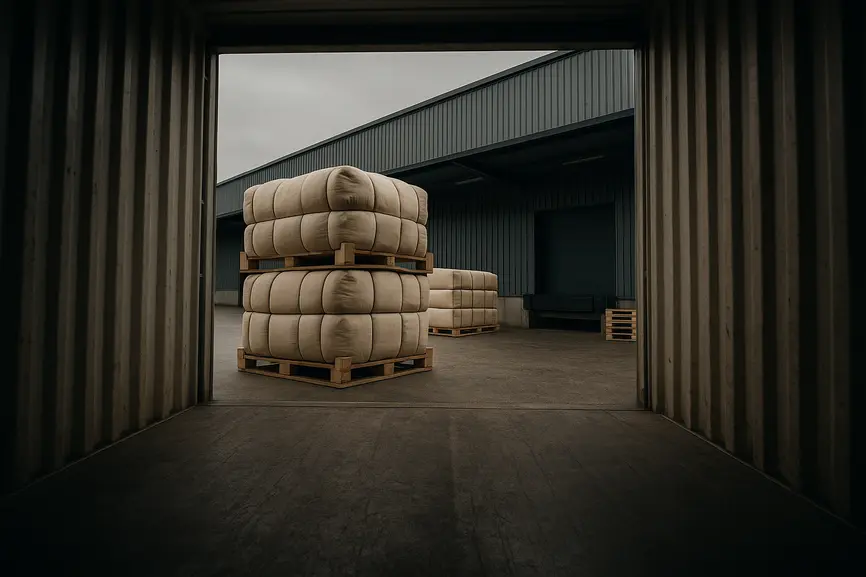
When dealing with cream used clothing for export, it's critical to consider various regulations that may affect the logistics and delivery timelines. Different countries have specific import regulations regarding the condition of used clothing, and it’s essential to familiarize yourself with these ordinances.
Additionally, shipping logistics must be precisely managed to ensure timely delivery to clientele, as delays can tarnish business reputation. Collaborating with logistics partners experienced in the used clothing sector can significantly mitigate risks associated with international shipping.
Pro tip: Conduct thorough research on destination country regulations to avoid compliance problems during export.
Risk Management in Buying Supply
Risk management is crucial when purchasing cream used clothing. Potential issues include garment discrepancies, quality mismatches, and shipping errors. Developing strong relationships with suppliers can serve as a buffer against these risks, providing assurances for product quality and reliability.
Additionally, implement claims processes that safeguard your interests as a buyer, ensuring that discrepancies can be efficiently resolved with suppliers while maintaining operational continuity.
Pro tip: Regularly assess supplier performance and adapt your strategies accordingly to strengthen partnership resiliency.
The Sustainability Angle
Investing in cream used clothing aligns with growing sustainability trends. By promoting secondhand garments, companies can contribute to waste reduction while appealing to environmentally conscious consumers. Emphasizing the sustainability aspect of cream used clothing can bolster your brand’s reputation and attract a broader customer base.
Moreover, companies can leverage marketing strategies that highlight not just the economic advantages of buying secondhand, but also the environmental benefits, creating a compelling narrative that resonates with modern consumers.
Pro tip: Incorporate storytelling into your marketing strategy, focusing on sustainability to connect with your target audience.
Unlock Cost Savings and Inventory Variety with Trusted UK Bulk Clothing Sourcing

For trade buyers who need consistent bulk supply and clear grading expectations, explore Original Secondhand at originalsecondhand.com. If you’d like a quick recommendation on the best fit for your business model, volumes, and export requirements, contact the team here: Contact Us.
Frequently Asked Questions
What should I look for when sourcing cream used clothing?
Look for transparency in grading systems and quality assurance protocols when sourcing cream used clothing.
How can I manage logistics effectively?
Utilize warehouse management systems and streamline your packing processes to enhance logistics.
What are the export regulations for used clothing?
Regulations vary by country; research import guidelines specific to your target market.
Why is sustainability important in this industry?
Sustainability ensures ethical business practices and appeals to environmentally conscious consumers, enhancing brand reputation.