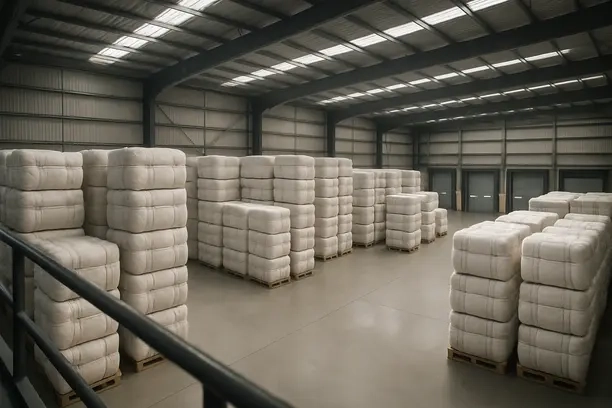
For businesses seeking sustainable sourcing options, purchasing second-hand clothes wholesale in the UK presents unique opportunities. With the growing trend towards sustainability and circular economies, trade buyers can benefit from bulk sourcing to reduce costs and enhance inventory variety. The market provides a wealth of options ranging from bales to containers, facilitating flexible purchasing to meet specific business needs. Understanding grading, shipping logistics, and quality control are essential in ensuring the success of these wholesale operations.
Table of Contents
- Understanding the Wholesale Market
- Grading and Quality Expectations
- Sourcing and Logistics
- Financial Benefits of Buying Wholesale
- Sustainability in Wholesale Clothing
- Navigating the Global Market
Key Takeaways
| Aspect | Details |
|---|---|
| Volume Requirements | Determine minimum order quantities to optimize pricing. |
| Grading Signals | Understand grading levels to assess textile quality effectively. |
| Logistics Readiness | Ensure shipping processes are well in place for timely deliveries. |
| Risk Control | Implement risk strategies to manage potential returns effectively. |
Understanding the Wholesale Market
As you embark on buying second-hand clothes wholesale in the UK, it is crucial to comprehend the broader wholesale landscape. The market offers a diverse range of products and suppliers, from local distributors to international exporters. This variety allows businesses to diversify their offerings and cater to specific customer preferences.
Effective supplier relationships enhance access to quality goods. Engaging with multiple sources can also mitigate risk, ensuring that your inventory remains robust against market fluctuations. Transitioning to wholesale can provide a competitive edge in pricing and supply stability if done correctly, as noted in the EU exports of used textiles report.
Grading and Quality Expectations
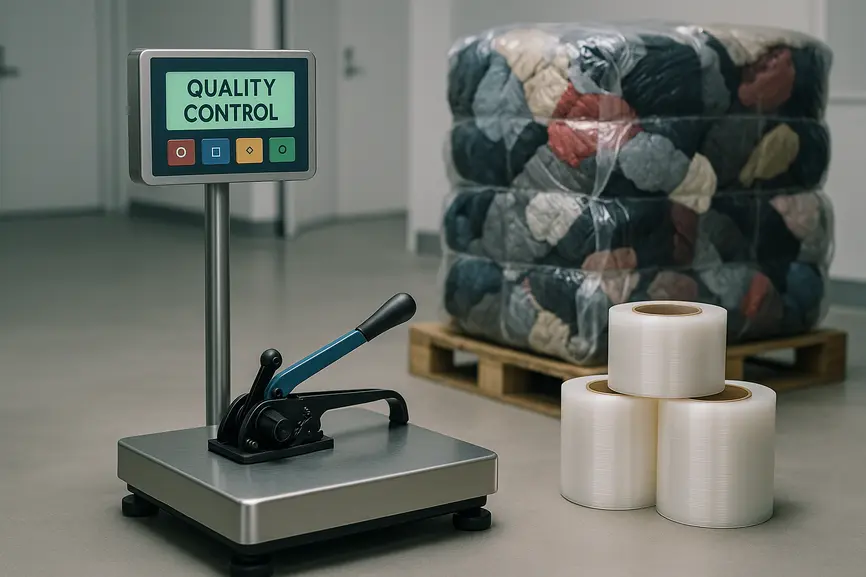
Understanding the grading system is an essential step when engaging with second-hand clothing suppliers. Each supplier may have different grading criteria, which influences the quality and price of the goods. Familiarising yourself with these standards will help set realistic expectations and guide your purchasing decisions.
Second-hand clothing grading typically includes categories such as A-grade, B-grade, and C-grade, each indicating the condition and saleability of the items. Be sure to request a grading guide from suppliers to align their grading system with your quality control standards, which is crucial for maintaining brand reputation. Refer to the Greenwashing Policy Paper to understand the implications of quality in sustainable purchasing.
Sourcing and Logistics
Efficient sourcing and logistics are paramount in ensuring that your wholesale operations run smoothly. Establishing a solid procurement process helps in identifying credible suppliers while maintaining robust stock levels. Consider utilizing platforms that focus on trade, where suppliers offer their second-hand wares in a bulk format, thus making the sourcing process streamlined.
Logistics also play a critical role in your business model. From transportation and storage to final delivery, coordinating these activities can lead to substantial cost savings and time efficiencies. Analyze your logistics partners to ensure they can accommodate the unique requirements of bulk shipments, as highlighted in the Keeping Customer Connections report.
Financial Benefits of Buying Wholesale
Engaging in wholesale buying often translates to significant cost advantages. By purchasing in larger volumes, businesses can achieve better pricing per unit. This aggregate purchasing approach not only reduces costs but also ensures more predictable profit margins.
Furthermore, incorporating second-hand goods into your inventory supports a unique marketing angle, appealing to budgets-conscious customers without sacrificing quality. A large portion of your revenue can be offset by these savings, underscoring the importance of considering second-hand clothing as a viable option for your business strategy.
Pro tip: Collaborate with suppliers who offer transparent pricing structures to avoid hidden costs in your sourcing endeavors.
Sustainability in Wholesale Clothing
With sustainability at the forefront of consumer preferences, incorporating second-hand clothing into your wholesale strategy not only benefits the environment but also enhances brand image. Consumers are increasingly seeking out businesses that demonstrate social responsibility and commitment to sustainability.
By investing in second-hand clothing, you contribute to reducing textile waste and promoting a circular economy. The UK government supports these efforts through guidelines addressing sustainable clothing practices, as outlined in the Sustainable Clothing Action Plan.
Navigating the Global Market
The global market offers further opportunities for trade in second-hand clothing. Exporting surplus stock to international markets can realize untapped revenue streams. Understanding the various regulations and logistics of different countries is integral to crafting a successful export strategy.
In preparation for international shipping, ensure compliance with local laws and tariffs of your target markets. Resources such as the Sustainable Clothing Roadmap Progress Report can provide insights into export requirements.
Pro tip: Establish partnerships with international logistics providers to streamline your export processes.
Unlock Cost Savings and Inventory Variety with Trusted UK Bulk Clothing Sourcing

For trade buyers who need consistent bulk supply and clear grading expectations, explore Original Secondhand at originalsecondhand.com. If you’d like a quick recommendation on the best fit for your business model, volumes, and export requirements, contact the team here: Contact Us.
Frequently Asked Questions
What is the minimum order quantity for wholesale second-hand clothing?
Minimum order quantities can vary by supplier, typically ranging from a few bales to large containers.
How do I ensure the quality of second-hand clothes?
Request grading reports from suppliers and inspect samples before placing bulk orders.
What are the benefits of buying second-hand clothing wholesale?
Buying wholesale can offer significant cost savings, sustainable options, and a diverse inventory for your business.
Can I export second-hand clothes internationally?
Yes, second-hand clothing can be exported, but be aware of the regulations and tariffs in your target markets.