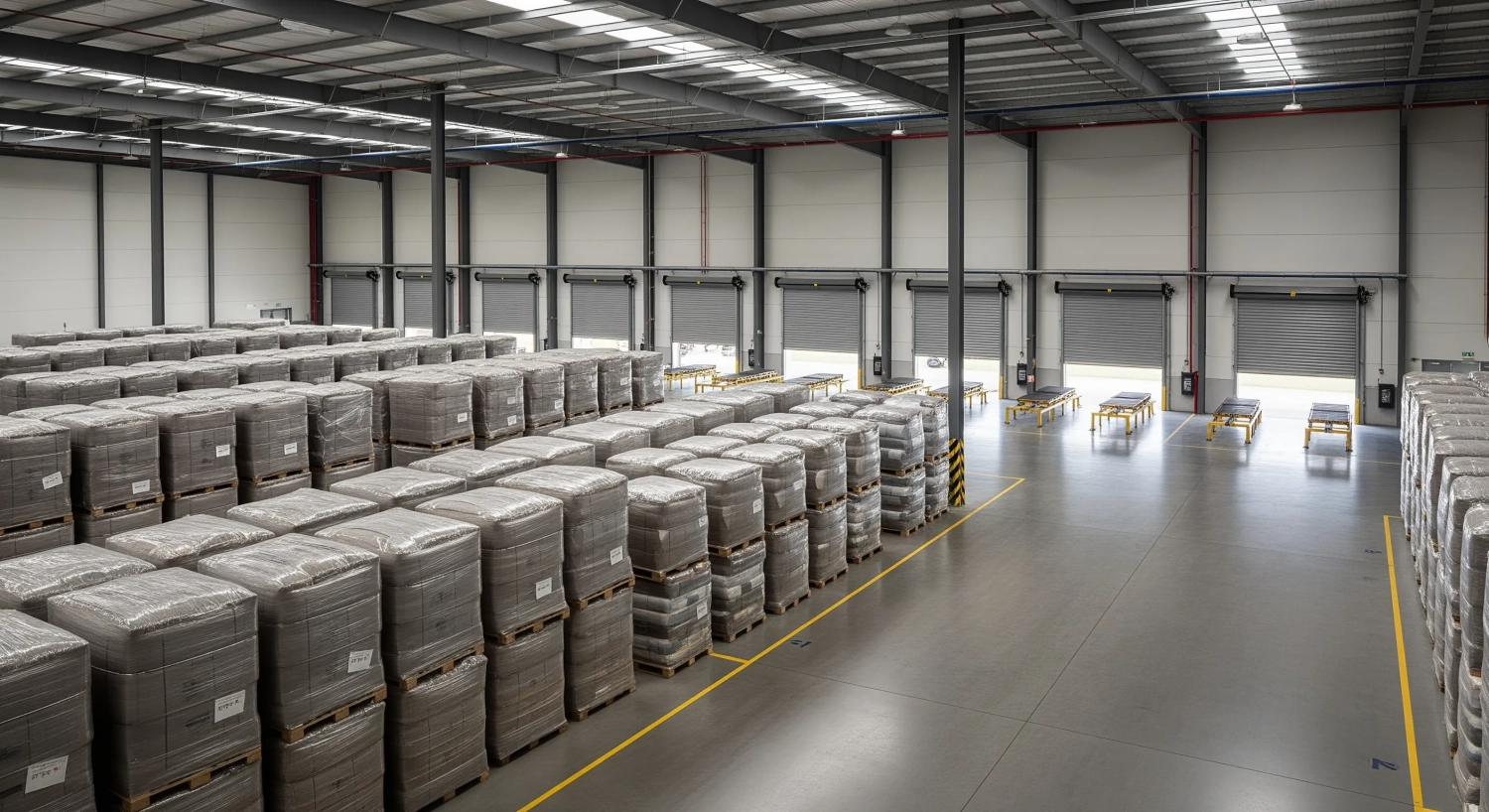
As the demand for sustainable fashion continues to grow, wholesalers and exporters in the UK are increasingly turning to second-hand clothing as a viable alternative. Ireland offers a lucrative market for second hand clothes wholesale, enabling businesses to access high-quality garments at competitive prices. Original Secondhand, a reputable B2B supplier, facilitates seamless sourcing, ensuring clear grading and logistics support tailored for trade buyers. By partnering with Original Secondhand, businesses can meet sustainability goals while enhancing their inventory with premium second-hand apparel.
Table of Contents
- Understanding the Irish Second-Hand Market
- Sourcing High-Quality Bales
- Grading and Quality Control
- Sustainable Sourcing and Business Benefits
- Export Standards and Logistics
- Risk Mitigation in Wholesale Sourcing
Key Takeaways
| Strategy | Advice |
|---|---|
| Volume Requirements | Establish minimum order quantities (MOQs) to assure consistent supply. |
| Grading Signals | Implement clear grading criteria to ensure buyer expectations are met. |
| Logistics Readiness | Ensure suppliers are equipped for timely dispatch and delivery. |
| Risk Control | Utilize contracts to define terms and manage potential claims effectively. |
Understanding the Irish Second-Hand Market
The second-hand clothing market in Ireland is experiencing notable growth, with recent reports indicating that sales could reach up to 10% of the overall fashion market by next year, according to industry analyses. This presents a significant opportunity for wholesalers and exporters looking to capitalize on the rising consumer interest in sustainable fashion.
Furthermore, the increasing awareness of environmental concerns is driving demand for quality second-hand options in Ireland. As businesses consider expanding their offerings, aligning with a reputable supplier can provide the necessary competitive edge.
Sourcing High-Quality Bales
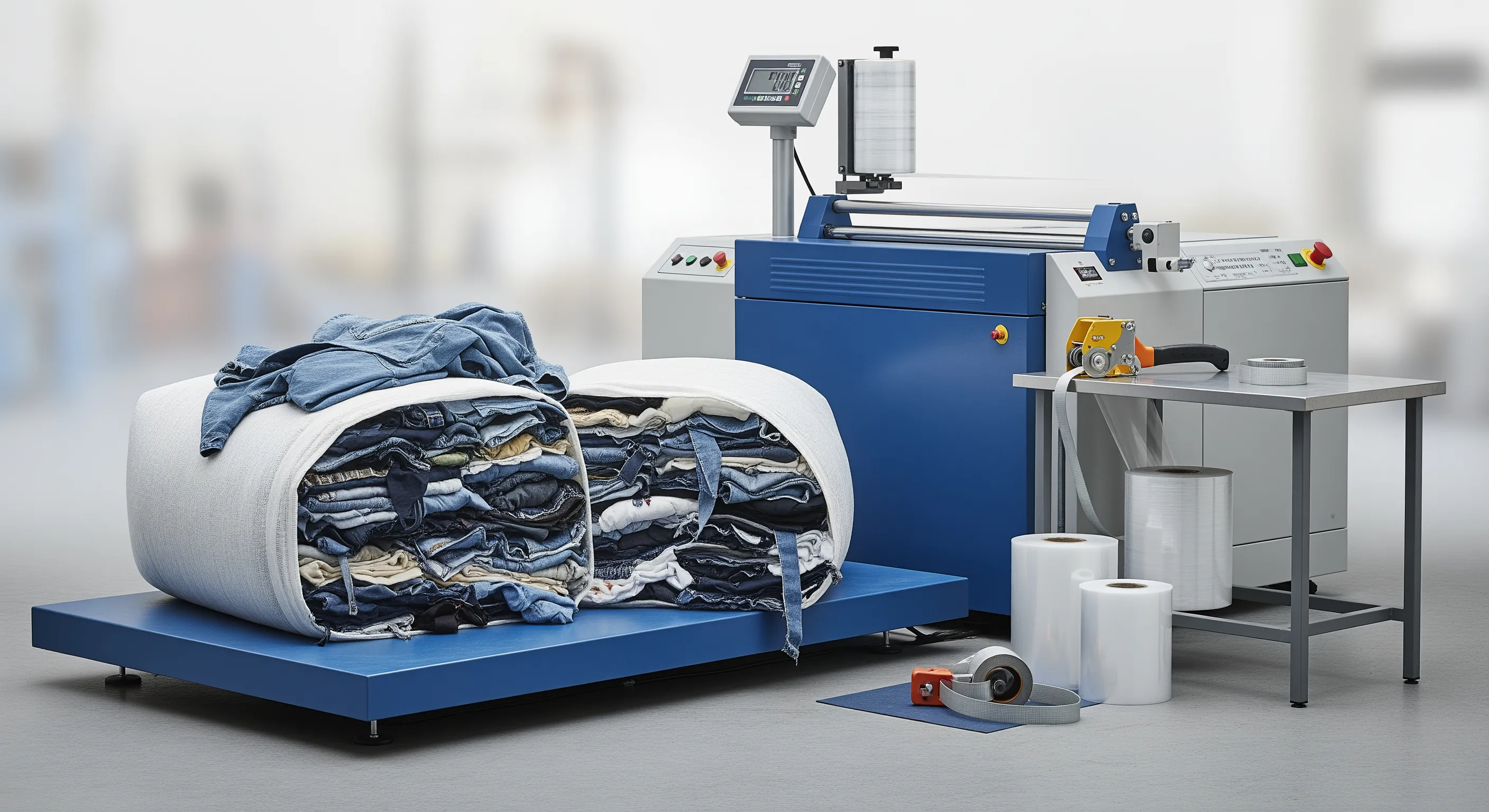
For businesses engaged in second hand clothes wholesale Ireland, sourcing high-quality clothing bales is essential. These bales often contain a mix of garments suitable for various markets, allowing wholesalers to cater to diverse customer needs. By partnering with proven suppliers, traders can ensure the quality and diversity of their inventories.
Consider conducting visits to suppliers’ warehouses to physically assess the bales being sourced. Such proactive measures can enhance trust and transparency within transactions and lead to better product selections.
Grading and Quality Control
Implementing effective grading and quality control measures is paramount when dealing in wholesale secondhand clothing. By establishing specific grading criteria, businesses can mitigate potential issues related to product quality. It ensures customers know what to expect in terms of the quality and condition of the items they purchase.
Setting up quality checks at various stages of the supply chain can further enhance reliability. Regular audits and evaluations of the grading processes safeguard against discrepancies. As outlined in recent industry literature, consistent grading also strengthens buyer-supplier relationships.
Sustainable Sourcing and Business Benefits
Emphasising sustainable sourcing allows businesses to not only align with consumer values but also enhances their market positioning. The circular economy principles in fashion suggest that incorporating second-hand options can contribute positively to brand images while assisting in marketplace differentiation.
As per research concerning circular supply chains, exploring new avenues for sourcing could yield significant long-term benefits for wholesalers and retailers. They can utilize insights on sustainability to enhance their approaches to sourcing and inventory management, fostering goodwill among their client base.
Export Standards and Logistics
Exporting second-hand clothing requires adherence to specific industry standards and regulations. Ensuring compliance with these regulations is essential for seamless international trade. Companies must stay updated with guidelines to avoid pitfalls that could disrupt export processes.
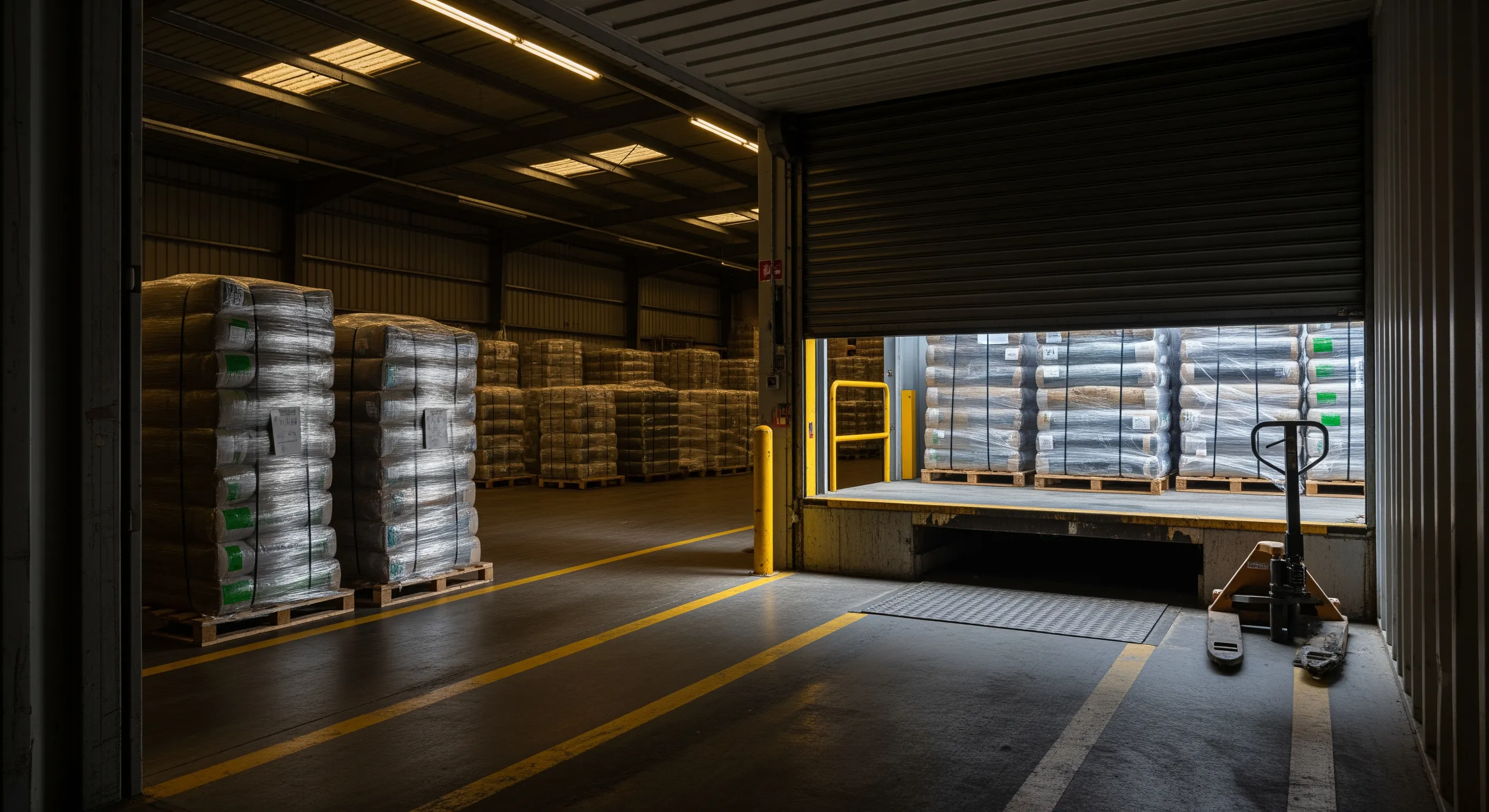
Collaboration with experienced logistics partners simplifies the shipping process. For example, comprehensive logistic solutions can aid in the timely delivery of bulk export requirements, treating containers as functional assets necessary for operational success.
According to industry findings, clear logistics planning can significantly reduce overhead costs and enhance service delivery. Engaging with studies regarding export logistics helps businesses better understand these dynamics, as detailed in EU reports.
Risk Mitigation in Wholesale Sourcing
Effective risk mitigation strategies are key for businesses operating in the wholesale secondhand clothing sector. Understanding potential risks related to sourcing and logistics can aid in establishing well-informed strategies. For instance, proactively managing claims through contractual obligations can shield against financial losses.
A concise risk assessment will allow companies to pinpoint critical vulnerabilities and develop robust contingency plans. Various industry studies highlight the importance of tailored risk controls in maintaining supply chain integrity. Adopting a proactive stance ensures companies remain resilient in the ever-evolving market landscape.
| Potential Risks | Causes | Mitigations |
|---|---|---|
| Quality Discrepancies | Inconsistent grading standards | Regular quality audits |
| Logistical Delays | Poor scheduling | Enhanced tracking systems |
| Regulatory Non-compliance | Changing export laws | Ongoing legal consultations |
| Supply Chain Disruption | Unforeseen events | Diversified supplier base |
Unlock Cost Savings and Inventory Variety with Trusted UK Bulk Clothing Sourcing

For trade buyers who need consistent bulk supply and clear grading expectations, explore Original Secondhand at originalsecondhand.com. If you’d like a quick recommendation on the best fit for your business model, volumes, and export requirements, contact the team here: Contact Us.
Frequently Asked Questions
What is the main benefit of sourcing second hand clothes wholesale?
Sourcing second-hand clothes wholesale can significantly lower costs while meeting sustainability goals.
How can I ensure the quality of the clothing I purchase?
Establish clear grading standards and conduct regular quality audits to maintain high-quality supplies.
What are the main challenges in exporting second-hand clothing?
Challenges include compliance with regulations and ensuring timely logistics.
Why is risk mitigation important in wholesale sourcing?
Risk mitigation is vital to protect against financial losses and supply chain disruptions.