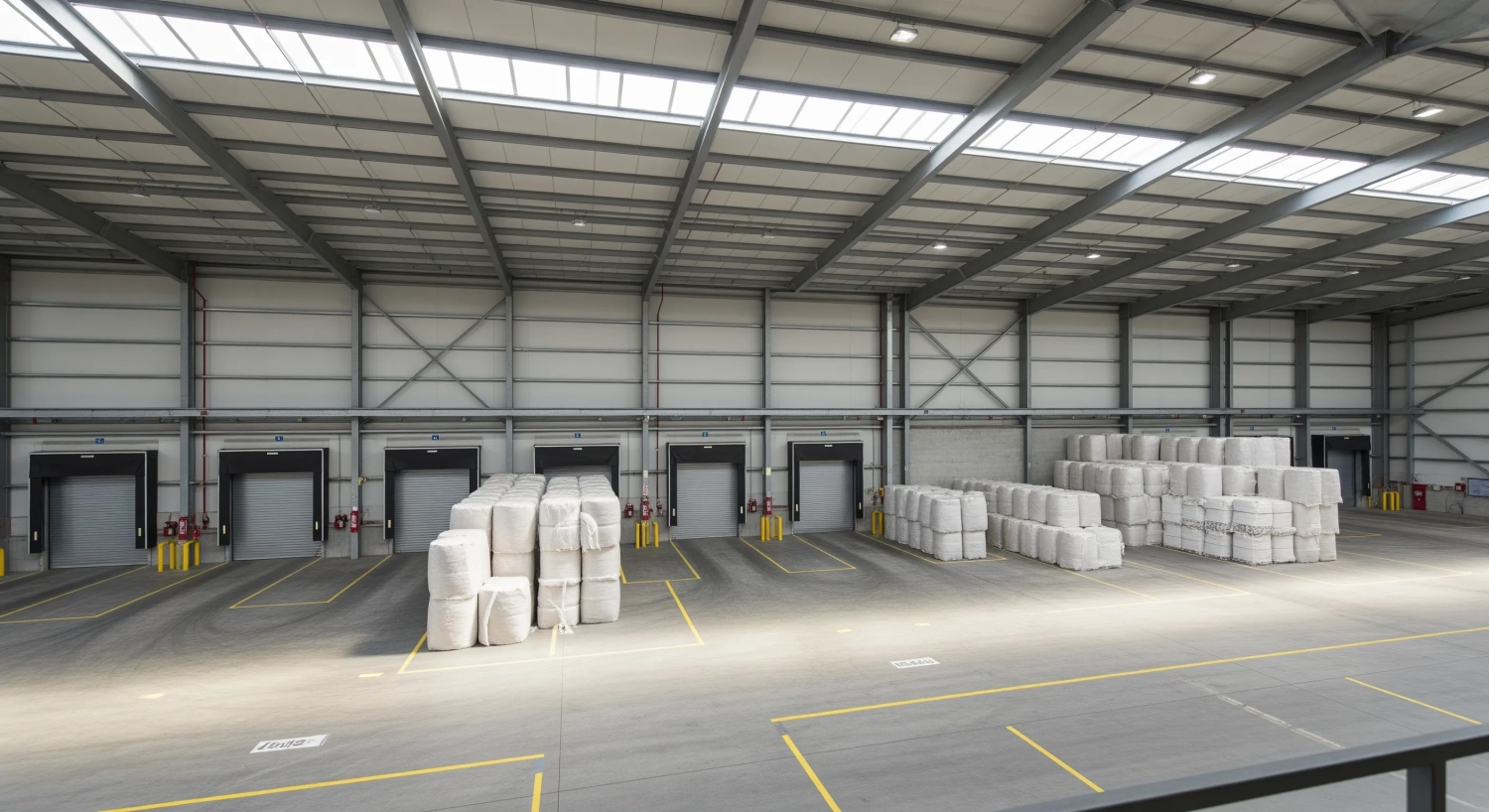
In the competitive landscape of B2B commerce, sourcing second hand clothes wholesale in Scotland offers an exceptional opportunity for trade buyers. By partnering with reliable suppliers, businesses can acquire quality garments tailored for resale in various markets. This allows wholesalers and resellers to maintain an impressive inventory at competitive prices, catering to the growing demand for sustainable fashion options while also ensuring smooth shipping processes for UK exports.
Table of Contents
- Understanding the Second Hand Clothing Market in Scotland
- Benefits of Sourcing Second Hand Clothes Wholesale
- Grading and Quality Control in Wholesale Clothing
- Effective Logistics and Supply Chain Management
- Risk Mitigation in Bulk Clothing Purchases
- Future Trends in Second Hand Clothing Wholesale
Key Takeaways
| Focus Area | Considerations |
|---|---|
| Minimum Order Quantities (MOQ) | Understand the quantity needed for bulk pricing. |
| Grading Signals | Familiarize with grading criteria to ensure quality. |
| Logistics Readiness | Coordinate shipping effectively to meet demand. |
| Margin Discipline | Monitor costs to maintain profit margins. |
Understanding the Second Hand Clothing Market in Scotland
Scotland's second hand clothing market is thriving, driven by both the increasing consumer preference for sustainable fashion and the need for cost-effective sourcing methods for businesses. The demand for second hand garments reflects a shift in consumer attitudes towards environmentally conscious purchasing. This change significantly enhances opportunities for B2B buyers who are looking to stock their shelves with ethical products.
The market offers a variety of second hand clothing, including bulk second hand garments and graded second hand clothing, each catering to different segments of the resale market. Engaging with reputable wholesale clothing suppliers in Scotland ensures that businesses can tap into these diverse offerings, making strategic stock decisions that resonate with consumer values.
Pro tip: Regularly assess market trends to align your inventory with consumer preferences.
Benefits of Sourcing Second Hand Clothes Wholesale
Sourcing second hand clothes wholesale provides several advantages that can enhance a B2B buyer's competitiveness. The primary benefit is cost efficiency; businesses can acquire quality garments at reduced prices compared to new clothing. This not only improves profit margins but also attracts price-sensitive customers seeking value.
Additionally, sourcing second hand clothing helps address sustainability concerns, appealing to a growing base of environmentally-conscious consumers. By promoting the reuse of garments, businesses can enhance their market image as responsible retailers, which is increasingly becoming a decisive factor for many buyers.

Pro tip: Emphasize eco-friendly aspects in marketing strategies to attract eco-conscious customers.
Grading and Quality Control in Wholesale Clothing
Implementing a robust grading system is crucial for bulk second hand purchases. Grading ensures that the quality of garments meets both supplier and customer standards. B2B buyers should work with suppliers that provide transparent grading processes, which can include visual inspection and condition reports, reinforcing trust in sourcing decisions.
Additionally, quality control measures are essential to maintain product integrity. Establishing protocols for returns and discrepancies helps mitigate risks associated with unsatisfactory products. This proactive approach guarantees consistent quality and supports positive customer relationships.
Pro tip: Collaborate closely with suppliers to set clear quality expectations and minimize disputes.
Effective Logistics and Supply Chain Management
A streamlined logistics process is vital for the successful operation of a second hand clothing wholesale business. Efficient supply chain management enhances the speed at which products reach the market, significantly impacting sales performance. Businesses should invest in logistics planning and develop partnerships with reliable carriers for timely deliveries.
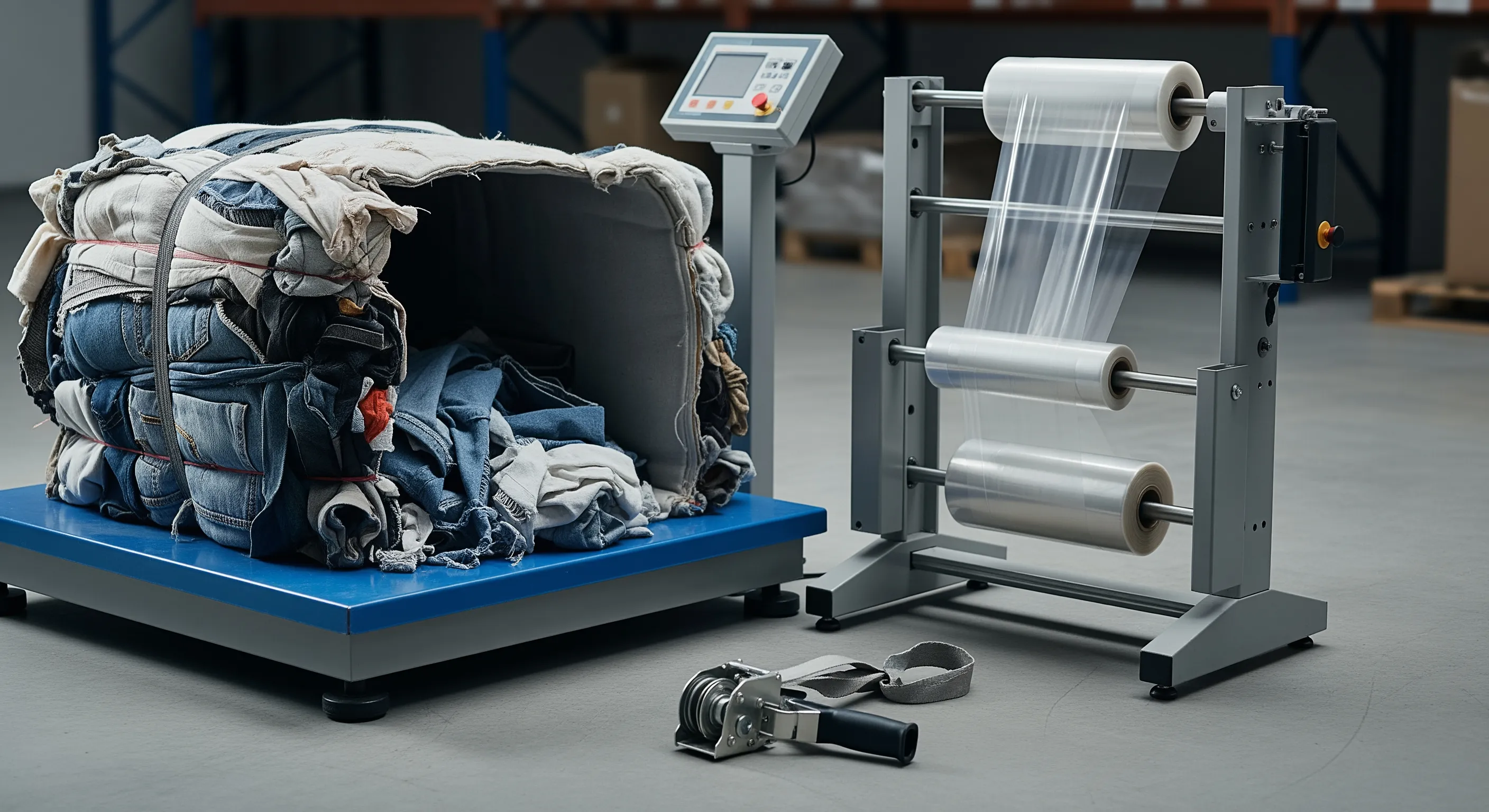
In particular, managing the flow of second hand bales and ensuring they are shipping-ready before leaving the warehouse can also prevent costly delays. This includes assessing the condition of bales before shipping and ensuring all documentation is in order.
Pro tip: Use technology to track shipments and assess supply chain performance regularly.
Risk Mitigation in Bulk Clothing Purchases
When engaging in bulk purchases of second hand clothing, potential risks must be identified and managed effectively. Common risks can include poor quality products, shipping delays, and financial losses. By establishing clear contract terms with suppliers, businesses can safeguard against these issues and ensure accountability.
For instance, setting agreed-upon clauses regarding product grading, delivery timelines, and payment terms can create a framework for effective collaboration. Additionally, maintaining open lines of communication with suppliers fosters quicker resolution of any arising issues.
| Risk | Cause | Mitigation |
|---|---|---|
| Quality Discrepancies | Lack of standardization | Implement thorough grading systems |
| Shipping Delays | Poor logistics management | Enhance supply chain coordination |
| Financial Losses | Unclear contract terms | Set clear agreements with suppliers |
| Market Fluctuations | Consumer demand shifts | Regularly analyze market trends |
Pro tip: Regular audits of suppliers help ensure continued compliance with quality standards.
Future Trends in Second Hand Clothing Wholesale
The future of the second hand clothing wholesale market appears promising, driven by increasing sustainability awareness and innovative business models. As eco-conscious consumers become more prevalent, the demand for second hand clothing will likely escalate, presenting new opportunities for B2B buyers to expand their market reach.
Moreover, leveraging online platforms for bulk orders can enhance visibility and accessibility, making it easier for wholesalers and resellers to connect with new suppliers and customers. Embracing these trends can position businesses to capture growth in this dynamic marketplace.
Pro tip: Stay updated on industry innovations to adapt your sourcing strategies effectively.
Unlock Cost Savings and Inventory Variety with Trusted UK Bulk Clothing Sourcing

For trade buyers who need consistent bulk supply and clear grading expectations, explore Original Secondhand at originalsecondhand.com. If you’d like a quick recommendation on the best fit for your business model, volumes, and export requirements, contact the team here: Contact Us.
Frequently Asked Questions
What types of garments can I source through second hand clothing wholesalers?
Wholesalers offer a wide range of garments including clothing for men, women, and children, as well as accessories and shoes.
How does grading affect my purchasing decisions?
Grading provides insights into the quality and condition of garments, helping buyers assess their suitability for resale.
What are the typical lead times for bulk orders?
Lead times can vary based on supplier logistics and stock availability, but generally range from a few days to several weeks.
Can I negotiate prices when buying wholesale?
Yes, many wholesalers are open to negotiation, especially for larger orders.