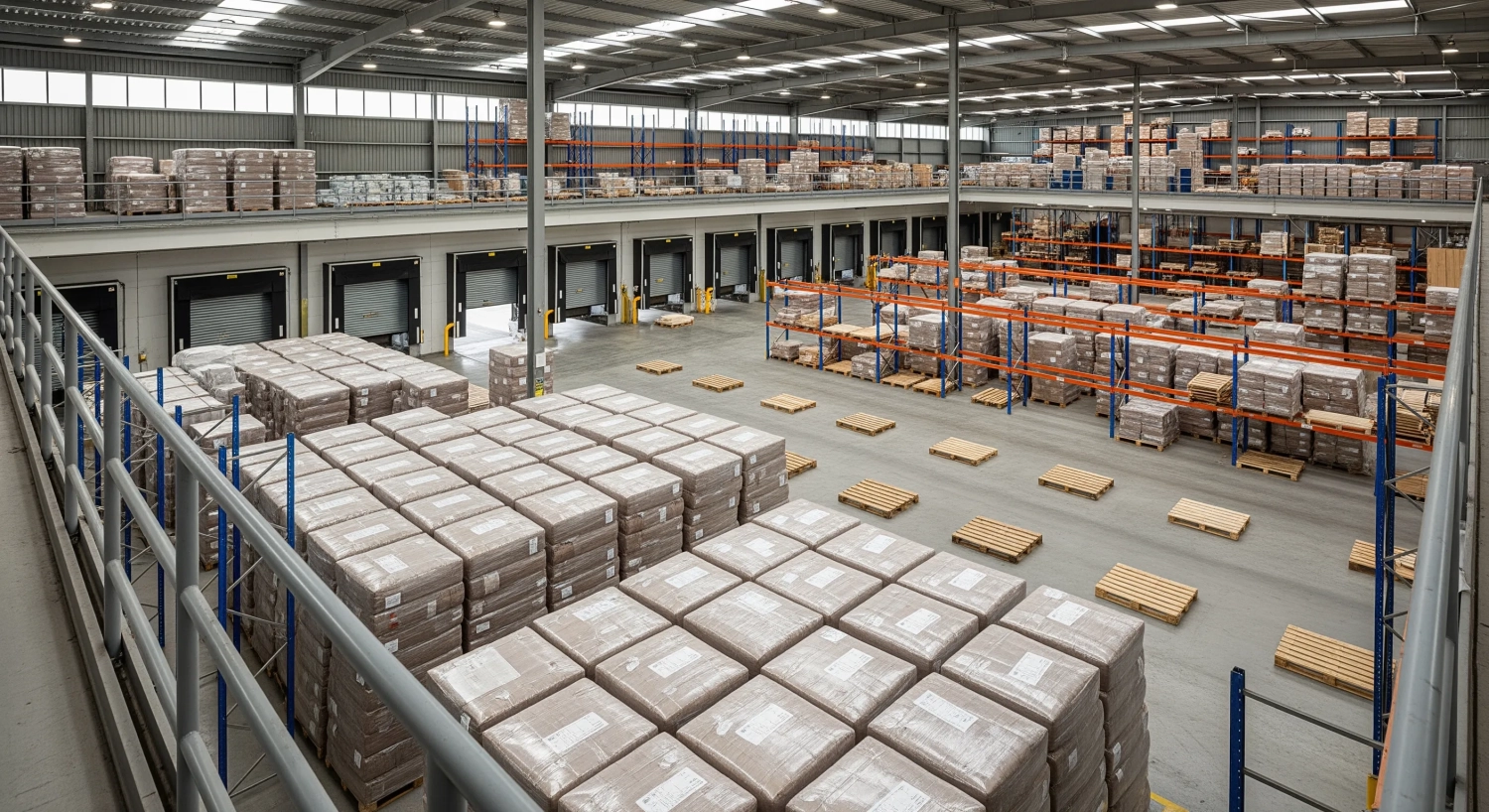
In the ever-evolving landscape of B2B wholesale, sourcing quality second hand clothing can be an avenue for significant profit and sustainability. For trade buyers in the UK, the market is filled with options that cater specifically to wholesale suppliers, ensuring diverse stock availability without sacrificing quality. This guide will explore various avenues and best practices for reliably sourcing second hand clothing wholesale, tailored for resellers and exporters. Buyers can anticipate clear grading expectations and efficient logistics to maintain their competitive edge while promoting sustainable fashion.
Table of Contents
- Understanding the Second Hand Clothing Market
- Sourcing Quality Wholesale Clothing Bales
- Grasping Clothing Grading Criteria
- Evaluating Sustainable Fashion Wholesale Options
- Navigating Logistics for Wholesale Sourcing
- Mitigating Risks in Second Hand Clothing Trade
Key Takeaways
| Focus Area | Considerations |
|---|---|
| Volume and MOQ | Define minimum order quantities based on supplier offerings. |
| Clothing Grading | Understand grading tiers to gauge product quality and resale value. |
| Logistics Readiness | Ensure suppliers can provide timely and efficient shipping options. |
| Risk Control | Implement measures for claims and return policies to safeguard investments. |
Understanding the Second Hand Clothing Market
The second hand clothing wholesale market has gained traction as an increasingly viable option for B2B buyers. According to reports on international trade patterns, this sector not only meets rising demand for sustainable fashion but also facilitates economic empowerment through resale opportunities. Trade buyers actively seek out suppliers that can deliver consistent quality and reliable grading.
Moreover, this market presents a unique opportunity by tapping into sustainability trends that consumers are increasingly gravitating towards. By sourcing second hand clothing wholesale, businesses can contribute to reducing textile waste while also appealing to an eco-conscious clientele.
Sourcing Quality Wholesale Clothing Bales
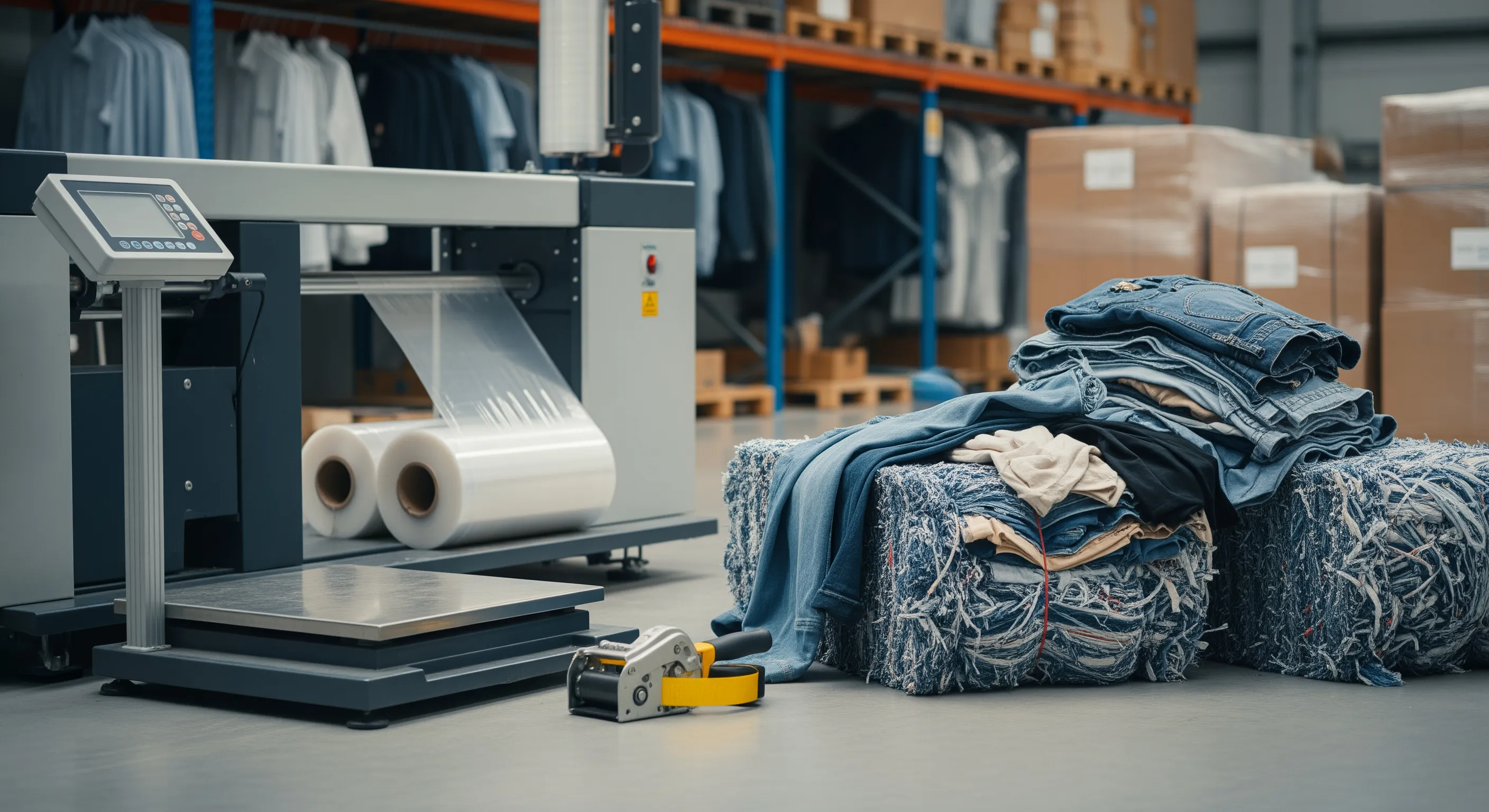
Identifying reputable sources for wholesale clothing bales is crucial for trade buyers. It's essential to select suppliers that prioritize quality control and transparency in their grading practices. As noted in studies regarding the second-hand clothing value chain, reliable grading and inspection processes can significantly influence the resale value of your inventory.
Establishing a strong relationship with suppliers is also vital. Visit warehouses physically, if possible, to get familiar with their operations and understand their quality metrics firsthand. The insights gained can lead to better negotiation terms and mutual benefit.
Grasping Clothing Grading Criteria
Understanding the grading criteria used by suppliers is paramount for successful wholesale transactions. The grading informs buyers about the condition of the clothing, which in turn affects their resale strategies. A comprehensive grasp of these grading systems can minimize returns and maximize profitability.
This insight allows trade buyers to calculate margins effectively while choosing the right products that align with their customer base. Buyers can refer to research on sustainable operation modes that discusses how proper inspection can enhance buying decisions.

Evaluating Sustainable Fashion Wholesale Options
Sourcing from suppliers who emphasize sustainability can provide significant marketing advantages. Many consumers are interested in purchasing from businesses that showcase their commitment to ethical practices. Buyers should identify suppliers participating in initiatives to enhance sustainability in the textile industry.
Analyzing reports such as the Preparatory study on textiles for product policy can aid in understanding industry standards and upcoming regulations impacting the sustainable fashion landscape.
Navigating Logistics for Wholesale Sourcing
Efficient logistics is paramount for B2B buyers in the second hand clothing sector. Delays in shipping or poor coordination can lead to loss of sales opportunities. Establishing open lines of communication with your suppliers regarding logistics can enhance the overall efficiency and reliability of your sourcing processes.
Understanding the shipping options and lead times will equip trade buyers with the necessary framework to anticipate incoming inventory, linking it directly to their marketing and sales strategies. Research insights, as demonstrated in the economic impact study on second-hand clothes, also emphasize the necessity of precise operational planning.
Mitigating Risks in Second Hand Clothing Trade
Mitigating risks associated with sourcing from secondary markets involves establishing systematic processes for quality assurance. Suppliers must provide clear grading systems and warranties for the clothing quality to reduce uncertainties in transactions. Furthermore, integrating claims processes can safeguard against defective merchandise.
Employing strategy frameworks from comprehensive industry reports, like the GreenCCircuit, can offer valuable insights into creating an effective risk management strategy in the second hand clothing market.
| Practical Risk | Cause | Mitigation |
|---|---|---|
| Quality Issues | Lack of proper grading | Demand detailed packing lists from suppliers |
| Inventory Shortages | Unpredictable shipping delays | Establish backup suppliers for reliability |
| Brand Reputation | Substandard products reaching customers | Implement strict return policies and inspections |
| Regulatory Non-Compliance | Government regulations impacting imports | Stay informed about changing regulations through research |
Unlock Cost Savings and Inventory Variety with Trusted UK Bulk Clothing Sourcing

For trade buyers who need consistent bulk supply and clear grading expectations, explore Original Secondhand at originalsecondhand.com. If you’d like a quick recommendation on the best fit for your business model, volumes, and export requirements, contact the team here: Contact Us.
Frequently Asked Questions
What should I consider when sourcing second hand clothing?
It's essential to understand grading systems, establish strong supplier relationships, and focus on sustainability.
Where can I find reliable suppliers for wholesale clothing?
Research online platforms, attend trade shows, and connect with industry networks to identify reputable suppliers.
How can I ensure quality standards in my purchases?
Demand detailed product descriptions and inspection options from suppliers.
Why is sustainability important in the second hand clothing market?
Sustainability attracts consumers and helps reduce textile waste, contributing to a more circular economy.