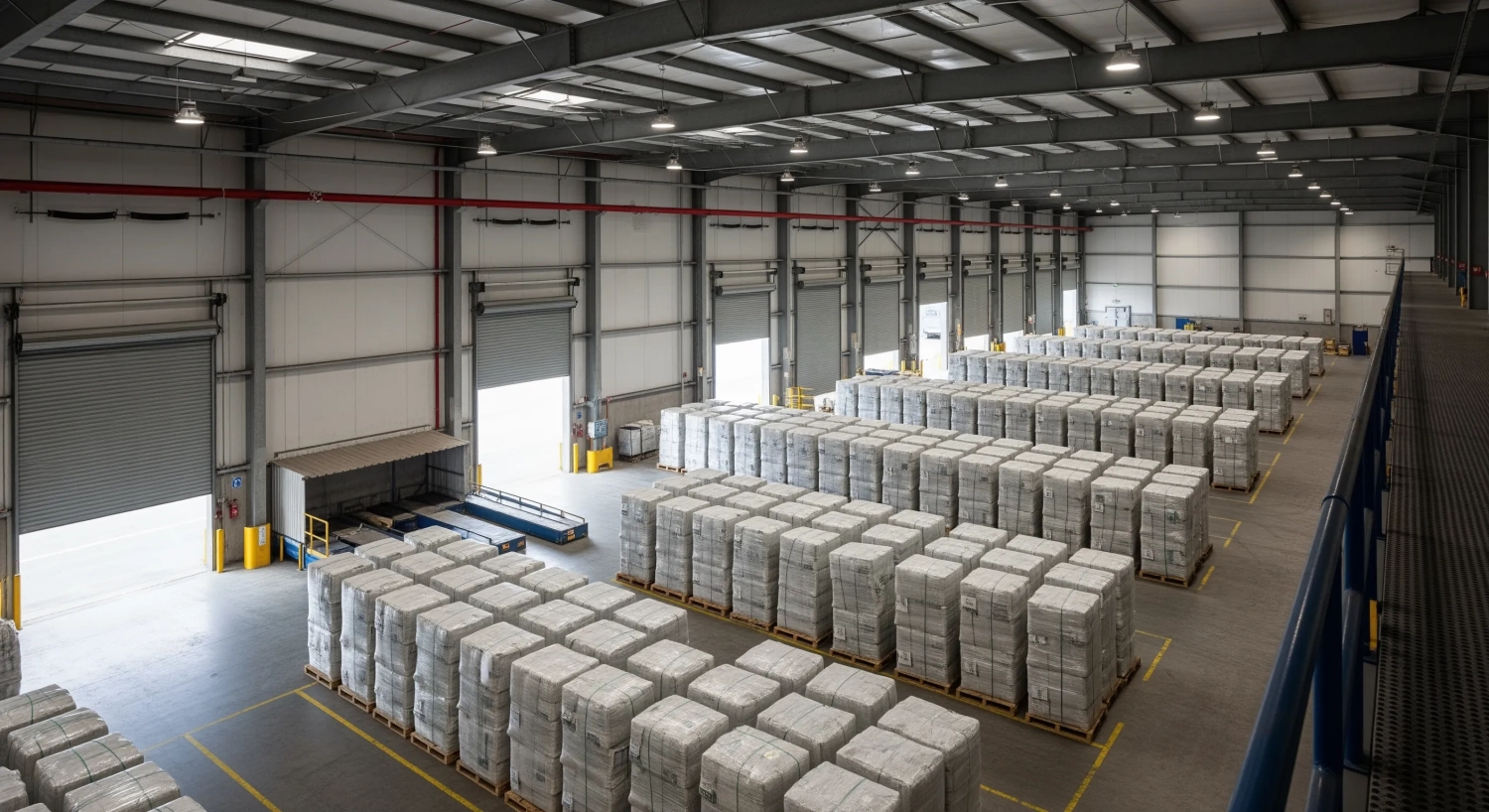
As a key player in the wholesale market for second-hand clothing, Original Secondhand is dedicated to offering reliable and cost-effective solutions for UK retailers, exporters, and resellers. The growing demand for sustainable fashion has fueled interest in used branded clothes wholesale, making it a viable option for businesses looking to enhance their offerings. This article explores the benefits, sourcing strategies, and operational considerations vital for successful engagement in the wholesale second-hand clothing market.
Table of Contents
- Impact on the Textile Industry
- Understanding Grading in Second-Hand Clothing
- Trade Advantages of Wholesale Used Clothing
- Operational Excellence and Logistics
- Sustainability Regulations and Market Trends
- Risk Management in Clothing Export
Key Takeaways
| Aspect | Description |
|---|---|
| Volume Considerations | Establish partnerships with suppliers to ensure consistent product availability. |
| Grading Signals | Implement clear grading practices to maintain quality assurance and identify product conditions. |
| Logistics Readiness | Assess logistics capabilities to streamline shipping processes for bales of used clothing. |
| Margin Discipline | Understand market fluctuations to manage pricing strategies effectively. |
Impact on the Textile Industry
The second-hand clothing sector plays a crucial role in the circular economy, contributing to resource conservation and waste reduction. Data shows that only a fraction of used clothing undergoes proper collection and recycling. According to European Circular Economy perspectives, the imports of used clothing highlight the potential for increased manual sorting capabilities, emphasizing the importance of this market.
This sector not only mitigates environmental impact but also presents opportunities for profit generation by repurposing quality branded apparel that would otherwise contribute to landfill waste.
Pro tip: Collaborate with trusted evaluators to ensure high-quality sorting of used garments for better resale value.
Understanding Grading in Second-Hand Clothing
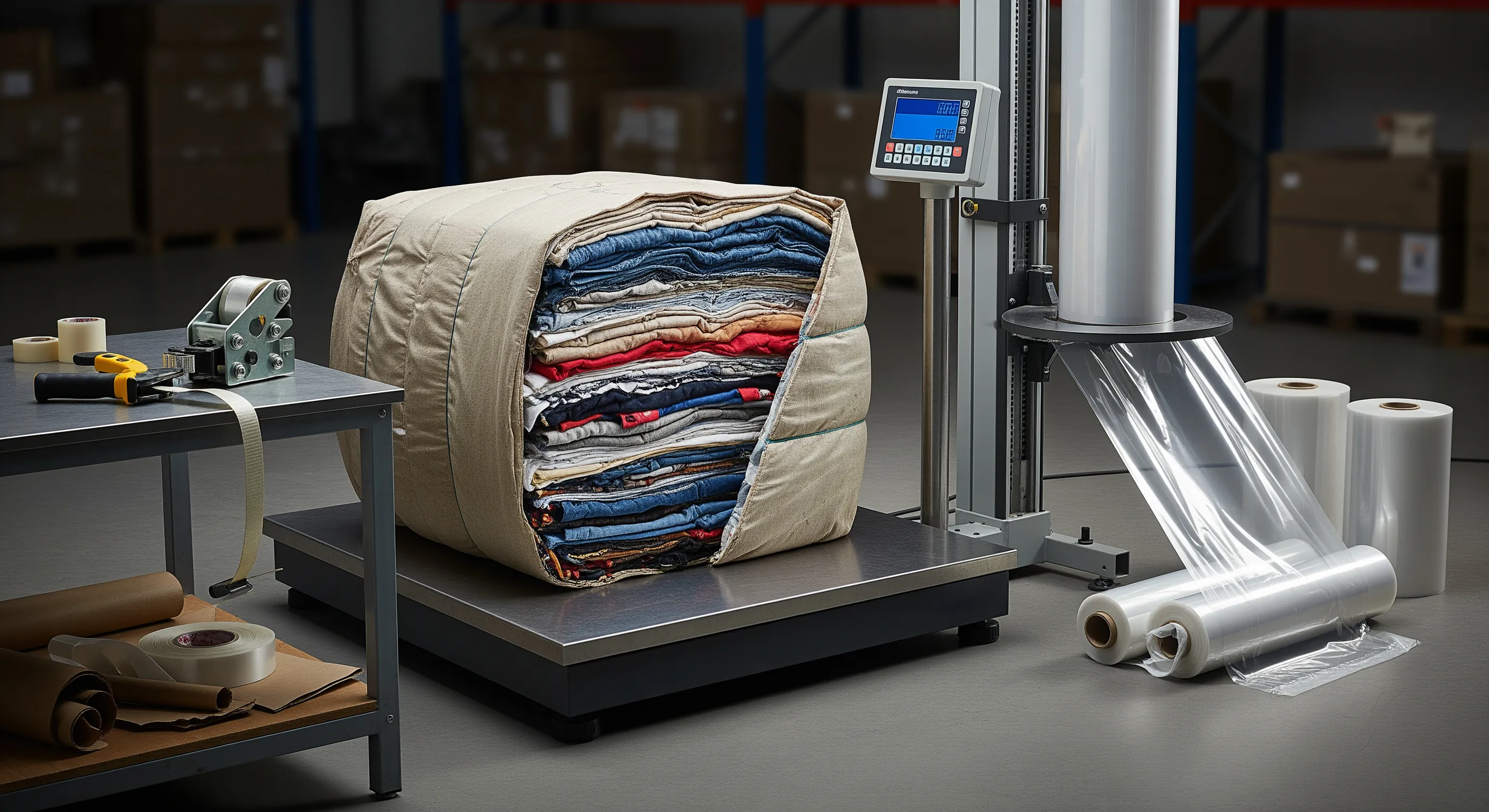
Grading second-hand clothes is vital for maintaining transparency and establishing buyer trust. Suppliers should clearly define grading standards, detailing the conditions and quality of each item. This practice helps set realistic expectations for trade buyers dealing with bulk second-hand clothing.
For instance, categorizing garments into grades such as "A-Grade" for near-new items and "B-Grade" for slightly used pieces can assist resellers in pricing and marketing effectively. The European Parliament report suggests that only a small percentage of used clothes are recycled, further stressing the need for effective grading practices.
Pro tip: Create a comprehensive grading guide to facilitate smooth transactions and set fair pricing.
Trade Advantages of Wholesale Used Clothing
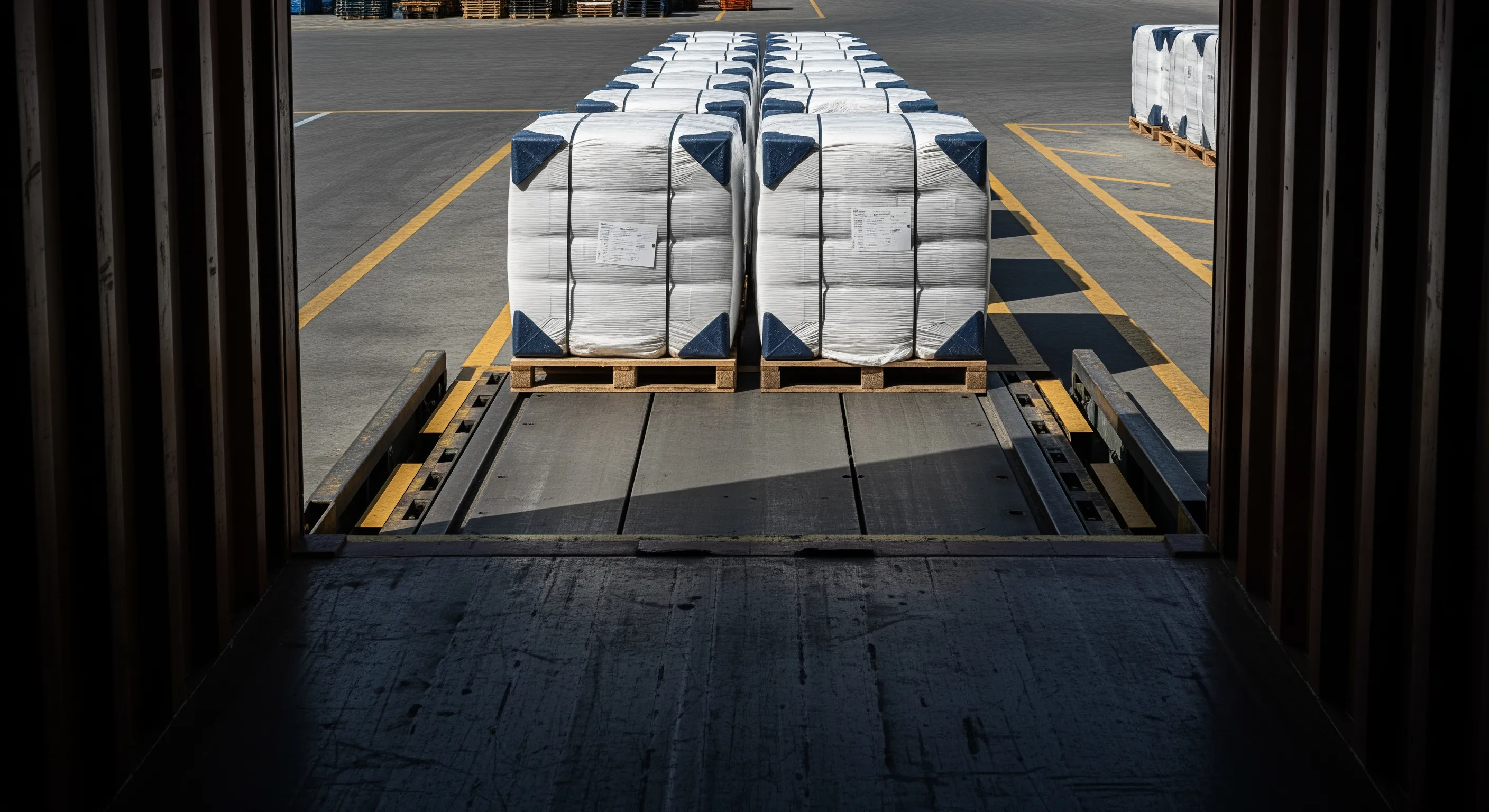
Wholesale used clothing presents numerous advantages, including lower purchasing costs and the ability to offer unique products that meet consumer demands for sustainability. The continuous influx of used textiles from various sources provides ample opportunities for businesses to engage with diverse markets.
According to a report on Dutch used textiles, around 248,000 tonnes of textiles were exported in 2022 alone, showcasing the global reach and potential of this market.
Pro tip: Research different markets to find lucrative niches for your second-hand clothing offerings.
Operational Excellence and Logistics
Efficient logistics and operational strategies are crucial for succeeding in the wholesale used clothing market. Businesses must develop a streamlined process for sorting, grading, and storing bales to ensure timely distribution to buyers.
Integration of technology in inventory management can enhance visibility and control, enabling suppliers to respond quickly to changing demand patterns.
Pro tip: Utilize software for inventory tracking to improve order fulfillment and minimize errors.
Sustainability Regulations and Market Trends
With increasing regulatory scrutiny on textile waste, understanding sustainability regulations is imperative for businesses in the second-hand clothing sector. The European report on sustainable fashion suggests regulations favoring the free trading of used clothing can greatly benefit the industry.
Monitoring market trends in sustainable fashion can help businesses align their strategies with evolving consumer expectations and regulatory requirements.
Pro tip: Stay informed about new regulations and trends to adapt your strategies accordingly.
Risk Management in Clothing Export
Managing risks in clothing export is critical as businesses face various challenges, including fluctuating market demands and shipping issues. Companies should develop comprehensive contingency plans that outline protocols in case of disruptions in supply chains.
Implementing a framework for identifying risks can help companies proactively mitigate potential issues. Regular assessments and updates to risk management strategies can further enhance resilience.
| Practical Risk | Cause | Mitigation |
|---|---|---|
| Supply Chain Disruptions | Global logistics issues | Diversify supplier base |
| Quality Control Issues | Inadequate sorting processes | Implement strict grading protocols |
| Market Demand Fluctuation | Changing consumer preferences | Research and adapt quickly |
| Regulatory Changes | New sustainability laws | Monitor regulations regularly |
Unlock Cost Savings and Inventory Variety with Trusted UK Bulk Clothing Sourcing

For trade buyers who need consistent bulk supply and clear grading expectations, explore Original Secondhand at originalsecondhand.com. If you’d like a quick recommendation on the best fit for your business model, volumes, and export requirements, contact the team here: Contact Us.
Frequently Asked Questions
What types of clothing can be found in wholesale second-hand bales?
Wholesale second-hand bales often contain a mix of branded apparel, seasonal items, and potentially unique finds.
What grading system should I use?
A clear grading system can classify items into different categories based on their condition, such as A, B, and C grades.
How can I ensure a steady supply of used clothing?
Building solid relationships with suppliers is key to securing a consistent flow of inventory.
What are the benefits of exporting used clothing?
Exporting used clothing provides access to international markets and can increase profit margins through bulk sales.