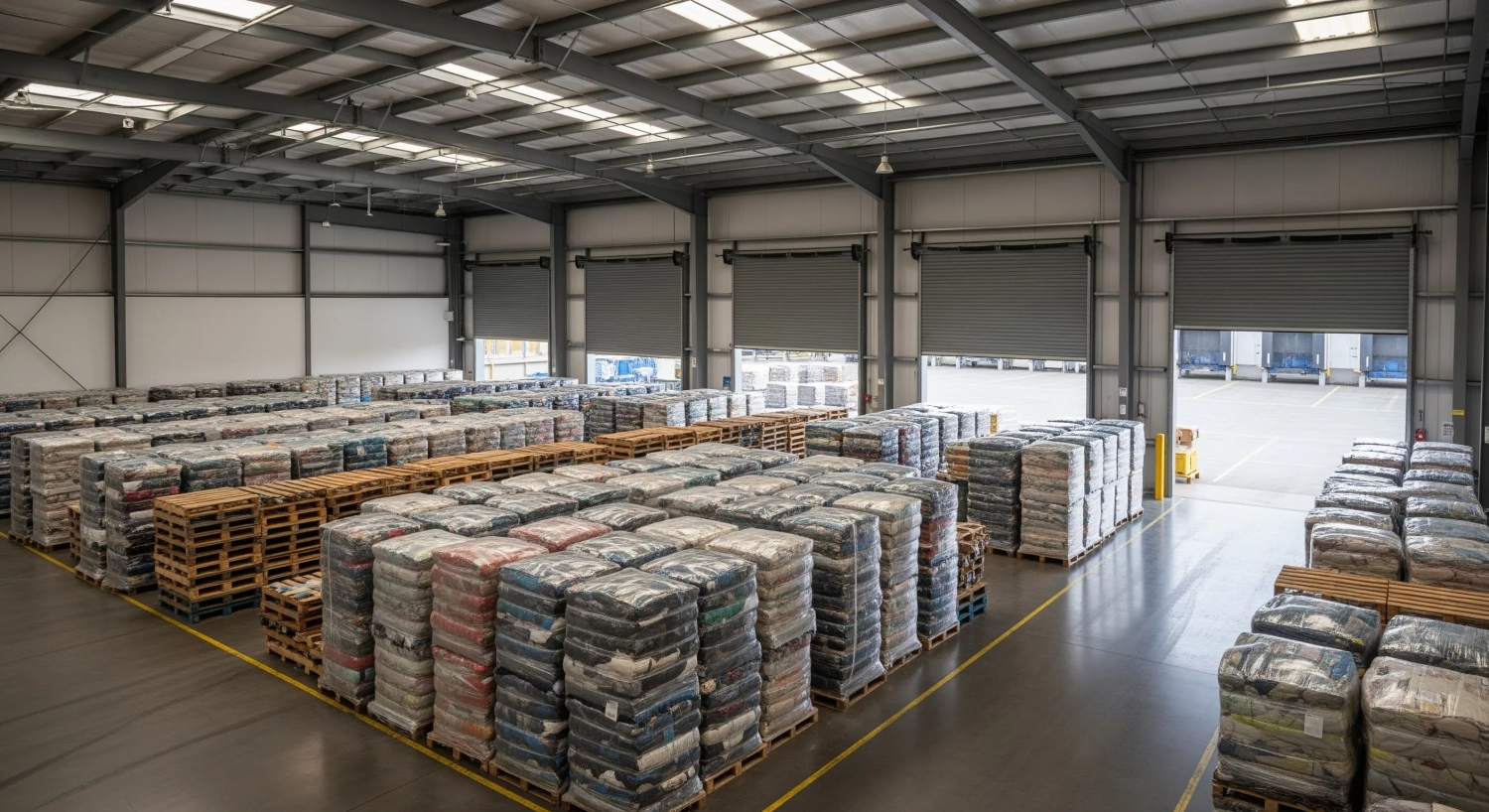
Delhi is a burgeoning hub for trade buyers seeking second-hand clothing, providing opportunities for exporters and resellers to enhance their inventory reliably. The city's diverse market allows access to bulk suppliers of second-hand clothing, making it essential for businesses to comprehend how to navigate sourcing, grading, and logistics particular to the region. This guide aims to equip B2B buyers with practical insights into purchasing second-hand clothes wholesale in Delhi, ensuring operational success.
Table of Contents
- Understanding the Market
- Sourcing and Suppliers
- Grading and Quality Control
- Logistics and Transportation
- Risk Management in Wholesale
- Strategies for Success
Key Takeaways
| Focus Area | Considerations |
|---|---|
| Minimum Order Quantities (MOQ) | Clarify with suppliers to optimize inventory and cash flow. |
| Grading Signals | Understand grading to manage quality expectations and customer satisfaction. |
| Logistics Readiness | Ensure logistics are in place for timely delivery and compliance. |
| Margin Discipline | Maintain consistent pricing strategies to manage profit margins effectively. |
Understanding the Market
The wholesale clothing market in Delhi is dynamic, characterized by a mix of traditional and modern trade practices. Importers often face the challenge of grading clothes based on quality and style, which significantly influences the resale value and marketability. Additionally, the demand for sustainable and eco-friendly clothing has surged, making second-hand clothes an attractive option for environmentally conscious buyers.
Developing a clear understanding of customer preferences and local market trends is crucial. Businesses must stay informed about the types of second-hand items in demand, the popular styles, and the overall economic environment that influences clothing sales. Engaging with trade shows or local networking events can provide valuable insights.
Pro tip: Regularly analyze sales data to identify changing trends, which will help you adjust inventory accordingly.
Sourcing and Suppliers
Finding reputable wholesale suppliers in Delhi is essential for consistent supply. Many suppliers specialize in unique offerings like second-hand bales, which provide a broad range of clothing items in bulk. It’s critical to vet suppliers based on their reputation, grading standards, and shipping practices.
Engaging directly with suppliers often provides better opportunities for negotiation and understanding their logistics capabilities. Establish strong relationships with at least two or three suppliers to ensure reliability. A diversified supply chain can mitigate risks associated with availability and quality.
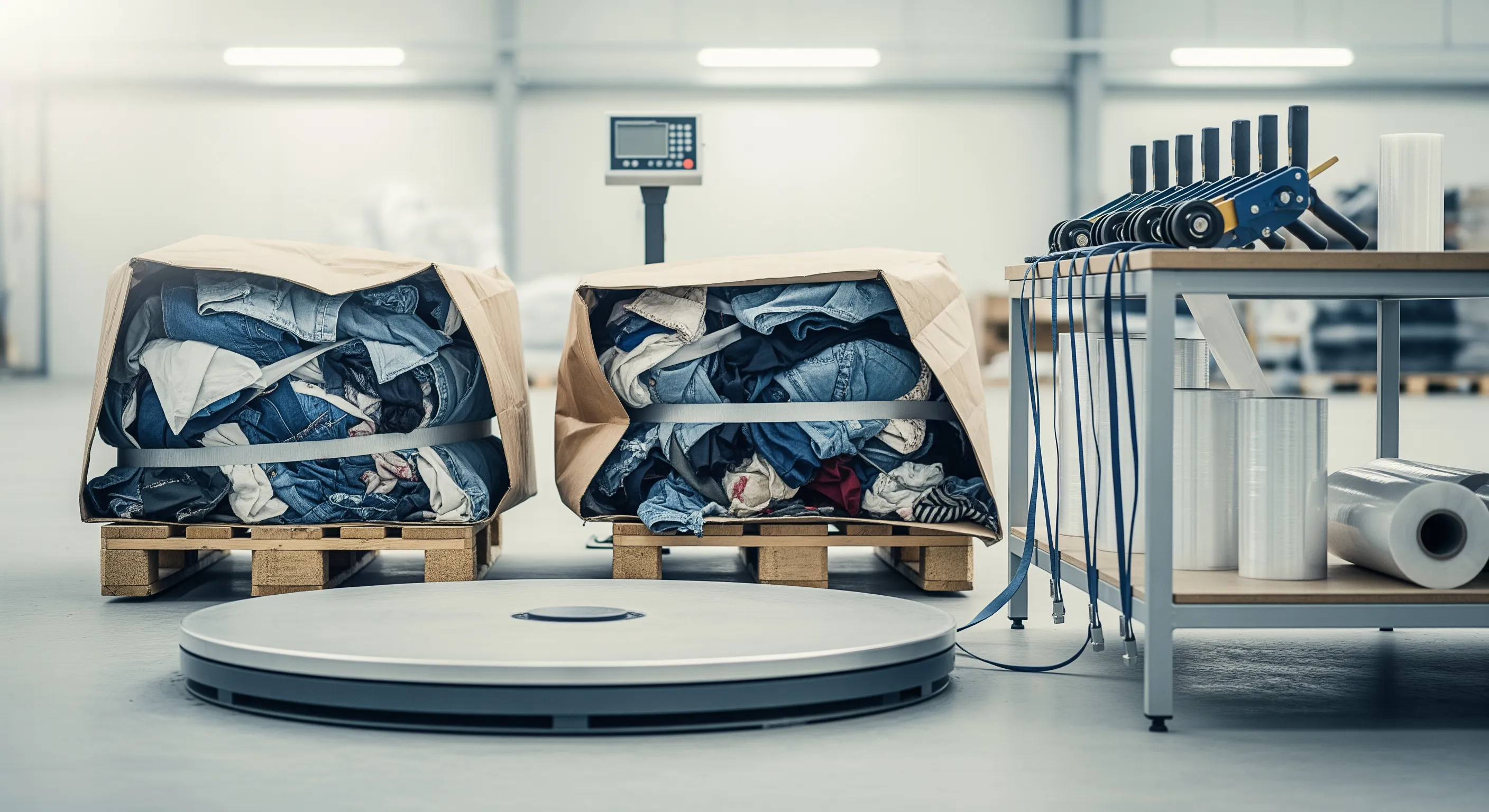
Pro tip: Develop a checklist to evaluate suppliers, including factors like compliance certifications and delivery timelines.
Grading and Quality Control
Grading second-hand clothes is vital for maintaining quality standards and customer satisfaction. Each supplier may use different grading systems, ranging from A (highest quality) to C or D (lower quality). This can impact pricing and the perceived value of the merchandise.
This demand for clarity in quality necessitates stringent quality control processes. Buyers should expect detailed packing lists and accurate descriptions to facilitate easier quality assurance. Implementing quality checks upon receipt can prevent future discrepancies.
Pro tip: Implement a standardized grading system for your records to help maintain quality consistency.
Logistics and Transportation
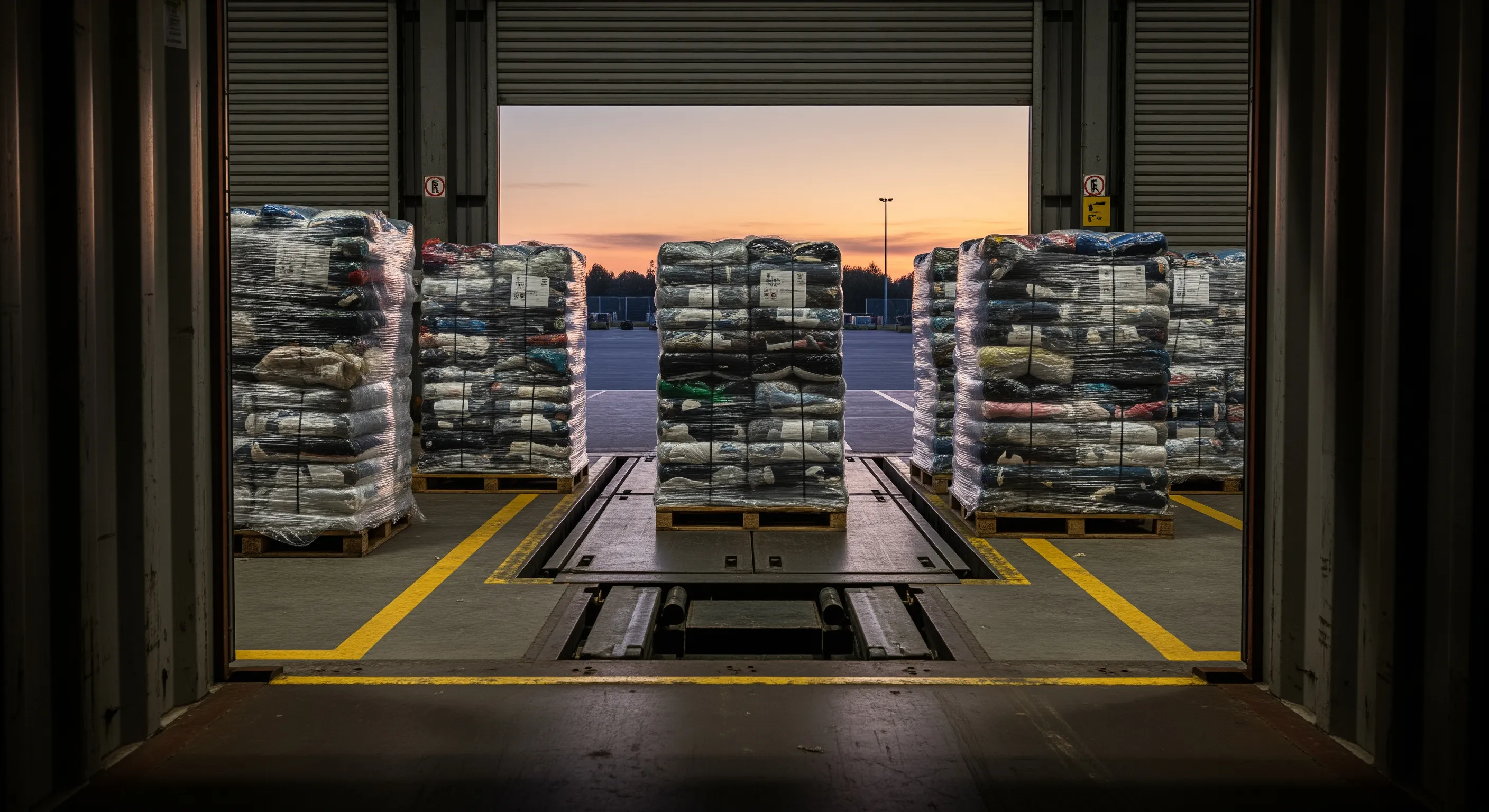
Efficient logistics and transportation are crucial components in managing second-hand clothing shipments. Understanding the available shipping methods and lead times ensures that products reach buyers timely. Many wholesalers in Delhi offer consolidated shipping options, which can lower costs and improve inventory turnover.
Considerations for exporting include compliance with local regulations and understanding any tariffs that may apply. Consulting with logistics experts can help navigate the complexities of international transportation.
Pro tip: Regularly consult with customs brokers to stay updated on changing regulations.
Risk Management in Wholesale
Engaging in wholesale clothing trade carries inherent risks, including quality discrepancies, delayed shipments, and unexpected costs. Developing a robust risk management strategy is essential for minimizing potential disruptions in your supply chain.
One practical approach is to create agreements that clearly define quality expectations and contingencies for unmet standards. Additionally, diversifying suppliers can reduce reliance on any single source, thereby mitigating risks.
| Risk | Cause | Mitigation |
|---|---|---|
| Quality Discrepancies | Variability in supplier grading | Implement strict QC processes upon receipt |
| Delayed Shipments | Logistical challenges or supplier issues | Establish backup suppliers |
| Unexpected Costs | Tariffs and shipping expenses | Budget for contingencies |
| Regulatory Issues | Changes in local laws | Regularly review compliance |
Pro tip: Maintain clear communication with suppliers and logistics partners to preemptively address potential issues.
Strategies for Success
To thrive in the second-hand clothing wholesale market, businesses must adopt strategies that focus on quality, reliability, and customer service. Establishing solid relationships with suppliers and remaining adaptable to market trends greatly influences long-term success.
Further, invest in marketing and brand development to communicate the value of your products effectively. Tailor offerings to different market segments to diversify your clientele, ensuring stability across different economic conditions.
Pro tip: Regularly gather feedback from customers to inform product offerings and service improvements.
Unlock Cost Savings and Inventory Variety with Trusted UK Bulk Clothing Sourcing

For trade buyers who need consistent bulk supply and clear grading expectations, explore Original Secondhand at originalsecondhand.com. If you’d like a quick recommendation on the best fit for your business model, volumes, and export requirements, contact the team here: Contact Us.
Frequently Asked Questions
What is the best way to assess second-hand clothing quality?
Pay attention to grading details and perform hands-on inspections if possible.
Can I negotiate prices with suppliers?
Yes, many wholesalers are open to negotiation on bulk orders.
How should I manage logistics for exports?
Work with logistics experts to ensure compliance and efficiency.
What types of clothes are most in-demand?
Current trends dictate varying demands; regularly review market data for insights.