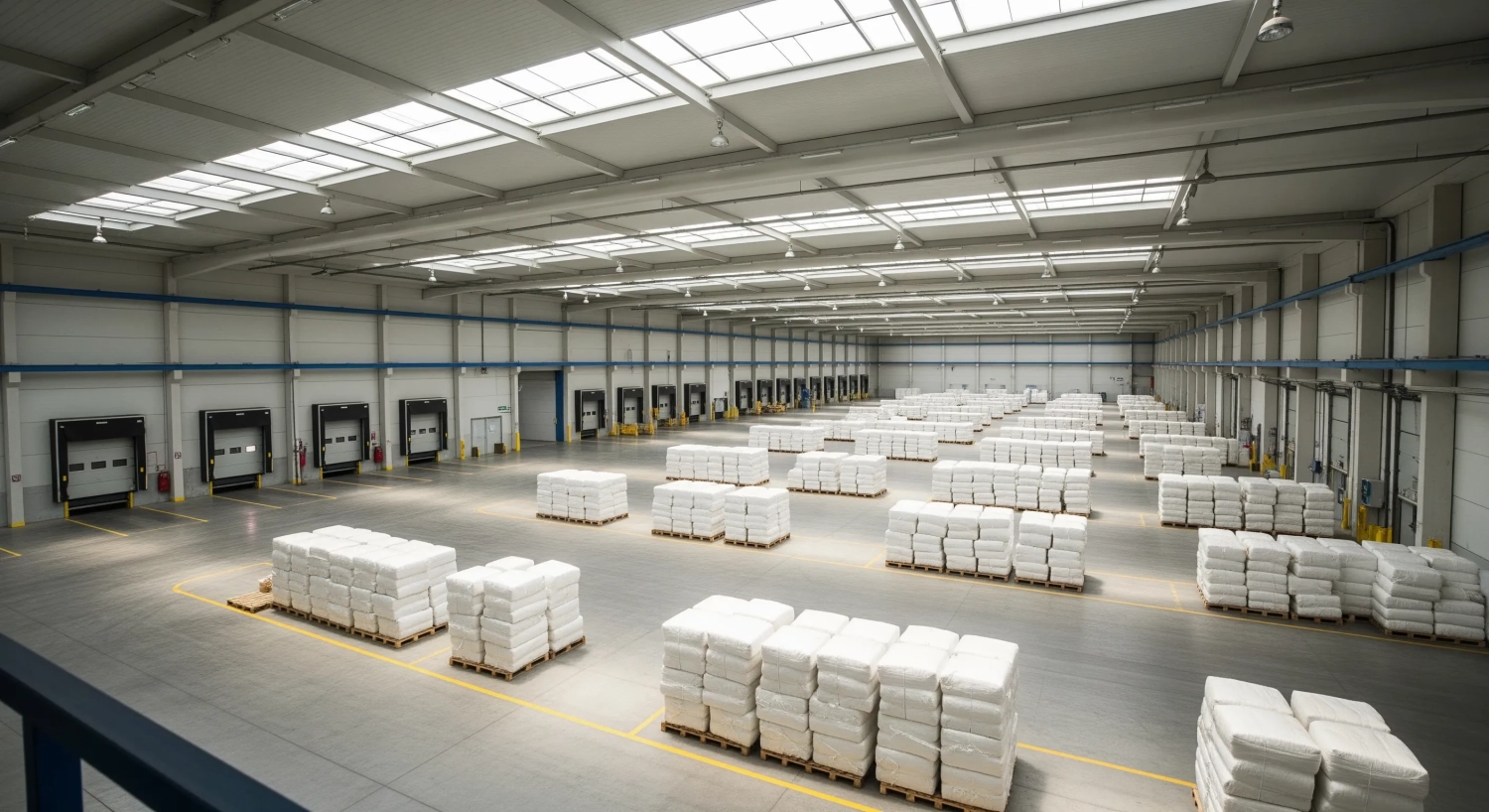
For B2B buyers focusing on sustainability, investing in second hand clothes wholesale from Italy represents a savvy business decision. Not only does this approach align with growing global trends toward responsible consumption, but it also offers exceptional opportunities for cost-effective sourcing. Italy boasts a rich textile heritage, presenting an ideal environment for obtaining quality secondhand clothing in bulk. The right supplier can ensure seamless export logistics, allowing businesses to diversify their inventory while maintaining high standards.
Table of Contents
- Why Choose Italian Second Hand Clothing?
- Finding Reliable Wholesalers
- Exploring Grading Standards
- Logistics and Shipping Considerations
- Risk Management in Bulk Sourcing
- The Benefits of Sustainable Sourcing
Key Takeaways
| Aspect | Consideration |
|---|---|
| Minimum Order Quantity (MOQ) | Define clear MOQ to mitigate risks associated with overstock. |
| Grading Signals | Utilize proper grading signals to ensure product quality and resale value. |
| Logistical Readiness | Ensure the wholesaler is prepared for timely shipping and handling. |
| Margin Discipline | Maintain margin discipline to preserve profitability throughout purchases. |
Why Choose Italian Second Hand Clothing?
Italian second hand clothing is renowned for its quality and style, providing a compelling choice for B2B buyers. The country has a long-standing tradition in fashion and textile production, which can translate into the durability and aesthetic appeal of the garments available in the wholesale market. Furthermore, the growing demand for sustainable fashion options underscores the value of sourcing from Italy.
Having a supplier in Italy opens the door to a diverse range of products that can cater to various market segments, ensuring that your offerings meet the tastes and preferences of your customers. Italian manufacturers often prioritize eco-friendly practices, balancing business efficiency with environmental responsibility.
Finding Reliable Wholesalers
Identifying trustworthy wholesalers is critical for maintaining consistent supply and ensuring quality. Engaging in thorough research and vetting potential partners is essential. Start by assessing their reputation in the industry, looking for direct references or testimonials that validate their reliability.
You may also explore industry trade shows or exhibitions in Italy, which can provide valuable insights into supplier capabilities and product quality. Building relationships with multiple suppliers can also help mitigate risks associated with dependence on a single source and increase flexibility in sourcing.
Exploring Grading Standards
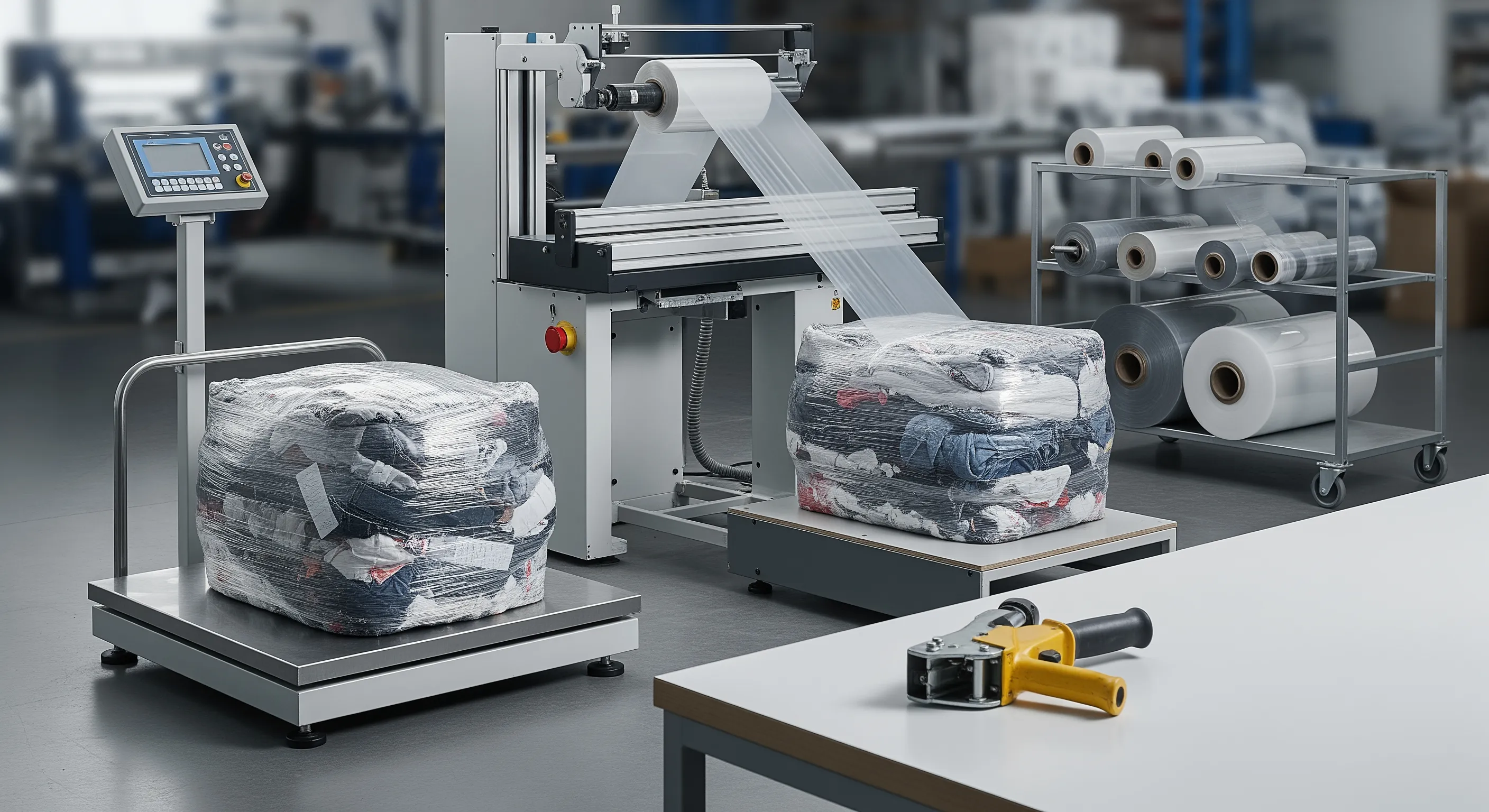
Understanding how secondhand clothing is graded is vital for B2B buyers aiming for transparency and quality assurance in their sourcing. Grading standards dictate the condition and quality of the garments, which directly affects their resale value. Familiarize yourself with the criteria often used in the grading process, such as wear and tear, brand reputation, and style relevancy.
By doing this, you can make informed decisions when placing bulk orders, ensuring that the products meet expectations and adequately serve your customer base. It’s beneficial to request sample packs when negotiating with suppliers as they can provide a tangible sense of the quality you can expect.
Logistics and Shipping Considerations
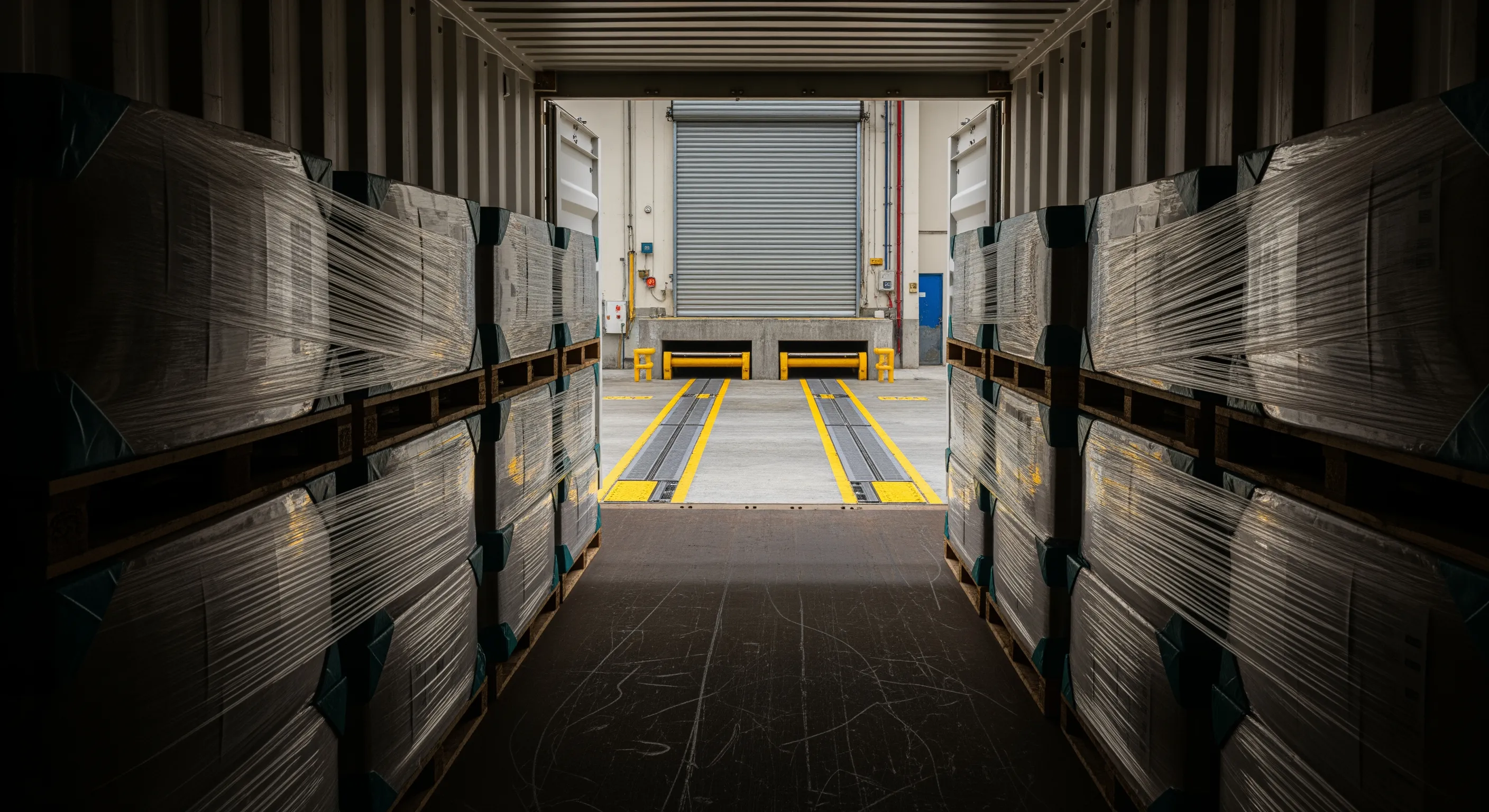
Import logistics play a significant role in the success of your second hand clothing business. Understanding shipping timelines, customs regulations, and transportation costs is crucial for seamless operations. Collaborating with seasoned logistics providers can optimize the shipping process and ensure compliance with regulations, increasing the reliability of your supply chain.
Effective planning can help you manage inventory levels that align with demand cycles, ultimately enhancing your profitability. Leverage technology solutions to track shipments and communicate effectively with logistics partners to mitigate disruptions.
Risk Management in Bulk Sourcing
Risk management is an essential aspect of sourcing bulk secondhand clothing. Understanding and identifying potential risks—such as overstock, fluctuating quality, and logistical challenges—can help you implement appropriate mitigation strategies. Properly forecasting demand based on market trends can reduce the chances of excess inventory, which can tie up capital.
Choosing multiple suppliers can also create a buffer against potential shortages or unexpected supply chain issues. Regular communication with your suppliers can facilitate quick resolution of any arising issues, and ensuring clear agreements on grading and quality expectations can protect your business interests.
| Practical Risk | Cause | Mitigation |
|---|---|---|
| Overstock | High Minimum Order Quantities (MOQs) | Regular demand analysis and flexible ordering. |
| Quality Fluctuations | Inconsistent grading standards | Negotiate specific grading criteria with suppliers. |
| Logistical Delays | Customs issues | Work with experienced freight forwarders. |
| Supply Chain Disruptions | Dependency on a single supplier | Diverse supplier base for flexibility. |
The Benefits of Sustainable Sourcing
Sourcing second hand clothing contributes positively to sustainability efforts within the fashion industry. It reduces waste and encourages a circular economy where products are reused rather than discarded. For B2B buyers, embracing sustainability can enhance your brand image and customer loyalty. More consumers are making purchasing decisions based on ethical considerations, resulting in a competitive advantage in the marketplace.
Establish solid partnerships with suppliers who align with your sustainability goals. This will ensure that your sourcing practices are not only ethical but also resonate with your target market’s values, boosting your overall business success.
Unlock Cost Savings and Inventory Variety with Trusted UK Bulk Clothing Sourcing

For trade buyers who need consistent bulk supply and clear grading expectations, explore Original Secondhand at originalsecondhand.com. If you’d like a quick recommendation on the best fit for your business model, volumes, and export requirements, contact the team here: Contact Us.
Frequently Asked Questions
What is the process for sourcing secondhand clothes in bulk?
The process involves finding reliable suppliers, assessing grading standards, and managing logistics for shipping.
How can I ensure product quality?
Negotiate grading criteria with suppliers and request sample packs to evaluate their offerings.
What are the logistics considerations in importing secondhand clothing?
Key considerations include shipping timelines, customs regulations, and transportation costs.
How does sustainable sourcing affect my business?
Sustainable sourcing can enhance brand image, attract more customers, and support better business practices.