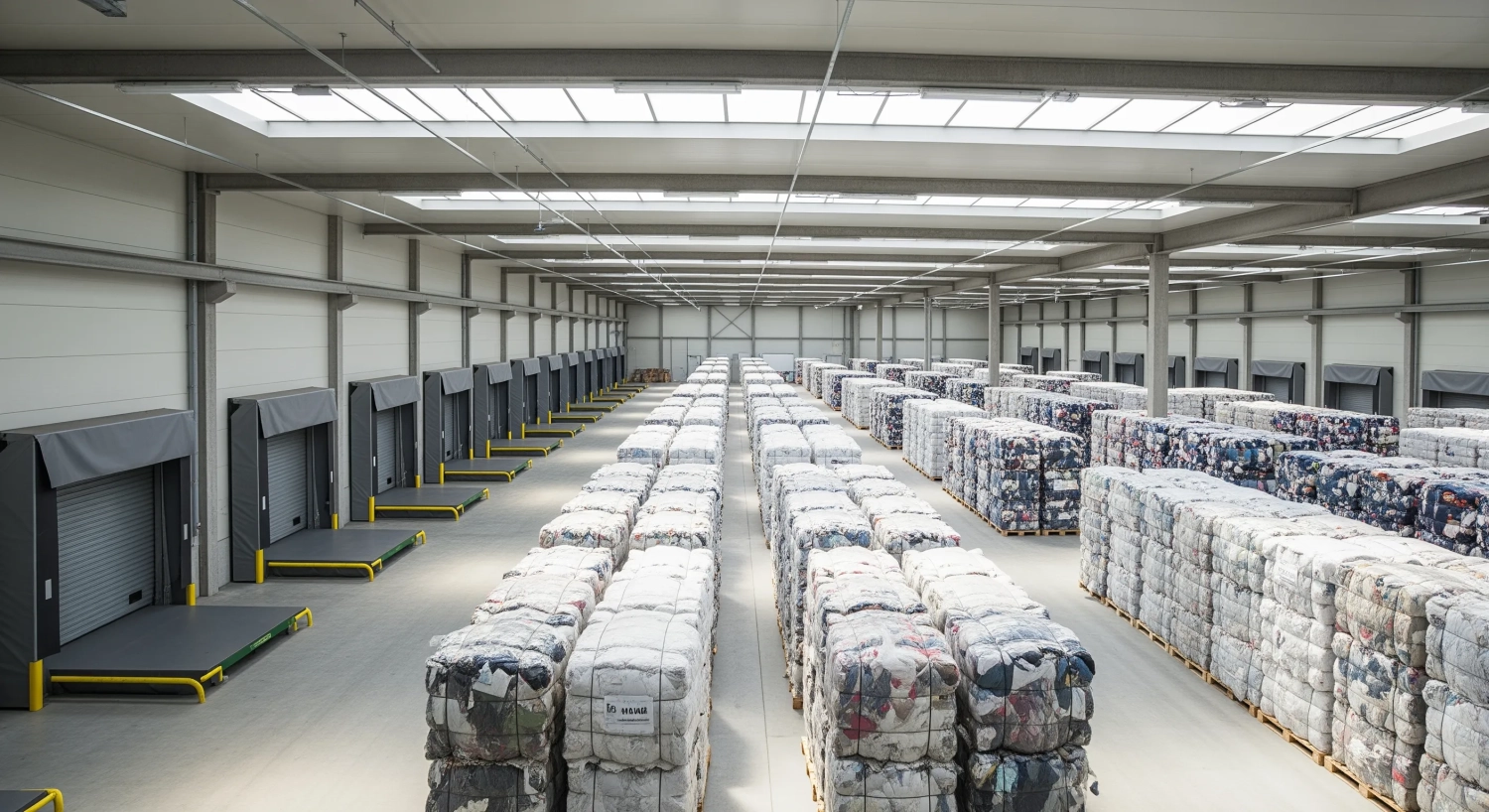
When considering the wholesale market for second hand clothes, the Netherlands emerges as a prominent hub for B2B trading. This nation's systematic approach to sourcing, grading, and exporting secondhand clothing presents unique opportunities for UK-based resellers and exporters. By choosing the right wholesale partner, businesses can secure consistent supplies that align with market trends and consumer demand, thus maximizing profitability and sustainability.
Table of Contents
- Understanding the Netherlands Wholesale Secondhand Market
- Quality and Grading in Second-Hand Clothing
- Logistics and Shipping Options from Netherlands
- Environmental Impact and Sustainability
- Risk Management in Wholesale B2B Trading
- The Future of the Second-Hand Clothing Market in Europe
Key Takeaways
| Aspect | Considerations |
|---|---|
| MOQ and Bulk Sourcing | Establish clear minimum order quantities that match your inventory capabilities. |
| Grading Signals | Utilize specific grading classifications to inform buyers about quality expectations. |
| Logistics Readiness | Ensure shipping and handling processes are pre-defined and meet timely delivery needs. |
| Risk Control | Implement strategies to mitigate potential issues in quality and supply chain integrity. |
Understanding the Netherlands Wholesale Secondhand Market
The Netherlands is characterized by a well-organized wholesale secondhand industry, leveraging centuries of trading expertise. As highlighted in the study on the garment trades in Antwerp and Ghent, the Dutch infrastructure supports a robust system for sourcing quality textiles.
This market not only focuses on traditional garments but also encompasses newer trends such as vintage and retro styles. With its strategic location in Europe, the Netherlands serves not just domestic but also international markets, making it an essential supplier for B2B buyers in the UK.
Quality and Grading in Second-Hand Clothing
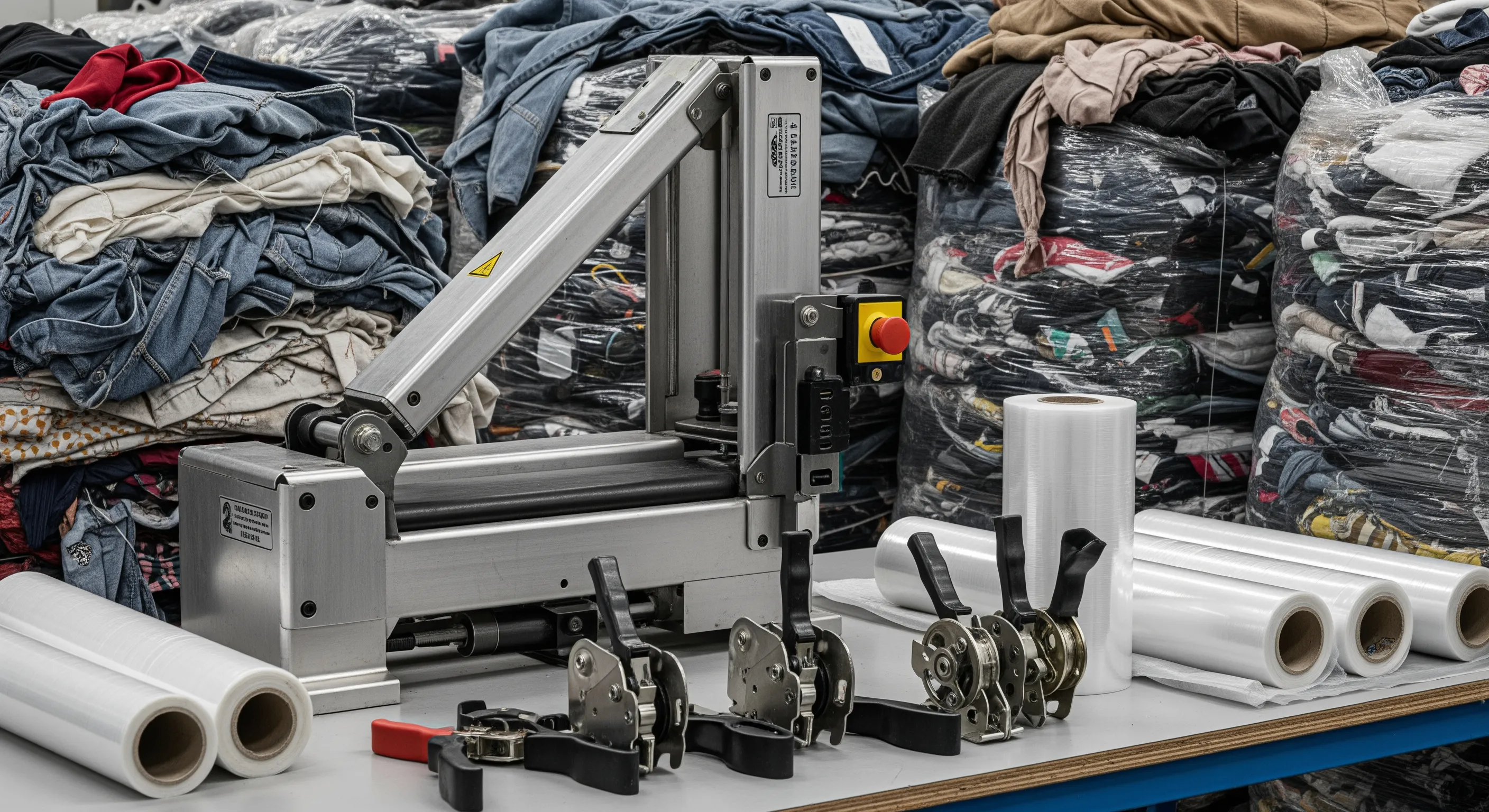
Grading secondhand clothing is crucial for ensuring consistent quality and meeting buyer expectations. The framework for classification is often set by wholesalers, and adherence to established standards is essential. As outlined in the report by MDPI on the international second-hand clothing trade, clear grading signals help traders navigate quality expectations.
For UK buyers, understanding these grading criteria can help streamline procurement processes and minimize returns. Connecting with reliable wholesalers who can provide accurate grading and quality assessments is vital for maintaining customer satisfaction.
Logistics and Shipping Options from Netherlands
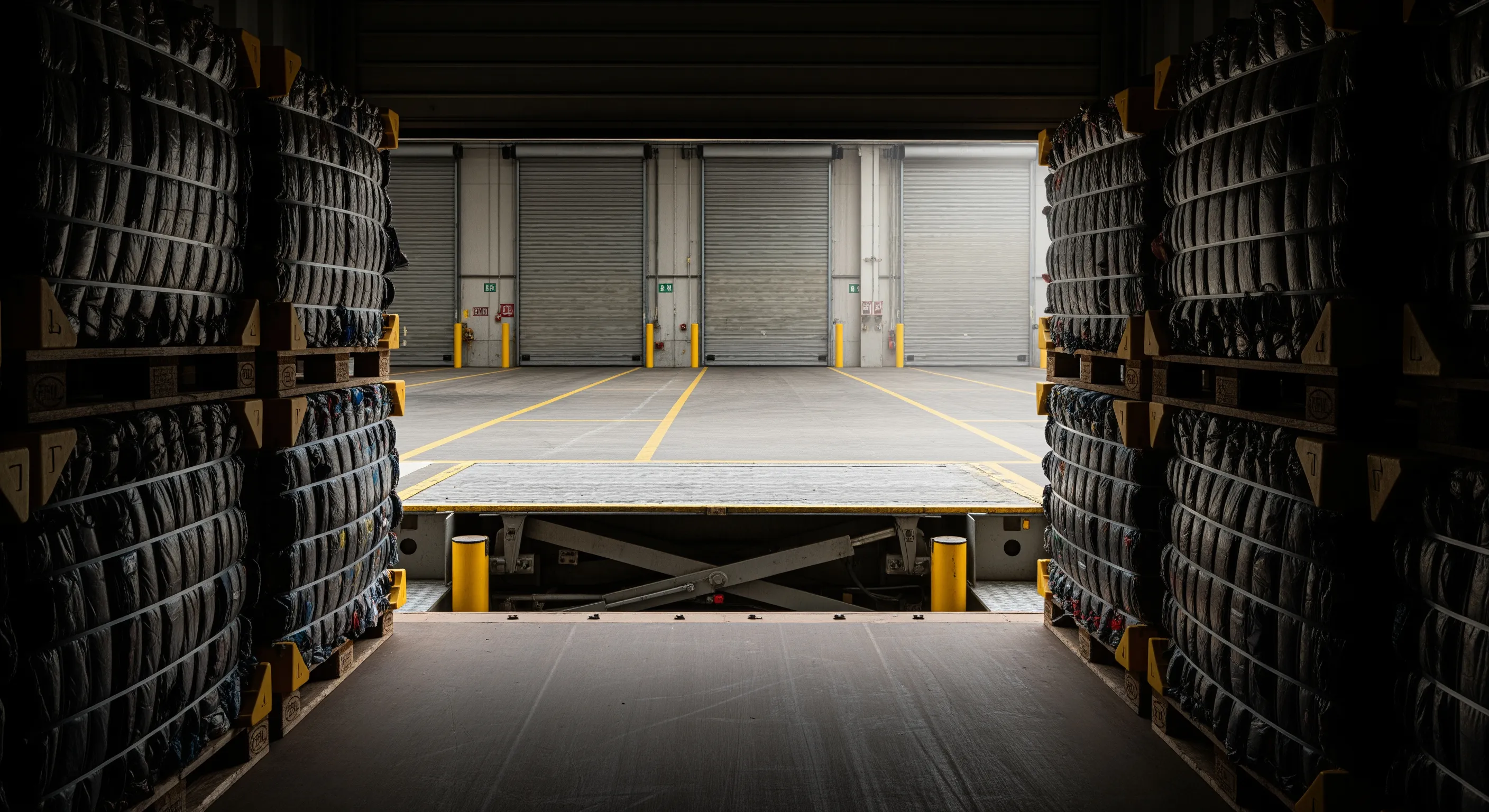
The logistical framework in the Netherlands is sophisticated, facilitating efficient shipping methods for bulk secondhand clothing. Various options are available, including direct shipping containers for export, which can simplify the process for UK businesses. Research and insights on the logistics sector can be found in the publication titled Towards a Circular Economy, which explores the role of Dutch logistics in supporting sustainable trade.
Additionally, forming partnerships with experienced freight forwarders and logistics companies can enhance efficiency, reduce costs, and ensure compliance with import/export regulations.
Environmental Impact and Sustainability
The secondhand clothing trade plays a significant role in promoting sustainability. According to recent reports, EU exports of used textiles contribute towards the circular economy by reducing waste and encouraging recycling initiatives.
Moreover, understanding the environmental perspective is crucial for corporations as they develop strategies that align with sustainability goals. The findings in the circular economy perspectives in the EU textile sector provide valuable insights into the ongoing evolution of clothing consumption.
Pro tip: Regularly review the latest trends in sustainability, as these can affect your sourcing strategies.
Risk Management in Wholesale B2B Trading
Managing risks effectively is a paramount concern in wholesale B2B trading. Accusations about the impact of cheap second-hand clothing on local industries can create complications. Reference the EU Impact Assessment Report for an in-depth analysis of these issues.
Adopting a proactive risk management strategy involves identifying potential challenges and formulating responses to mitigate them. This can include quality assessments, ensuring transparent supply chains, and adhering to regulatory standards.
Pro tip: Engage with industry networks to share insights and practices for risk mitigation.
The Future of the Second-Hand Clothing Market in Europe
The future of the secondhand clothing market in Europe looks promising, with projections indicating ongoing growth. The Netherlands, as one of the top exporters of used textiles, is set to play a critical role according to recent data on destinations of Dutch used textiles.
As trends evolve, businesses that adopt forward-thinking strategies and remain agile will likely thrive in this sector. Staying updated on innovations and shifts in consumer behavior will be essential for sustained success.
Pro tip: Monitor regulatory changes and market trends to adapt your sourcing and sales strategies accordingly.
Unlock Cost Savings and Inventory Variety with Trusted UK Bulk Clothing Sourcing

For trade buyers who need consistent bulk supply and clear grading expectations, explore Original Secondhand at originalsecondhand.com. If you’d like a quick recommendation on the best fit for your business model, volumes, and export requirements, contact the team here: Contact Us.
Frequently Asked Questions
What are the benefits of sourcing second hand clothing from the Netherlands?
The Netherlands has a well-structured market with a strong focus on quality and sustainability, making it an ideal sourcing location.
How can I ensure the quality of second hand garments?
Understanding the grading system and partnering with reputable wholesalers are essential steps to maintain quality standards.
What logistics solutions are available for exporting second hand clothes?
Various logistics companies offer shipping options tailored to bulk secondhand clothing exports, including container shipping.
How does sourcing second hand clothes contribute to sustainability?
By reducing textile waste and promoting recycling, sourcing secondhand clothing supports environmental sustainability initiatives.