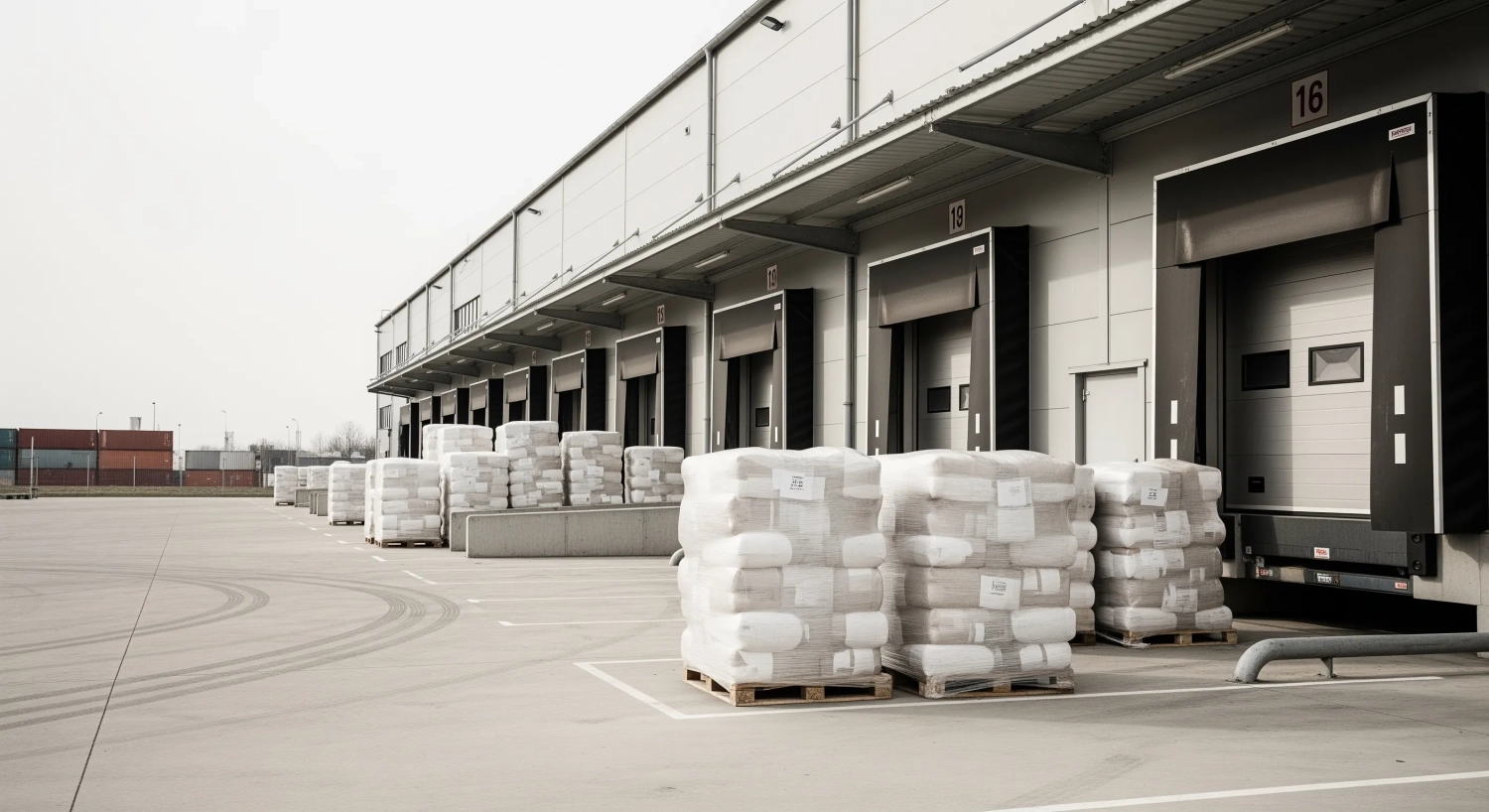
In the evolving landscape of the UK wholesale market, sourcing second-hand clothing from Poland presents significant opportunities for B2B buyers. With a variety of merchandise available, trade buyers can tap into a reliable source of quality bulk clothing. Polish suppliers are known for their efficient grading systems and well-prepared shipping options, enabling businesses to meet their supply needs effectively while also considering sustainability. This article explores the landscape of second-hand clothes wholesale Poland, emphasizing its advantages for trade buyers.
Table of Contents
- Understanding the Polish Second-Hand Clothing Market
- Benefits of Sourcing Second-Hand Clothing from Poland
- Grading Systems for Second-Hand Clothes
- Logistics and Shipping Considerations
- Risk Mitigation in Efficient Sourcing
- The Future of Polish Clothing Export
Key Takeaways
| Consideration | Insight |
|---|---|
| Minimum Order Quantities | Assess volume requirements based on supplier conditions to manage stock levels effectively. |
| Grading Signals | Understand the grading provided for second-hand clothing to ensure it meets your retail standards. |
| Logistics Readiness | Choose suppliers with efficient logistics to streamline the importing process. |
| Claim Control | Establish clear communication channels to handle any claims promptly. |
Understanding the Polish Second-Hand Clothing Market
Poland has emerged as a key player in the second-hand clothing market, characterized by its robust supply chains and established textile processing industries. For B2B buyers, sourcing from Poland means accessing a reliable hub where high-quality, gently-used garments are sorted and graded before export. Polish suppliers offer diverse categories from everyday wear to vintage and high-end items, catering to different market segments.
Moreover, the Polish second-hand market has been thriving, supported by both local demand and export opportunities. Many wholesale suppliers operate extensive warehouses, ensuring that they can meet bulk orders efficiently. This consistency is crucial for businesses looking to expand or stabilize their inventory.
Pro tip: Establish relationships with multiple Polish suppliers to diversify your sourcing and minimize risks associated with single supplier dependence.
Benefits of Sourcing Second-Hand Clothing from Poland
One of the prime advantages of sourcing second-hand clothing from Poland is the competitive pricing structure. Polish wholesalers typically offer favorable rates, especially for bulk orders, which can significantly enhance profit margins for resellers. Furthermore, the cultural appreciation for recycling and sustainability in Poland aligns with the broader global trend towards ethical consumerism.
Additionally, many Polish suppliers adhere to strict quality control processes. By implementing comprehensive grading systems, they ensure that only the best items are shipped out, mitigating the risk of unsellable inventory for buyers. This focus on quality aids in building trust between buyers and suppliers.
Pro tip: Analyze the pricing models of various suppliers to identify opportunities for negotiations that can lead to better rates.
Grading Systems for Second-Hand Clothes
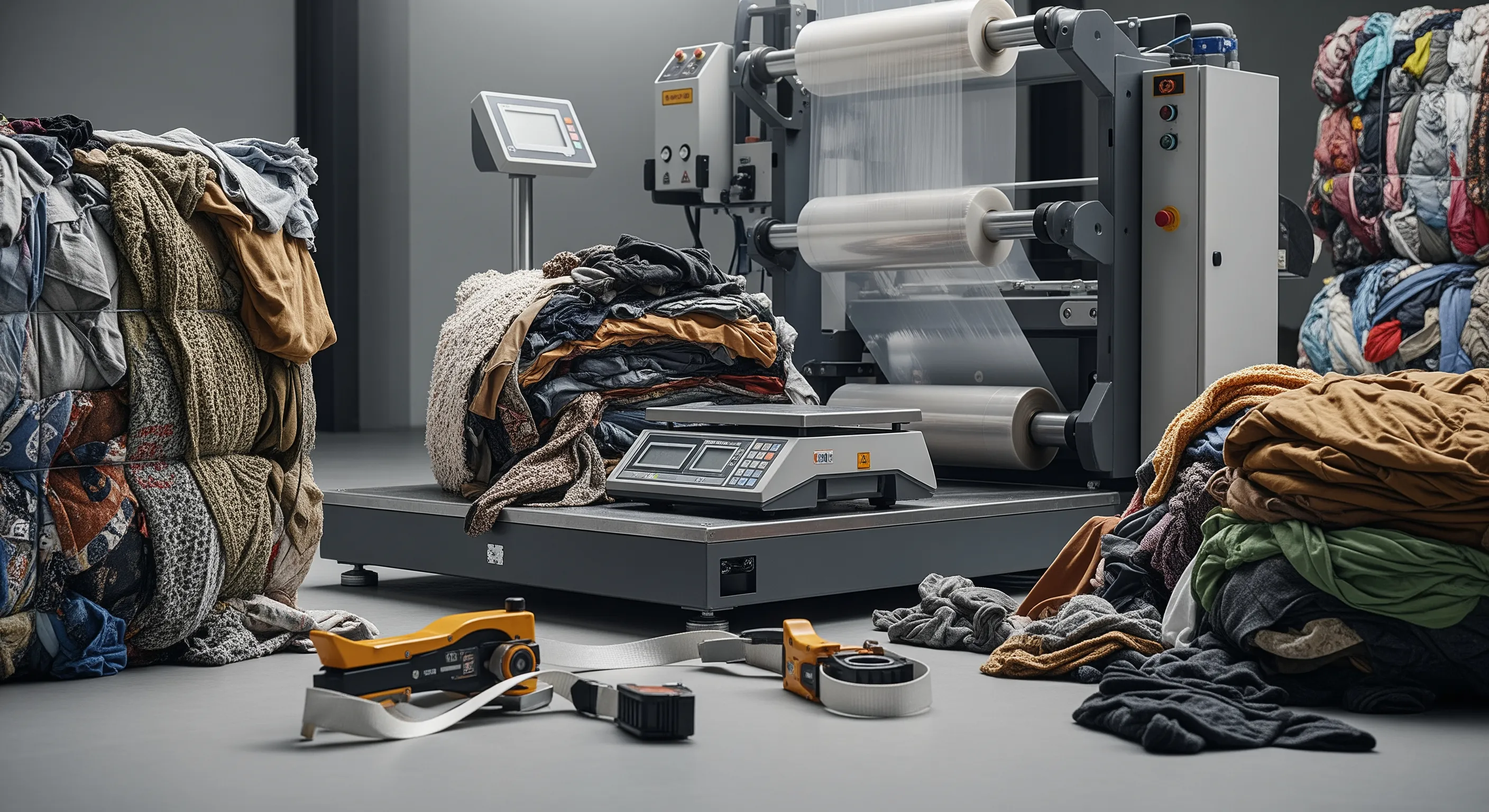
Understanding grading systems is essential for B2B buyers looking to source second-hand clothes. Each supplier may have their own criteria, typically categorized into several levels such as 'A', 'B', and 'C', indicating the condition of the items. This transparency in grading assists buyers in making informed purchasing decisions tailored to their market needs.
A rigorous grading system also enables efficient inventory management. By categorizing clothes appropriately, suppliers can streamline processes during the sorting and shipping phases. Buyers receive clear expectations about the quality of the bulk items they will receive, reducing the potential for returns based on misunderstandings.
Pro tip: Request detailed grading reports from suppliers to familiarize yourself with their grading standards and ensure alignment with your business's quality expectations.
Logistics and Shipping Considerations
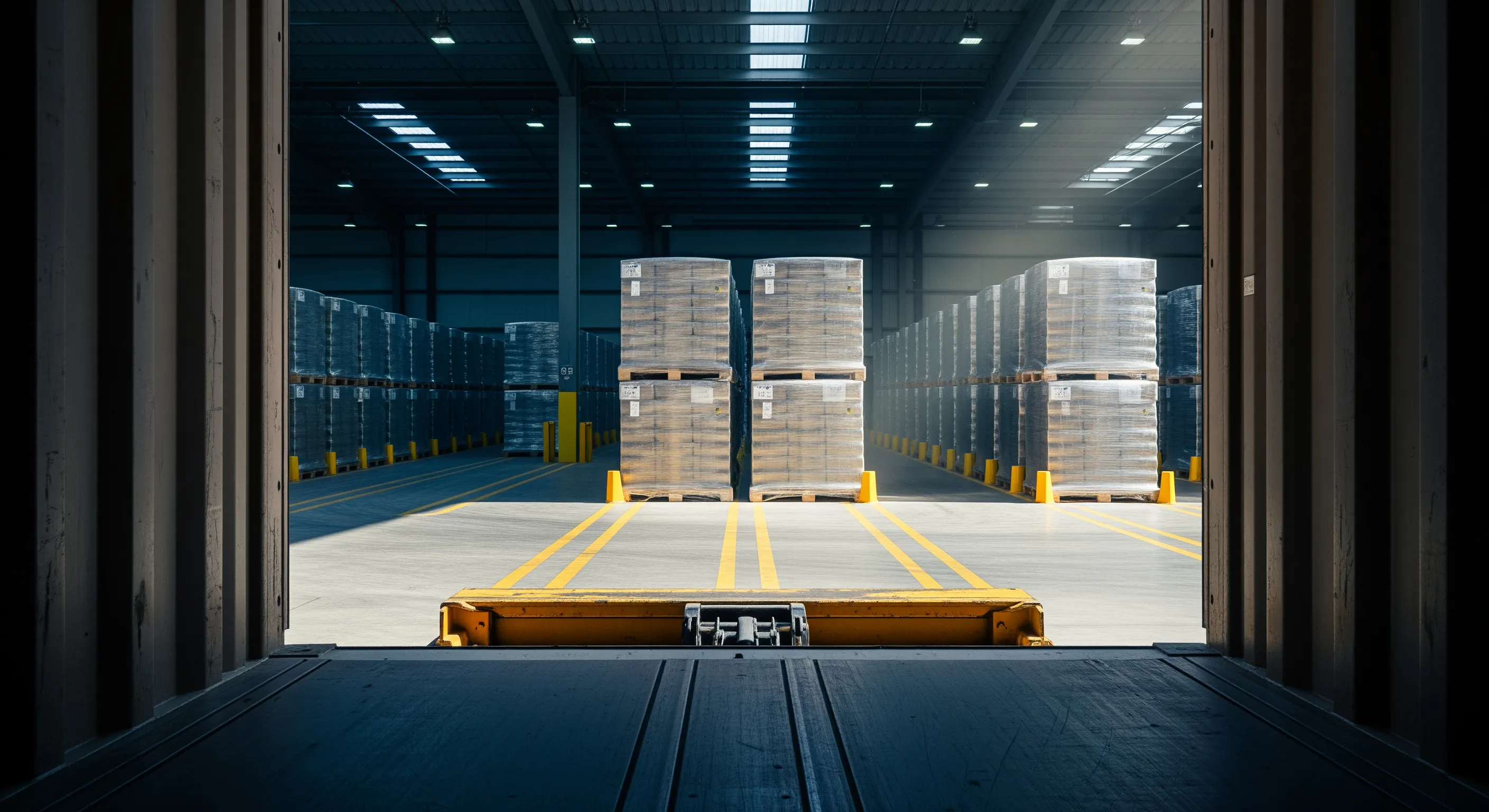
Efficient logistics are critical in the wholesale clothing industry, particularly when importing from abroad. Polish suppliers are known for their well-established logistics networks, making the shipping process more reliable for B2B buyers. Verification of logistics capabilities helps in estimating lead times and managing stock levels.
When considering shipment methods, assess the costs and timeframes associated with different transport options. Faster shipping might be preferred, but it often incurs higher costs. Therefore, buyers must balance speed and budget to optimize their sourcing strategy.
Pro tip: Consider consolidating shipments when ordering from multiple suppliers to potentially lower shipping costs.
Risk Mitigation in Efficient Sourcing
In the dynamic landscape of wholesale trade, risk management is paramount. B2B buyers should implement risk mitigation strategies such as diversifying their supplier base and establishing clear communication channels with suppliers. This approach not only minimizes supply chain disruptions but also enhances responsiveness to market demands.
Another effective risk strategy is to prioritize suppliers with proven track records in quality assurance and shipment reliability. Conducting regular assessments and maintaining feedback loops can significantly alleviate issues related to merchandise quality and delivery timelines.
| Risk | Cause | Mitigation |
|---|---|---|
| Quality Issues | Lack of proper grading | Request sample bales before large orders. |
| Delivery Delays | Poor logistics coordination | Engage in regular communication with suppliers. |
| Inconsistent Supply | Over reliance on single suppliers | Diversify supplier base for better stability. |
| Market Fluctuations | Changing demand patterns | Conduct regular market research to stay informed. |
The Future of Polish Clothing Export
As the demand for sustainable and ethically sourced clothing continues to grow, Poland's position as a wholesale supplier of second-hand clothes is expected to strengthen. The country is likely to evolve its offerings, incorporating more diverse products that meet international market standards.
Investment in technology and innovation will further enhance the capabilities of Polish suppliers, streamlining processes from sorting to shipping. This evolution will not only benefit local businesses but also enhance the overall reliability and efficiency of the export market.
Pro tip: Stay updated on trends in sustainability practices, as they can influence sourcing decisions and enhance your brand’s appeal.
Unlock Cost Savings and Inventory Variety with Trusted UK Bulk Clothing Sourcing

For trade buyers who need consistent bulk supply and clear grading expectations, explore Original Secondhand at originalsecondhand.com. If you’d like a quick recommendation on the best fit for your business model, volumes, and export requirements, contact the team here: Contact Us.
Frequently Asked Questions
What are the benefits of importing second-hand clothes from Poland?
Importing from Poland offers competitive pricing, a variety of quality grades, and a strong logistics network, making it an attractive choice for businesses.
How does the grading system work for second-hand clothes?
Grading typically ranges from 'A' to 'C', indicating the condition of the garments. This helps buyers make informed purchasing decisions.
What should I consider when assessing suppliers?
Evaluate suppliers based on their quality assurance practices, logistics capabilities, and customer feedback to ensure reliability.
How can I mitigate risks when sourcing second-hand clothes?
Diversifying your supplier base and maintaining clear communication are key strategies to minimize risks in sourcing.