For B2B buyers in the UK seeking quality vintage garments, the wholesale market offers an expansive variety of second-hand clothing options. Sourcing these items in bulk can enhance inventory diversity and foster sustainable business practices while meeting customer demands for unique apparel. At Original Secondhand, we focus on streamlining the procurement process for trade buyers. This allows businesses to benefit from advantageous pricing structures and efficient logistics.
Table of Contents
- Understanding the Demand for Vintage Garments
- Benefits of Sourcing Vintage Clothing Wholesale
- Grading and Quality Control Practices
- Logistics and Preparation for Export
- Risk Mitigation in Sourcing Vintage Clothing
- The Sustainability Aspect of Second-Hand Clothing
Key Takeaways
| Considerations | Best Practices |
|---|---|
| Minimum Order Volumes | Define clear minimum order quantities to ensure stock sufficiency without overcommitting resources. |
| Grading Signals | Utilize consistent grading systems to monitor clothing quality, ensuring that products meet buyer expectations. |
| Logistics Readiness | Ensure that supply logistics are efficient, facilitating prompt shipment and delivery to maintain customer satisfaction. |
| Margin Control | Implement rigorous margin discipline to safeguard profit margins while remaining competitive. |
Understanding the Demand for Vintage Garments
The market for vintage clothing continues to grow as consumers increasingly gravitate towards sustainable fashion choices. This trend offers lucrative opportunities for B2B buyers in the wholesale sector. According to research, the demand for second-hand clothing has surged significantly, reflecting a shift in consumer behaviour towards environmentally friendly shopping alternatives. By sourcing vintage garments, businesses can meet this demand and position themselves as responsible retailers in their communities, attracting eco-conscious customers.
Pro tip: Regularly analyze market trends to anticipate consumer preferences, enabling proactive inventory planning.
Benefits of Sourcing Vintage Clothing Wholesale
Sourcing second-hand vintage clothing in wholesale quantities provides several advantages for trade buyers. Primarily, it ensures cost-effectiveness. Bulk purchasing reduces per-unit costs, allowing retailers to maintain competitive pricing while boosting profit margins. Furthermore, wholesale transactions typically involve less risk due to established relationships with suppliers, leading to more predictable supply chain dynamics.
This approach also opens avenues for distinctive product offerings that can attract niche markets. Unique vintage items can foster brand loyalty as customers appreciate exclusive designs that differentiate their purchase from mass-market alternatives.
Pro tip: Focus on building long-term supplier partnerships to enhance supply reliability and inventory diversity.
Grading and Quality Control Practices
Quality control is crucial in second-hand clothing wholesale. An effective grading system ensures accurate assessments of clothing conditions, which in turn assures buyers of the quality of goods received. Businesses must implement rigorous grading standards that can signal the quality levels expected from suppliers. Establishing clear criteria for grading vintage clothing—like 'A', 'B', and 'C' grades—allows for better inventory management and supplier communications.
Additionally, detailed inspections and documentation before shipping reduce the likelihood of returns and disputes while enhancing customer satisfaction. Ensuring that warehouse practices uphold these standards is integral to the business's reputation.
Pro tip: Regularly train staff on grading criteria to maintain consistent quality control throughout your operations.
Logistics and Preparation for Export
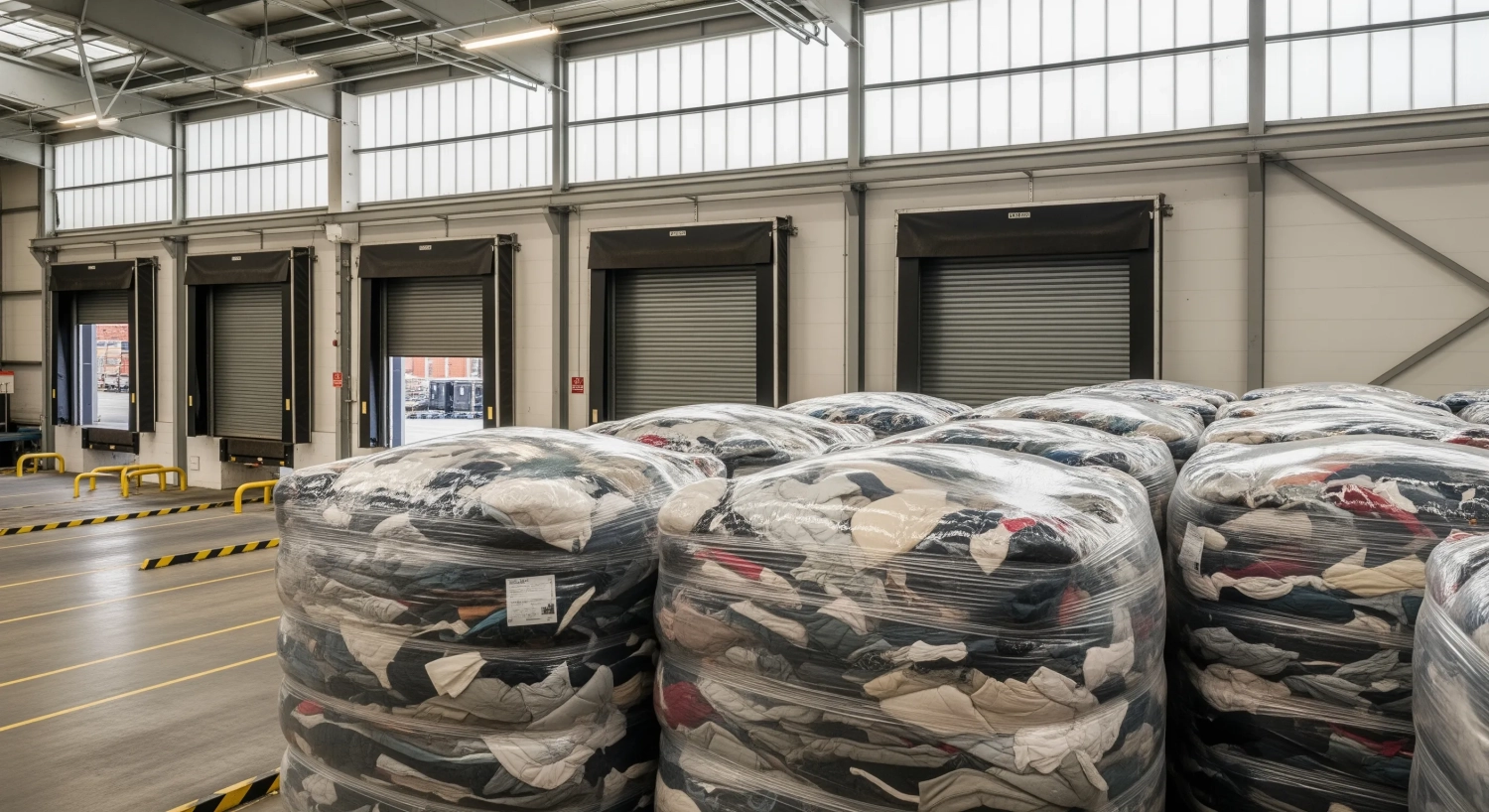
Efficient logistics and preparation processes are vital for exporters dealing in second-hand vintage clothing. Proper warehousing practices, utilizing containers designed for bulk shipments, can significantly enhance loading and unloading efficiency. Understanding customs regulations and documentation requirements is essential to ensure compliance and smooth transit across borders.

Pro tip: Establish clear communication with shipping partners to streamline logistics and avoid delays.
Risk Mitigation in Sourcing Vintage Clothing
Purchasing vintage clothing in bulk poses inherent risks, including fluctuating market demands and potential quality issues. Conducting thorough research on potential suppliers mitigates these risks effectively. Relying on established vendors with a proven track record ensures that you receive quality products and allows for smoother transactions.
Implementing robust return policies can also help manage risks associated with unsold stock while creating trust with your suppliers and buyers alike. Additionally, diversifying your supplier base can prevent over-reliance on a single source and should be part of a strategic approach to procurement.
Pro tip: Monitor market trends constantly to swiftly adapt to fluctuations in customer preferences.
The Sustainability Aspect of Second-Hand Clothing
Sourcing second-hand clothing not only serves a commercial purpose but also has significant environmental benefits. The fashion industry is one of the leading contributors to environmental pollution, and adopting a second-hand model contributes positively to sustainability efforts. According to a study, the international second-hand clothing trade reduces waste and enables the recycling of textiles, promoting a circular economy.
By incorporating sustainability into business practices, B2B buyers position themselves strategically within a growing market segment, attracting eco-conscious consumers seeking alternatives to fast fashion. This commitment to sustainability can enhance brand image and foster customer loyalty.
According to research from MDPI, the sustainable contributions of vintage clothing sourcing continue to be considerable as businesses pivot towards greener practices.
Pro tip: Share your sustainability initiatives with customers to build rapport and enhance brand loyalty.
Unlock Cost Savings and Inventory Variety with Trusted UK Bulk Clothing Sourcing

For trade buyers who need consistent bulk supply and clear grading expectations, explore Original Secondhand at originalsecondhand.com. If you’d like a quick recommendation on the best fit for your business model, volumes, and export requirements, contact the team here: Contact Us.
Frequently Asked Questions
What types of vintage clothing can I source for my business?
Retailers can source a wide variety of vintage clothing, including apparel categorized by style, era, and condition for resale.
How do I ensure quality in my orders?
Implement a strong grading system and perform regular quality checks with your suppliers to ensure the desired standards.
What are the benefits of sourcing vintage clothing?
Sourcing vintage clothing allows businesses to differentiate their product offerings while promoting sustainability and attracting a loyal customer base.
How can I mitigate risks in sourcing second-hand clothing?
Conduct thorough supplier research, establish credible contracts, and implement flexible sourcing strategies to reduce risks.