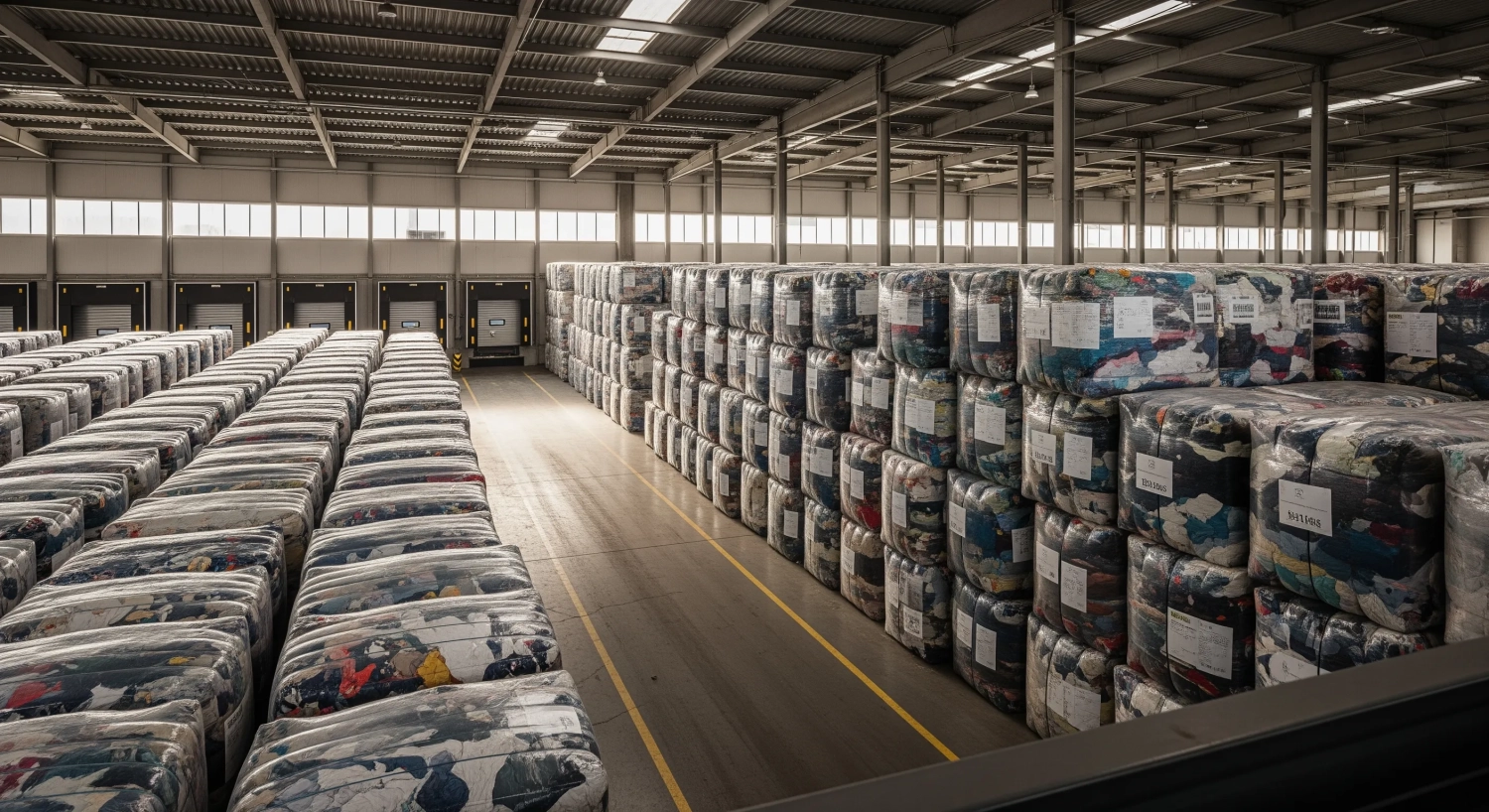
For trade buyers seeking second hand clothes in bulk USA, identifying reliable suppliers is crucial. Whether your focus is on quality, price, or shipping reliability, understanding the landscape of wholesale second-hand clothing can significantly impact your business's success in this market. This guide offers insights into various sourcing options, ensuring you find the best fit for your wholesale needs while facilitating exports that meet quality standards.
Table of Contents
- Understanding Wholesale Second Hand Clothing
- Key Sourcing Options in the USA
- The Value of Grading in Sourcing Bulk Clothing
- Container Bales and Logistics
- Managing Risks in Bulk Clothing Supply
- Building a Successful Partnership with Suppliers
Key Takeaways
| Aspect | Importance |
|---|---|
| Volume Requirements | Establish clear minimum order quantities to ensure supplier capacity aligns with your needs. |
| Grading Signals | Understanding grading ensures product quality and reduces returns, helping maintain margins. |
| Logistics Readiness | Ensure suppliers can meet shipping timelines and provide customs support for hassle-free export. |
| Risk Control | Mitigate risks by evaluating suppliers based on historical performance and client reviews. |
Understanding Wholesale Second Hand Clothing
The wholesale second-hand clothing market in the USA presents unique opportunities for trade buyers. Sourcing from established suppliers can lead to significant inventory variety and pricing advantages. It's essential to understand the core principles of this industry, including supplier relationships, quality standards, and pricing structures.
Identifying reliable sourcing channels often involves evaluating several providers, each with their unique offerings in terms of grading, selection, and logistical capabilities. Trade buyers will find that focusing on these factors can streamline their purchasing process and foster lasting partnerships.
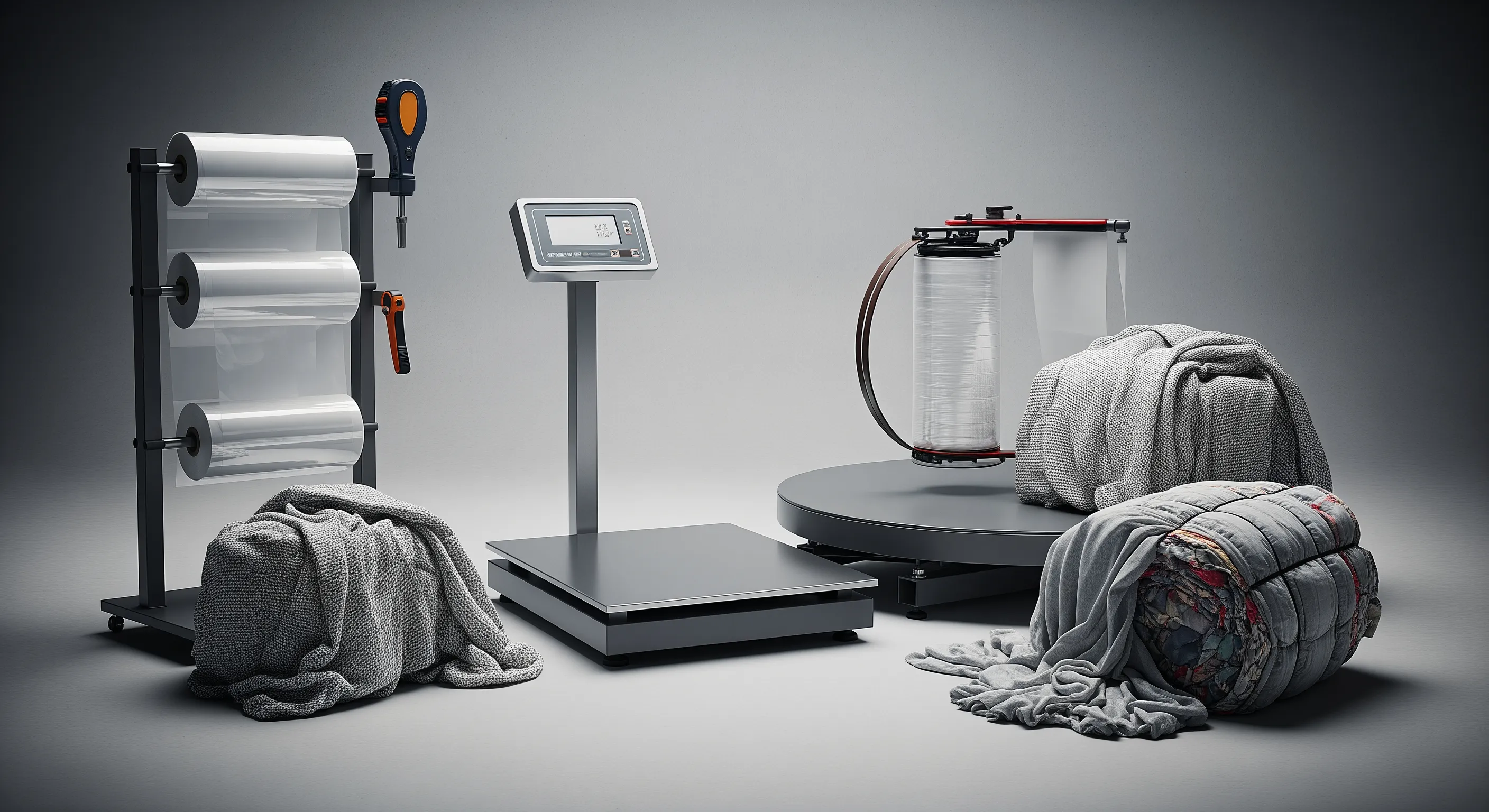
Pro tip: Regularly assess supplier performance metrics to ensure optimal partnerships.
Key Sourcing Options in the USA
There are numerous channels through which trade buyers can acquire second-hand clothing in bulk. Wholesale distributors, liquidators, and specialized online platforms are among the most common. Each option comes with its benefits and challenges related to pricing, quality, and ease of procurement.
Engaging with wholesale distributors can often yield the best results in terms of consistent supply. They typically offer well-graded clothing that meets specific market demands, making them a reliable choice for regular replenishment. Additionally, some platforms may even provide custom packing options to suit unique business needs.
Pro tip: Use data analytics to identify trends in second-hand clothing sales, aligning inventory with market demand.
The Value of Grading in Sourcing Bulk Clothing
Grading is an integral aspect of the second-hand clothing business, influencing both costs and customer satisfaction. Suppliers typically assess clothing based on quality criteria, assigning grades that can vary from A to D. Understanding these grades is vital for trade buyers to manage expectations and control margins effectively.
High-grade clothing may come at a premium but often results in fewer returns and higher customer satisfaction rates. On the other hand, lower-grade options can provide value but may require more stringent quality checks and potential return policies for unsatisfactory items.
Pro tip: Maintain a checklist for grading reviews to ensure consistent quality assessment across shipments.
Container Bales and Logistics
Container bales are frequently used in the wholesale second-hand clothing market to streamline logistics. These bales typically consist of bulk quantities of graded clothing compressed into transport-friendly sizes. This method helps reduce shipping costs and optimize storage solutions.
When sourcing container bales, it’s crucial to address logistical considerations, including shipping methods and lead times. Ensuring that your supplier can accommodate your shipping needs will streamline the process of bringing merchandise to your customers efficiently.
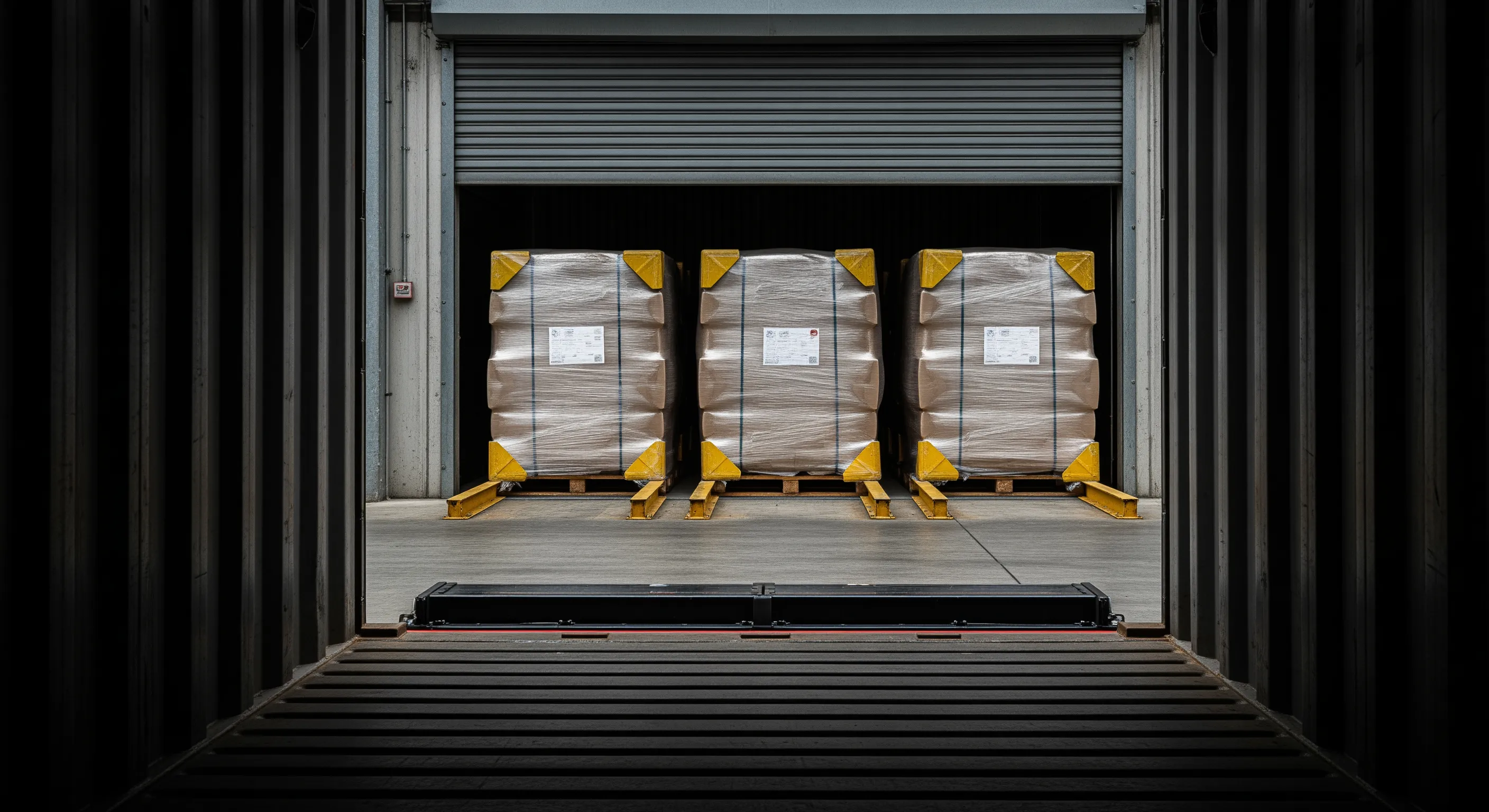
Pro tip: Optimize logistics by exploring multiple shipping partners for cost-effectiveness and reliability.
Managing Risks in Bulk Clothing Supply
In any wholesale operation, managing risks is imperative, particularly in bulk clothing supply. Fluctuations in quality, shipping delays, and supplier reliability can significantly impact business operations. Identifying potential risks early can help maintain smooth operations.
Implementing robust quality control measures and developing backup supply plans can mitigate many risk factors. By evaluating suppliers based on historical performance and their responsiveness, trade buyers can significantly enhance their purchasing strategies.
| Risk | Cause | Mitigation |
|---|---|---|
| Quality Variability | Inconsistent grading standards among suppliers. | Establish clear grading protocols and monitor supplier compliance. |
| Shipping Delays | Unanticipated transport issues or customs delays. | Build relationships with multiple logistics providers. |
| Supply Chain Disruptions | Market fluctuations or supplier insolvency. | Diversify supply sources to mitigate dependency on a single supplier. |
| Returns Management | Higher return rates from lower-quality items. | Implement a thorough inspection before shipping. |
Building a Successful Partnership with Suppliers
Developing strong partnerships with suppliers is essential for sustained success in sourcing second hand clothes in bulk USA. Leveraging consistent communication and providing feedback can enhance collaboration and lead to improved product offerings.
It's beneficial to engage in regular evaluations of supplier performance, focusing on key metrics such as delivery times, product consistency, and responsiveness. A solid partnership not only fosters reliability but also offers the potential for negotiating better terms and pricing.
Pro tip: Use performance metrics to strengthen supplier relationships and ensure mutual accountability.
Unlock Cost Savings and Inventory Variety with Trusted UK Bulk Clothing Sourcing

For trade buyers who need consistent bulk supply and clear grading expectations, explore Original Secondhand at originalsecondhand.com. If you’d like a quick recommendation on the best fit for your business model, volumes, and export requirements, contact the team here: Contact Us.
Frequently Asked Questions
What factors should I consider when sourcing second hand clothes?
Consider grading, supplier reliability, logistics readiness, and historical performance when sourcing.
How can I ensure consistent quality in my supply?
Implement clear grading protocols and conduct regular supplier evaluations.
Are there risks associated with bulk clothing supply?
Yes, risks include quality variability, shipping delays, and potential supply chain disruptions.
What should I look for in a supplier partnership?
Focus on communication, responsiveness, and performance metrics to establish a strong partnership.