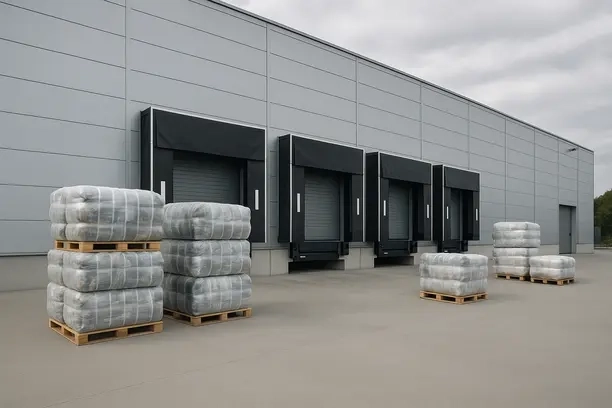
For businesses in search of sustainable and cost-effective clothing solutions, exploring wholesale second hand clothes in Germany can be a significant opportunity. This market offers B2B suppliers an array of bulk secondhand clothing options, from graded bales to shipping-ready containers. With an increasing demand for environmentally friendly fashion, understanding how to effectively source and export these textile products can enhance your business's profitability and sustainability quotient.
Table of Contents
- Understanding the Wholesale Second Hand Clothing Market
- Sourcing Second Hand Clothing in Germany
- Clothing Grading and Quality Control
- Logistics Considerations for Exports
- Understanding Market Regulations and Standards
- Key Challenges and Risk Mitigation
Key Takeaways
| Aspect | Considerations |
|---|---|
| Volume | Assess your minimum order quantities to meet demand effectively. |
| Grading Signals | Understand grading systems to manage expectations about clothing quality. |
| Logistics Readiness | Ensure preparedness for shipping and receiving processes. |
| Risk Control | Implement a system for handling quality control disputes and claims. |
Understanding the Wholesale Second Hand Clothing Market
The wholesale second hand clothing market in Germany has become increasingly significant as businesses prioritize sustainability. This market not only supports the reduction of textile waste but also meets the rising consumer demand for eco-friendly options. Industries involved are now adapting their approaches to incorporate sustainable practices, which adds value to their offerings.
According to an analysis by the Case of the Garment Trades in Antwerp and Ghent, the historical evolution of clothing trade demonstrates how institutional frameworks can shape market behavior.
Pro tip: Keep an eye on emerging trends in consumer preferences towards sustainable products to enhance market competitiveness.

Sourcing Second Hand Clothing in Germany
Sourcing second hand clothing requires a well-planned strategy, especially for B2B buyers. Germany has several wholesale suppliers who provide bulk secondhand clothing in varying grades and qualities. Establishing relationships with reliable suppliers is crucial. They can assist in understanding the grading processes used to categorize clothing.
Additionally, options like international second-hand clothing trade reports reveal useful insights into the global patterns of used clothing commerce. Understanding these trends can inform your sourcing strategies and help you stay competitive.
Pro tip: Establish long-term relationships with suppliers and maintain open communication to manage expectations.
Clothing Grading and Quality Control
Grading second-hand clothing is essential for ensuring that customers receive products that meet their expectations. The grading process often includes detailed inspection and categorizing items based on their condition. This includes assessing wear and tear, fabric quality, and brand reputation.
According to industry insights, to optimize this process, you should implement a robust quality control system. This not only aids in maintaining standards but also fosters trust among buyers, leading to repeat business.
Pro tip: Regular training sessions for staff involved in grading can improve consistency in quality control.

Logistics Considerations for Exports
Understanding logistics is vital for export operations. Efficient handling of containers and bales is necessary to ensure timely delivery to your market. This includes evaluating shipping routes, customs regulations, and packing standards.
Research indicates a significant percentage of turnover in the retail sector relies on efficient logistics. Hence, staying informed about dissemination channels and storage facilities can yield operational advantages, as shown in reports from the JRC’s circular economy perspectives.
Pro tip: Develop a checklist for logistics operations to minimize errors during shipping.
Understanding Market Regulations and Standards
Familiarizing yourself with the regulations surrounding secondhand clothing in the EU is critical. Adherence to standards not only ensures compliance but also enhances the credibility of your business within the industry. This includes understanding the legalities of textiles being imported and their impact on sustainability.
Utilizing findings from European statistics can provide valuable insights into regulatory trends and best practices in the sector, aiding in successful navigation of the market.
Pro tip: Regularly review legal changes in your operating markets to stay proactive against compliance issues.
Key Challenges and Risk Mitigation
Challenges in the wholesale second hand clothing market can significantly impact your operations. These may include fluctuating demand, variations in quality, and logistical disruptions. Each of these challenges demands a tactical approach to mitigate risks.
Implementing structured processes for quality assessment, alongside responsive logistics strategies, can help control risks effectively. Data from the LCA-based assessment of European used textiles management offers insights necessary for evaluating risk management protocols.
| Challenge | Cause | Mitigation |
|---|---|---|
| Inconsistent Quality | Varied grading standards | Implement standardized inspection processes |
| Logistical Delays | Over-reliance on single transport routes | Diversify shipping methods and routes |
| Regulatory Compliance | Frequent changes in legislation | Regularly update compliance protocols |
| Market Fluctuations | Seasonal demand shifts | Use predictive analytics for inventory management |
Unlock Cost Savings and Inventory Variety with Trusted UK Bulk Clothing Sourcing

For trade buyers who need consistent bulk supply and clear grading expectations, explore Original Secondhand at originalsecondhand.com. If you’d like a quick recommendation on the best fit for your business model, volumes, and export requirements, contact the team here: Contact Us.
Frequently Asked Questions
What are the benefits of sourcing second-hand clothing?
Sourcing second-hand clothing offers environmental benefits, cost savings, and diverse inventory options.
How do I establish supply relationships in Germany?
Attend trade shows and network with suppliers to build trust and secure favorable terms.
What should I know about clothing grading?
Clothing grading involves assessing the quality and condition of garments to ensure buyer satisfaction.
How can I mitigate risks in my sourcing operations?
Implement quality control processes and diversify supply chains to manage risks effectively.