
When sourcing wholesale used shoes in the UK, businesses must prioritize quality and reliability. With a robust supply chain, trade buyers can access a diverse range of secondhand footwear, ensuring they meet customer demand while maintaining sustainability. The wholesale options available cater specifically to exporters, wholesalers, and resellers, providing the ideal solution for those looking to enhance their offerings. Clear grading and preparation standards further facilitate smooth transactions and minimize operational risks, maintaining a steady flow of inventory.
Table of Contents
- Wholesale Shoe Sourcing for B2B
- Benefits of Buying Bulk Used Shoes
- Understanding Grading Systems for Used Footwear
- Preparing Shoe Bales for Export
- Logistics and Supply Chain Considerations
- Financial Aspects When Sourcing Used Shoes
Key Takeaways
| Aspect | Details |
|---|---|
| Volume Requirements | Consider minimum order quantities that align with your business model. |
| Grading Signals | Familiarize with grading categories to ensure quality control. |
| Logistics Framework | Ensure efficient transport arrangements for rapid turnover. |
| Risk Management | Implement measures to control return rates and maintain margins. |
Wholesale Shoe Sourcing for B2B
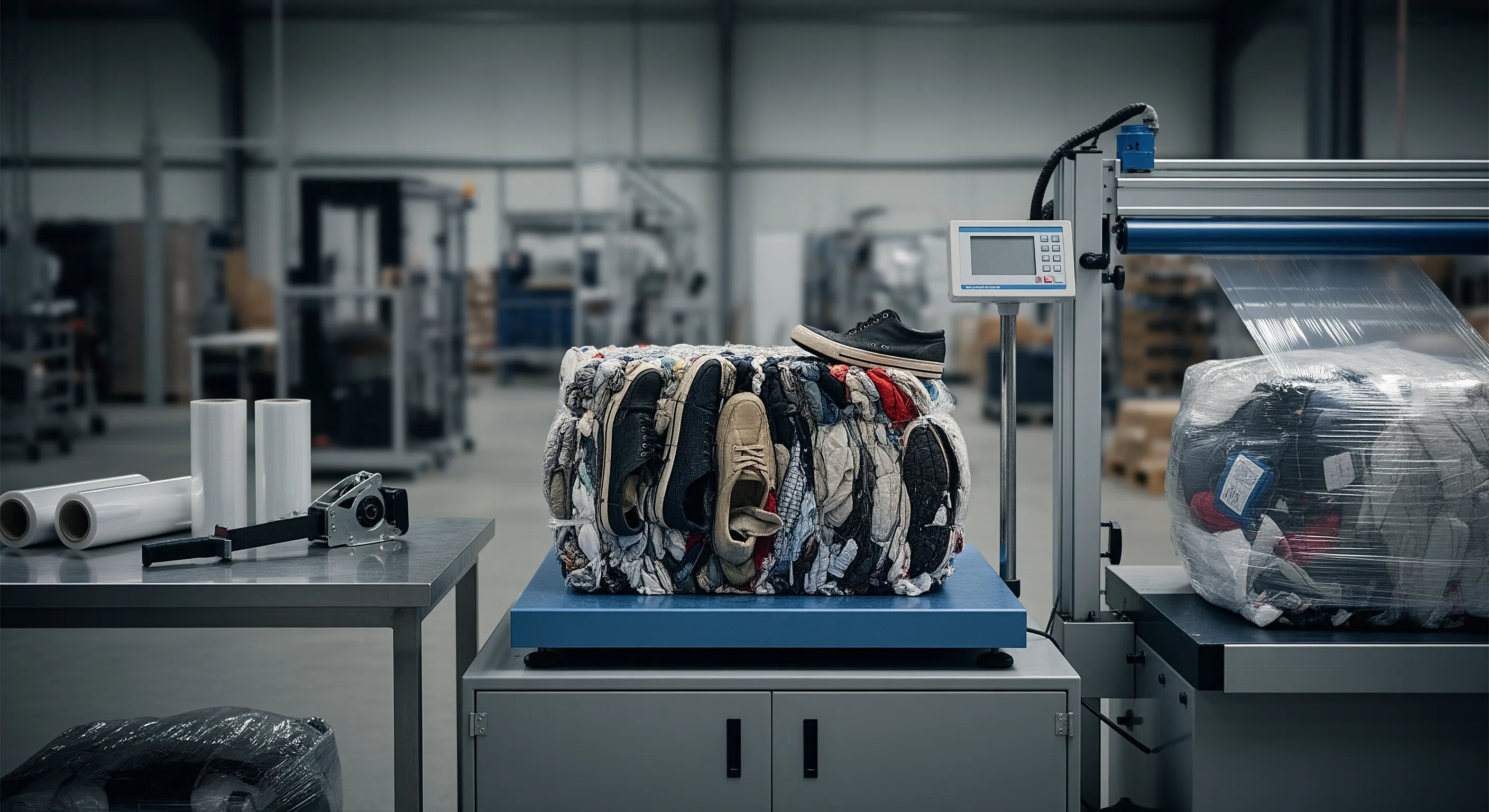
Wholesale used shoes for sale can provide significant advantages for businesses focusing on sustainability and cost efficiency. Trade buyers can explore options that fulfill specific market segments, enhancing the adaptability of their inventory. Effective sourcing strategies involve building relationships with reliable suppliers to secure favorable terms and consistent quality.
As the market evolves, a variety of secondhand footwear options will become available, necessitating thorough market research and supplier evaluations. Creating a robust strategy not only helps in managing supply risks but also opens avenues for expanding the product range offered to customers.
Pro tip: Consider engaging with multiple suppliers to diversify your sources and mitigate risk.
Benefits of Buying Bulk Used Shoes
Purchasing used shoes in bulk offers several key benefits, including reduced unit costs and greater inventory availability. This can lead to improved margins for retailers and resellers alike. Additionally, buying in bulk allows for better alignment with seasonal sales strategies, enabling businesses to prepare for peak demand.
Moreover, a consistent supply of varied styles can attract a wider customer base. Establishing a strong purchasing relationship with wholesalers helps ensure access to high-demand items that can enhance product lines.
Pro tip: Utilize market insights to predict trends in consumer demand when planning bulk purchases.
Understanding Grading Systems for Used Footwear
Effective grading of used shoes is crucial to ensure that the products meet buyer expectations. Understanding how the grading system works can greatly influence inventory quality. Typically, shoes are classified based on their condition, ranging from pristine to heavily worn. Knowing these categories enables trade buyers to make informed purchase decisions.
Additionally, implementing standardized grading systems can facilitate easier communication and transactions with suppliers. This practice helps to mitigate misunderstandings regarding product quality.
Pro tip: Regularly review supplier grading practices to ensure consistency and reliability.
Preparing Shoe Bales for Export
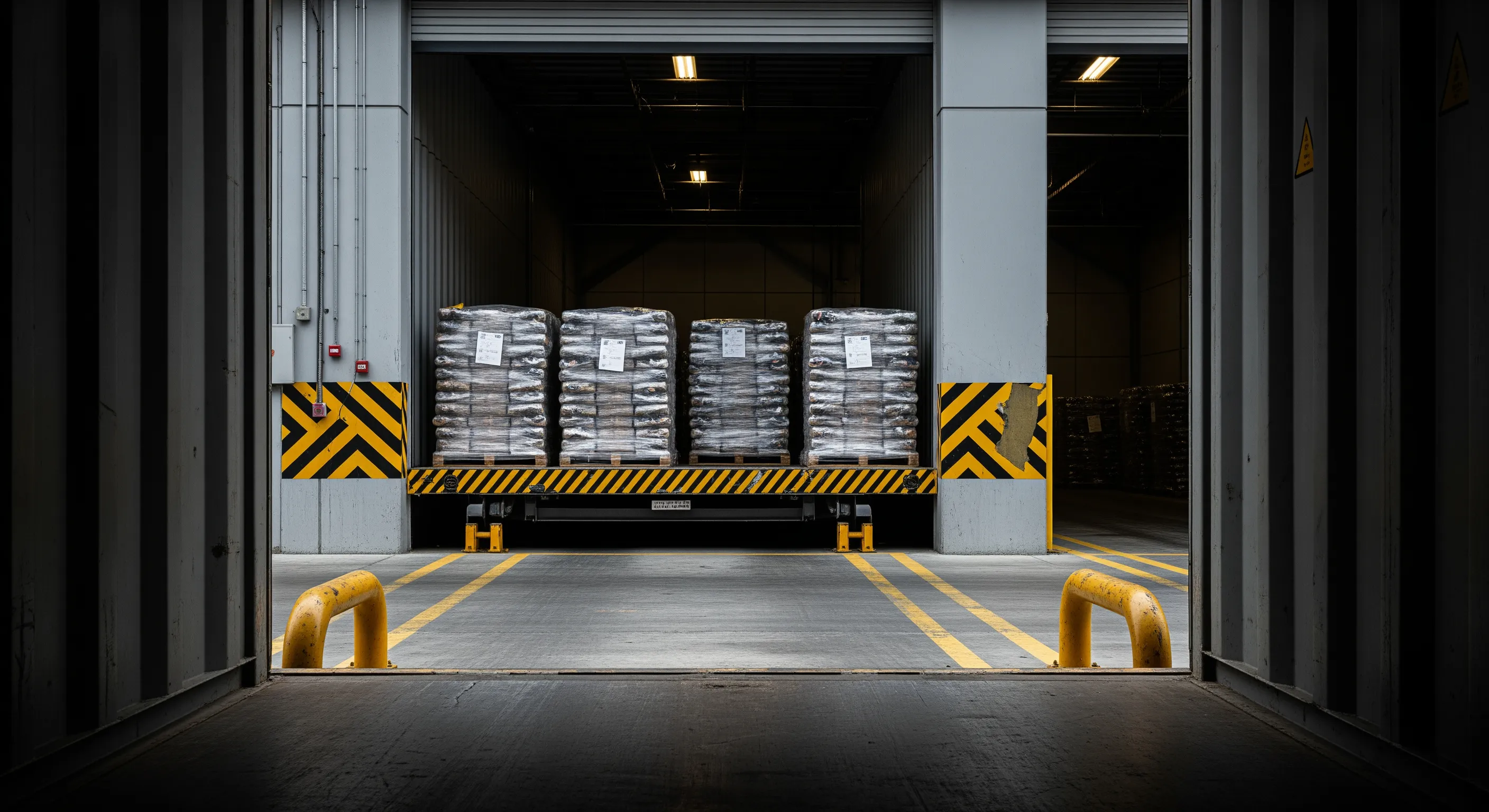
When preparing used shoes for export, it is essential to ensure that they are packaged correctly to mitigate potential damage during transit. Effective packing methods should include clear labeling and a detailed inventory, which can greatly enhance logistical efficiency.
Consideration of the specific requirements of destination markets is also vital. For example, regulatory compliance regarding the importation of secondhand goods can vary significantly between countries.
Pro tip: Prioritize compliance with export regulations to avoid disruptions in your supply chain.
Logistics and Supply Chain Considerations
Streamlined logistics are crucial for successfully managing the distribution of wholesale used shoes. Establishing connections with reliable freight providers allows businesses to optimize shipping costs and delivery times. Additionally, incorporating technology into tracking systems can significantly improve operational efficiency.
Understanding warehousing requirements is equally essential. Ensuring the storage of used shoes is organized and facilitates easy retrieval can greatly enhance supply chain performance.
Pro tip: Implement a robust inventory management system to keep track of stock levels and avoid overstocking.
Financial Aspects When Sourcing Used Shoes
Financial planning is a critical aspect of sourcing used shoes. Businesses need to account for expenses such as initial purchase costs, shipping fees, and import duties. Effective budgeting and forecasting can help mitigate unforeseen costs and ensure healthy margins.
Exploring financing options, such as trade credit or bulk purchase discounts, can further enhance profitability. Maintaining healthy cash flow is key to sustaining operational capabilities in the used footwear market.
Pro tip: Regularly review financial agreements with suppliers to identify areas for improved terms and cost savings.
Recommended
- Quality Control In Secondhand Wholesale Our Process
- Explore Second Hand Clothes Wholesale For Your Business
- Discover Used Clothes Wholesale For Every Budget
- The Rise Of Original Secondhand The Appeal And Market Growth
Unlock Cost Savings and Inventory Variety with Trusted UK Bulk Clothing Sourcing

For trade buyers who need consistent bulk supply and clear grading expectations, explore Original Secondhand at originalsecondhand.com. If you’d like a quick recommendation on the best fit for your business model, volumes, and export requirements, contact the team here: Contact Us.
Frequently Asked Questions
What types of shoes are typically available in wholesale lots?
Wholesale lots often include various types of footwear such as athletic shoes, boots, sandals, and casual shoes, catering to diverse market needs.
How do I assess the quality of used shoes before purchase?
Review grading information and samples when possible. Building a reliable supplier relationship can also enhance quality assurance.
What are the benefits of sourcing shoes in bulk?
Bulk sourcing reduces per-unit costs, guarantees inventory availability, and supports strategic seasonal selling.
Are there specific logistics considerations for exporting shoes?
Yes, essential factors include shipping methods, customs compliance, and packaging requirements to ensure product safety during transport.