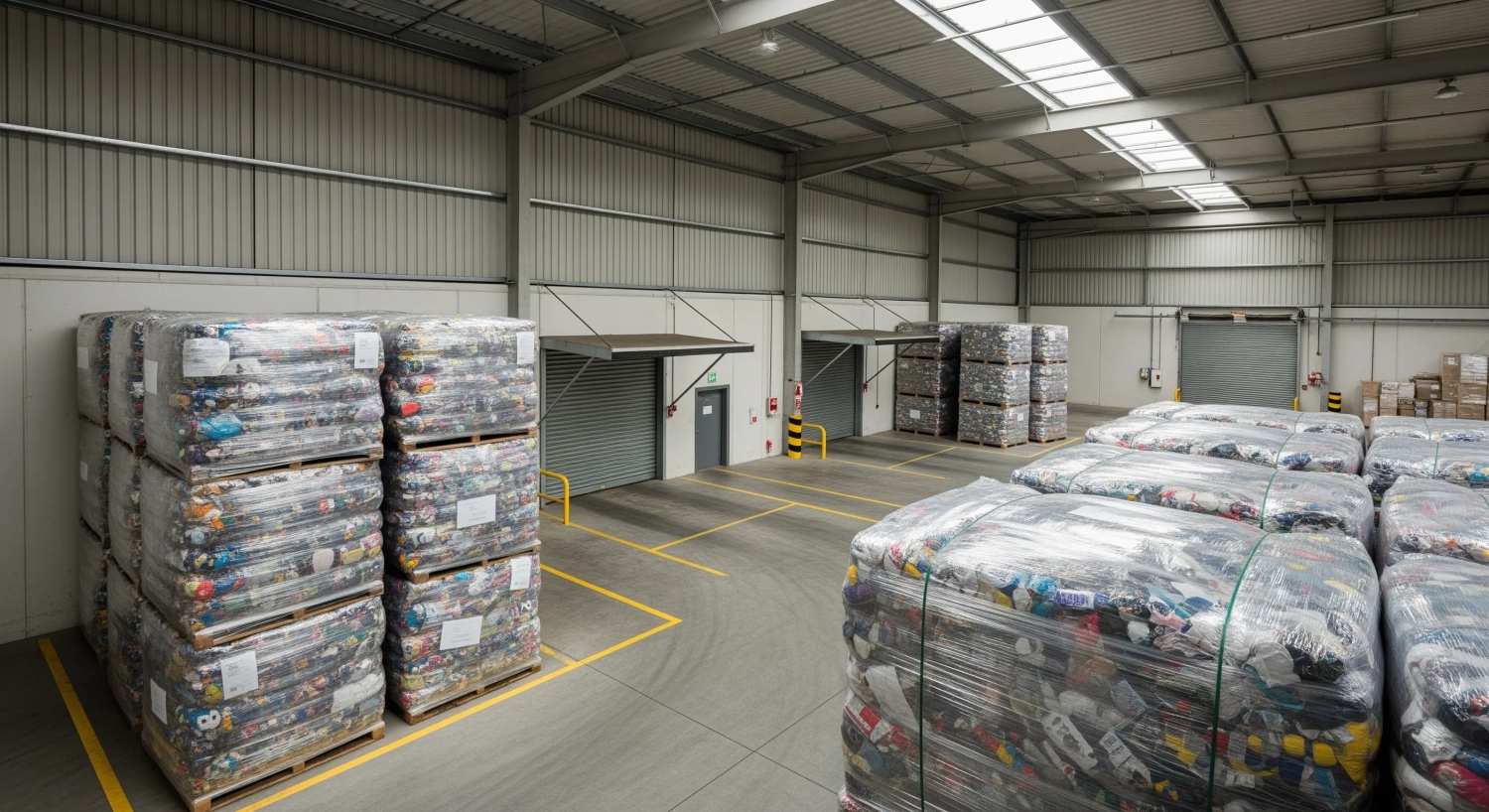
As the demand for sustainable and affordable toys grows, sourcing second hand toys wholesale becomes a strategic opportunity for businesses in the UK. By partnering with reliable suppliers, trade buyers can secure quality products that meet market needs while also contributing to environmental sustainability. Understanding the nuances of bulk sourcing, from grading processes to logistics, is essential for maximizing profitability and ensuring repeat business.
Table of Contents
- Sourcing Strategies for Second Hand Toys
- Understanding Bulk Grading and Quality Control
- Logistics Considerations for Toy Export
- The Pros and Cons of Second Hand Toys
- Risk Mitigation in Toy Sourcing
- Building Long-Lasting Supplier Relationships
Key Takeaways
| Focus Area | Insights |
|---|---|
| Volume Orders | Establish minimum order quantities (MOQs) to ensure the best pricing and reliable supply. |
| Grading Signals | Familiarize yourself with grading systems to assess quality and suitability for your target market. |
| Logistics Readiness | Ensure suppliers have logistics capabilities to manage efficient shipping and handling of bulk toys. |
| Margin Discipline | Maintain price discipline to safeguard profit margins while providing competitive offers. |
Sourcing Strategies for Second Hand Toys
Identifying reliable sources for second hand toys wholesale is critical for any trade buyer. Engaging with well-established suppliers in the UK can provide access to quality inventories. Additionally, trade shows and networking events offer great opportunities to meet suppliers and evaluate their offerings firsthand. B2B platforms can also serve as a resource to discover new suppliers and compare pricing and quality.
Consistent communication with suppliers ensures that stock levels and inventory quality match your business needs.
Pro tip: Regularly ask for sample products before committing to larger orders to verify quality and suitability.
Understanding Bulk Grading and Quality Control
Effective bulk toy grading is essential for ensuring that the products meet the expected quality standards. Understanding the classification of toys into grades allows businesses to anticipate the condition of the items they purchase. Furthermore, established suppliers typically offer detailed grading reports that outline the expected quality, enabling buyers to make informed decisions.
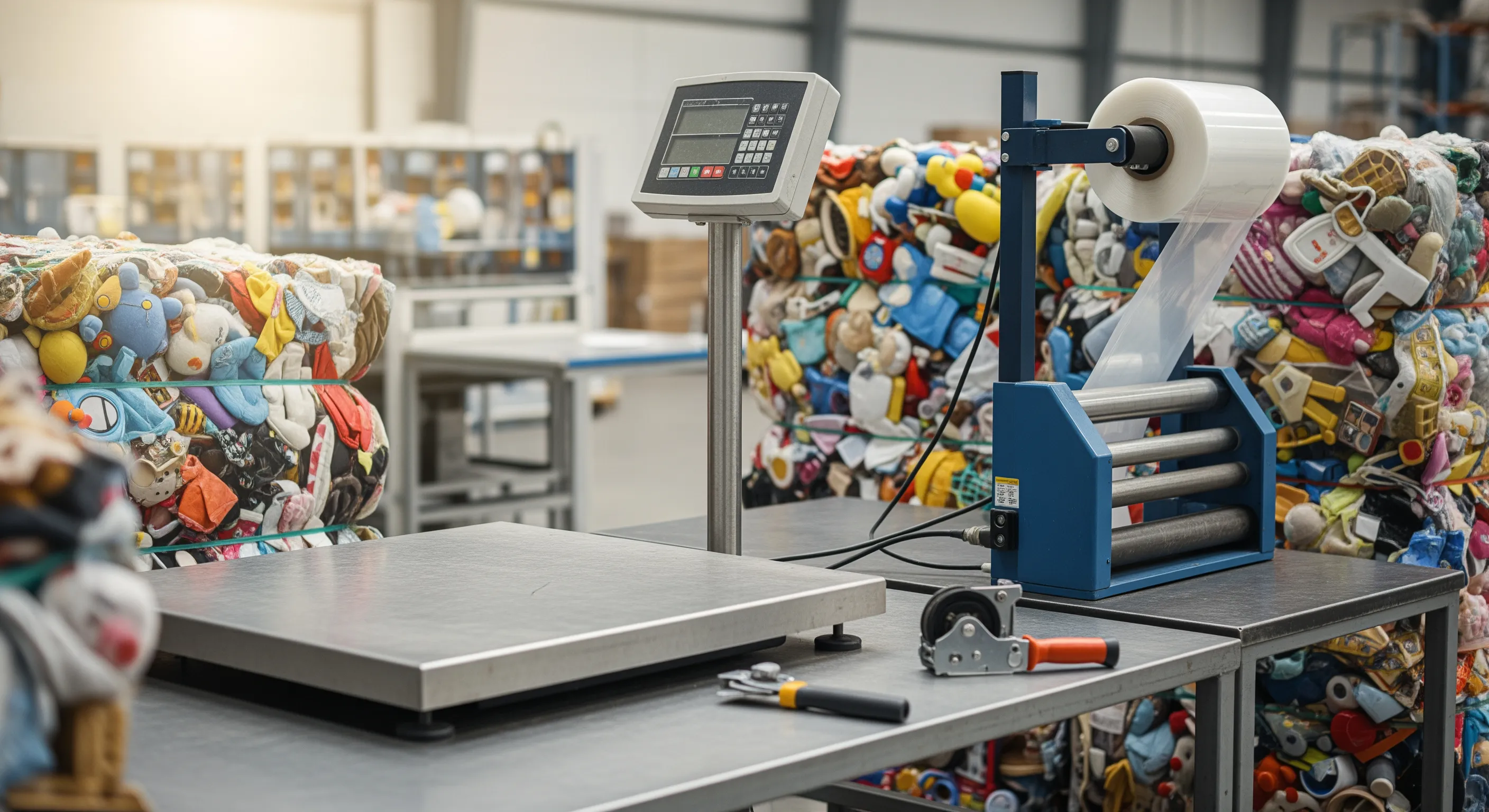
Implementing a quality control process within your own operations, such as inspecting goods upon arrival, further mitigates the risk of receiving unsatisfactory products.
Pro tip: Develop a checklist based on your grade specifications to streamline your quality assurance process.
Logistics Considerations for Toy Export
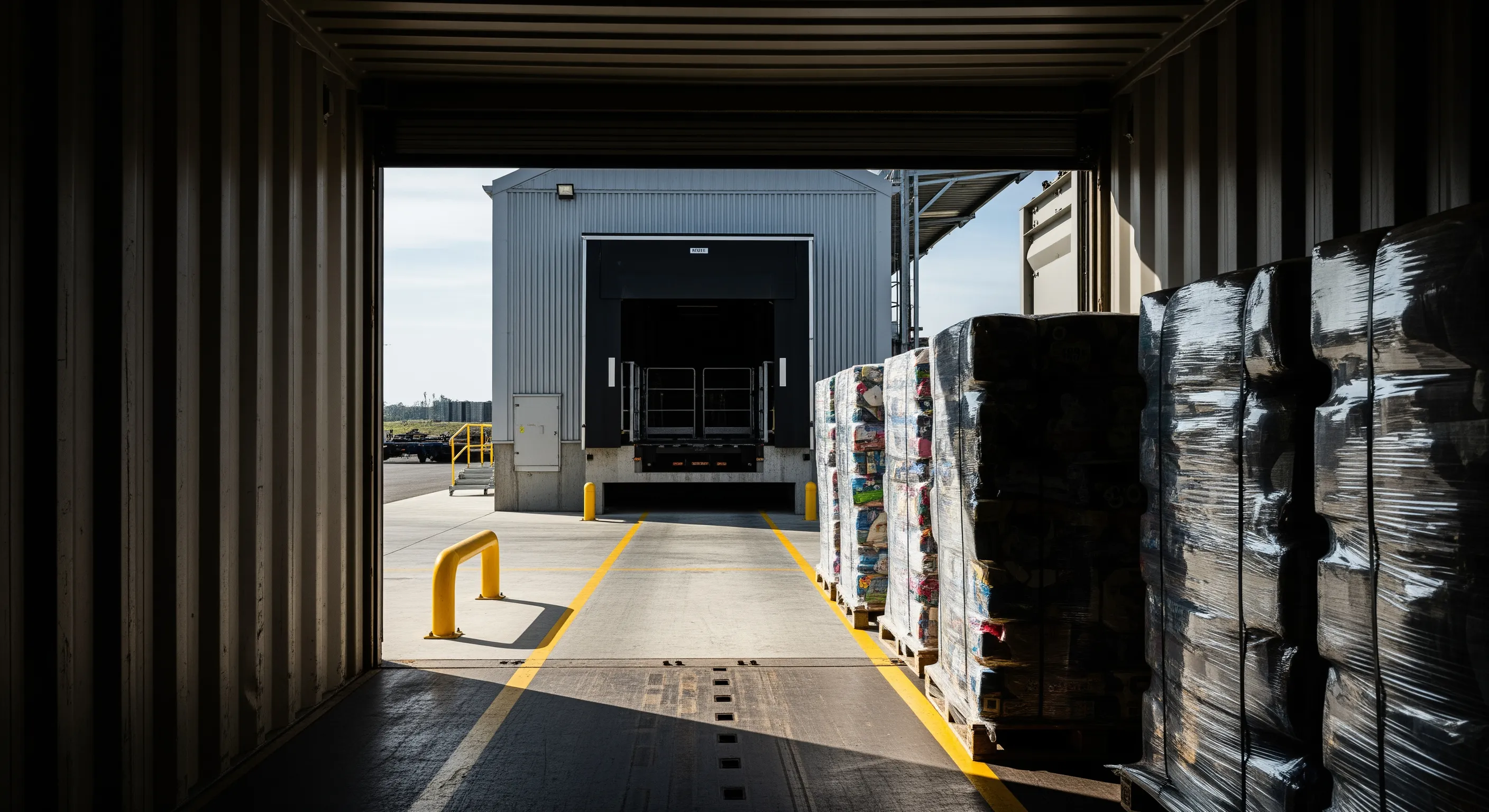
Exporting second hand toys necessitates a clear understanding of logistics requirements, including customs regulations and shipping methods. Working with suppliers who are experienced with international shipping can simplify the process and reduce delays. Timeliness is crucial, especially when dealing with peak market periods.
The condition and packaging of toys impact shipping costs and customer satisfaction, making it vital to ensure products are well-prepared for transport.
Pro tip: Partner with logistics providers who offer comprehensive tracking systems for enhanced visibility.
The Pros and Cons of Second Hand Toys
While sourcing second hand toys provides unique advantages such as cost savings and a sustainable focus, potential challenges exist as well. Trade buyers should weigh the benefits of reduced prices against the risks of inconsistent quality. Understanding the market trends and customer preferences can help you select the right products for your audience.
Additionally, recognizing the legal implications surrounding second hand goods is vital for regulatory compliance.
Pro tip: Stay informed about market shifts to adjust your sourcing strategy accordingly.
Risk Mitigation in Toy Sourcing
Risk management is essential in the second hand toys sector. Factors such as fluctuating demand, legal liabilities, and supplier reliability must be considered. Establishing contracts with clear terms can safeguard against supply chain disruptions. Furthermore, diversifying your supplier base reduces reliance on a single source, thereby enhancing resilience.
Implementing robust internal policies for supplier evaluation and quality checks further strengthens operational integrity.
| Risk | Cause | Mitigation Strategy |
|---|---|---|
| Inventory Shortages | Supplier defaults or increased demand | Diversify supplier sources and maintain buffer inventory |
| Quality Issues | Mismatched grading expectations | Perform quality checks upon receipt |
| Regulatory Compliance | Changes in laws regarding second hand goods | Stay informed about regulations and consult legal experts |
| Logistical Delays | Shipping disruptions or delays in customs | Choose experienced logistics partners and have contingency plans |
Pro tip: Continuously assess your risk management strategies to adapt to new challenges.
Building Long-Lasting Supplier Relationships
Creating strong partnerships with suppliers can enhance stability and reliability in sourcing second hand toys. By fostering open communication and mutual trust, businesses can benefit from preferential pricing and priority on stock availability. Regular feedback loops with suppliers can also lead to improved quality and service.
Engaging in collaborative planning and forecasting helps ensure that supply meets demand, resulting in a more streamlined operation.
Pro tip: Regularly evaluate supplier performance through key metrics to strengthen partnerships.
Unlock Cost Savings and Inventory Variety with Trusted UK Bulk Clothing Sourcing

For trade buyers who need consistent bulk supply and clear grading expectations, explore Original Secondhand at originalsecondhand.com. If you’d like a quick recommendation on the best fit for your business model, volumes, and export requirements, contact the team here: Contact Us.
Frequently Asked Questions
What are the benefits of sourcing second hand toys?
Sourcing second hand toys can lead to cost savings, increased sustainability, and access to unique products that may not be available new.
How do I ensure the quality of second hand toys?
Establishing a clear grading system with your suppliers and implementing quality control checks upon receipt are vital for maintaining standards.
What should I consider when exporting second hand toys?
It's important to understand logistics, customs regulations, and proper packaging to ensure smooth shipping and delivery.
How can I maintain good relationships with suppliers?
Regular communication, feedback, and collaborative planning can strengthen supplier partnerships over time.