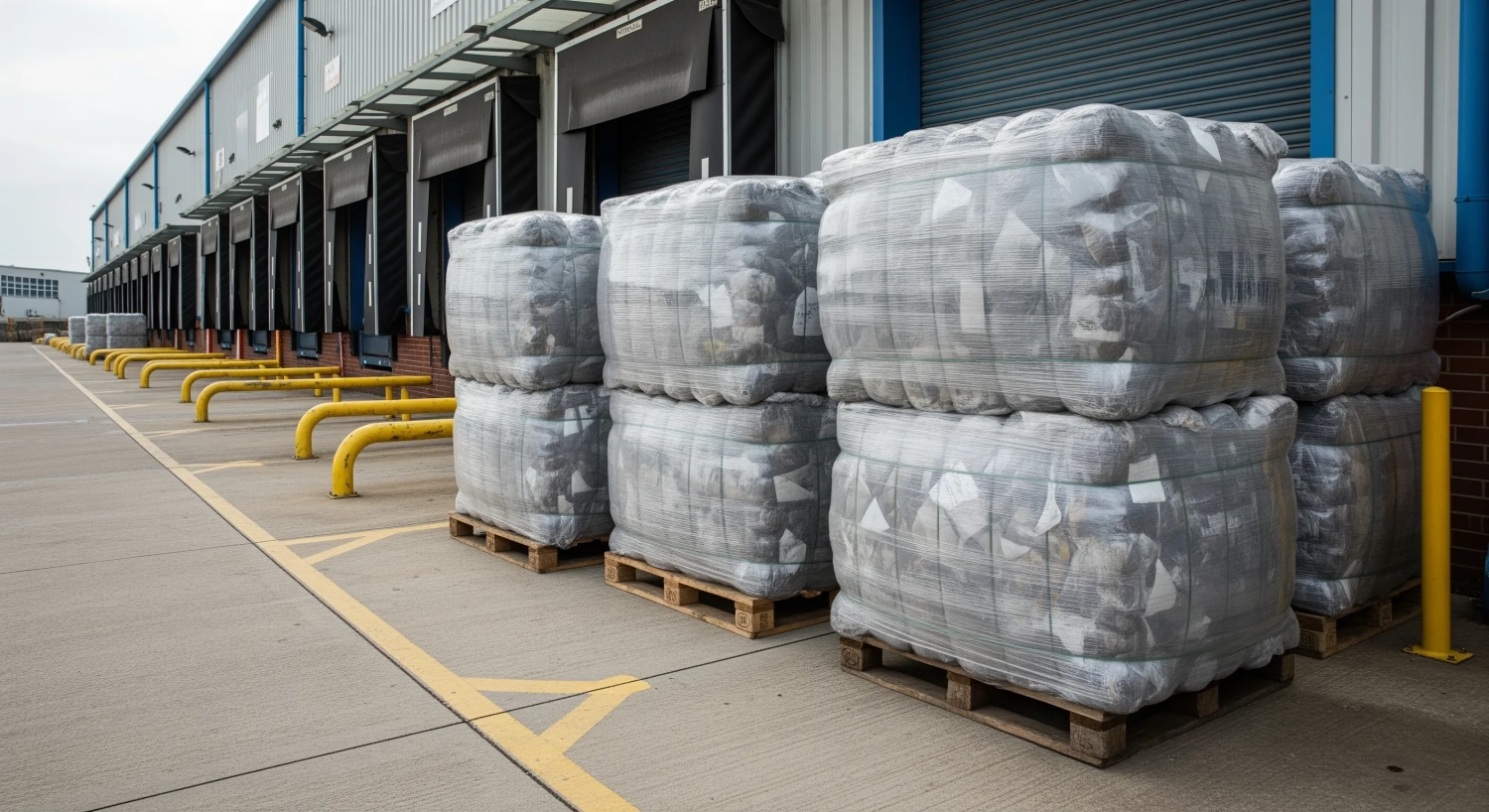
In the competitive landscape of wholesale clothing, sourcing second hand clothes for sale wholesale UK provides B2B buyers with a unique opportunity to access quality used garments. This avenue is especially valuable for exporters and resellers looking for bulk options to meet diverse market demands. The appeal lies in the sustainable practices fostered by secondhand clothing, catering to environmentally-conscious consumers while enabling profitable margin control. By understanding supplier relationships and logistics, businesses can secure consistent stock and enhance their operations.
Table of Contents
- Understanding the Advantage of Secondhand Clothing
- The Role of Bulk Bales in Wholesale Sourcing
- Secondhand Grading and Quality Assurance
- Navigating the Logistics of Clothing Export
- Risk Management in Wholesale Clothing Sourcing
- Building a Sustainable Supplier Relationship
Key Takeaways
| Consideration | Details |
|---|---|
| MOQ Flexibility | Various suppliers offer flexible minimum order quantities to accommodate different business sizes. |
| Grading Signals | Understanding the grading system can help buyers assess quality and control expectations. |
| Logistics Readiness | Assess logistics capabilities to ensure timely delivery and condition of goods. |
| Risk Control | Implementing clear agreements can mitigate discrepancies and assure quality throughout the supply chain. |
Understanding the Advantage of Secondhand Clothing
Secondhand clothing serves as a cost-effective solution for wholesale suppliers aiming to diversify their inventory. As sustainability practices gain traction, the demand for used garments continues to rise. B2B buyers benefit from acquiring quality stock at lower price points, enabling them to maintain competitive retail pricing while maximizing profit margins. This appeal is bolstered by the growing consumer preference for eco-friendly options, making secondhand sourcing a strategic advantage.
Moreover, sourcing second hand clothes for sale wholesale UK can introduce buyers to unique items, attracting niche markets. When trade buyers leverage these characteristics, they can differentiate their offerings from competitors who primarily rely on fast fashion.
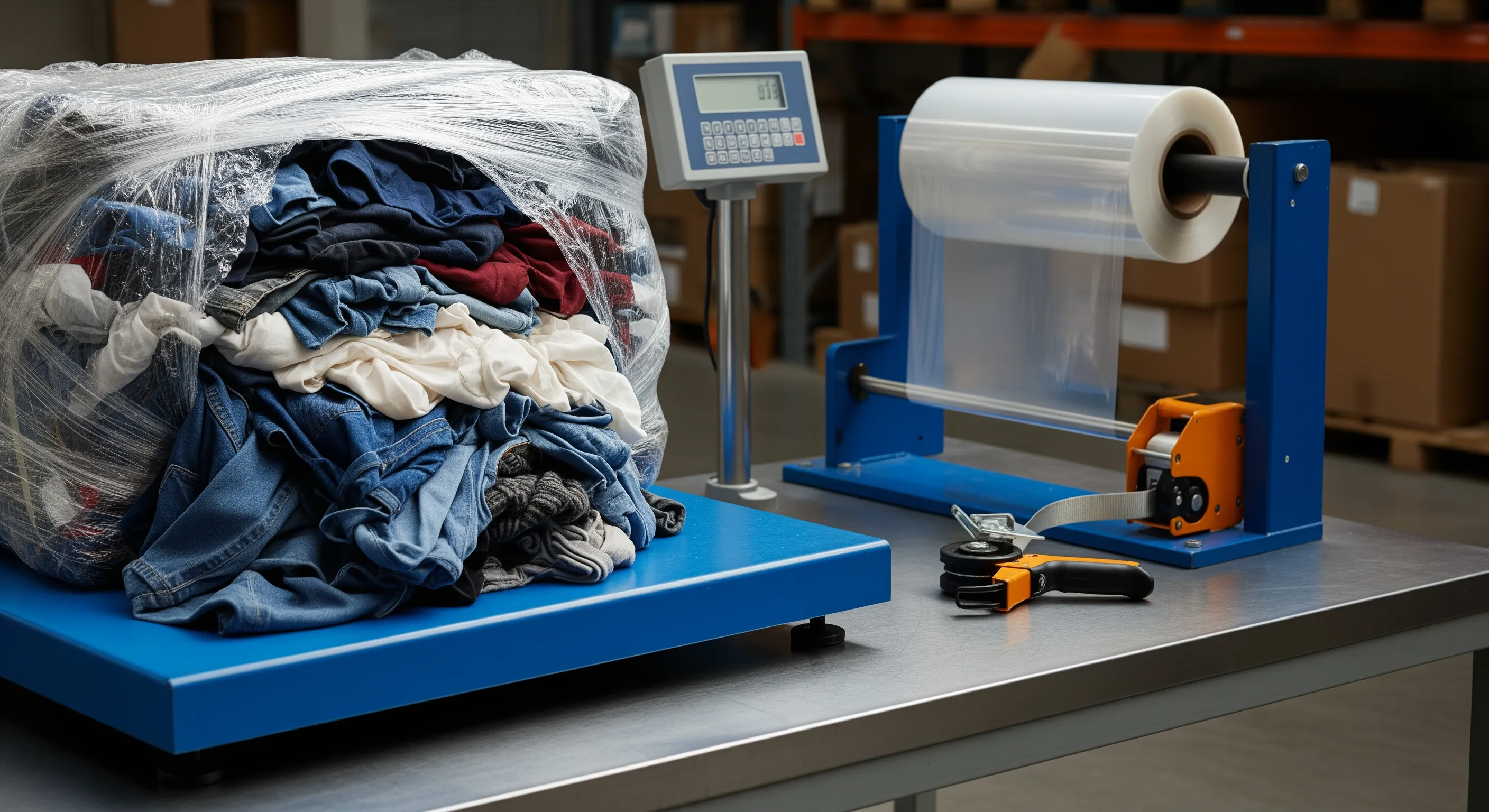
Pro tip: Identify areas of high demand in your local market to better align your secondhand inventory with consumer preferences.
The Role of Bulk Bales in Wholesale Sourcing
Purchasing secondhand clothing in bulk bales allows B2B buyers to streamline their inventory process while ensuring a diverse array of options. Bulk bales can contain assorted sizes and styles, enhancing the chances of appealing to various customer demographics. This versatility is crucial for trade buyers looking for reliable supply channels.
Furthermore, bulk purchases often come at more favorable pricing, which is essential for maintaining healthy margins. Businesses can negotiate terms based on volumes and projected sales, thereby customizing their supply chains to meet their operational needs efficiently.
Pro tip: Regularly evaluate your stock turnover rates to determine the ideal volume for your next bulk order.
Secondhand Grading and Quality Assurance
A comprehensive understanding of secondhand grading is vital for trade buyers to ensure quality and consistency in their purchases. Various grading systems provide insights into garment conditions, ranging from 'A' grade for high-quality items to lower grades indicating minor imperfections. Familiarity with these distinctions enables buyers to make informed decisions and manage customer expectations accurately.
Implementing a robust quality assurance process is essential for maintaining standards. Suppliers should provide clear documentation and communication regarding the items being sold, including specifics about grading and any potential issues. Conducting random checks on received stock further enhances buyer confidence and acts as a risk control measure.
Pro tip: Establish criteria for grading assessment within your purchasing agreements to ensure quality alignment with your business standards.
Navigating the Logistics of Clothing Export
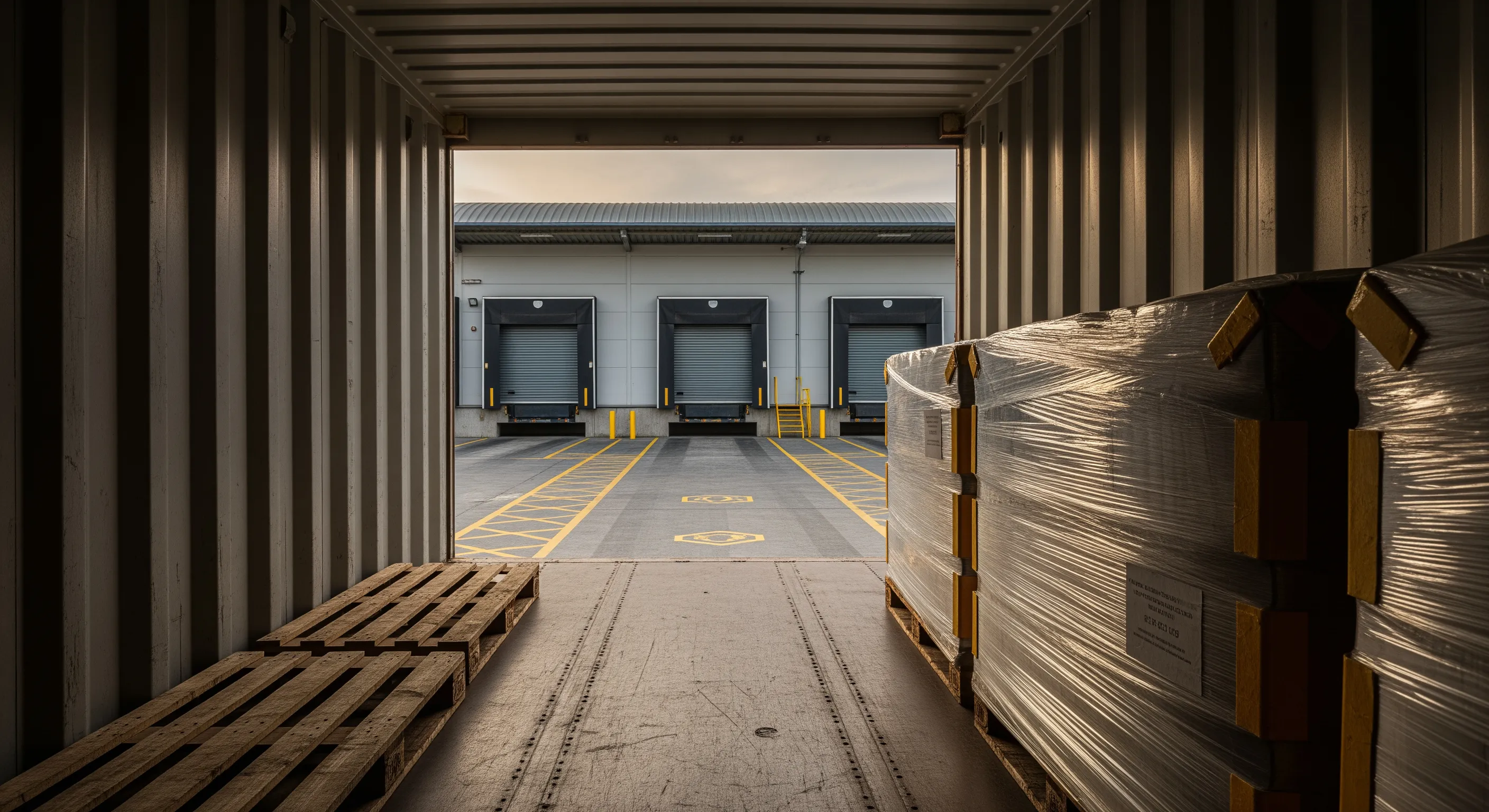
Efficient logistics management plays a crucial role in the success of clothing export operations. When sourcing secondhand clothing, understanding shipment schedules, customs requirements, and transportation options is paramount for B2B buyers. Working closely with logistics partners can help streamline the export process and minimize delays.
It is crucial to factor in lead times for restocking and plan accordingly to meet demand fluctuations. Consulting with experts in international shipping enhances the understanding of market dynamics, which can affect pricing and delivery timelines. Assessing competitive shipping options ensures that businesses maintain a healthy edge.
Pro tip: Leverage technology to track shipments and optimize logistics strategies for better inventory management.
Risk Management in Wholesale Clothing Sourcing
Effective risk management strategies protect B2B wholesale buyers from potential challenges when sourcing secondhand clothing. Setting clear agreements with suppliers helps define pricing structures, delivery expectations, and quality assurances, safeguarding against inconsistencies. Regular communication with suppliers fosters a collaborative relationship designed to mitigate risks.
Understanding the specific risks associated with used clothing—such as condition variations and compliance with local regulations—enables buyers to make informed choices. Implementing contingency plans can further safeguard operations and maintain efficiency.
| Risk | Cause | Mitigation |
|---|---|---|
| Quality Issues | Grading discrepancies | Implement standard operating procedures for quality checks |
| Shipping Delays | Transport bottlenecks | Establish relationships with multiple carriers |
| Regulatory Compliance | Fluctuating trade laws | Stay updated with government regulations |
| Market Volatility | Changes in demand | Monitor market trends and adjust orders accordingly |
Building a Sustainable Supplier Relationship
A sustainable relationship with suppliers enhances the reliability and quality of secondhand clothing sourcing. Trade buyers should prioritize transparency and communication to foster trust and collaboration. Regular evaluations of supplier performance, along with feedback exchanges, help to refine processes and address issues proactively.
Furthermore, investing in long-term partnerships enables buyers to negotiate favorable terms and build a consistent supply chain. This strategic alignment not only meets immediate business needs but supports an adaptive approach to changing market dynamics.
Pro tip: Schedule periodic reviews with your suppliers to assess performance and align expectations for long-term success.
Unlock Cost Savings and Inventory Variety with Trusted UK Bulk Clothing Sourcing

For trade buyers who need consistent bulk supply and clear grading expectations, explore Original Secondhand at originalsecondhand.com. If you’d like a quick recommendation on the best fit for your business model, volumes, and export requirements, contact the team here: Contact Us.
Frequently Asked Questions
What types of secondhand clothing are available?
Available types include various styles, sizes, and grades, catering to distinct market needs.
How can I ensure quality in secondhand purchases?
Familiarizing yourself with the grading system and establishing quality checks is essential.
What logistics considerations are crucial for clothing export?
Key considerations include shipping timelines, customs regulations, and transport options.
How do I mitigate risks in wholesale sourcing?
Implement clear agreements with suppliers and maintain constant communication.