
For UK businesses looking to expand, sourcing second-hand clothing wholesale in the USA presents an opportunity to connect with reliable suppliers for bulk purchases and exports. The growing market for used clothing not only caters to sustainability efforts but also offers cost-effective options for wholesale buyers looking to diversify their inventory. Understanding the landscape of suppliers, grading standards, and logistics is essential for making informed decisions in this competitive arena.
Table of Contents
- Understanding Second Hand Clothing Wholesale Sourcing in the USA
- Key Benefits of Sourcing Second Hand Wear
- Exploring Supplier Options in the USA
- Grading and Segmentation in Used Clothing
- Logistics and Export Operations
- Establishing Long-term Relationships with Suppliers
Key Takeaways
| Aspect | Details |
|---|---|
| Volume & MOQ | Understand minimum order quantities to optimize costs. |
| Grading Signals | Be aware of grading standards for quality assurance. |
| Logistics Readiness | Evaluate suppliers on their shipping capabilities and timelines. |
| Margin Discipline | Control costs to maintain profit margins over sales. |
Understanding Second Hand Clothing Wholesale Sourcing in the USA
The second hand clothing wholesale market in the USA has been growing steadily, fueled by sustainable fashion movements and increasing consumer interest in preloved items. For UK businesses, this trend opens avenues to source high-quality used garments that generate interest in diverse markets. However, understanding local regulations and compliance when exporting is crucial.
Engaging with knowledgeable suppliers who can provide insight into market trends ensures UK businesses can tailor their offerings to customer demands. Establishing relationships with US wholesalers may also uncover unique product lines exclusive to the American market.
Pro tip: Research potential suppliers' reputations and customer reviews for added assurance before placing your initial order.
Key Benefits of Sourcing Second Hand Wear
Sourcing second-hand clothing allows businesses to tap into the growing eco-conscious market. Consumers are increasingly looking for sustainable options, making the resale of second-hand goods a profitable venture. UK traders can leverage the benefits of purchasing in bulk from US suppliers, which often results in lower costs per unit.
Moreover, second-hand clothing presents a unique selling proposition. Buyers are often attracted to the distinct styles and qualities that may not be readily available in fast fashion. Sourcing from different markets helps in diversifying inventory, appealing to varied customer preferences.
Pro tip: Highlight the uniqueness of your inventory to attract more customers.
Exploring Supplier Options in the USA
When searching for suppliers in the USA, it’s essential to evaluate their reliability and product offerings. Established vendors often provide comprehensive information about their grading processes, inventory management, and shipping capabilities. Use trade shows and industry events to connect with potential suppliers and gain insights into product quality.
Utilizing platforms that specialize in B2B wholesale can further enhance sourcing efforts, connecting UK buyers directly with USA suppliers. It’s also advisable to compare different suppliers' prices and terms to negotiate better deals.

Pro tip: Prioritize suppliers willing to provide detailed product descriptions and sample reviews.
Grading and Segmentation in Used Clothing
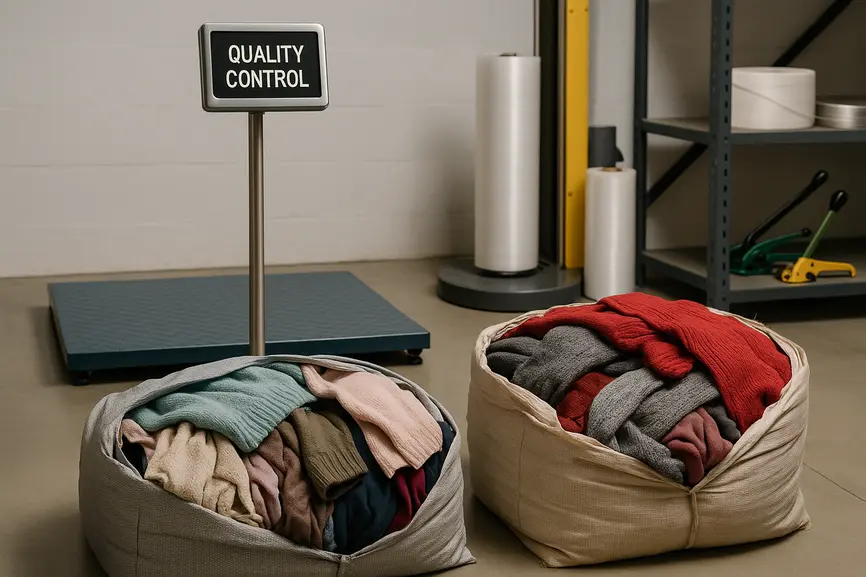
Grading is crucial in the second hand clothing wholesale process, as it directly impacts the pricing and potential profitability. Different grades denote varying quality levels, which influence resale value. Familiarising yourself with common grading systems used by suppliers in the USA can aid in making informed purchasing decisions.
Establishing clear grading criteria helps maintain consistency in product offerings, enabling UK businesses to meet customer expectations effectively. It's also wise to request specific grading reports during the procurement process to ensure transparency.
Pro tip: Always confirm grading standards with suppliers before finalizing orders to reduce discrepancies.
Logistics and Export Operations
Logistics play a pivotal role in the successful import of second-hand clothing. Understanding shipping options, lead times, and customs regulations will streamline the entire process. Opting for suppliers with robust logistics capabilities can mitigate delays and ensure smooth delivery.
Additionally, it’s essential to prepare all necessary documents like commercial invoices and packing lists ahead of time to facilitate the export process. Monitoring inventory levels and shipment progress post-order ensures operational efficiency.
Pro tip: Work closely with freight forwarders familiar with both UK and USA regulations for smoother transactions.
Establishing Long-term Relationships with Suppliers
Building lasting relationships with suppliers can foster trust and reliability, greatly benefiting your business in the long run. Consistent communication regarding expectations and feedback will help enhance the quality of service received. Regularly checking in on inventory levels and order timelines can also strengthen partnership ties.
Consider joining industry networks or associations to access additional resources aimed at improving supplier collaborations. These connections can yield valuable insights into market trends and emerging opportunities.
Pro tip: Nurture relationships by recognizing supplier efforts and incentivizing performance improvements.
Unlock Cost Savings and Inventory Variety with Trusted UK Bulk Clothing Sourcing

For trade buyers who need consistent bulk supply and clear grading expectations, explore Original Secondhand at originalsecondhand.com. If you’d like a quick recommendation on the best fit for your business model, volumes, and export requirements, contact the team here: Contact Us.
Frequently Asked Questions
What types of second-hand clothing can businesses import?
Businesses can import a variety of second-hand clothing that includes casual wear, formal wear, and specialty items, depending on the focus of their target market.
How do I evaluate a supplier's reliability?
Checking reviews, requesting samples, and inquiring about their grading processes are effective ways to assess a supplier’s reliability.
What are the benefits of third-party logistics?
Third-party logistics can simplify the shipping process, offering expertise in customs regulations and transporting goods efficiently.
Is there a need for product inspection before purchase?
Yes, inspecting products before purchase can ensure quality and avoid potential returns or dissatisfaction.