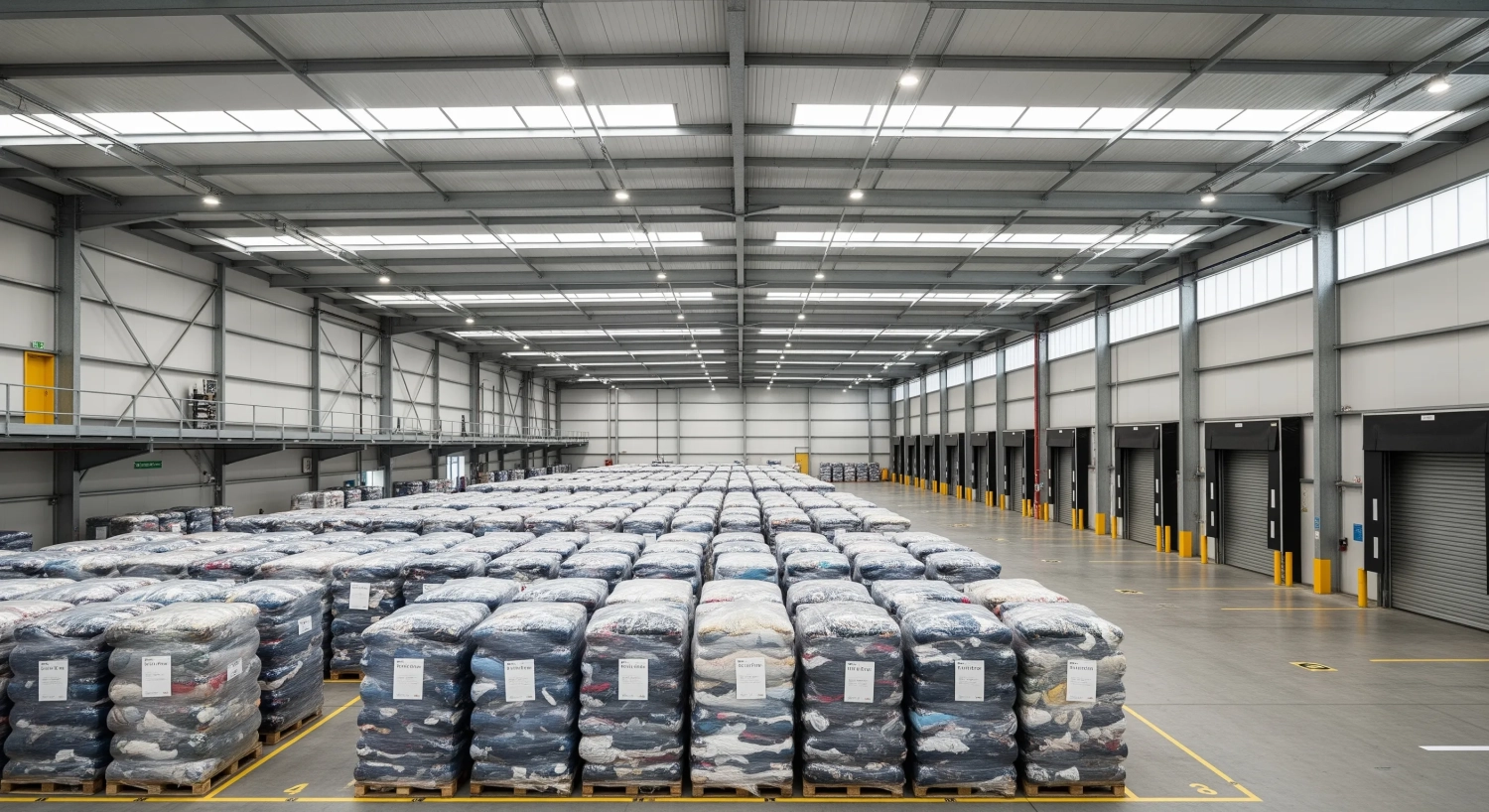
The second-hand clothing market is increasingly becoming essential for B2B buyers in the UK seeking reliable wholesale sources. With a focus on sustainability, traders are looking for trustworthy suppliers who can deliver quality used clothing in bulk. This practical guide explores various options for purchasing second-hand used clothes wholesale, catering specifically to exporters and store owners looking to diversify their inventory while managing costs effectively.
Table of Contents
- Understanding the Second-Hand Clothing Market
- Benefits of Sourcing Second-Hand Clothes
- Grading Criteria for Second-Hand Clothing
- The Logistics of Wholesale Bulk Sourcing
- Exporting Second-Hand Clothing to International Markets
- Risk Management in Wholesale Sourcing
Understanding the Second-Hand Clothing Market
The international second-hand clothing trade has expanded considerably, with research indicating significant flows of used textiles across borders. For trade buyers, understanding this market's dynamics is critical to making informed sourcing decisions. It is important to identify reputable suppliers that can provide consistent quality and reliable delivery schedules. According to MDPI analysis, the collection of second-hand clothing varies significantly by region, impacting availability and pricing strategies.
Industry reports highlight the ethical considerations of this trade, especially regarding the impact on local economies in importing regions. Consequently, ethical sourcing has become a focal point for many wholesalers and exporters, enhancing their brand image and appeal to environmentally conscious consumers.
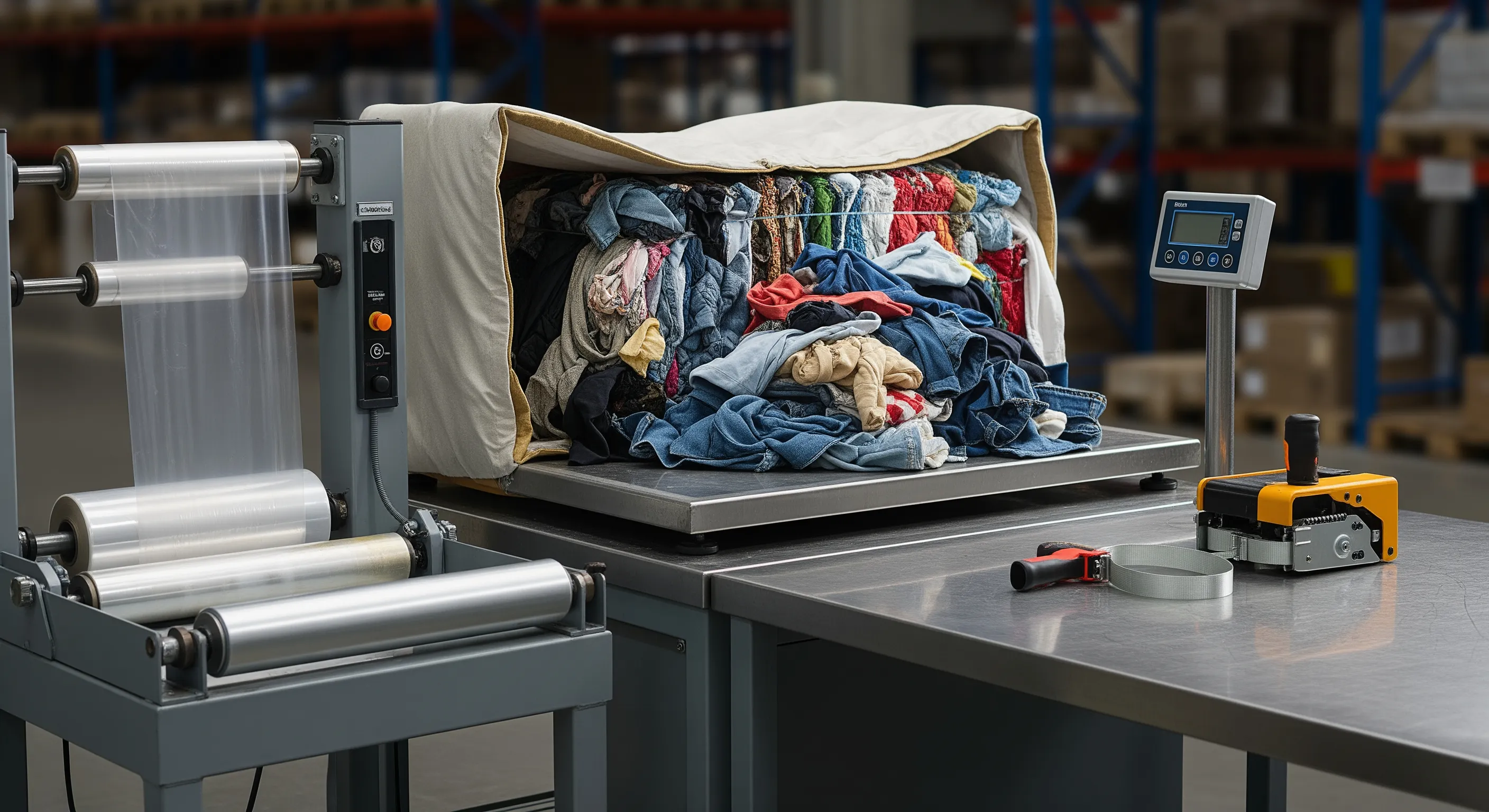
Pro tip: Ensure that your supplier is transparent about their grading criteria and can provide samples before making larger orders to guarantee quality.
Benefits of Sourcing Second-Hand Clothes
Sourcing second-hand clothes offers numerous advantages, including cost savings and environmental benefits. Not only do trade buyers save on upfront costs, but purchasing used clothing also aligns with sustainable fashion initiatives, helping to reduce the environmental footprint of the fashion industry. As outlined in ethical market analyses, the reduction in waste and resource consumption is an appealing proposition for many B2B companies.
Additionally, suppliers of second-hand clothing often provide flexible purchasing options, allowing buyers to select from various packaging sizes and quantities to suit their needs. This flexibility can be particularly advantageous for new businesses looking to enter the market without significant investment. Understanding the logistical processes behind sourcing these garments is imperative for optimizing supply chain effectiveness.

Pro tip: Leverage relationships with suppliers to negotiate better pricing and more favorable terms based on delivery schedules and order volumes.
Grading Criteria for Second-Hand Clothing
Understanding how second-hand clothing is graded is essential for making informed purchasing decisions. Grading typically involves categories that designate the quality and type of garments. As reported in study reports, acceptable grading standards can vary widely, influencing the final cost and resale value of the products.
Buyers must be familiar with these grading levels—ranging from 'A' grade, which is nearly new, to lower grades that may require refurbishment or repairs. Having a clear understanding of these grades helps buyers negotiate better deals and reduces the risk of unsold stock.
Pro tip: Always request detailed grading reports from suppliers to ensure you are aware of the condition of the stock you will be receiving.
The Logistics of Wholesale Bulk Sourcing
The logistics involved in sourcing second-hand clothing wholesale can be complex. Suppliers must ensure that items are collected, sorted, and packaged properly to meet international standards. Efficient logistical operations can help minimize delays and control costs. The EU’s recent reports, like ETC CE Report, highlight the importance of effective supply chain management in the second-hand market, especially given the rising demand for sustainability.
Trade buyers should evaluate suppliers based on their logistical capabilities, ensuring they can handle the volumes needed while maintaining quality standards. This may include examining their warehousing practices as well as their handling and shipping processes. A reliable supplier should also be prepared to offer details about lead times and freight costs.
Pro tip: Conduct regular audits of your logistic processes to identify areas for improvement and ensure compliance with shipping regulations.
Exporting Second-Hand Clothing to International Markets
When exporting second-hand clothing, trade buyers must navigate a variety of regulations depending on their target markets. Understanding local import laws is critical to avoid costly mistakes, which can include fines or rejected shipments. Reports highlight the increasing complexities surrounding the export of used textiles, as indicated in the EU Circular Economy perspectives.
Moreover, knowing the preferred styles and types of clothing in target regions allows sellers to tailor their offerings, increasing the likelihood of successful sales. An assessment of market demand can be informed by data from global textile exporters, particularly concerning what items are trending.
Pro tip: Engage with local partners in target markets to understand consumer preferences and enhance your export strategy.
Risk Management in Wholesale Sourcing
Effective risk management is essential for minimizing uncertainties associated with purchasing second-hand clothing. Issues such as stock inconsistencies, shipping delays, and legal compliance can impact profit margins. As stated in the Dutch textiles report, having a solid risk management strategy can help mitigate these risks.
A thorough understanding of potential pitfalls can aid businesses in making informed decisions. For instance, implementing risk control measures can enhance operational effectiveness. Creating a risk table is a common practice among seasoned importers.
| Risk | Cause | Mitigation |
|---|---|---|
| Stock inconsistencies | Grading discrepancies | Request detailed reports from suppliers |
| Shipping delays | Poor logistics management | Audit logistic processes regularly |
| Legal compliance issues | Inadequate knowledge of regulations | Stay informed about local laws |
| Market demand uncertainty | Shifting consumer preferences | Engage local market analysis |
Pro tip: Develop a contingency plan to address potential supply chain disruptions and ensure business continuity.
Unlock Cost Savings and Inventory Variety with Trusted UK Bulk Clothing Sourcing

For trade buyers who need consistent bulk supply and clear grading expectations, explore Original Secondhand at originalsecondhand.com. If you’d like a quick recommendation on the best fit for your business model, volumes, and export requirements, contact the team here: Contact Us.
Frequently Asked Questions
What should I look for when sourcing second-hand clothing?
Look for reliable suppliers who provide detailed grading reports, flexible logistics, and good communication.
How does grading impact pricing?
Higher quality grades command higher prices, while lower grades can require further investment in refurbishment.
What are the key logistical considerations?
Consider warehousing capabilities, shipping processes, and lead times when evaluating suppliers.
How can I manage risks effectively?
Implement regular audits, stay informed about market trends, and develop contingency plans to address disruptions.