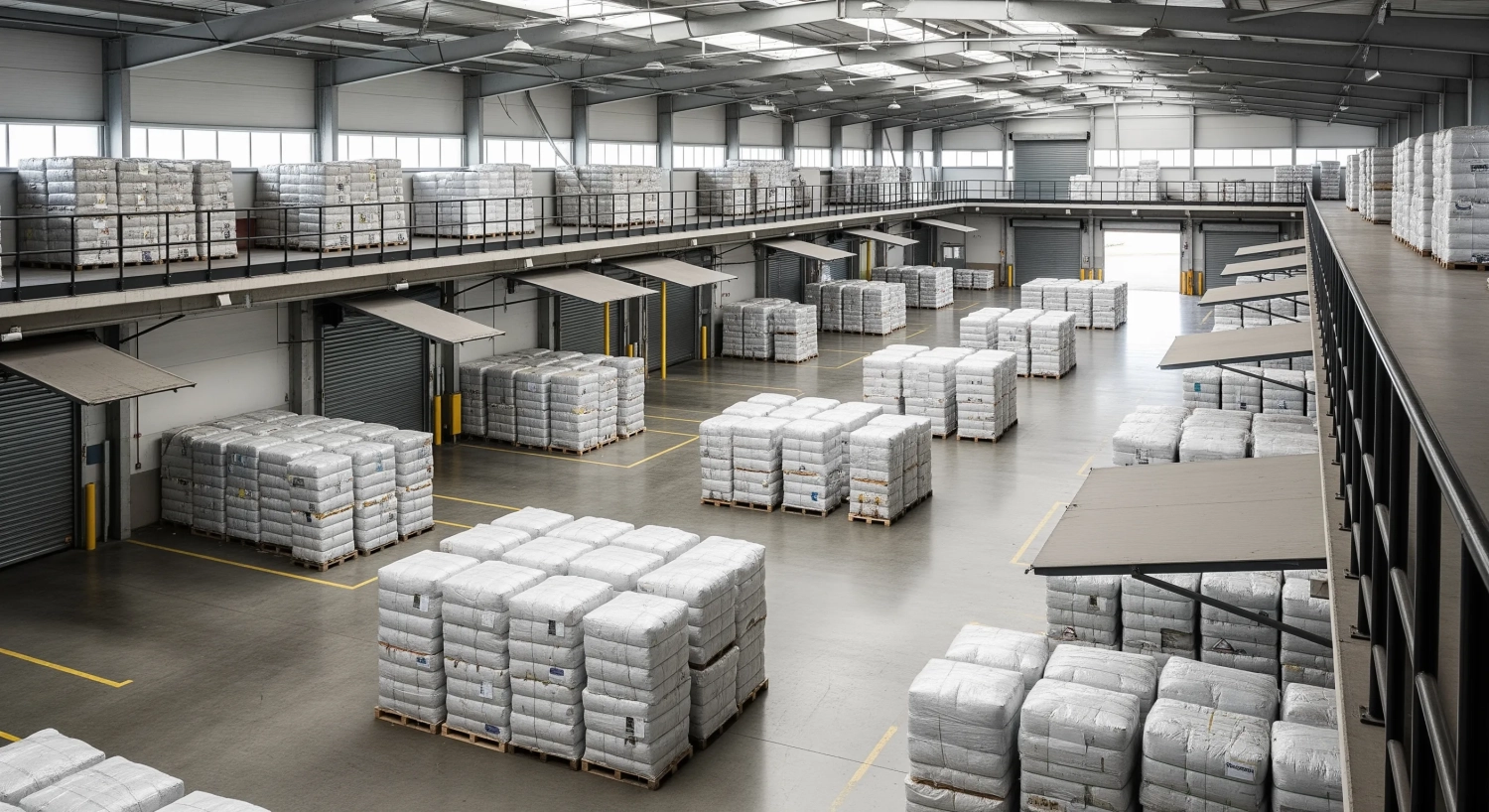
In the competitive landscape of B2B wholesale, sourcing quality second-hand clothing in the UK provides a strategic advantage for trade buyers. By choosing reliable suppliers for wholesale second-hand clothing, businesses can secure a sustainable inventory while meeting diverse market needs. Options such as wholesale bales and shipping-ready containers allow for seamless inventory management and quick export capabilities. Understanding grading standards and supply chain readiness will enhance your ability to cater to your clients effectively.
Table of Contents
- What is Wholesale Second Hand Clothing?
- Benefits of Sourcing Second Hand Clothing
- Grading and Quality Control
- Logistics and Shipping Considerations
- Market Trends and Economic Impact
- Risk Mitigation Strategies in Second-Hand Clothing Import
Key Takeaways
| Focus Area | Considerations |
|---|---|
| Volume Flexibility | Assess minimum order quantities (MOQs) for better margins. |
| Quality Assessment | Verify product grading to manage client expectations. |
| Logistics Preparedness | Ensure logistics infrastructure is in place for timely deliveries. |
| Risk Control | Implement controls to mitigate supply chain disruptions. |
What is Wholesale Second Hand Clothing?
Wholesale second-hand clothing refers to the bulk purchase of used garments typically sourced from donations, unsold retail stock, or returned items. This segment of the market has shown significant growth due to the rising sustainability concerns among consumers.
According to an academic study, the international used clothing trade contributes to sustainability efforts by prolonging the lifecycle of textiles. This allows businesses to tap into a growing market while promoting circular fashion practices.
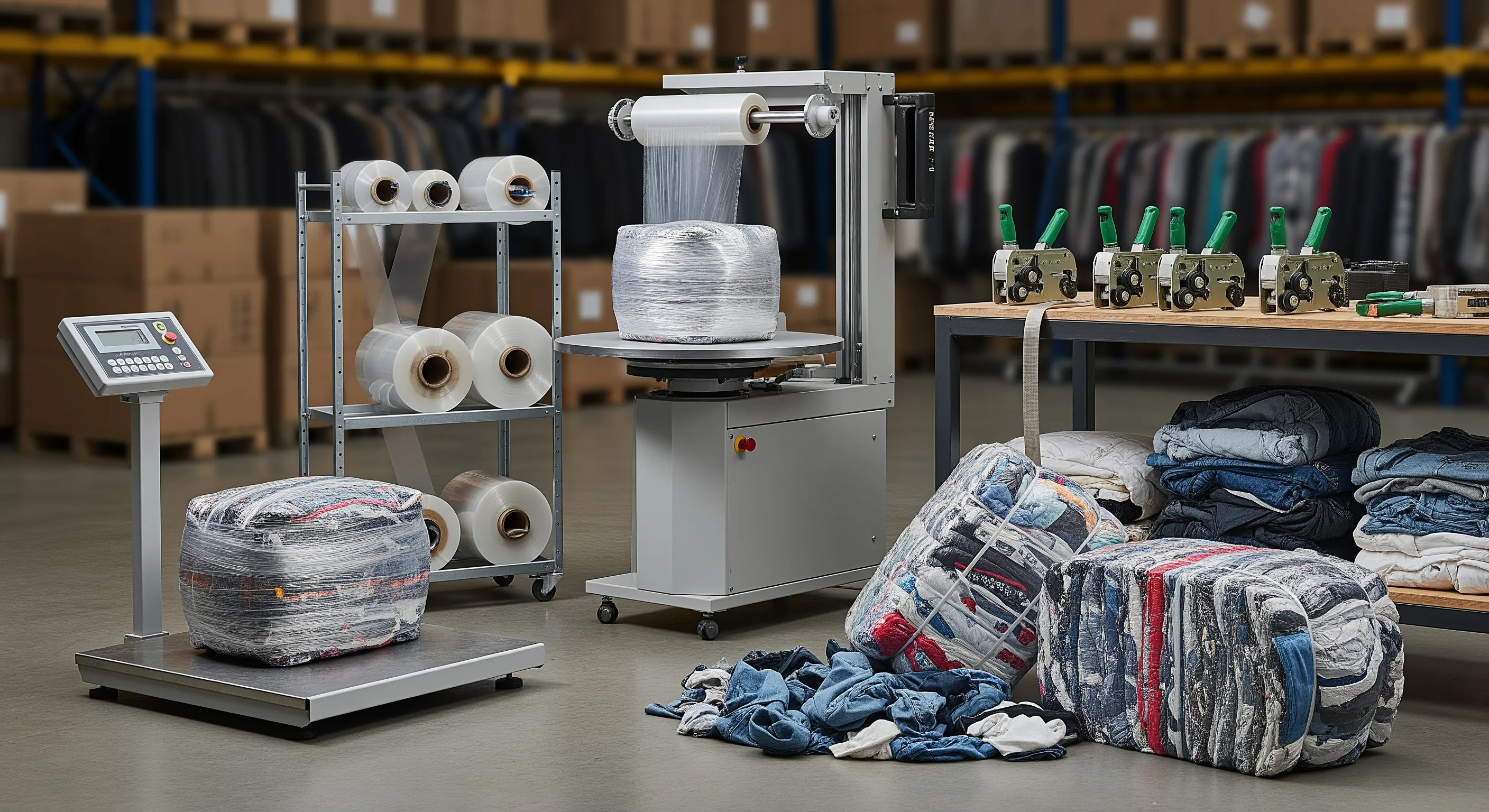
Pro tip: When selecting wholesale bales, ask for samples to assess the mix and quality of garments before making larger purchases.
Benefits of Sourcing Second Hand Clothing
Sourcing second-hand clothing offers numerous benefits for wholesalers and retailers alike. It provides an economical alternative to new clothing and meets the increasing consumer demand for sustainable options. Furthermore, it allows businesses to diversify their product ranges without significant capital investment.
In addition to cost savings, engaging in the second-hand market can enhance a company’s brand value. With the shift in consumer attitudes towards sustainability, businesses that provide eco-friendly options stand to benefit in the long term. Notably, a recent study on consumer behavior highlights an increasing willingness to purchase second-hand items.
Pro tip: Leverage social media platforms to promote your sustainable product offerings and connect with environmentally conscious customers.
Grading and Quality Control
Effective grading and quality control are critical when dealing with wholesale second-hand clothing. Each batch of clothing is typically assessed for its condition and categorized accordingly. Grading standards can vary, so it’s essential to clarify these expectations with your suppliers upfront.
Quality control procedures can include visual inspection, material checks, and ensuring that items meet specific hygiene standards. Engaging with suppliers that prioritize transparency in their grading processes can minimize risks and enhance buyer confidence. For reference, see the research on circular fashion platforms and their role in this space.
Pro tip: Establish a checklist for quality inspections to ensure consistency across shipments and maintain your brand's reputation.
Logistics and Shipping Considerations
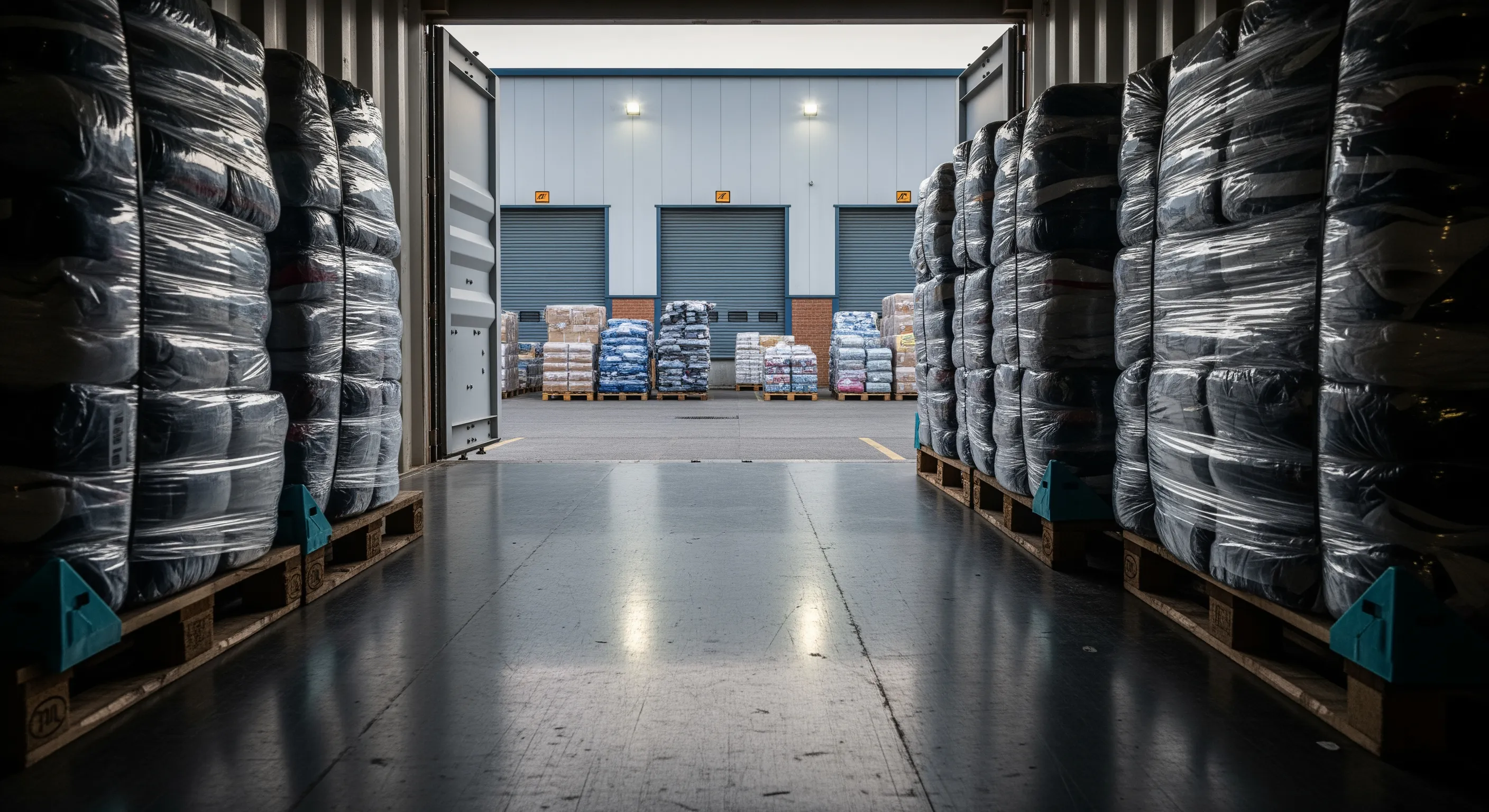
The logistics of importing second-hand clothing can be complex, especially when scaling operations. Ensuring that you have reliable transport and shipping methods in place is crucial for maintaining deadlines and inventory turnover.
Using a dedicated logistics partner can simplify the process significantly. It ensures that your products are shipped in compliance with local and international regulations. To understand the regulatory framework, consider reviewing the LCA assessment report that outlines best practices.
Pro tip: Regularly review shipping processes and negotiate contracts to optimize costs and improve service levels.
Market Trends and Economic Impact
Understanding market trends is vital for making informed decisions about second-hand clothing sourcing. A growing demand for used textiles is evident, driven largely by shifting consumer preferences towards sustainability.
The economic impact of second-hand clothes is significant, as noted in the EU report on textiles in Europe’s circular economy. It showcases that engagement in this sector brings economic benefits including job creation and less waste generation.
Pro tip: Keep abreast of local consumer trends and adjust your inventory according to demand patterns.
Risk Mitigation Strategies in Second-Hand Clothing Import
Mitigating risks in the wholesale second-hand clothing sector is essential for ensuring consistent quality and supply. Common risks include fluctuating supply chains and regulatory compliance challenges.
Effective strategies can include diversifying your supplier base and maintaining a good relationship with multiple sources. Additionally, regularly reviewing contracts and terms with all suppliers can prevent issues. For an overview of risk factors, consult the socioeconomic impact study.
| Risk | Cause | Mitigation |
|---|---|---|
| Supply Chain Disruption | Natural disasters or political issues | Diversify suppliers |
| Regulatory Changes | New import/export regulations | Stay informed on laws |
| Quality Variability | Inconsistent grading practices | Establish clear grading agreements |
| Market Fluctuations | Changing consumer preferences | Regular market analysis |
Unlock Cost Savings and Inventory Variety with Trusted UK Bulk Clothing Sourcing

For trade buyers who need consistent bulk supply and clear grading expectations, explore Original Secondhand at originalsecondhand.com. If you’d like a quick recommendation on the best fit for your business model, volumes, and export requirements, contact the team here: Contact Us.
Frequently Asked Questions
What types of clothing can I purchase wholesale?
Typically, you can source a broad range of categories, including apparel, accessories, and seasonal items.
How are the products graded?
Grading usually involves visual inspection and quality assurance checks to classify items into categories.
What is the minimum order quantity?
Minimum order quantities can vary between suppliers; it's best to confirm directly with them.
How do I ensure sustainable sourcing?
Work only with suppliers that prioritize sustainability and transparency in their operations.