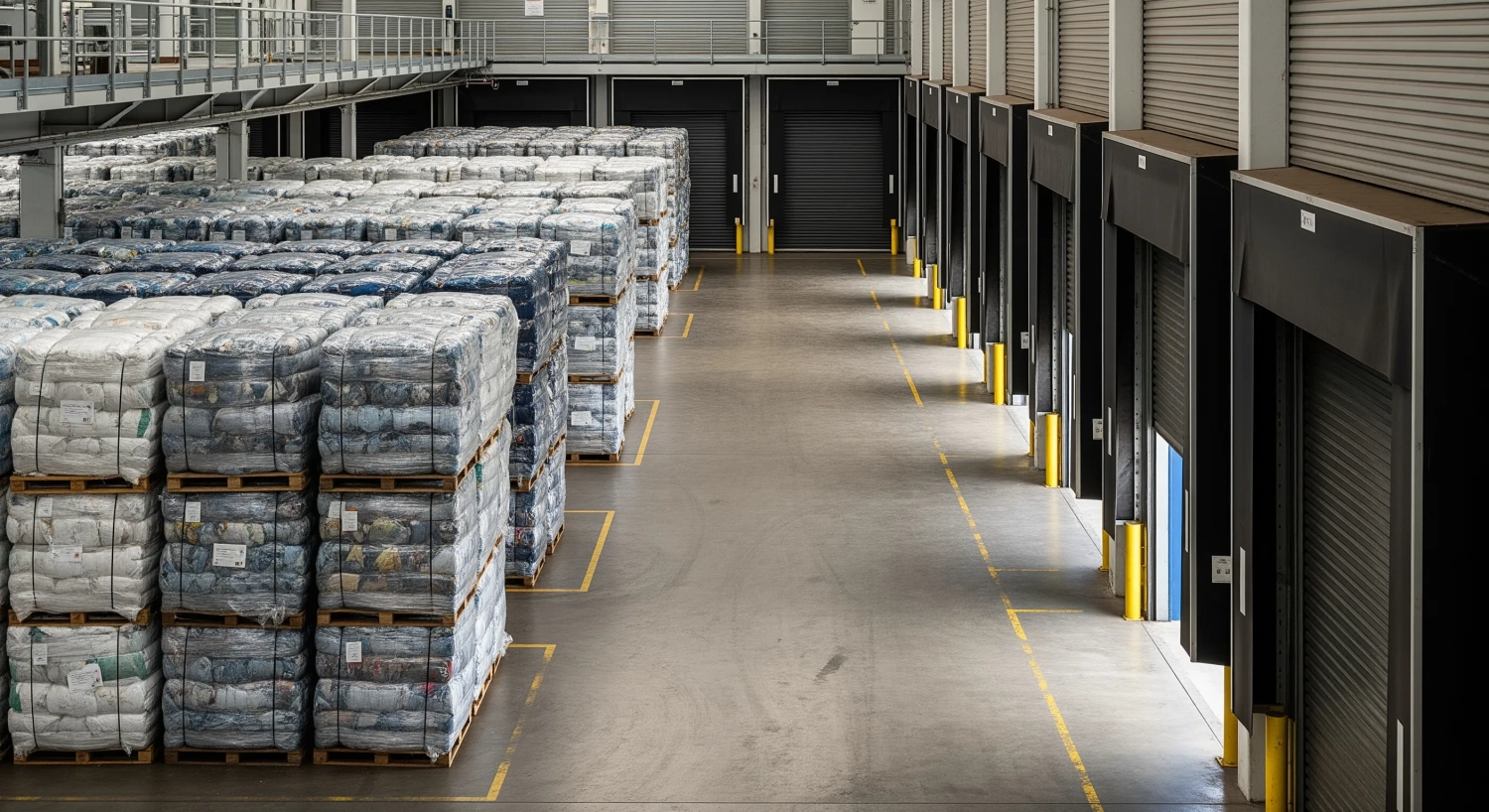
As the demand for sustainable fashion grows, wholesale used clothing and shoes have become essential for B2B buyers in the UK. This market caters specifically to exporters and retailers interested in bulk purchasing, allowing them to meet consumer needs while benefiting from cost savings. Understanding the nuances of sourcing secondhand textiles can enhance trading opportunities, facilitate logistics, and ensure compliance with grading standards. Discover the competitive advantages of engaging with reliable wholesale suppliers to effectively stock your inventory.
Table of Contents
- Key Features of Wholesale Used Clothing
- Exploring Wholesale Used Shoes
- Container Sourcing Tips for Export
- Understanding Grading Systems
- Logistics and Distribution Strategies
- Risk Management in Wholesale Sourcing
Key Takeaways
| Aspect | Description |
|---|---|
| Volume Requirements | Wholesale buyers often need to meet Minimum Order Quantities (MOQ) depending on their trading agreements and client demand. |
| Grading Signals | Understanding grading signals is crucial to ensure quality assurance during sourcing, which affects resale value. |
| Logistics Readiness | Preparedness for logistics includes understanding lead times, shipping options, and storage solutions. |
| Risk Control | Implementing risk control measures minimizes financial exposure from unsold or damaged inventory. |
Key Features of Wholesale Used Clothing
Wholesale used clothing provides a plethora of styles and choices suitable for various markets. Buyers may source premium quality garments that cater to particular demographics or fashion trends. This adaptability enables companies to enhance their product offerings while maintaining competitive pricing.
Container sourcing allows bulk buyers to maximize their investment, as shipping costs can be managed effectively when acquiring larger quantities. Ensuring a consistent supply can build longstanding relationships with suppliers, ultimately improving the trading experience.
Exploring Wholesale Used Shoes
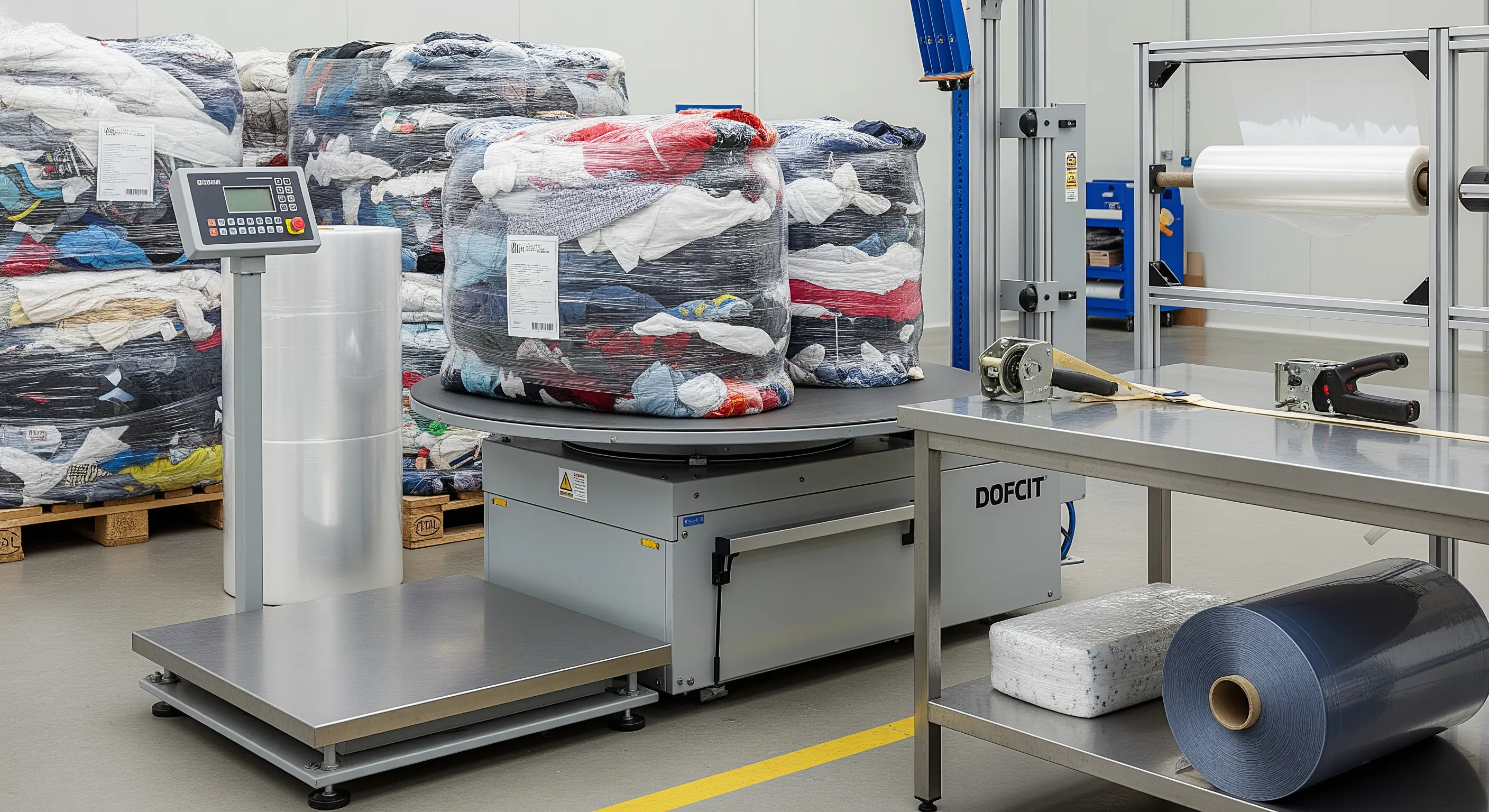
Used shoes are another essential category for wholesale buyers looking to diversify their inventory. The range includes casual, formal, and athletic footwear, allowing businesses to cater to different customer needs. Sourcing footwear in bulk creates avenues for excellent margins, especially if the grading indicates high-quality products.
Understanding the condition and style trends of used shoes can significantly impact stock turnover rates. Buyers should seek suppliers that offer clear grading and quality assurance to minimize risk and enhance inventory management.
Container Sourcing Tips for Export
When sourcing containers for used clothing and shoes, understanding shipping logistics is paramount. Trade buyers must consider the best practices in export procedures to maximize efficiency and reduce costs. Collaborating with logistics providers can provide insights into optimal shipping routes and customs compliance.
Timing is also critical; buyers should plan their orders to account for seasonal demand fluctuations. This foresight can mitigate the risks associated with excess inventory that may not sell during off-peak seasons.

Understanding Grading Systems
Grading systems are an integral part of the used clothing and shoes market. Each grade reflects quality and wear levels, directly influencing resale value and purchasing decisions. Understanding these grading standards can help B2B buyers make informed choices when sourcing products.
Clear collaboration with suppliers regarding grading expectations ensures that buyers receive products that align with their business models. Frequent audits and quality checks can strengthen these partnerships, leading to better stock management and improved supplier accountability.
Pro tip: Establish a consistent communication channel with suppliers to discuss grading and quality expectations regularly.
Logistics and Distribution Strategies
A well-structured logistics strategy is vital for efficient wholesale operations. Understanding warehousing needs, packing requirements, and distribution channels can significantly impact overall efficiency. Buyers should think critically about warehousing costs and choose strategic locations to save on shipping expenses.
Implementing technology solutions such as inventory management systems can streamline operations, reduce errors in order fulfillment, and enhance customer satisfaction.
Pro tip: Regularly review logistics strategies to ensure alignment with current market demands and pricing structures.
Risk Management in Wholesale Sourcing
In wholesale operations, risk management is essential to safeguard investments. Identifying potential risks, such as supply chain disruptions or inventory loss, is the first step in creating a comprehensive risk management plan.
Utilizing insurance options and diversifying suppliers can help mitigate the financial implications of risks. Continually reassessing these strategies ensures that businesses can adapt to changing market environments.
| Risk | Cause | Mitigation |
|---|---|---|
| Supply Chain Disruption | Natural disasters or political issues | Diverse supplier base and contingency plans |
| Inventory Loss | Theft or damage in transport | Insurance and secure packing methods |
| Market Volatility | Unpredictable demand fluctuations | Flexible pricing and stock management |
| Quality Control Issues | Inconsistent grading from suppliers | Regular audits and supplier agreements |
Unlock Cost Savings and Inventory Variety with Trusted UK Bulk Clothing Sourcing

For trade buyers who need consistent bulk supply and clear grading expectations, explore Original Secondhand at originalsecondhand.com. If you’d like a quick recommendation on the best fit for your business model, volumes, and export requirements, contact the team here: Contact Us.
Frequently Asked Questions
What is the minimum order quantity for wholesale used clothing?
The minimum order quantity can vary depending on the supplier and specific arrangements, usually starting from several bales.
How do grading systems work?
Grading systems categorize clothing and shoes based on their condition, guiding buyers on typical resale values and quality.
What are the benefits of sourcing used clothing for business?
Sourcing used clothing can be cost-effective, environmentally friendly, and appealing to a demographic increasingly interested in sustainable fashion.
How can I ensure quality when buying wholesale used shoes?
To ensure quality, work with reputable suppliers that implement strict grading and quality control measures.