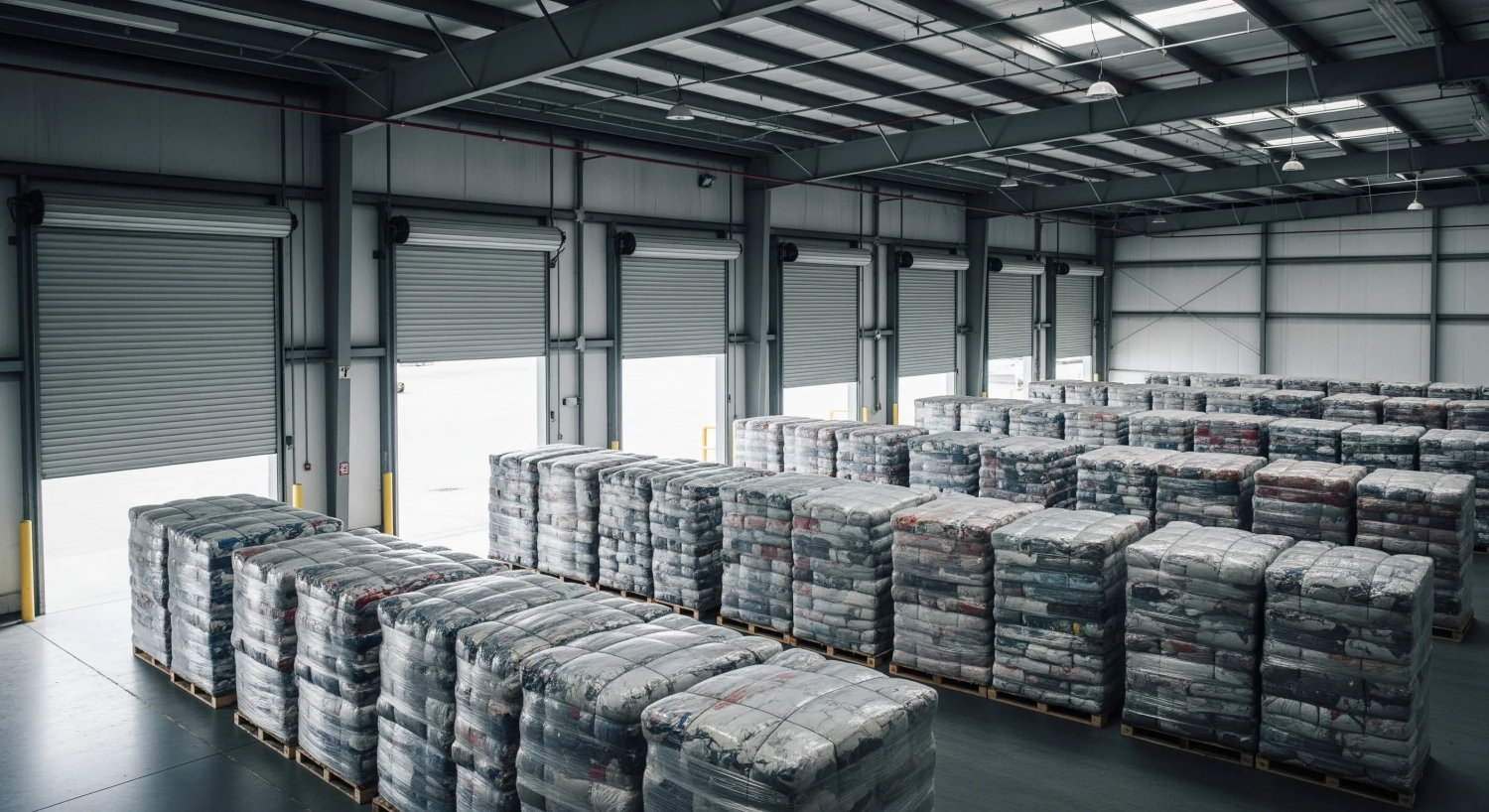
California represents a significant hub for businesses looking to procure wholesale used clothing, especially for B2B operations. As a wholesaler or exporter, having access to reliable suppliers who can provide bulk second-hand clothing and compliant export operations can be a game changer. This guide will explore the landscape of wholesale used clothing in California, covering considerations like grading, logistics, and supplier connections, ensuring that your sourcing strategy aligns with operational needs.
Table of Contents
- Understanding the Market for Wholesale Used Clothing
- Key Sourcing Criteria for Buyers
- Wholesale Suppliers in California
- Importing and Exporting Second-hand Clothing
- Navigating Grading Systems for Bulk Clothing
- Challenges and Mitigation Strategies
Key Takeaways
| Consideration | Details |
|---|---|
| Volume Requirements | Ensure your supplier can meet minimum order quantities for efficiency. |
| Grading Expectations | Understand the grading system used by suppliers for clear quality benchmarks. |
| Logistics Readiness | Confirm that the supplier has shipping and handling capabilities suitable for your needs. |
| Risk Factors | Assess potential risks in various supply chain components, from grading issues to shipping delays. |
Understanding the Market for Wholesale Used Clothing
The demand for wholesale used clothing in California is shaped by both local and global factors. Increasing environmental concerns have prompted many retailers and resellers to consider second-hand clothing as a sustainable alternative to fast fashion. As a result, there is a robust market for B2B suppliers who can offer consistent quality and a transparent grading system.
Potential buyers, including wholesalers, store owners, and marketplace sellers, can benefit from understanding the diverse segments of the used clothing market. Knowing which categories—such as casual wear, work attire, and seasonal clothing—are in high demand can significantly improve purchasing strategies.
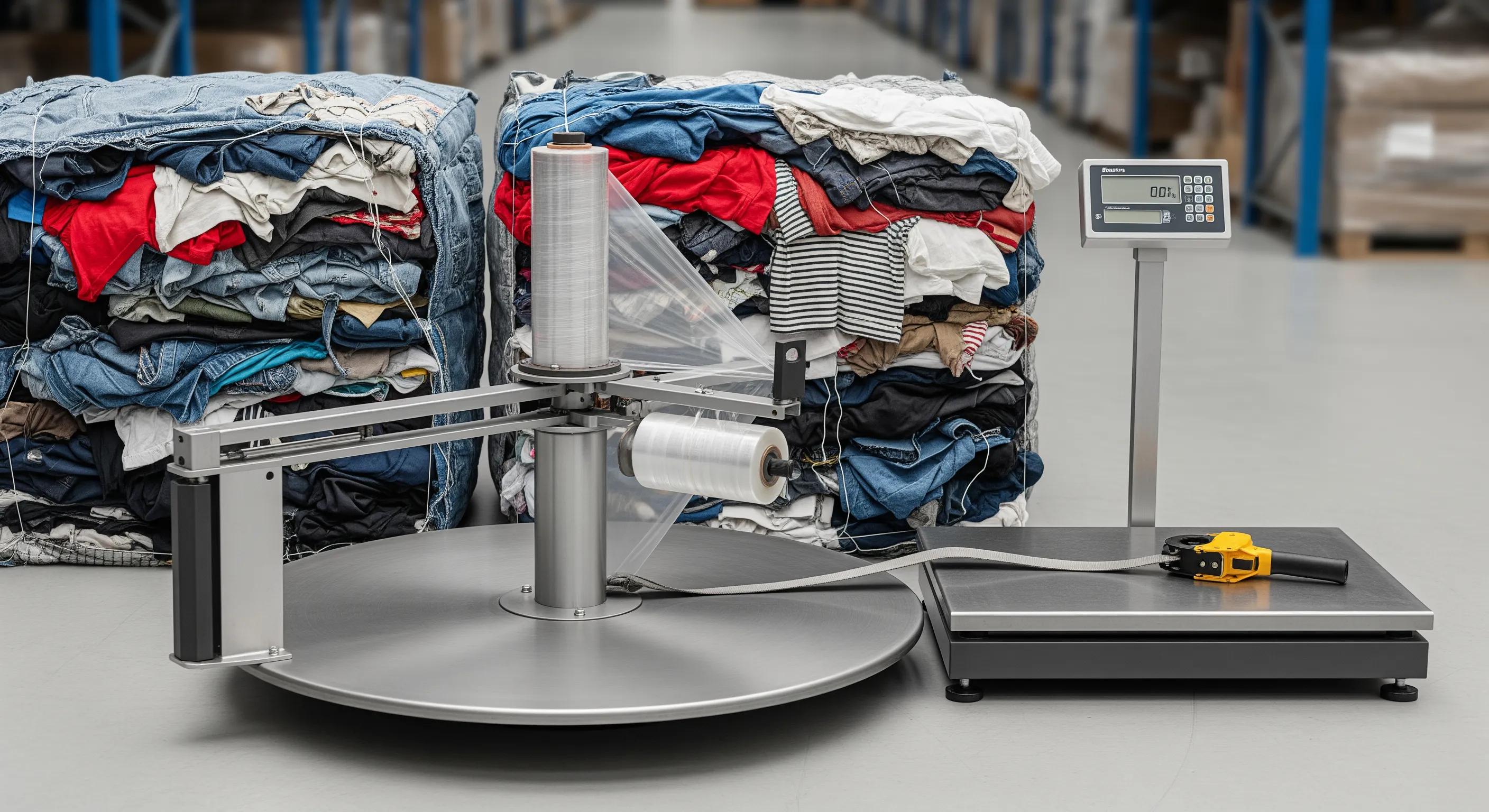
Pro tip: Stay updated on industry trends to better align your sourcing with evolving consumer demands.
Key Sourcing Criteria for Buyers
When sourcing wholesale used clothing in California, it's essential to establish clear criteria to evaluate potential suppliers. Key factors include the range of clothing types offered, quality assurance processes, and logistical capabilities. Establishing a good rapport with suppliers can also facilitate smoother transactions and clearer expectations.
Furthermore, companies should consider suppliers who maintain rigorous quality control throughout the supply chain. This ensures that the clothing being sourced meets the necessary standards for resale or export.
Pro tip: Visit suppliers in person if possible; this can provide significant insight into their operational processes and product quality.
Wholesale Suppliers in California
California is home to a diverse range of wholesale suppliers specializing in second-hand clothing. These suppliers are integral to the export industry and often provide packing lists and grading specifications to help B2B buyers make informed decisions. Look for suppliers who are transparent about their sourcing practices and can provide accurate product descriptions.
A good supplier will also understand the needs of the international market, including certifications and customs regulations applicable to exported second-hand clothing. Checking supplier ratings and reviews can help you make informed decisions.
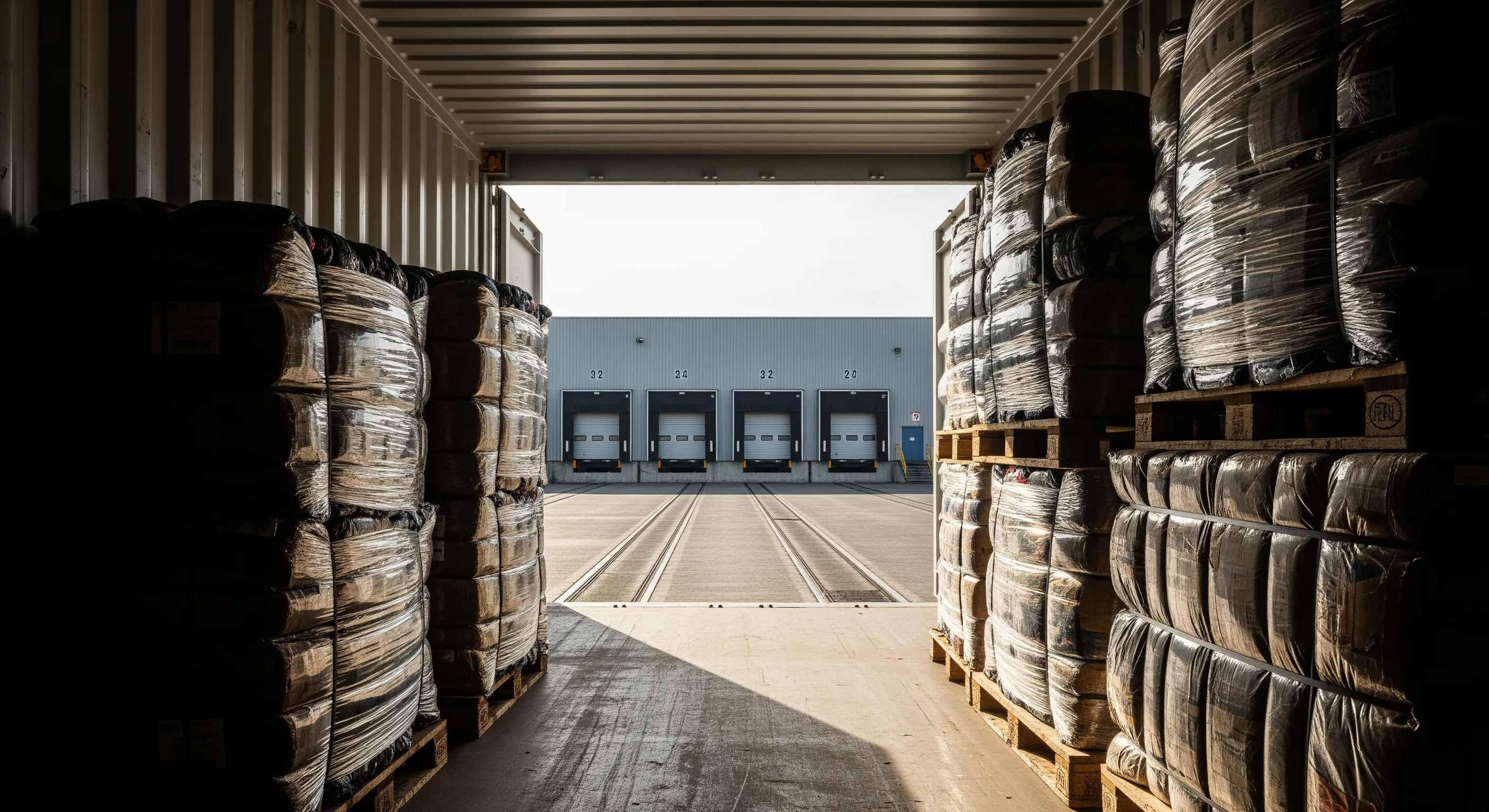
Pro tip: Always ask for references from suppliers to understand their reliability and service quality effectively.
Importing and Exporting Second-hand Clothing
Understanding the logistics of importing and exporting second-hand clothing is crucial for B2B buyers. This involves not only selecting the right suppliers but also managing shipping schedules and legal requirements. Be aware that certain markets may have specific regulations governing the importation of used clothing.
Having a robust logistics plan in place can mitigate potential delays and ensure that products reach their destinations on time. Coordinating closely with both suppliers and freight service providers is essential for efficient operations.
Pro tip: Utilize freight forwarders who specialize in used clothing to streamline your import/export processes.
Navigating Grading Systems for Bulk Clothing
Grading systems for wholesale second-hand clothing vary from supplier to supplier and can directly influence the quality and prices of the clothing you intend to purchase. Familiarizing yourself with these grading categories can help you align your purchases with end-user expectations while managing your margins effectively.
Different grades signify different levels of quality, and understanding this can aid in price negotiations and inventory planning. For instance, “Grade A” may indicate items in excellent condition, while “Grade B” might reflect gently used clothing.
| Risk Factor | Cause | Mitigation Strategy |
|---|---|---|
| Quality Discrepancy | Lack of transparency in grading | Request detailed grading reports |
| Supply Chain Delays | Inaccurate shipping information | Use tracking systems and communicate regularly with suppliers |
| Regulatory Compliance | Varying international import regulations | Consult with customs experts before shipping |
| Inventory Management | Overstock or stockouts | Implement effective forecasting systems |
Pro tip: Establish a checklist for grading expectations to ensure consistency in your purchases.
Challenges and Mitigation Strategies
While there are numerous opportunities in sourcing wholesale used clothing, challenges such as inconsistent quality and logistical issues can arise. It's vital to develop strategies to mitigate these risks, thereby enhancing operational efficiency.
Consider establishing a contingency plan that includes alternative suppliers and logistics partners to safeguard against unexpected disruptions. Regular audits of your supply chain can also help identify areas for improvement and risk control.
Pro tip: Create a risk management framework that can be adjusted as market conditions shift.
Unlock Cost Savings and Inventory Variety with Trusted UK Bulk Clothing Sourcing

For trade buyers who need consistent bulk supply and clear grading expectations, explore Original Secondhand at originalsecondhand.com. If you’d like a quick recommendation on the best fit for your business model, volumes, and export requirements, contact the team here: Contact Us.
Frequently Asked Questions
What are typical order volumes for wholesale used clothing?
Order volumes can vary significantly, typically ranging from several bales to full containers, depending on your business model.
How do I ensure quality in my purchases?
Asking for detailed grading and quality reports from suppliers can help align expectations and maintain quality.
What are common challenges in the used clothing market?
Challenges include inconsistent quality and varying shipping times, which can affect your inventory management.
How can I improve my sourcing strategy?
Regularly reviewing supplier performance and staying informed about market trends can greatly enhance your sourcing effectiveness.