
Finding the right supplier for wholesale used clothing is crucial for B2B buyers in the UK. This sector provides not only an opportunity for profit but also supports sustainable fashion practices. With a growing market, suppliers offer diverse secondhand clothing options tailored for wholesalers, resellers, and exporters. Whether you're looking for secondhand clothing bales or shipping-ready containers, understanding the local supply chain is essential for operational success.
Table of Contents
- Why Wholesale Used Clothing?
- Key Considerations in Sourcing
- Understanding Clothing Grading
- Environmental Impact of Secondhand Clothing
- Import Regulations and Logistics
- Risk Management in Wholesale
Key Takeaways
| Consideration | Details |
|---|---|
| Volume Requirements | Understand minimum order quantities (MOQs) for effective inventory management. |
| Grading Systems | Familiarize with clothing grades to assess quality and value. |
| Logistics Readiness | Ensure suppliers can meet your shipping requirements and delivery timelines. |
| Risk Control | Implement pre-shipment inspections to maintain quality standards and reduce returns. |
Why Wholesale Used Clothing?
The demand for sustainable products continues to rise, propelling the wholesale used clothing market into prominence. Businesses are increasingly favouring eco-friendly sourcing practices, making wholesale secondhand options both a profitable and ethical choice.
Moreover, suppliers often provide comprehensive grading systems that help trade buyers assess the quality and resale value of the products. For example, businesses can leverage the insights from The International Second-Hand Clothing Trade to understand market trends and consumer preferences.
Key Considerations in Sourcing
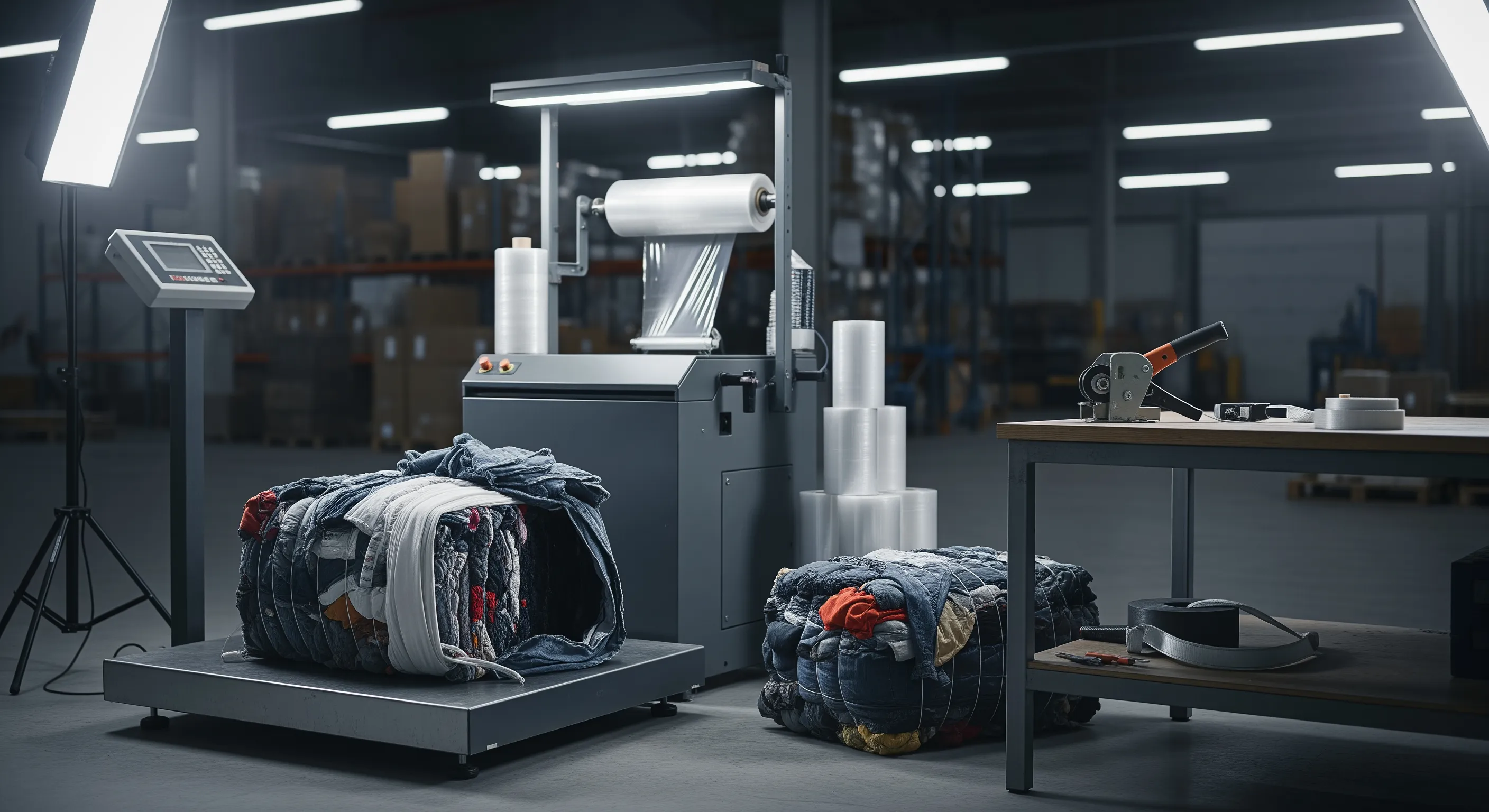
When sourcing wholesale used clothing, it is essential to evaluate multiple factors such as the supplier's reputation, the consistency of product quality, and logistical capabilities. Assessing these elements helps mitigate risks associated with poor inventory choices. Researching suppliers through platforms and reports like charity-driven models can also yield beneficial outcomes.
Establishing a trustworthy relationship with your supplier is vital for long-term success. This includes clear communication regarding grading and packaging expectations, which can directly influence your profit margins.
Understanding Clothing Grading
Clothing grading is vital for wholesale buyers to ensure product quality. A thorough understanding of grading systems allows buyers to make informed purchasing decisions. Different grades typically indicate varying levels of wear and potential resale markup. For instance, premium grade may yield higher margins but require stricter quality controls.
Familiarity with grading helps in accurately pricing items for resale. As highlighted in recent studies, consumer attitudes significantly shift based on the perceived quality of secondhand clothing.

Environmental Impact of Secondhand Clothing
The environmental benefits of the secondhand clothing market cannot be overstated. By extending the lifecycle of textiles, businesses contribute to waste reduction and the circular economy. Reports, such as the LCA assessment, highlight the positive effects of reusing textiles on ecological sustainability.
Despite these benefits, challenges remain in ensuring sourced clothing is genuinely sustainable. Effective sorting and grading of used clothing are crucial for maximizing environmental impact.
Import Regulations and Logistics
Understanding import regulations is key for businesses engaging in the wholesale used clothing market. Compliance with local and international laws can be complex but is essential to avoid penalties. Referencing resources like the Circular Economy perspectives can aid in navigating these regulations.
Logistics play a crucial role as well, from sourcing to delivery. Establishing a robust logistics plan ensures that deliveries are on time, minimizing disruptions to supply chains.
Risk Management in Wholesale
Mitigating risks in wholesale used clothing requires a strategic approach. Factors such as inconsistent product quality can lead to significant financial losses. Implementing strategies to control these risks includes conducting pre-shipment inspections and maintaining relationships with multiple suppliers.
Additionally, understanding industry reports such as the European Parliament study can provide insight into market trends and risks associated with used textiles.
| Risk | Cause | Mitigation |
|---|---|---|
| Quality Issues | Inconsistent grading standards | Pre-shipment inspections |
| Supply Chain Disruptions | Poor logistics planning | Establish robust logistics networks |
| Market Saturation | Over-reliance on single suppliers | Diversify supplier base |
| Regulatory Compliance | Changing laws | Regular compliance audits |
Unlock Cost Savings and Inventory Variety with Trusted UK Bulk Clothing Sourcing

For trade buyers who need consistent bulk supply and clear grading expectations, explore Original Secondhand at originalsecondhand.com. If you’d like a quick recommendation on the best fit for your business model, volumes, and export requirements, contact the team here: Contact Us.
Frequently Asked Questions
What are the benefits of sourcing wholesale used clothing?
Sourcing wholesale used clothing supports sustainable business practices while offering unique inventory options for buyers.
How do I ensure quality in the clothing I purchase?
Implementing a solid grading system and conducting pre-shipment inspections can help ensure quality.
What are common risks in engaging with used clothing wholesalers?
Common risks include quality inconsistencies, supply chain disruptions, and regulatory issues.
Where can I find reliable suppliers for wholesale used clothing?
Researching suppliers, seeking recommendations, and leveraging industry reports can help identify reliable sources.