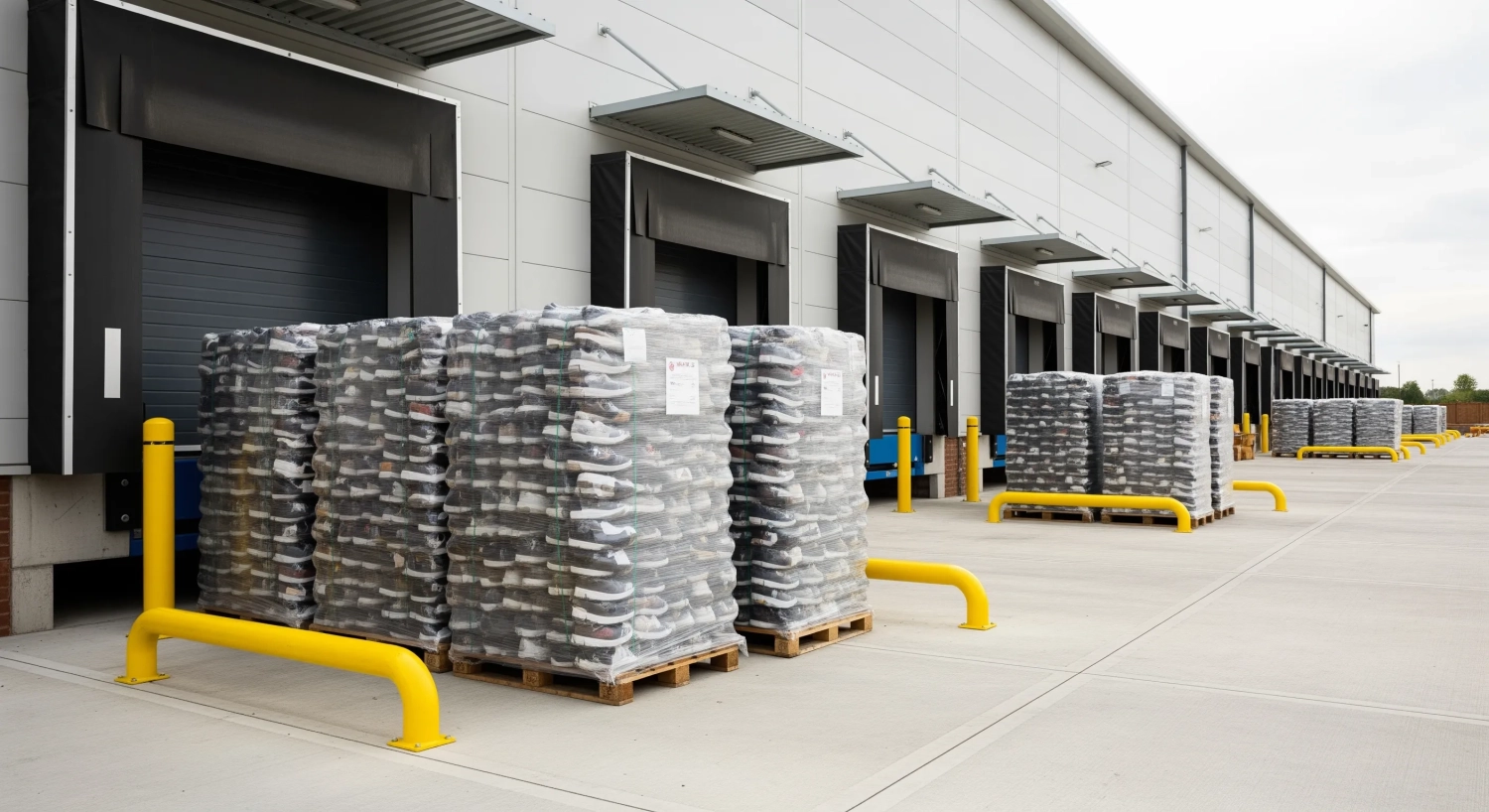
As B2B suppliers in the UK wholesale market, Original Secondhand provides a vast array of second-hand shoes that meet the diverse needs of trade buyers. Our offerings are ideal for resale and export, ensuring that your business can thrive with high-quality footwear in bulk. Our commitment to quality and transparency sets us apart as the go-to source for bulk purchases in second-hand shoes, allowing partners to succeed in an increasingly competitive marketplace.
Table of Contents
- Understanding the Second Hand Shoes Market
- Key Grading Criteria for Bulk Footwear
- The Socio-Economic Impact of Second-Hand Footwear
- Effective Sourcing Strategies
- Sustainability in the Footwear Industry
- Risk Management in Second-Hand Shoe Sourcing
Key Takeaways
| Key Aspect | Consideration |
|---|---|
| Minimum Order Quantity (MOQ) | Determine your volume needs based on market demand. |
| Shoe Grading | Understand grading systems to ensure quality compliance. |
| Logistics Readiness | Ensure you have the logistics setup for timely delivery. |
| Margin Control | Maintain pricing discipline to secure business profitability. |
Understanding the Second Hand Shoes Market
The second-hand footwear market is undergoing significant growth, fuelled by increasing consumer awareness regarding sustainability and ethical fashion. More trade buyers are exploring ethical sourcing, making it essential for suppliers to adapt to these changing preferences.
Market dynamics show that demand for second-hand shoes is expected to rise, particularly in markets focused on eco-friendly products. Ensuring that you understand the evolving needs of consumers will aid your business in leveraging these opportunities.
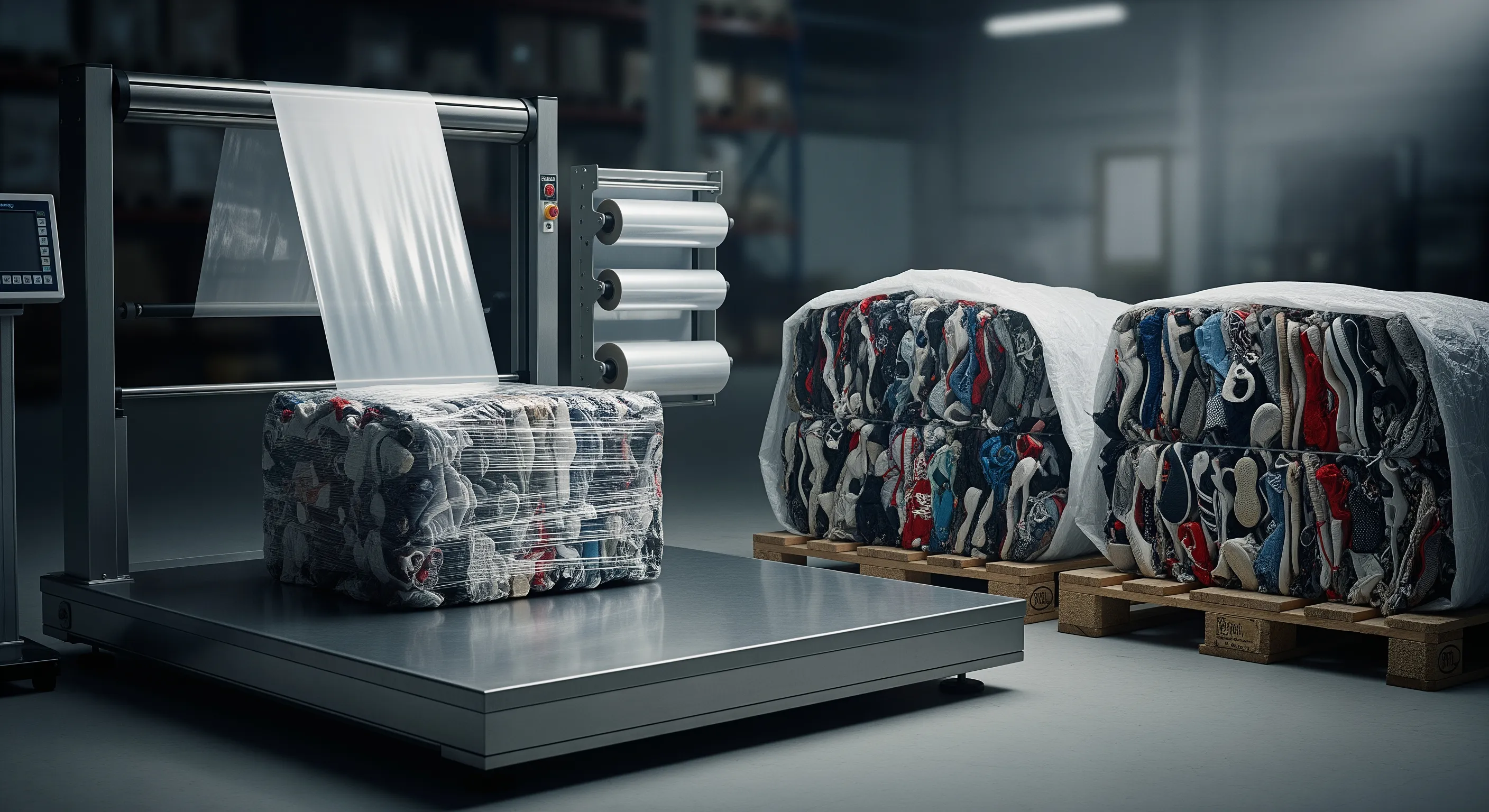
Pro tip: Stay updated on market trends to adapt your inventory accordingly, maximizing your sales potential.
Key Grading Criteria for Bulk Footwear
Grading is central to ensuring the quality of second-hand shoes. Suppliers should be equipped with clear grading standards that meet expectations for B2B transactions. Research indicates that transparency in grading fosters trust and fosters long-term partnerships.
Criteria may include the condition of the shoes, brand recognition, and styles available. A well-structured grading system will help you effectively communicate what your buyers can expect, which ultimately aids in customer satisfaction.
Pro tip: Implement quality checks at every stage of the grading process to assure product integrity.
The Socio-Economic Impact of Second-Hand Footwear
The import of second-hand footwear carries significant socio-economic implications, especially in regions such as Africa and Europe. According to a recent study, the second-hand clothing trade supports local economies and creates employment opportunities.
This trade not only provides affordable footwear options but also alleviates waste through recycling and sustainable practices. This trend towards a circular economy is vital for businesses looking to maintain relevance in today’s market.
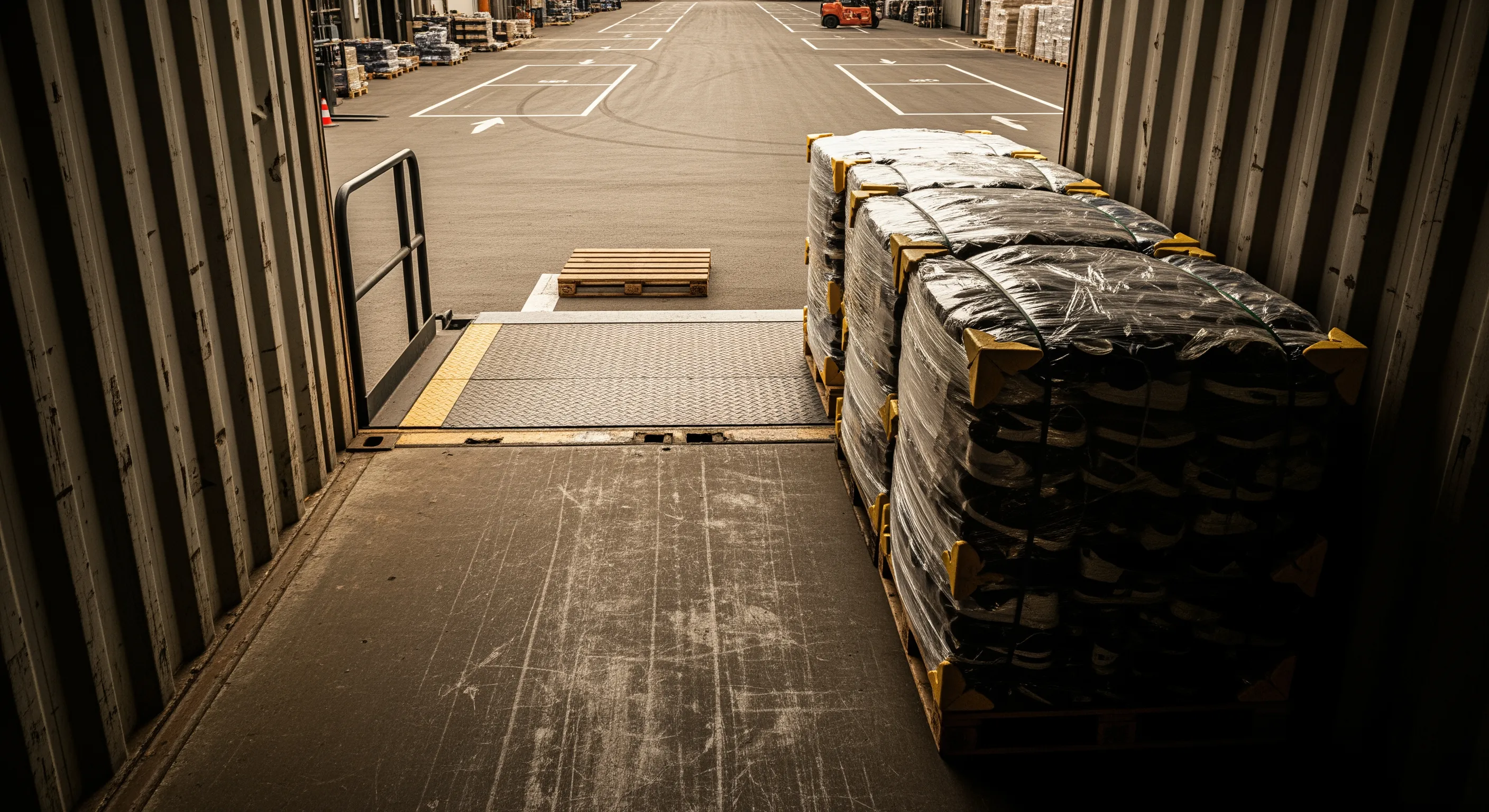
Pro tip: Highlight the socio-economic benefits of sourcing second-hand footwear in your marketing to attract ethically-conscious buyers.
Effective Sourcing Strategies
Identifying reliable sources for bulk second-hand shoes is crucial for sustaining your business. Networking with other B2B shoe suppliers will open doors to better deals and quality inventories. Explore the possibilities of working with local charities or organizations involved in shoe collections.
Furthermore, maintaining relationships with suppliers ensures steady access to quality products. By implementing effective sourcing strategies, businesses can ensure supply chain stability and adaptability.
Pro tip: Regularly evaluate your suppliers based on their delivery performance and quality compliance to maintain standards.
Sustainability in the Footwear Industry
Sustainability is becoming a significant factor in the footwear industry as consumers increasingly demand environmentally responsible practices. The impact of second-hand shoe sales on reducing waste is supported by insights from an OECD report that showcases the benefits of reusing and recycling shoes.
Brands that focus on sustainable practices not only fulfill consumer demand but also enhance their brand image and attract a wider customer base. Embracing sustainability in footwear sourcing leads to an overall positive impact on the environment.
Pro tip: Market your sustainable offerings explicitly to gain traction among environmentally-conscious trade buyers.
Risk Management in Second-Hand Shoe Sourcing
Managing risks associated with second-hand shoe sourcing is essential for maintaining business productivity. This involves understanding the risks related to supply chain disruptions, quality issues, and legal obligations. Utilizing a well-structured approach helps mitigate these risks effectively.
Establishing a framework for quality assurance and ensuring compliance with regulations in the second-hand goods sector ensures you meet legal standards and align with best practices.
| Risk Type | Cause | Mitigation Strategy |
|---|---|---|
| Supply Chain Disruption | Unforeseen events impacting logistics | Diversify supplier base and build buffer stock |
| Quality Issues | Inadequate grading and sourcing | Implement rigorous quality checks |
| Legal Non-Compliance | Failure to meet import/export standards | Regular compliance audits |
| Market Fluctuations | Changing consumer preferences | Monitor market trends to adapt sourcing |
Pro tip: Use data analytics to predict trends and adjust your sourcing strategy proactively.
Unlock Cost Savings and Inventory Variety with Trusted UK Bulk Clothing Sourcing

For trade buyers who need consistent bulk supply and clear grading expectations, explore Original Secondhand at originalsecondhand.com. If you’d like a quick recommendation on the best fit for your business model, volumes, and export requirements, contact the team here: Contact Us.
Frequently Asked Questions
What are the benefits of sourcing second-hand shoes?
Sourcing second-hand shoes can provide cost savings, meet consumer demand for sustainability, and expand your product offerings.
How do I evaluate the quality of second-hand shoes?
Utilize a structured grading system to assess the condition, brand, and style of the shoes.
What regulations should I consider when importing second-hand shoes?
Be aware of both UK and EU regulations governing the import/export of second-hand goods.
How can I ensure a steady supply of second-hand footwear?
Establish strong relationships with multiple suppliers to ensure a consistent and reliable inventory.