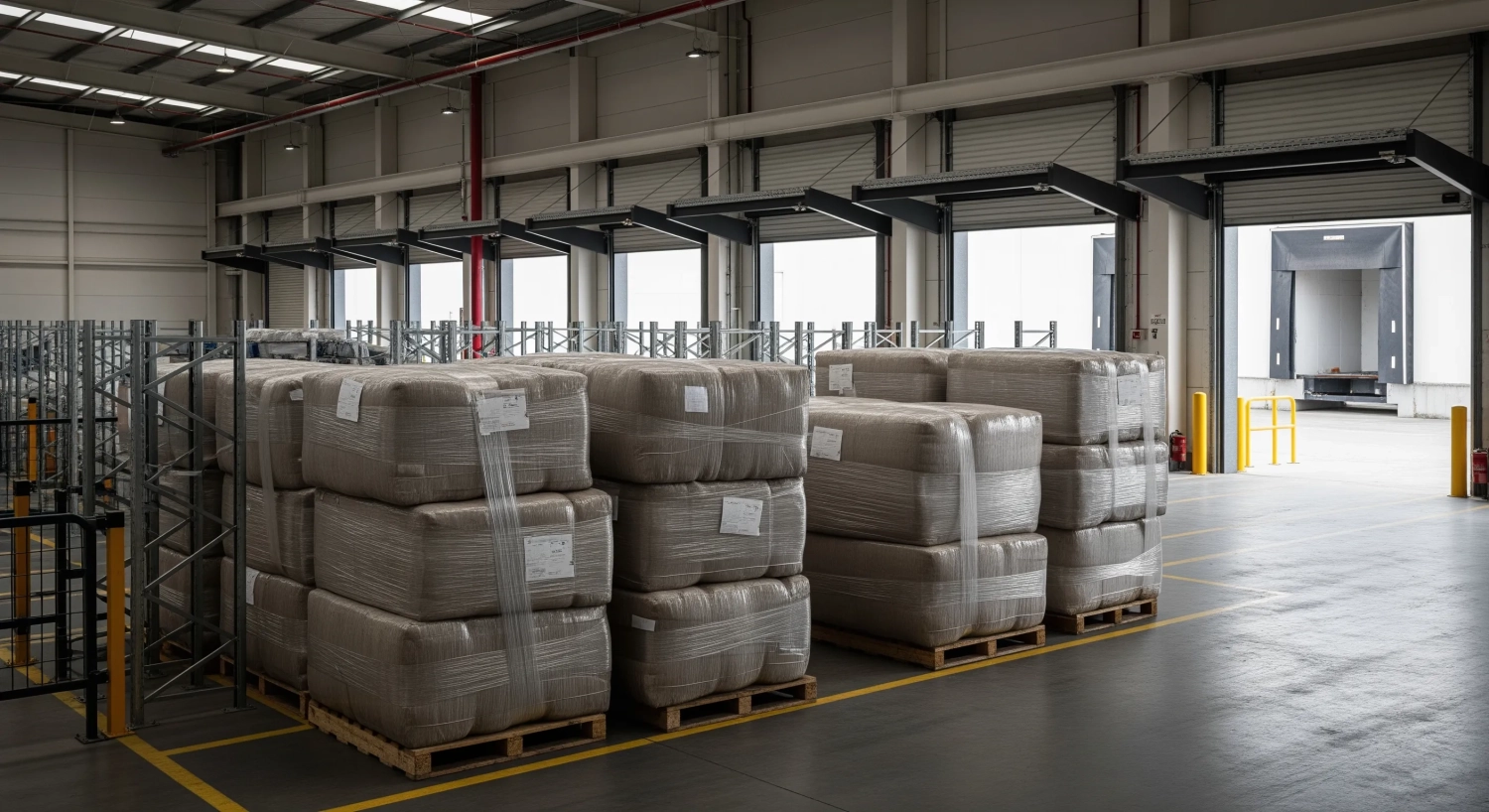
Understanding how to effectively sell second hand clothes in bulk is essential for B2B enterprises in the UK. By partnering with reputable wholesale suppliers and maintaining rigorous grading standards, businesses can not only boost profitability but also support sustainability in the clothing industry. This guide provides actionable strategies for trade buyers, resellers, and exporters looking to capitalize on the growing demand for ethically sourced secondhand clothing.
Table of Contents
- Profitability in Bulk Clothing Sales
- Understanding Grading of Secondhand Clothes
- Developing Strong Supplier Relationships
- Streamlining Logistics and Operations
- Managing Risk in Bulk Clothing Exports
- Optimising Your Pricing Strategy
Key Takeaways
| Action Item | Considerations |
|---|---|
| Establish Minimum Order Quantities (MOQ) | This helps in maintaining inventory levels while mitigating risk. |
| Invest in Quality Control Systems | Implement regular checks to ensure the grading consistency of secondhand clothes. |
| Prepare Comprehensive Packing Lists | This enhances transparency and aids in logistics management. |
| Define Clear Margin Thresholds | Helps in controlling costs and setting competitive pricing. |
Profitability in Bulk Clothing Sales
To maximize profits when selling second hand clothes in bulk, businesses should focus on understanding market dynamics and demand fluctuations. Conducting thorough market research can provide insights into customer preferences, allowing suppliers to tailor their inventory accordingly. Moreover, being aware of seasonal trends can enable trade buyers to stock up on in-demand clothing items just as they become popular.
Partnering with a reliable wholesale supplier ensures access to high-quality bales of clothing that meet specific grading standards. Working with suppliers who maintain transparency in their grading process can reduce buyer risk and increase consumer satisfaction, ultimately leading to repeat purchases.
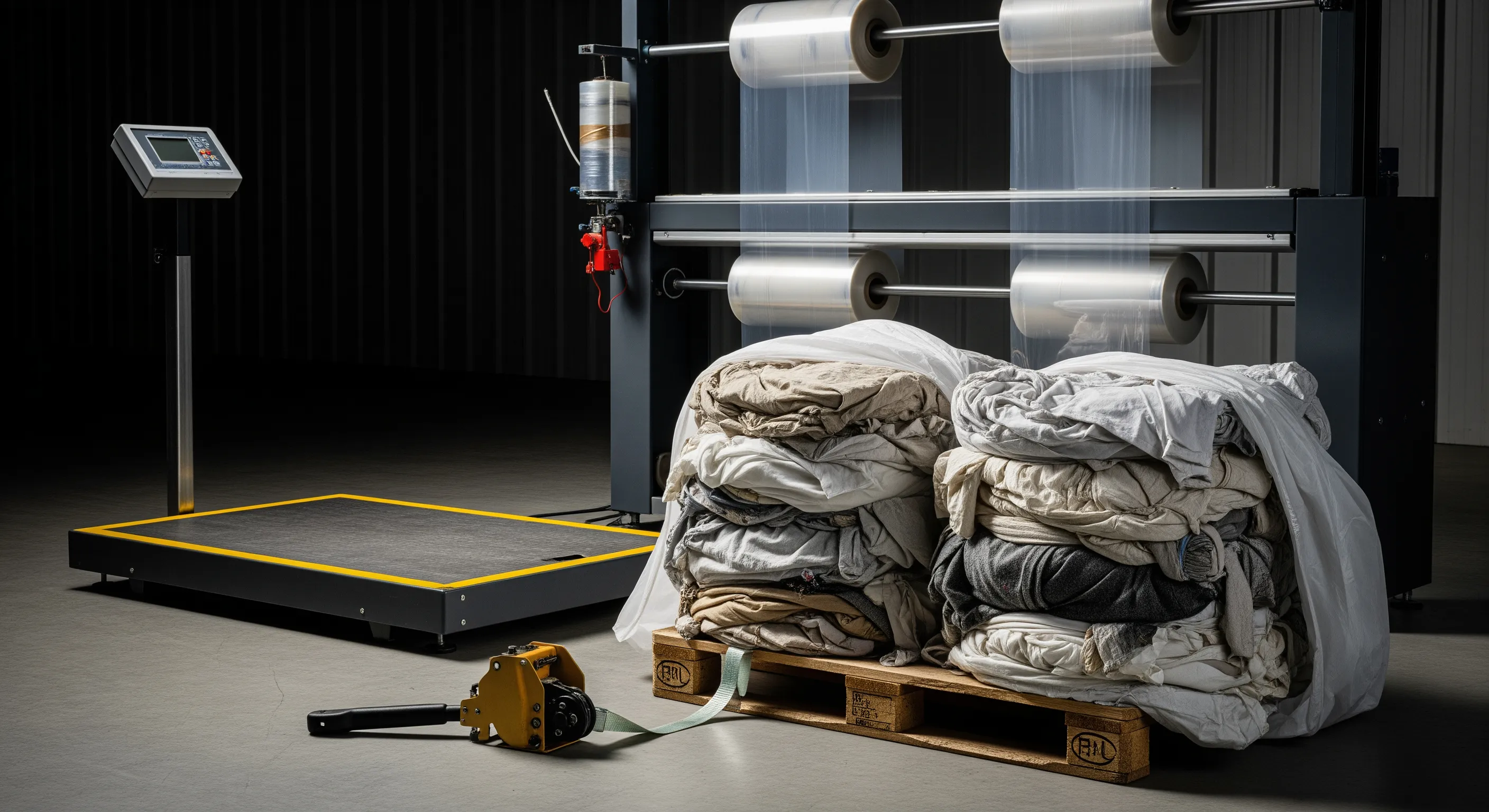
Pro tip: Consider developing a seasonal inventory plan based on historical sales data; this enables better alignment of stock with anticipated demand.
Understanding Grading of Secondhand Clothes
Grading secondhand clothes involves categorizing items based on condition, quality, and marketability. The adoption of a clear grading system is crucial as it sets expectations for both sellers and buyers. Categories may include 'A-grade' for excellent condition, 'B-grade' for good condition with minor imperfections, and 'C-grade' for heavily worn items.
By maintaining a consistent grading policy, wholesale suppliers can build trust with their clients. Additionally, effective communication regarding grading standards should be established to minimize disputes and enhance customer satisfaction.

Pro tip: Implement a training program for staff involved in grading to ensure uniformity and reduce errors.
Developing Strong Supplier Relationships
Establishing and nurturing relationships with suppliers is fundamental in the B2B secondhand clothing market. Trust is built over time through consistent communication and collaborative problem-solving. Regular site visits, quality assurance checks, and open discussions around product availability can foster long-term partnerships.
Engaging in joint marketing initiatives with suppliers can create added value for both parties. This could involve co-hosting events to promote sustainability and ethical sourcing, appealing to a modern consumer base increasingly concerned with environmental impact.
Pro tip: Regularly review supplier performance and maintain open feedback channels to strengthen the partnership over time.
Streamlining Logistics and Operations
Effective logistics and operations management is critical when selling secondhand clothing in bulk. Buyers should ensure that their suppliers can support quick turnaround times and reliable shipping options. A robust logistics infrastructure minimizes delays, enhances customer service, and contributes to overall operational efficiency.
Implementing warehouse management systems can further streamline operations, providing real-time insights into inventory levels and order processing. This technology aids in accurate forecasting and reduces overhead costs associated with overstocking or stockouts.
Pro tip: Leverage technology to manage inventory and logistics, which supports data-driven decision-making for your business.
Managing Risk in Bulk Clothing Exports
When engaging in bulk clothing exports, businesses must identify potential risks such as shipping delays or variations in grade quality. Establishing comprehensive shipping contracts and insurance coverage can mitigate these risks while ensuring prompt resolutions to any issues that arise.
Additionally, implementing a robust returns policy can help manage customer expectations and reduce potential losses. Clear guidelines around acceptable returns must be established to maintain a healthy balance between customer satisfaction and business viability.
| Risk | Cause | Mitigation |
|---|---|---|
| Delayed shipping | Logistical oversights | Implement a reliable tracking system |
| Quality disputes | Inconsistent grading | Establish clear grading standards |
| Loss of inventory | Improper packing | Use quality packing materials |
| Customer dissatisfaction | Poor communication | Maintain open channels |
Pro tip: Regularly review risk management strategies and adjust as necessary to remain agile in a changing market.
Optimising Your Pricing Strategy
Pricing secondhand clothing effectively is a critical aspect of moving inventory quickly and profitably. Conducting competitive analysis and adjusting your pricing model according to market trends can enhance sales. Being flexible in pricing can also attract a wider range of customers while ensuring adequate margins are maintained.
Consider implementing volume discounts to incentivize bulk purchases, thereby increasing sales volume and optimizing inventory turnover. This strategy can foster loyalty among repeat buyers, enhancing the sustainability of your business model.
Pro tip: Monitor competitor pricing regularly to keep your offerings attractive and competitive in the marketplace.
Unlock Cost Savings and Inventory Variety with Trusted UK Bulk Clothing Sourcing

For trade buyers who need consistent bulk supply and clear grading expectations, explore Original Secondhand at originalsecondhand.com. If you’d like a quick recommendation on the best fit for your business model, volumes, and export requirements, contact the team here: Contact Us.
Frequently Asked Questions
What are the benefits of buying second hand clothes in bulk?
Buying second hand clothes in bulk allows for lower costs per unit and the opportunity to source unique items that attract customers.
How do I determine the right grading for secondhand clothing?
Establish clear criteria based on condition, wear, and marketability to consistently grade your inventory.
What role does logistics play in selling secondhand clothes?
Logistics ensures timely delivery and efficient operations, which are crucial in maintaining customer satisfaction in B2B sales.
How can I build a reliable supplier network?
By fostering strong relationships through trust, communication, and collaboration, you can develop a network of dependable suppliers.