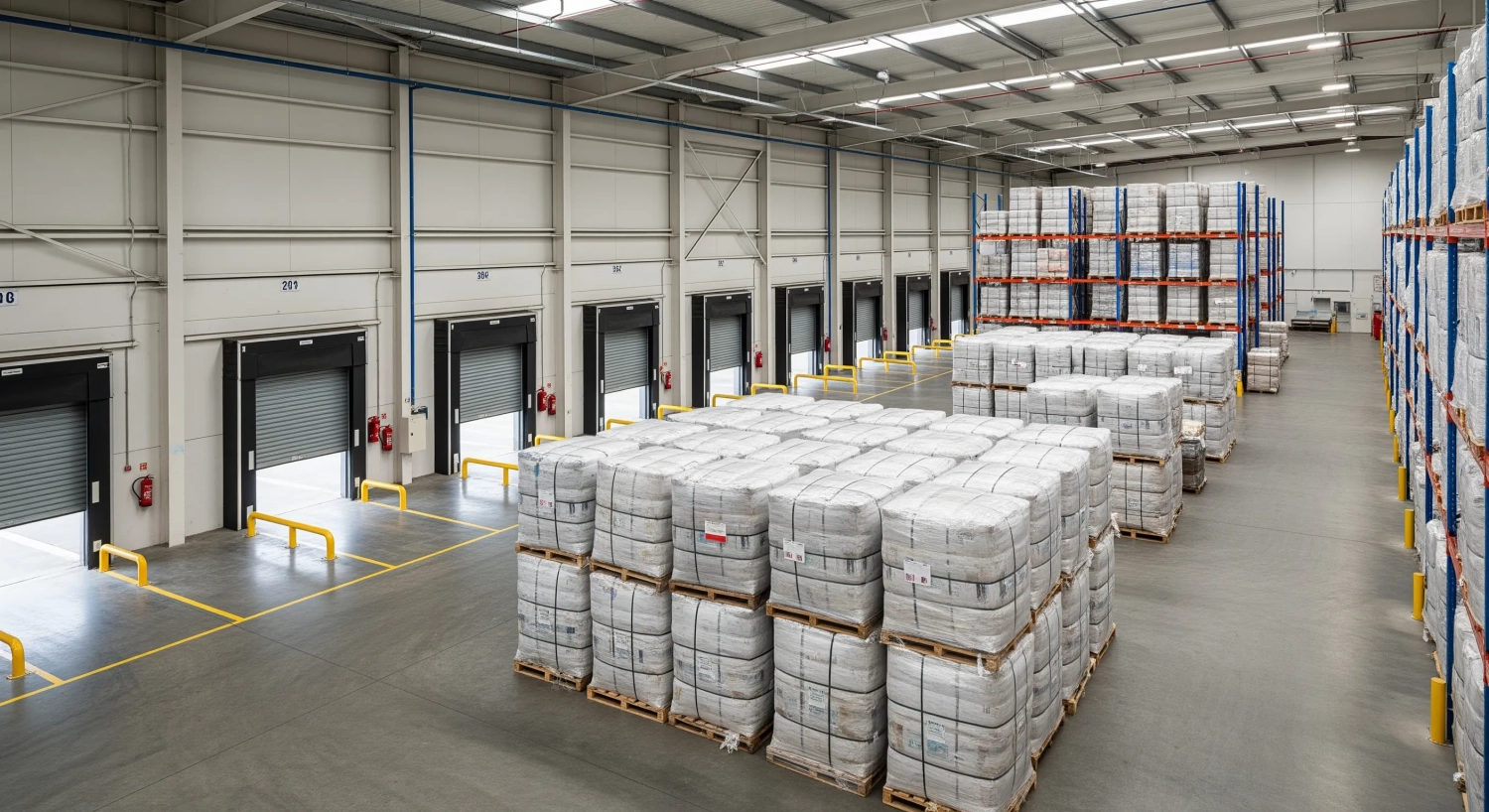
The wholesale market for second-hand used clothes is thriving, presenting excellent opportunities for UK wholesalers and exporters. With an increasing consumer preference for sustainable fashion, sourcing quality garments in bulk can prove lucrative. However, the logistics and grading of used clothing need careful consideration to ensure profitability and reliability for trade buyers.
Table of Contents
- Understanding the Second-Hand Market
- Choosing Reliable Suppliers
- Grading Secondhand Clothing Effectively
- Shipping and Logistics Considerations
- Risk Mitigation in Wholesale Bulk Buying
- Maximizing Return on Investment
Key Takeaways
| Aspect | Details |
|---|---|
| Volume Needs | Identify Minimum Order Quantities (MOQs) based on your sales forecasts. |
| Grading Signals | Understand grading systems to match quality expectations with market demands. |
| Logistics Readiness | Engage with suppliers who offer shipping-ready preparation to streamline operations. |
| Margin Discipline | Ensure pricing strategies maintain healthy profit margins amidst varying costs. |
Understanding the Second-Hand Market
As the second-hand clothing sector continues to expand, awareness of market trends is crucial. The demand for pre-loved garments is due not only to cost-saving considerations but also a shift in consumer awareness towards sustainability. Businesses must grasp these dynamics to position themselves effectively. Actions such as adopting eco-friendly practices can enhance brand reputation and attract discerning customers.
Additionally, understanding the target audience, whether reselling to consumers or exporting to international markets, can shape sourcing strategies, influencing the types of garments to procure, from designer pieces to everyday wear.

Choosing Reliable Suppliers
Finding dependable second-hand clothing suppliers can enhance your business operations significantly. It is essential to evaluate potential suppliers based on their reliability, grading systems, and past customer experiences. Suppliers who maintain transparent practices and clear communication will enable smoother transactions and help establish long-term partnerships.
Trade buyers should also consider logistics capabilities, ensuring suppliers can manage shipping effectively. Exploring reviews and testimonials can provide insights into the supplier's performance, allowing buyers to make informed decisions.
Grading Secondhand Clothing Effectively
Properly grading secondhand clothes is vital for maintaining customer satisfaction and ensuring repeat business. Suppliers should clearly define their grading criteria, with specific categories for items based on condition. This allows buyers to create realistic expectations regarding quality, which supports inventory management and sales strategies.
Additionally, consistent quality checks can prevent potential claims and losses, ensuring that businesses remain reputable in the wholesale market. Understanding grading signals helps buyers to anticipate resale value and potential selling points based on the conditions of the garments.
Shipping and Logistics Considerations
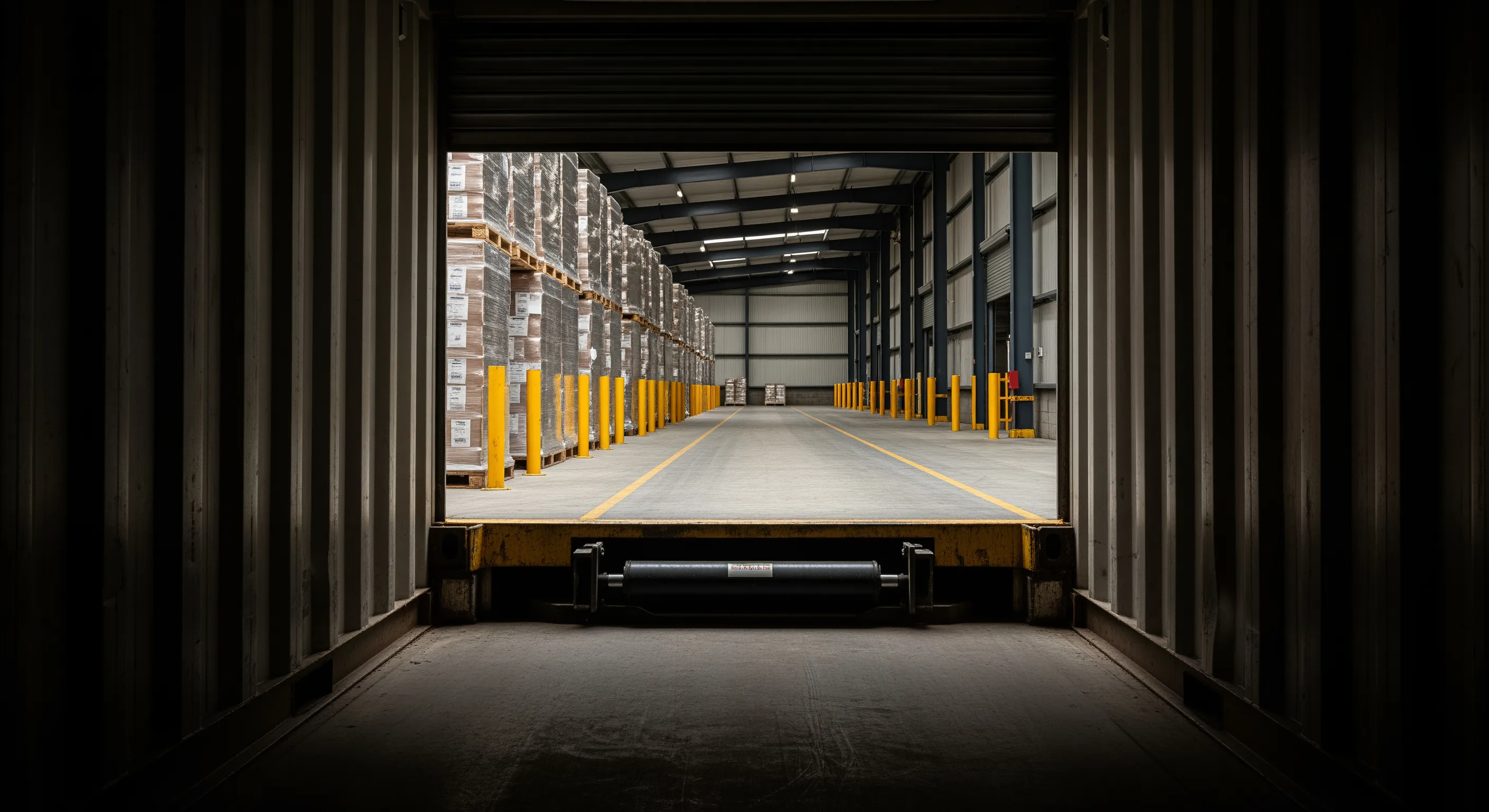
Effective management of shipping and logistics can significantly impact the overall profitability of buying second-hand clothes in bulk. Engage with suppliers who offer comprehensive logistics services, ensuring timely deliveries and proper packaging that minimizes damage. Consideration of lead times is also critical, as delays can disrupt supply chains and impact sales.
Understanding customs regulations is essential for exporters, and businesses should factor in all shipping costs when determining pricing strategies. Utilizing technology for tracking shipments can provide real-time updates, ensuring transparency throughout the logistics process.
Risk Mitigation in Wholesale Bulk Buying
Mitigating risks associated with bulk buying is essential for sustaining a successful business model. Key risks include inconsistent quality, delays in shipping, and financial inconsistencies. Regular evaluations of supplier performance can help in identifying potential issues early. Leveraging multiple suppliers can also provide alternatives when faced with supply disruptions.
Pro tip: Establish detailed contracts that outline expectations on grading, shipping timelines, and quality standards to protect your interests.
| Practical Risk | Cause | Mitigation |
|---|---|---|
| Quality Variance | Poor grading systems | Use suppliers with clear grading standards. |
| Shipping Delays | Logistical inefficiencies | Engage logistics partners with proven track records. |
| Unpredicted Costs | Hidden fees | Request transparency and detailed quotations. |
| Supplier Reliability | Limited communication | Maintain open lines for constant feedback. |
Maximizing Return on Investment
To achieve maximum ROI from second-hand clothing purchases, businesses should adopt comprehensive inventory strategies. Analyzing market trends and consumer preferences can direct purchasing decisions, helping to ensure that stock aligns with demands. Focus on quality, as well-graded items typically yield higher resale values.
Moreover, fostering strong relationships with suppliers often leads to better pricing negotiations and terms. Cultivating a reputation for transparency and integrity can also be advantageous, potentially leading to advantageous terms in future transactions.
Unlock Cost Savings and Inventory Variety with Trusted UK Bulk Clothing Sourcing

For trade buyers who need consistent bulk supply and clear grading expectations, explore Original Secondhand at originalsecondhand.com. If you’d like a quick recommendation on the best fit for your business model, volumes, and export requirements, contact the team here: Contact Us.
Frequently Asked Questions
What types of clothing can I buy in bulk?
You can purchase a variety of clothing types, including casual wear, sportswear, and seasonal items, depending on supplier availability.
How do I evaluate a supplier?
Consider factors such as Grades of clothing offered, shipping options, and previous buyer reviews to gauge reliability.
What are the main risks in wholesale buying?
Main risks include inconsistent quality, unforeseen costs, and delays in shipping, which can impact your business bottom line.
How can I ensure quality in my purchases?
Establish clear communication with suppliers regarding grading standards and conduct quality checks upon receipt of goods.