
In the rapidly evolving landscape of sustainable fashion, buying second hand clothes in bulk has become an essential strategy for B2B wholesale and export operations. For businesses in the UK looking to capitalize on the demand for affordable and eco-friendly clothing options, understanding the nuances of sourcing second hand garments is critical. This guide aims to equip trade buyers, wholesalers, resellers, and exporters with best practices for effectively procuring assorted bales of second hand clothes, ensuring quality, reliability, and successful market positioning.
Table of Contents
- Understanding Second Hand Clothing Sourcing
- Importance of Grading Systems
- Navigating Bulk Purchases
- Logistics and Shipping Essentials
- Risk Mitigation in Bulk Sourcing
- The Benefits of Sustainable Wholesale
Understanding Second Hand Clothing Sourcing
The market for second hand clothing continues to grow, driven by consumer demand for affordability and sustainability. For B2B buyers, sourcing effectively means understanding market trends, supply chains, and the regulations that govern the resale of used garments. Familiarity with industry standards and the characteristics of bulk bales helps streamline the procurement process, ensuring that trade buyers can make informed decisions about their purchases.
Many companies leverage detailed sourcing reports to pinpoint suppliers that can deliver quality products consistently. These reports often highlight the condition, sorting practices, and return policies of potential vendors, allowing buyers to assess value before committing.
Pro tip: Regularly review emerging trends in consumer preferences to better align your sourcing strategies with market demand.
Importance of Grading Systems
Grading is one of the vital processes in the second hand clothing industry that determines the quality and resale potential of garments. It involves categorizing items based on their condition, from pristine to effectively unusable. Understanding these grading systems is crucial for trade buyers seeking to maintain quality control and customer satisfaction.
When selecting suppliers, inquire about their grading practices. A reliable wholesaler will provide clear grading specifications that detail what each category encompasses, reducing the risk of acquiring poor-quality stock. This transparency allows businesses to make informed purchasing decisions and align their product offerings with customer expectations.
Pro tip: Consider establishing a minimum quality standard that suppliers must meet before placing larger orders.
Navigating Bulk Purchases
When it comes to buying second hand clothes in bulk, understanding minimum order quantities (MOQs) is essential. Suppliers often have set MOQs to accommodate their operational costs, which can vary significantly based on the grade of the clothing and the supplier's logistics capabilities. Familiarize yourself with these requirements to manage inventory effectively.
Additionally, negotiating terms based on projected sales can enhance your purchasing power. A win-win approach, where you demonstrate intent for ongoing partnerships, can often result in favorable pricing and payment terms, giving your business a competitive edge in pricing.

Pro tip: Develop a flexible purchasing strategy that allows room for seasonal fluctuations in demand.
Logistics and Shipping Essentials
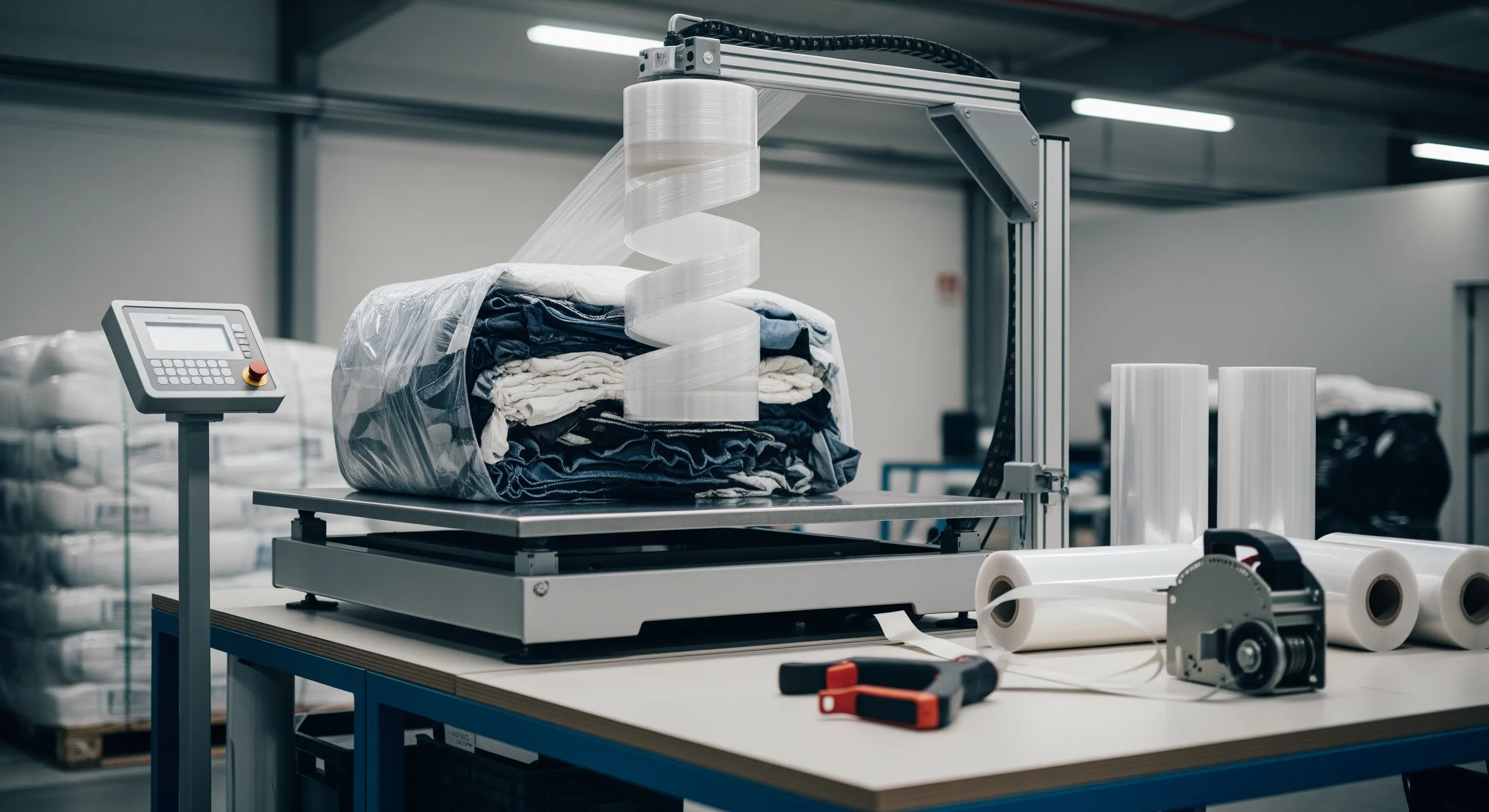
Logistics plays a crucial role in importing second hand clothing. It is vital to have a reliable shipping partner that understands the nuances of transporting bulk items. Poor logistics can lead to increased costs and delayed deliveries, which can directly impact business operations.
Considerations must include shipping timelines, customs regulations, and packaging requirements specific to second hand goods. Collaborating with suppliers who offer shipping-ready preparation can significantly ease the burden on your operations, ensuring bales arrive in optimal condition.
Pro tip: Establish relationships with 3PL (Third Party Logistics) providers who specialize in handling bulk clothing shipments to streamline your supply chain.
Risk Mitigation in Bulk Sourcing
Engaging in bulk sourcing of second hand clothing comes with its set of risks, including quality inconsistencies and supplier reliability issues. To mitigate these risks, it's prudent to employ a detailed risk assessment framework during sourcing evaluations.
Key factors to examine include the supplier’s return policy, grading accuracy, and customer reviews. Incorporate these elements into your sourcing decision-making process to protect your investment and maintain customer satisfaction.
| Practical Risk | Cause | Mitigation |
|---|---|---|
| Quality inconsistencies | Varying grading standards | Regular supplier audits |
| Stock shortages | Poor forecasting | Flexible supplier agreements |
| Increased costs | Inefficient logistics | Established shipping partnerships |
| Supply chain disruptions | Political/economic changes | Diverse sourcing strategies |
Pro tip: Maintain an open line of communication with suppliers to swiftly navigate any issues that may arise.
The Benefits of Sustainable Wholesale
As the demand for sustainable fashion continues to rise, aligning your wholesale strategy with eco-friendly practices can enhance brand loyalty among consumers. Offering second hand clothing reduces waste while also providing affordable alternatives for buyers.
Sustainable practices can differentiate your brand in a crowded market. By promoting environmental responsibility as part of your wholesale narrative, you may attract not only buyers but also environmentally conscious partners and suppliers.
Pro tip: Leverage marketing efforts around sustainability to highlight your commitment to responsible fashion in your B2B dealings.
Unlock Cost Savings and Inventory Variety with Trusted UK Bulk Clothing Sourcing

For trade buyers who need consistent bulk supply and clear grading expectations, explore Original Secondhand at originalsecondhand.com. If you’d like a quick recommendation on the best fit for your business model, volumes, and export requirements, contact the team here: Contact Us.
Frequently Asked Questions
What are the advantages of buying second hand clothes in bulk?
Buying in bulk allows businesses to reduce costs, ensure consistent stock and cater to consumer demand for sustainable fashion.
How do I assess the quality of second hand clothes before purchasing?
Check supplier grading processes and request sample bales where possible to evaluate quality before bulk purchasing.
What should I consider when building supplier relationships?
Prioritize open communication, clear grading practices, and flexible terms to cultivate strong supplier partnerships.
How can I effectively market second hand clothing to consumers?
Emphasize the sustainability aspect and affordability in your marketing strategies to appeal to environmentally conscious buyers.