
As a B2B wholesale supplier in the UK, sourcing used summer clothes offers an excellent opportunity for resellers and exporters looking to stock their shelves without overspending. With the rise of sustainable fashion, more businesses are seeking quality second-hand apparel that meets their clientele's needs. By purchasing bulk summer garments through reputable suppliers, you can diversify your inventory while staying mindful of your budget and sustainability goals.
Table of Contents
- Understanding the Used Summer Clothing Market
- Wholesale Bales Best Practices
- Grading Summer Apparel: What to Look For
- Logistics Considerations for Bulk Summer Garments
- Mitigating Risks in Sourcing Used Clothing
- Securing Your Summer Stock for Optimal Sales
Key Takeaways
| Focus Area | Considerations |
|---|---|
| Volume/MOQ | Determine minimum order quantities (MOQs) to maximize savings. |
| Grading Signals | Select suppliers offering clear grading standards for quality assurance. |
| Logistics Readiness | Ensure suppliers can handle export logistics efficiently to reduce delays. |
| Margin Discipline | Monitor costs to maintain competitive pricing while ensuring profitability. |
Understanding the Used Summer Clothing Market
The used summer clothing market has seen significant growth as consumers become more environmentally conscious. Businesses that tap into this market can cater to a variety of customer needs, from affordable fashion to unique vintage finds. Research suggests that second-hand apparel purchases are on the rise, so understanding current trends is crucial for successful sourcing.
Identifying popular items, such as shorts, dresses, and lightweight tops, can help you tailor your selection to seasonal demands. Monitoring fashion trends through industry reports helps align purchases with consumer preferences, enhancing your competitiveness in the market.
Pro tip: Stay updated on the latest fashion trends to inform your purchasing decisions and ensure your inventory aligns with what customers want.
Wholesale Bales Best Practices
When sourcing used summer clothes wholesale, purchasing bales of mixed garments can be a strategic way to stock diverse inventory. These bales often contain a variety of sizes, brands, and styles, which can increase your appeal to a broader consumer base. However, understanding bale contents before purchasing is vital to avoid excess unsellable stock.
Establishing relationships with trusted suppliers is essential, as this can lead to consistent quality and transparency regarding bale contents. Use detailed pack lists to understand what each bale contains, as this can help with inventory planning and offer insights into potential sales opportunities.
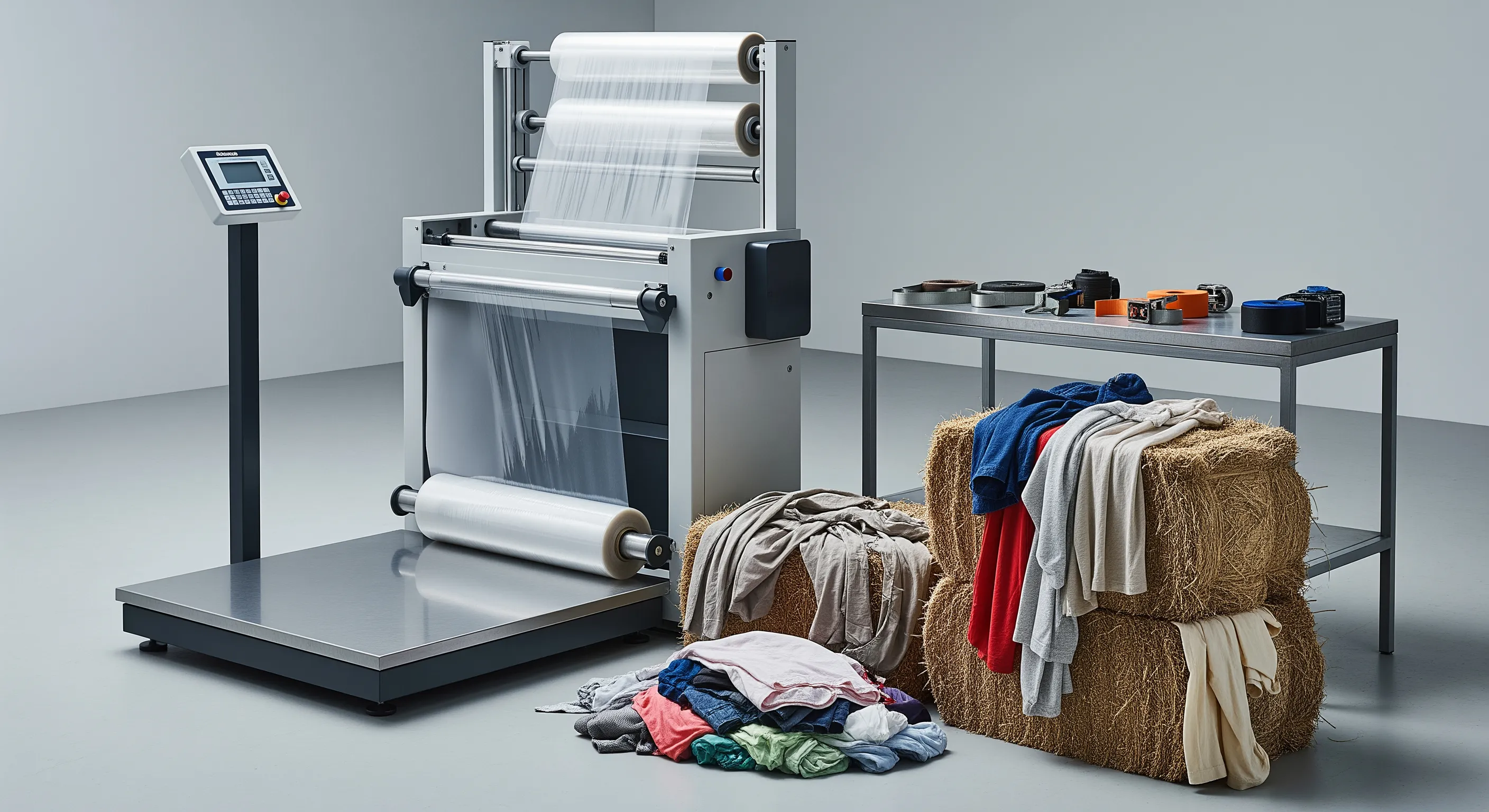
Pro tip: Analyze the contents of bales through pack lists to strategize your sales approach and avoid unsold inventory.
Grading Summer Apparel: What to Look For
Grading is critical in ensuring that the second-hand summer apparel meets the quality standards your customers expect. Recognizing the grading criteria for used clothing can prevent unpleasant surprises and returns. Key factors in grading include fabric condition, potential wear, and the style relevancy.
An effective grading system not only protects your business’s reputation but also helps manage customer expectations. Establishing a robust quality control process enables you to verify the grading of incoming stock, ensuring consistency in presentation and availability of marketable items.
Pro tip: Implement a thorough quality control process to maintain grading accuracy and enhance customer satisfaction.
Logistics Considerations for Bulk Summer Garments
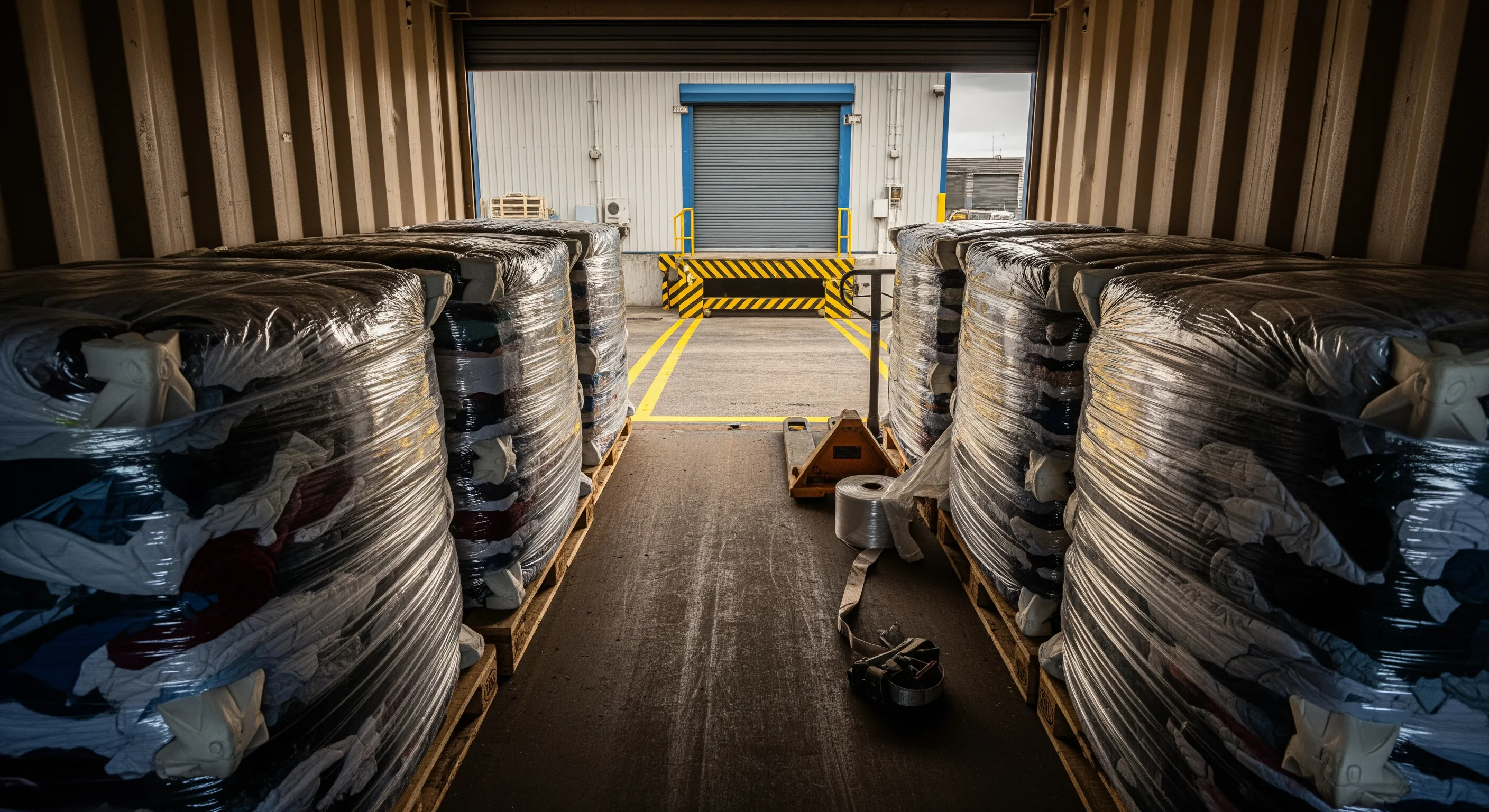
Logistics play a crucial role in the timely delivery of your summer clothing inventory. When dealing with wholesale bales, ensure your suppliers have efficient logistics practices in place. This includes understanding shipping processes, managing lead times, and having reliable partners for transport.
Choose suppliers who provide comprehensive logistics support, including documentation for export purposes. Having clear agreements about timelines and tracking can significantly impact your business's operational efficiency.
Pro tip: Develop strong logistics partnerships to streamline operations and improve lead times for your inventory delivery.
Mitigating Risks in Sourcing Used Clothing
Every sourcing decision carries inherent risks. These can range from unexpected inventory conditions to shipping delays. A proactive approach to risk management can safeguard your business from potential losses. Maintaining open communication with suppliers about their processes and timelines can help mitigate these risks.
Regularly reviewing supplier performance and adaptability to issues like changes in clothing quality or logistics challenges can enhance your sourcing strategy, allowing you to respond quickly to market fluctuations.
Pro tip: Establish a risk management framework to navigate challenges and protect your margins effectively.
Securing Your Summer Stock for Optimal Sales
Effective strategies for securing summer stock can significantly affect your business's overall performance. Identifying reliable suppliers, ensuring efficient logistics, and maintaining flexible purchasing agreements are essential components for success during peak summer sales.
Furthermore, leverage data analytics to monitor sales trends, adjust inventory levels accordingly and prevent overstock situations. This not only improves cash flow but also enhances the overall customer experience by ensuring popular items remain available.
Pro tip: Utilize sales data analytics to make informed decisions and enhance inventory turnover.
Unlock Cost Savings and Inventory Variety with Trusted UK Bulk Clothing Sourcing

For trade buyers who need consistent bulk supply and clear grading expectations, explore Original Secondhand at originalsecondhand.com. If you’d like a quick recommendation on the best fit for your business model, volumes, and export requirements, contact the team here: Contact Us.
Frequently Asked Questions
What types of summer clothing are available wholesale?
Wholesale suppliers typically offer various summer apparel, including dresses, shorts, and lightweight tops.
How do I ensure quality when buying used clothing?
Establishing relationships with reputable suppliers who provide clear grading can help ensure quality.
What is the advantage of buying in bulk?
Buying in bulk can reduce costs per item and improve inventory variety for your business.
How can I mitigate risks in sourcing used clothing?
Maintaining open communication with suppliers and reviewing their performance regularly can help mitigate sourcing risks.