
As the demand for sustainable fashion rises, finding reliable sources for clothing wholesale used becomes increasingly essential for B2B buyers in the UK market. This presents an opportunity for businesses to leverage the growing second-hand clothing sector, perfect for export or resale. With a focus on bulk suppliers and clear grading systems, trade buyers can navigate the wholesale landscape effectively, ensuring the right fit for various business needs.
Table of Contents
- Exploring the Market for Clothing Wholesale Used
- Understanding Clothing Grading Systems
- Evaluating Suppliers and Licensing
- Logistics and Shipping Considerations
- Risk Mitigation in Clothing Wholesale Used
- Sustainability and Future Trends
Key Takeaways
| Focus Area | Consideration |
|---|---|
| Minimum Order Quantities (MOQ) | Identify clear bulk supply requirements; negotiate favorable terms. |
| Grading Signals | Ensure transparency in grading to maintain quality expectations. |
| Logistics Readiness | Assess supplier’s shipping capabilities to prevent delays. |
| Margin Discipline | Elicit competitive pricing to enhance profitability on resale. |
Exploring the Market for Clothing Wholesale Used
The UK second-hand clothing market presents diverse opportunities for retailers and exporters. As detailed in research from MDPI, the international second-hand clothing trade has gained traction, contributing significantly to sustainability efforts. B2B buyers benefit from a growing array of suppliers, each offering unique wholesale bales tailored to different sectors.
The dynamic nature of the second-hand clothing market requires trade buyers to adapt to changing trends and consumer preferences. Having a comprehensive understanding of what constitutes quality-second-hand goods allows wholesalers to better position themselves in a competitive landscape. By capitalizing on this knowledge, businesses can attract new clients and retain existing ones.
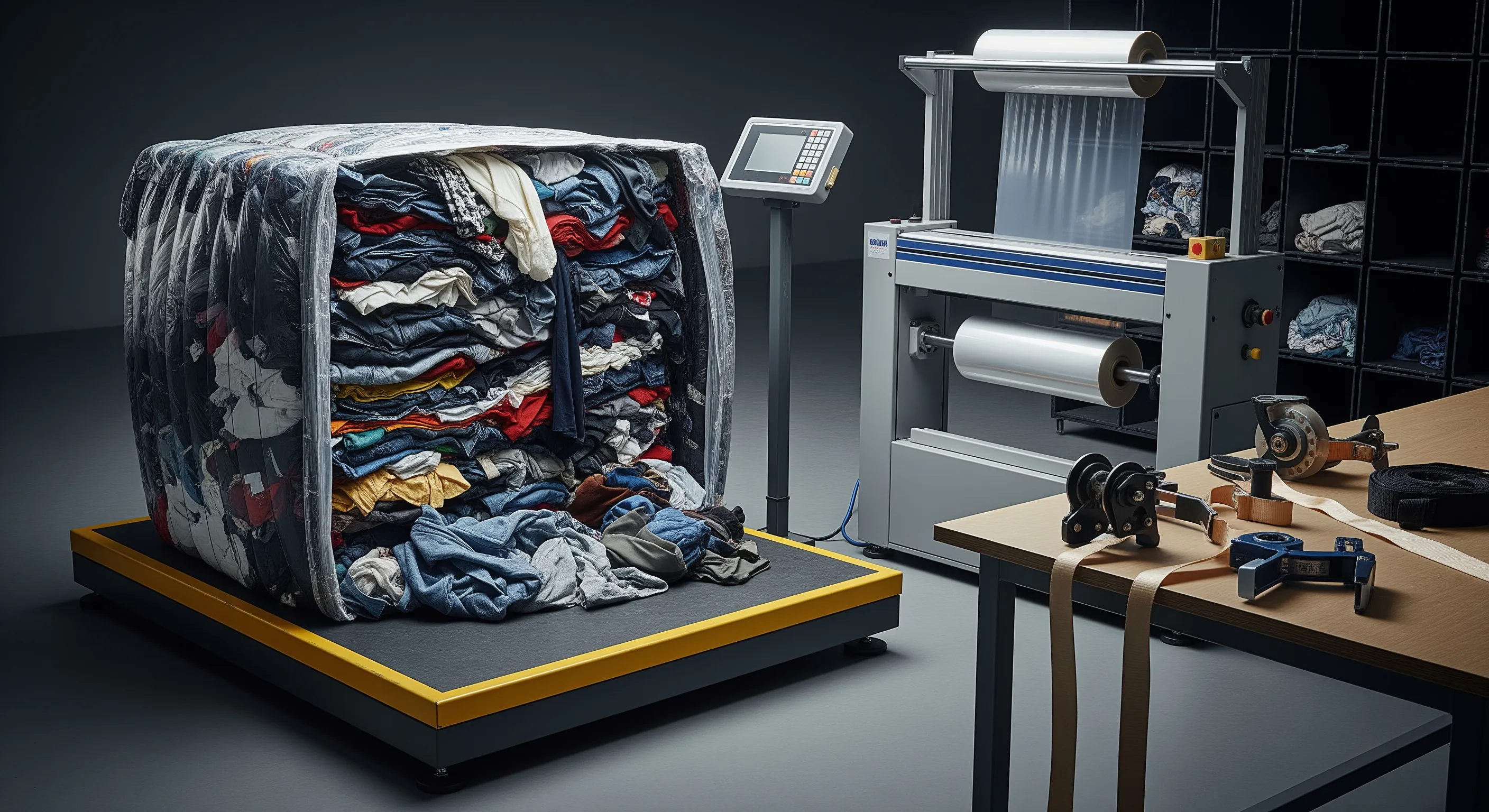
Pro tip: Stay informed about market trends and actively engage with suppliers to identify emerging opportunities.
Understanding Clothing Grading Systems
Clothing grading is crucial for trade buyers seeking consistent quality in second-hand apparel. Suppliers often categorize items into various grades based on quality, condition, and potential resale value. A thorough understanding of these grading systems allows businesses to make informed purchasing decisions that align with their specific needs.
According to a study on sustainability practices in the fashion industry, effective grading not only ensures quality but also facilitates transparency in transactions, fostering long-term relationships between suppliers and buyers (ScienceDirect). Leveraging these systems can also assist in inventory management, making it easier to control stock and reduce waste.
Pro tip: Develop a robust grading checklist to evaluate incoming stock consistently.
Evaluating Suppliers and Licensing
Finding trustworthy suppliers is paramount to succeed in the second-hand clothing sector. Buyers must evaluate potential suppliers not only on product quality but also on their licensing credentials and compliance with industry regulations. Engaging with certified suppliers ensures adherence to ethical sourcing standards while reducing potential risks.
This approach has implications for export markets, where buyers should familiarize themselves with local regulations and compliance requirements to avoid costly fines or reputational damage. Knowledge of licensing is also critical in developing partnerships that enhance the reliability of your supply chain, according to industry data (ScienceDirect).
Pro tip: Conduct regular audits and evaluations of supplier performance to ensure compliance and quality.
Logistics and Shipping Considerations
Logistics play a critical role in the clothing wholesale used market. Trade buyers must consider lead times, shipping costs, and the complexity of handling used apparel. Export containers should be optimized for efficiency to mitigate costs and ensure quick delivery to the end-user.
Understanding these logistics is essential, as highlighted in a report on the economic impact of second-hand clothes (Circular Economy). A well-structured logistical framework ensures that supply chains remain effective and responsive to market demands.

Pro tip: Utilize logistics software to enhance your supply chain's efficiency and reduce delays.
Risk Mitigation in Clothing Wholesale Used
Like any wholesale market, engaging in clothing wholesale used entails various risks, from supply chain disruptions to quality discrepancies. Identifying potential risks is the first step toward implementing effective mitigation strategies. Mapping out processes can help businesses gain control over their operations and predict challenges ahead.
Common risks can be attributed to factors such as fluctuating demand and sourcing uncertainties. By studying economic data on wholesale trade (European Commission) and understanding market dynamics, businesses can develop robust strategies to balance these risks.
| Practical Risk | Cause | Mitigation |
|---|---|---|
| Supply Chain Disruption | Weather, Transport Flaws | Redundant Suppliers |
| Quality Issues | Grade Mismatch | Stringent Grading Standards |
| Regulatory Non-Compliance | Licensing Gaps | Regular Audits |
| Market Fluctuations | Changing Consumer Preferences | Diverse Product Range |
Pro tip: Maintain close communication with your suppliers to stay updated on potential risks.
Sustainability and Future Trends
The future of clothing wholesale used is closely linked to the increasing demand for sustainable practices within the fashion industry. Businesses that prioritize sustainability, as highlighted in various studies, will enjoy a competitive edge in the marketplace (UNCTAD). This includes not only sourcing practices but also efficient recycling and repurposing of materials.
Keeping abreast of these trends will benefit wholesalers aiming to differentiate themselves from competitors. Awareness of emerging technologies and consumer preferences will play a pivotal role in shaping future strategies and ensuring client loyalty.
Pro tip: Invest in sustainability training for your team to leverage emerging market opportunities.
Unlock Cost Savings and Inventory Variety with Trusted UK Bulk Clothing Sourcing

For trade buyers who need consistent bulk supply and clear grading expectations, explore Original Secondhand at originalsecondhand.com. If you’d like a quick recommendation on the best fit for your business model, volumes, and export requirements, contact the team here: Contact Us.
Frequently Asked Questions
What is clothing wholesale used?
Clothing wholesale used refers to the bulk purchasing of second-hand apparel for resale or distribution.
How do I evaluate the quality of used clothing?
Evaluating the quality involves checking for grading signals, overall condition, and supplier reputation.
What logistics considerations should I keep in mind?
Lead times, shipping costs, and proper handling of apparel are essential logistics factors in wholesale trade.
Why is sustainability important in clothing wholesale?
Sustainability addresses environmental concerns and aligns with consumer preferences for ethically sourced products.