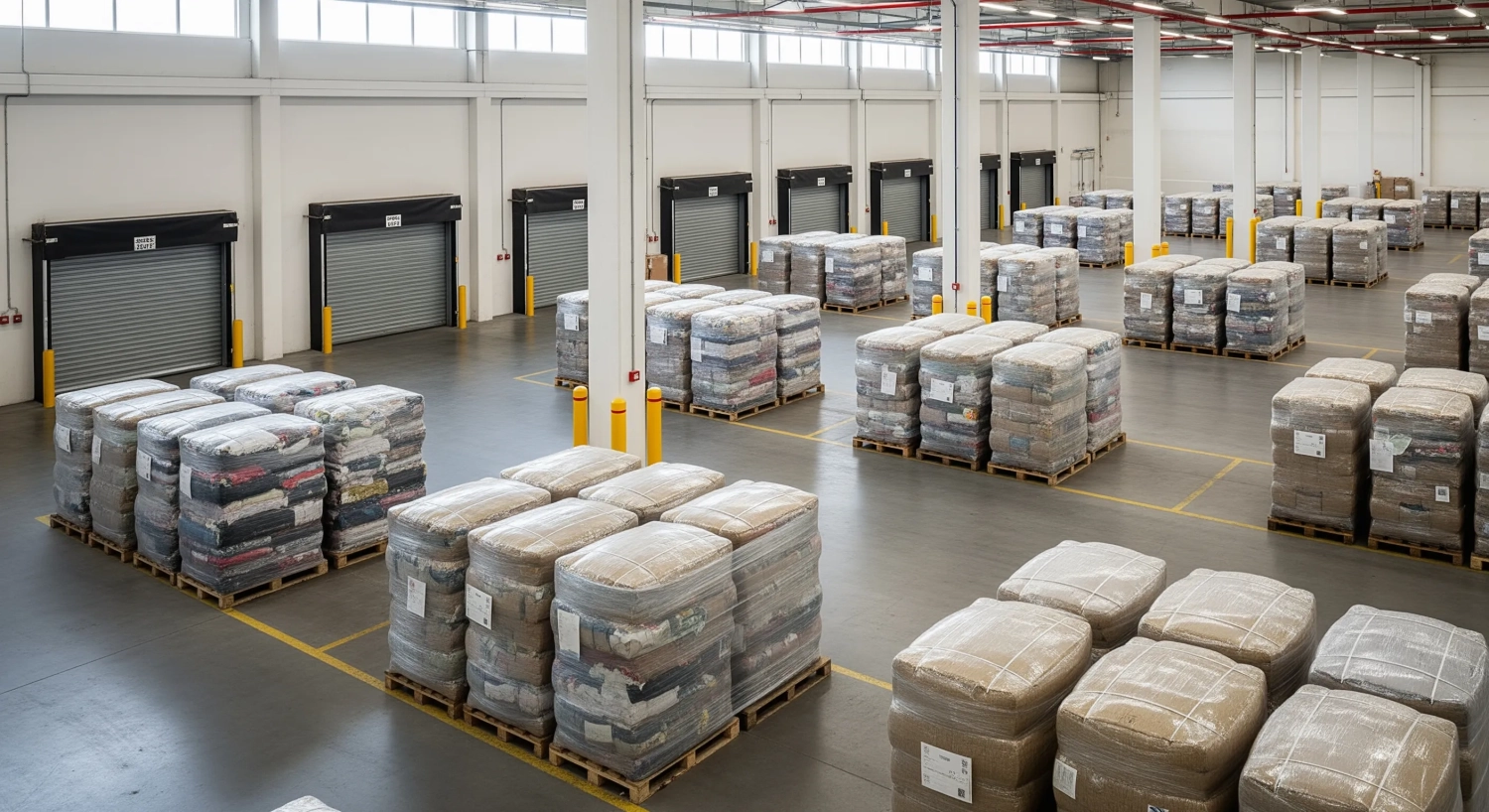
In the competitive world of wholesale clothing, finding a reliable source for second-hand garments is crucial for B2B buyers looking to enhance their inventory without incurring excessive costs. Original Secondhand serves as a pivotal player in the London wholesale market, offering a diverse range of high-quality second-hand clothes ready for bulk purchase. From clothing bales for export to clear grading expectations, we ensure trade buyers have access to the best deals that meet their operational needs.
Table of Contents
- Understanding the London Second Hand Clothing Market
- Benefits of Sourcing Second Hand Clothing Wholesale
- Importance of Grading Second Hand Clothes
- Logistics Considerations for Bulk Buying
- Managing Risks in Second Hand Clothing Purchases
- Sustainability Advantage of Second Hand Clothes
Key Takeaways
| Factor | Importance |
|---|---|
| Volume Orders | Higher discounts and better pricing. |
| Grading Signals | Clear understanding of quality expectations. |
| Logistics Readiness | Ensures timely delivery and stock availability. |
| Margin Control | Helps in achieving desired profitability levels. |
Understanding the London Second Hand Clothing Market
The London second hand clothing market has evolved significantly, with a growing demand for quality garments among trade buyers. With economic shifts and increasing consumer awareness around sustainability, wholesalers are now compelled to source second-hand clothing to meet market trends. The suppliers in this niche often provide not only bulk options but also tailored solutions to cater to specific business models.
Working with established B2B clothing suppliers can facilitate smoother operations, allowing retailers to enhance their offerings while remaining competitive. This landscape provides a distinct advantage for businesses looking to diversify their inventory at favorable prices.
Benefits of Sourcing Second Hand Clothing Wholesale
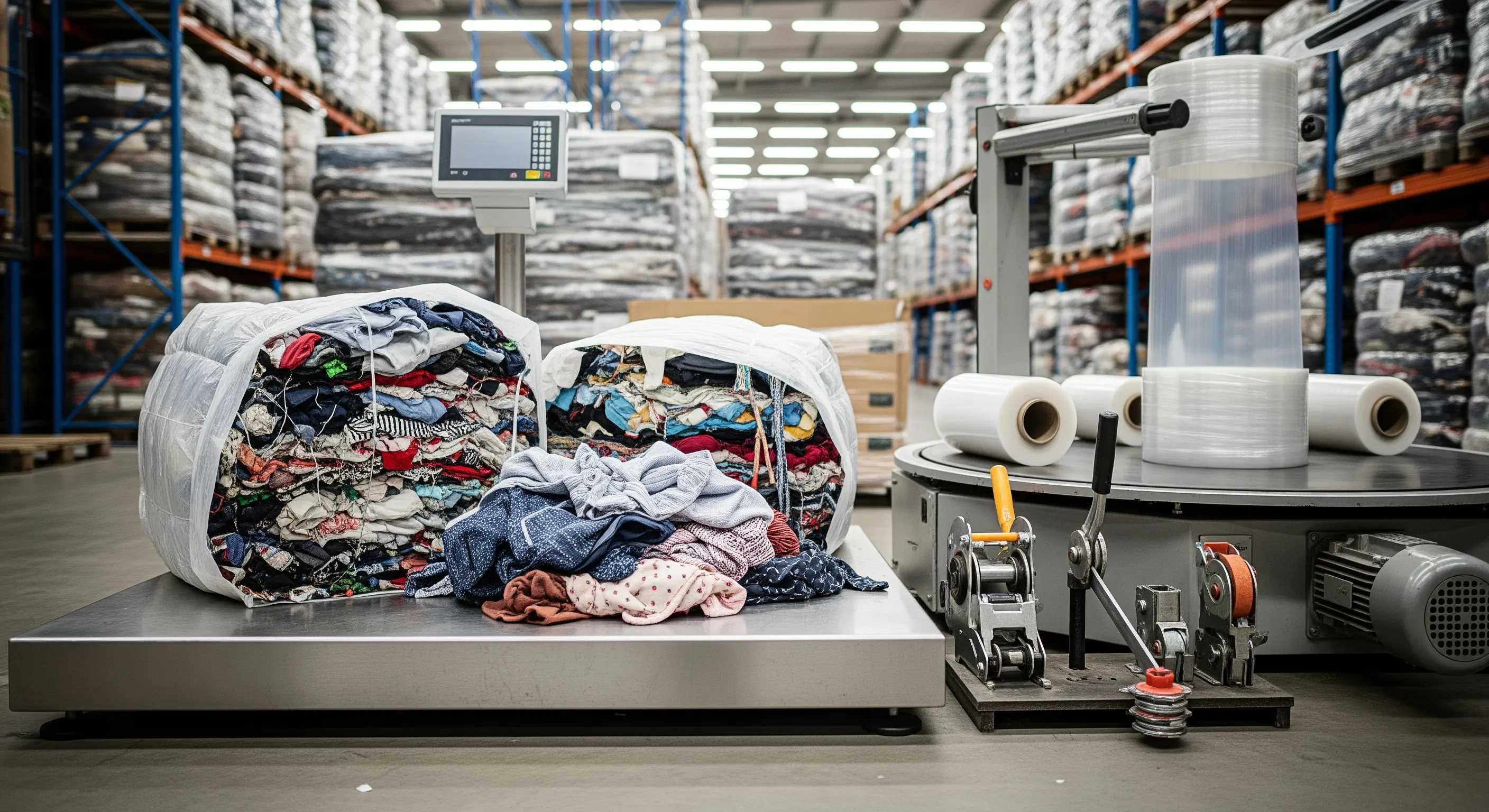
Sourcing second-hand clothing in bulk presents multiple benefits for wholesale buyers. First and foremost, it allows for significant cost savings, enabling businesses to maintain competitive pricing. Additionally, second-hand clothing can offer unique items that enhance a store's appeal.
By purchasing from reputable London wholesale suppliers, buyers can expect transparency in grading and quality, ensuring that each item meets their standards. This not only contributes to customer satisfaction but also helps maintain a trustworthy brand image.
Importance of Grading Second Hand Clothes
Grading second-hand clothes is an essential practice in the wholesale market. It provides clarity on the condition of garments, helping buyers make informed purchasing decisions. Proper grading helps mitigate risks associated with stock quality and turnover rates.
Trade buyers should closely examine grading practices provided by suppliers, as this directly impacts the resale potential and profit margins. Without clear expectations and standards, businesses may face challenges in inventory management and customer satisfaction.

Logistics Considerations for Bulk Buying
Efficient logistics are crucial when sourcing bulk second-hand clothes. Businesses must ensure that their supply chain is robust enough to handle large orders without compromising on delivery timelines. A well-planned logistics strategy helps in maintaining proper inventory levels and reducing lead times.
Furthermore, understanding the logistics involved in transporting clothing bales for export is vital for trade buyers who are shipping internationally. Proper documentation and adherence to regulations ensure smooth operations and lessen the risks of delays at customs.
Managing Risks in Second Hand Clothing Purchases
Managing risks is essential for successful wholesale operations. Potential risks include poor quality stock, miscommunication with suppliers, and unexpected shipping delays. Implementing measures such as thorough supplier vetting and establishing clear contracts can help mitigate these risks.
| Practical Risk | Cause | Mitigation |
|---|---|---|
| Quality Issues | Lack of proper grading | Establish clear grading standards |
| Supply Chain Delays | Logistics mismanagement | Use trusted shipping partners |
| Inventory Obsolescence | Poor market forecasting | Implement agile inventory practices |
| Cash Flow Problems | Slow-moving stock | Diversify product ranges to reduce risks |
Sustainability Advantage of Second Hand Clothes
Adopting second-hand clothing into business models not only offers economic advantages but also supports sustainability. Customers increasingly prefer brands that promote eco-friendly practices. By sourcing second-hand garments, businesses can appeal to this growing segment and enhance their corporate responsibility image.
Moreover, the use of second-hand clothing contributes to waste reduction and promotes a circular economy, aligning commercial interests with global sustainability goals.
Unlock Cost Savings and Inventory Variety with Trusted UK Bulk Clothing Sourcing

For trade buyers who need consistent bulk supply and clear grading expectations, explore Original Secondhand at originalsecondhand.com. If you’d like a quick recommendation on the best fit for your business model, volumes, and export requirements, contact the team here: Contact Us.
Frequently Asked Questions
What types of second hand clothing can be purchased wholesale?
Various types, including casual wear, formal wear, and accessories, depending on the supplier.
How do I ensure the quality of second-hand clothes?
By reviewing grading standards and requesting sample inspections before bulk purchases.
What are the typical lead times for orders?
Lead times vary, but most suppliers provide fixed timelines once orders are confirmed.
Can I mix different types of clothing in one order?
Many suppliers allow for mixed orders, but it's crucial to confirm with the supplier beforehand.