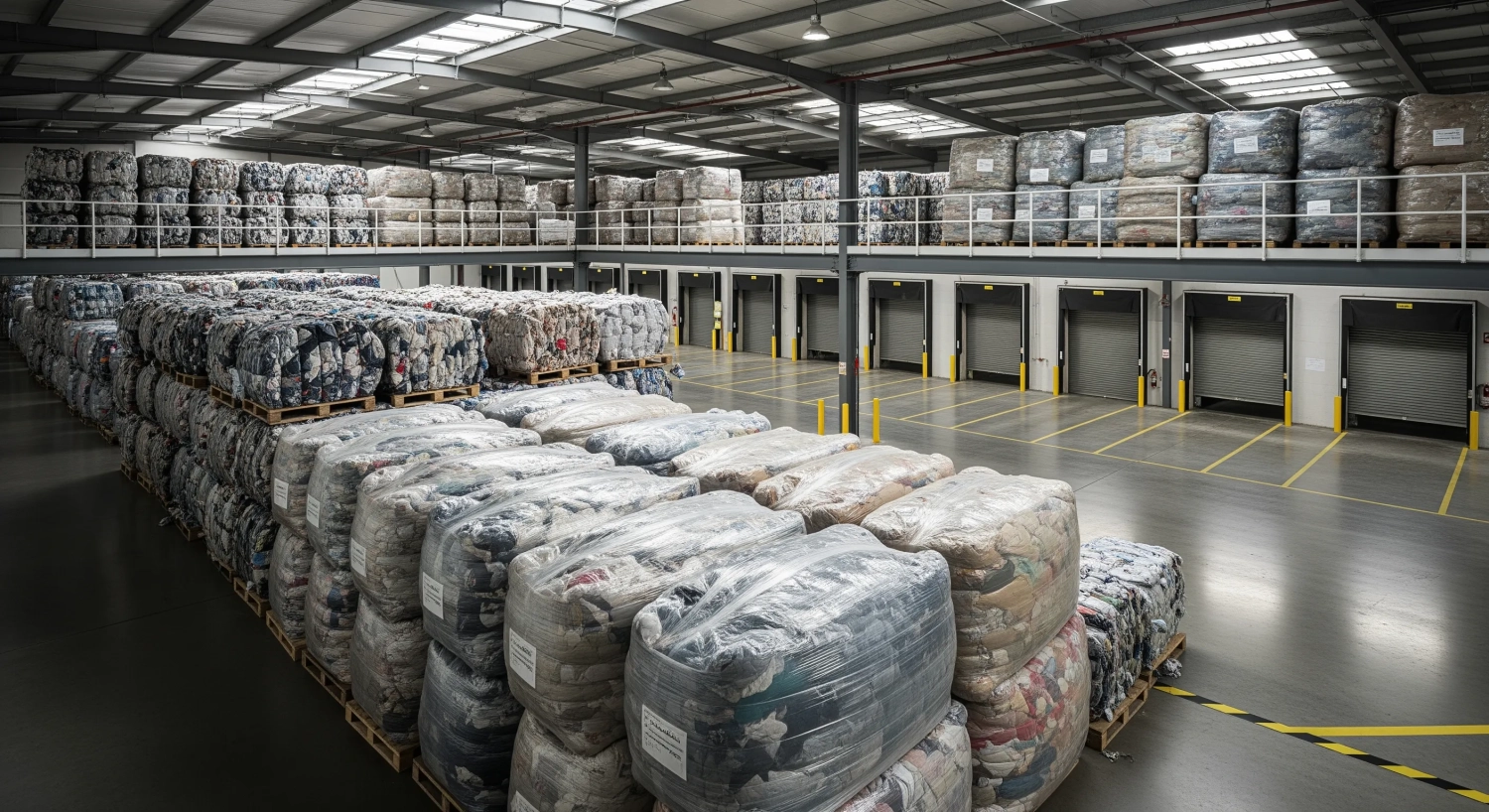
For B2B buyers looking for reliable sources of second-hand clothing in Manchester, the wholesale market offers a wealth of opportunities. Whether you are an exporter, reseller, or a store owner, understanding the nuances of sourcing second-hand clothes is crucial for building a successful business. Manchester stands out as a hub for high-quality bulk clothing supply, making it an ideal location for those in the clothing export industry.
Table of Contents
- Market Overview of Second Hand Clothing
- Choosing the Right Suppliers
- Logistics and Shipping in Manchester
- Understanding Grading Standards
- Risk Mitigation in Sourcing
- Benefits of Bulk Sourcing
Key Takeaways
| Key Aspect | Detail |
|---|---|
| Minimum Order Quantities (MOQ) | Set realistic expectations for volume requirements to ensure favorable terms. |
| Grading Signals | Know the grading system in place to gauge quality effectively. |
| Logistics Readiness | Ensure suppliers have well-developed logistics for timely deliveries. |
| Margin Discipline | Maintain stringent standards for margins to secure profitability. |
Market Overview of Second Hand Clothing
The Manchester market for second-hand clothing is robust, driven by growing consumer demand for sustainable fashion. B2B buyers can tap into this demand by sourcing high-quality second-hand clothing that meets various customer preferences.
With an emphasis on sustainability, more brands are shifting towards second-hand garments. This transformation presents a tremendous opportunity for wholesale suppliers in Manchester who can provide curated bales of clothing that reflect current fashion trends.
Pro tip: Stay updated on market trends to better align your purchases with consumer preferences.

Choosing the Right Suppliers
Identifying reliable suppliers is crucial for maintaining a steady flow of quality second-hand clothing bales. Look for suppliers who have a proven track record in the industry and offer transparent grading systems. This transparency can greatly assist in protecting your investment and ensuring quality consistency.
A reputable supplier will also provide detailed pack lists that outline the contents of each bale, helping you avoid surprises when the goods arrive at your warehouse. This clarity allows for better inventory management and planning.
Pro tip: Build relationships with suppliers to facilitate better communication and improved terms.
Logistics and Shipping in Manchester
Efficient logistics play a pivotal role in the second-hand clothing business. For B2B buyers, understanding the logistics chain from supplier to warehouse is essential to reduce lead times and improve stock turnover. Manchester's strategic location aids in quicker shipping, making it a prime spot for distribution.
Additionally, it's important to consider the shipping methods that your suppliers offer. Reliable transport options ensure that your regular shipments maintain efficiency, minimizing downtime in your store or online platform.
Pro tip: Assess different shipping options to find the most cost-effective solutions for your business.
Understanding Grading Standards
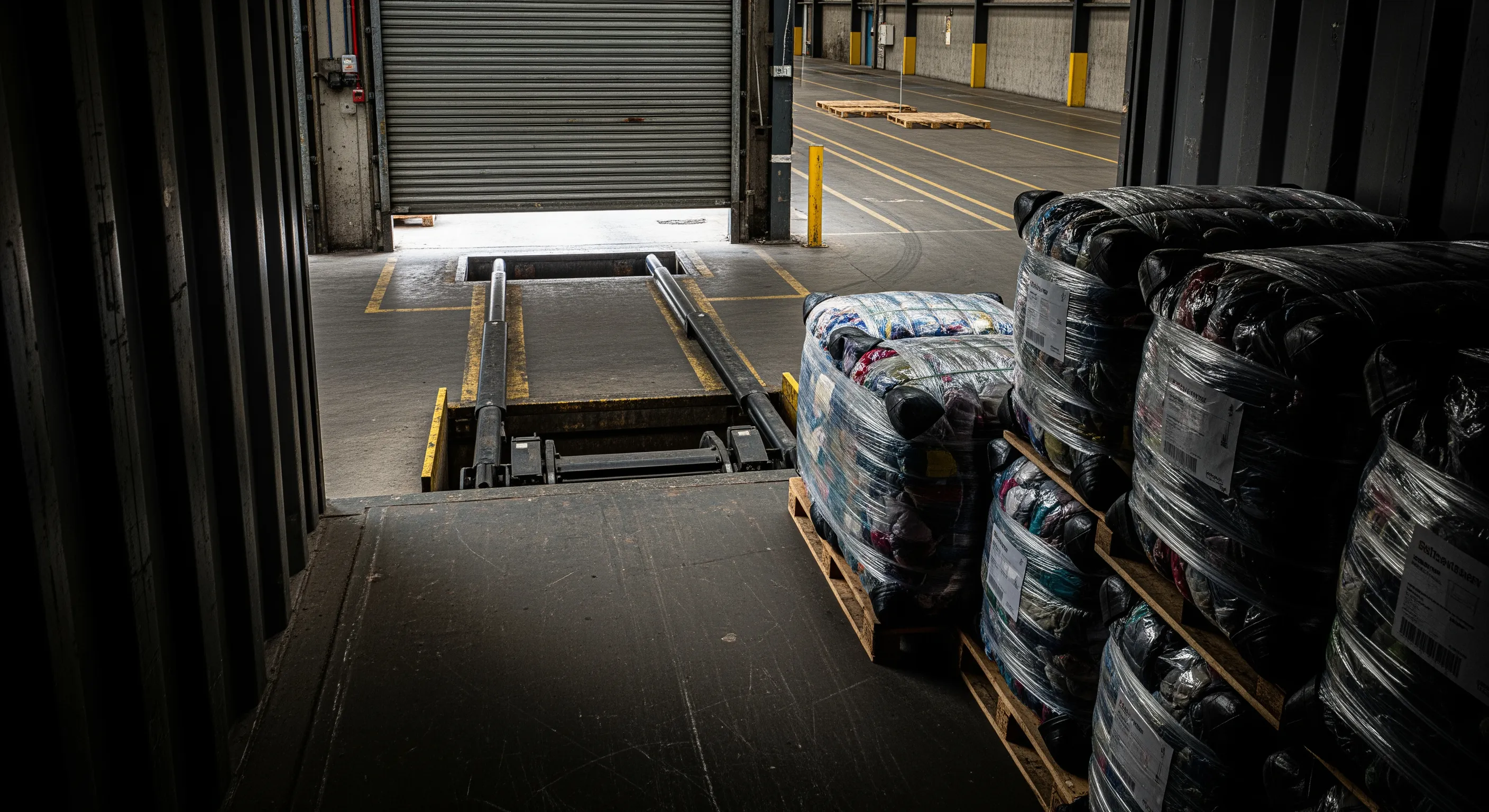
Grading second-hand clothes is an essential process that affects pricing and resale value. Familiarity with grading standards allows wholesale buyers to make informed purchasing decisions. The grading can range from A-grade, which contains nearly unworn items, to D-grade, which may include heavily used goods.
Understanding these categories helps trade buyers manage their expectations and aligns with market demands. A clear grading approach from suppliers ensures that you receive what you are paying for without unexpected surprises.
Pro tip: Regularly review grading criteria from suppliers to stay informed about quality expectations.
Risk Mitigation in Sourcing
Engaging with wholesale suppliers always carries risk. Develop a robust risk mitigation strategy to protect your business, especially when it comes to financial investments and product quality. Thorough research on your suppliers is vital.
Consider implementing inspection processes before purchase. In this way, you can better control the quality of your stock, thereby safeguarding your return on investment.
| Practical Risk | Cause | Mitigation |
|---|---|---|
| Quality Variability | Inconsistent grading from suppliers | Regularly audit suppliers and request samples |
| Shipping Delays | Poor logistics management | Establish clear timelines and alternative suppliers |
| Overstock Issues | Poor sales forecasting | Use data analytics for better insights |
| Supplier Reliability | Unverified suppliers | Build a diversified supplier base |
Benefits of Bulk Sourcing
Bulk sourcing offers myriad advantages to trade buyers. It allows for cost savings through economies of scale while also ensuring a consistent supply of trending products. The practice increases your overall purchasing power and can lead to favorable pricing.
Moreover, buying in bulk provides a buffer against price fluctuations in the second-hand clothing market, allowing traders to stabilize their inventory costs and cater to changing consumer demands effectively.
Pro tip: Evaluate your purchasing strategy regularly to adapt to market changes.
Unlock Cost Savings and Inventory Variety with Trusted UK Bulk Clothing Sourcing

For trade buyers who need consistent bulk supply and clear grading expectations, explore Original Secondhand at originalsecondhand.com. If you’d like a quick recommendation on the best fit for your business model, volumes, and export requirements, contact the team here: Contact Us.
Frequently Asked Questions
What are the advantages of sourcing second-hand clothing?
Sourcing second-hand clothing offers economic benefits, aligns with sustainability goals, and meets growing consumer demand.
How do I assess the quality of second-hand clothing?
Understanding grading standards and requesting samples can help in evaluating quality before making a purchase.
What logistics considerations should be made?
Consider shipping times, costs, and the reliability of transport options when partnering with suppliers.
Is bulk sourcing always cost-effective?
While often economical, bulk sourcing should be balanced with storage capabilities and market demand.