
For B2B buyers looking to enhance their offerings, investing in quality second hand clothes wholesale UK suppliers can yield significant advantages. With increasing demand for sustainable fashion, many wholesalers now provide high-grade, export-ready clothing options that meet specific wholesale needs. Genuine secondhand products can offer a cost-effective way to diversify clothing ranges while appealing to eco-conscious consumers. Understanding the landscape of suppliers will help businesses secure a reliable inventory that can be easily incorporated into their sales strategies.
Table of Contents
- Understanding the Second Hand Clothing Market
- Top UK Suppliers for Wholesale Second Hand Clothing
- Grading and Quality Control in Wholesale
- Logistics and Shipping Considerations
- Effective Sourcing Strategies
- Risk Mitigation in Second Hand Sourcing
Key Takeaways
| Topic | Details |
|---|---|
| Minimum Order Quantities (MOQs) | Understand volume requirements to negotiate terms with suppliers effectively. |
| Grading Signals | Familiarize yourself with grading systems to ensure the quality of products meets expectations. |
| Logistics Readiness | Ensure suppliers are equipped for timely dispatch and efficient shipping processes. |
| Margin Discipline | Maintain clear pricing structures to protect profit margins while offering competitive pricing. |
Understanding the Second Hand Clothing Market
The second hand clothing market has seen a resurgence, driven by increased consumer awareness regarding sustainability and ethical choices. This shift presents an opportunity for wholesale businesses to tap into a changing demand landscape. Emerging trends indicate a significant rise in interest for vintage and unique pieces, which wholesalers can leverage to attract various target markets.
Additionally, collaborations between brands and second-hand suppliers have strengthened the market. This synergy encourages innovation and facilitates better access to quality inventory. Wholesale buyers should research and stay abreast of industry trends to make informed decisions.
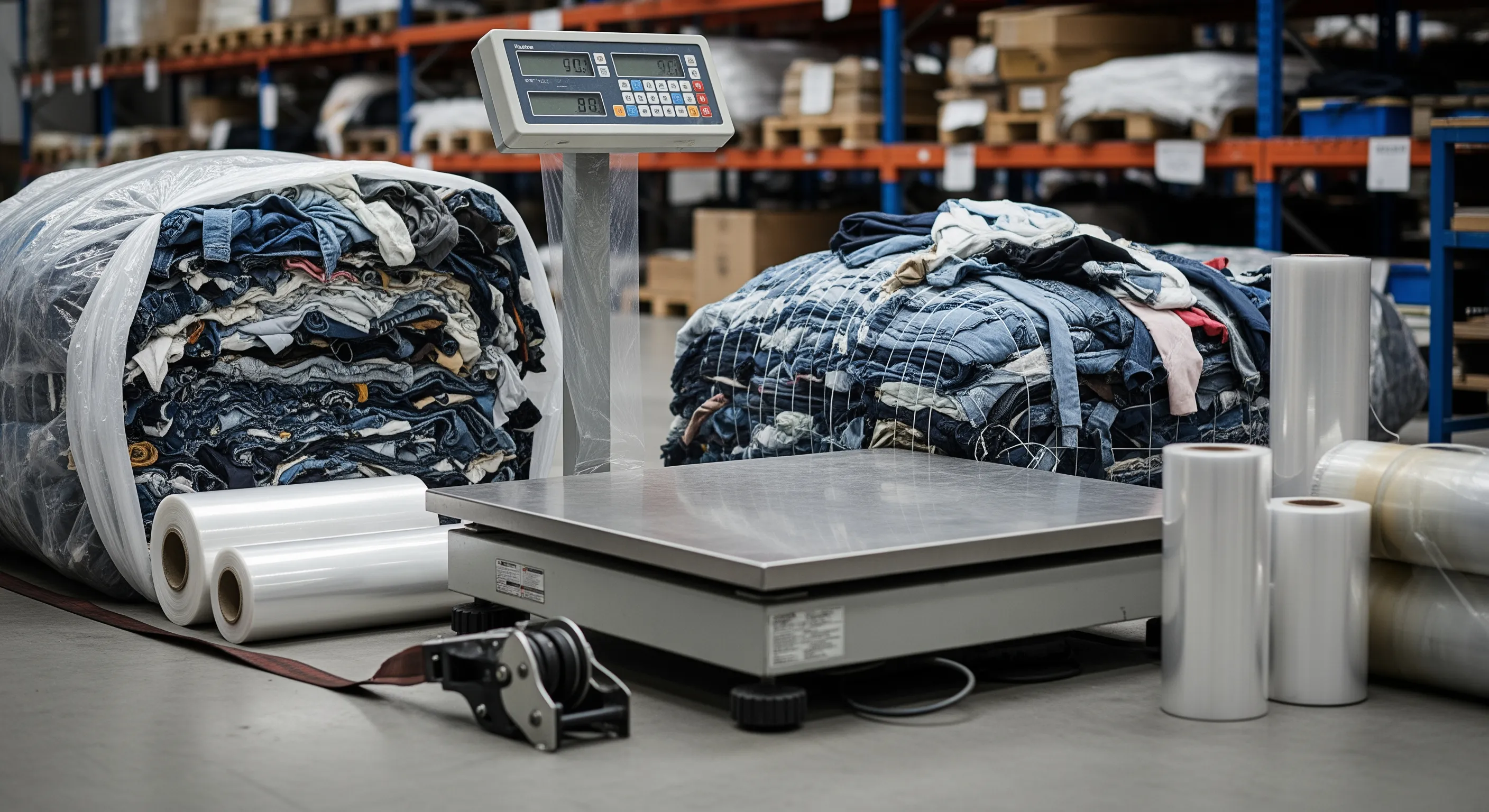
Top UK Suppliers for Wholesale Second Hand Clothing
Identifying reputable suppliers is crucial for establishing a robust wholesaling framework. Leading suppliers typically provide a variety of grades from export-quality to mainstream options. Each may cater to different market segments, so a thorough understanding of your target demographic will aid in selecting the right partner.
Many established suppliers have cultivated relationships with international networks, allowing them to maintain a steady supply of top-quality garments. By focusing on suppliers with proven track records, businesses can ensure consistent quality and reliability.
Grading and Quality Control in Wholesale
Proper grading ensures that the merchandise aligns with the buyer's expectations. Many wholesalers employ a comprehensive grading system which aids in transparent communication between suppliers and buyers. This transparency helps in minimizing disputes regarding quality and condition.
Integrating a standardized quality control process is essential for maintaining inventory integrity. Buyers must request grading reports and physical inspections prior to purchase, ensuring the products adhere to specified conditions.

Pro tip: Establish clear communication regarding grading standards with your suppliers to mitigate potential future issues.
Logistics and Shipping Considerations
Efficient logistics is vital in the second-hand clothing supply chain. Partnering with reliable shipping services ensures that products reach the intended market without delays or complications. Understanding the logistics operations of suppliers can save time and reduce unexpected costs.
Analyze the suppliers' shipping options, including freight cost evaluations and transit times. This assessment provides insight into potential impacts on your operational timelines.
Pro tip: Always account for potential customs delays in your logistics planning to avoid disruption in your supply chain.
Effective Sourcing Strategies
Successful sourcing involves combining strategic insights with practical implementations. Building relationships with suppliers through regular communication can facilitate better pricing and access to exclusive inventory.
By understanding supplier capabilities and aligning them with your business goals, sourcing can be tailored to meet specific inventory needs. Seek out suppliers who offer adaptability, whether through varied bulk options or customized packages.
Pro tip: Leverage technology, such as market analysis tools, to identify emerging market trends and adapt your sourcing strategy accordingly.
Risk Mitigation in Second Hand Sourcing
Identifying potential risks and establishing mitigation strategies is critical in the wholesale business. Common risks include miscommunication on product grading and unanticipated supply chain disruptions.
Implementing a thorough vetting process for suppliers can minimize issues. This process should include background checks, reviews, and sample evaluations.
| Risk | Cause | Mitigation |
|---|---|---|
| Misgraded Inventory | Lack of clear grading definitions | Regular audits and clear communication |
| Shipping Delays | Unreliable logistics partners | Establish backup shipping options |
| Quality Discrepancies | Poor quality control | Regular supplier assessments |
| Market Demand Fluctuations | Changing consumer preferences | Diverse inventory and supplier networks |
Unlock Cost Savings and Inventory Variety with Trusted UK Bulk Clothing Sourcing

For trade buyers who need consistent bulk supply and clear grading expectations, explore Original Secondhand at originalsecondhand.com. If you’d like a quick recommendation on the best fit for your business model, volumes, and export requirements, contact the team here: Contact Us.
Frequently Asked Questions
What should I consider when sourcing second-hand clothing?
Consider grading systems, MOQ requirements, and the reliability of logistics when sourcing.
How do I ensure quality in second-hand products?
Establish clear grading standards with your suppliers and request quality reports.
What logistics factors impact second-hand clothing sales?
Shipping times, customs requirements, and reliability of transport services.
What are the primary risks in second-hand clothing sourcing?
Miscommunication on grading, shipping delays, and quality discrepancies.