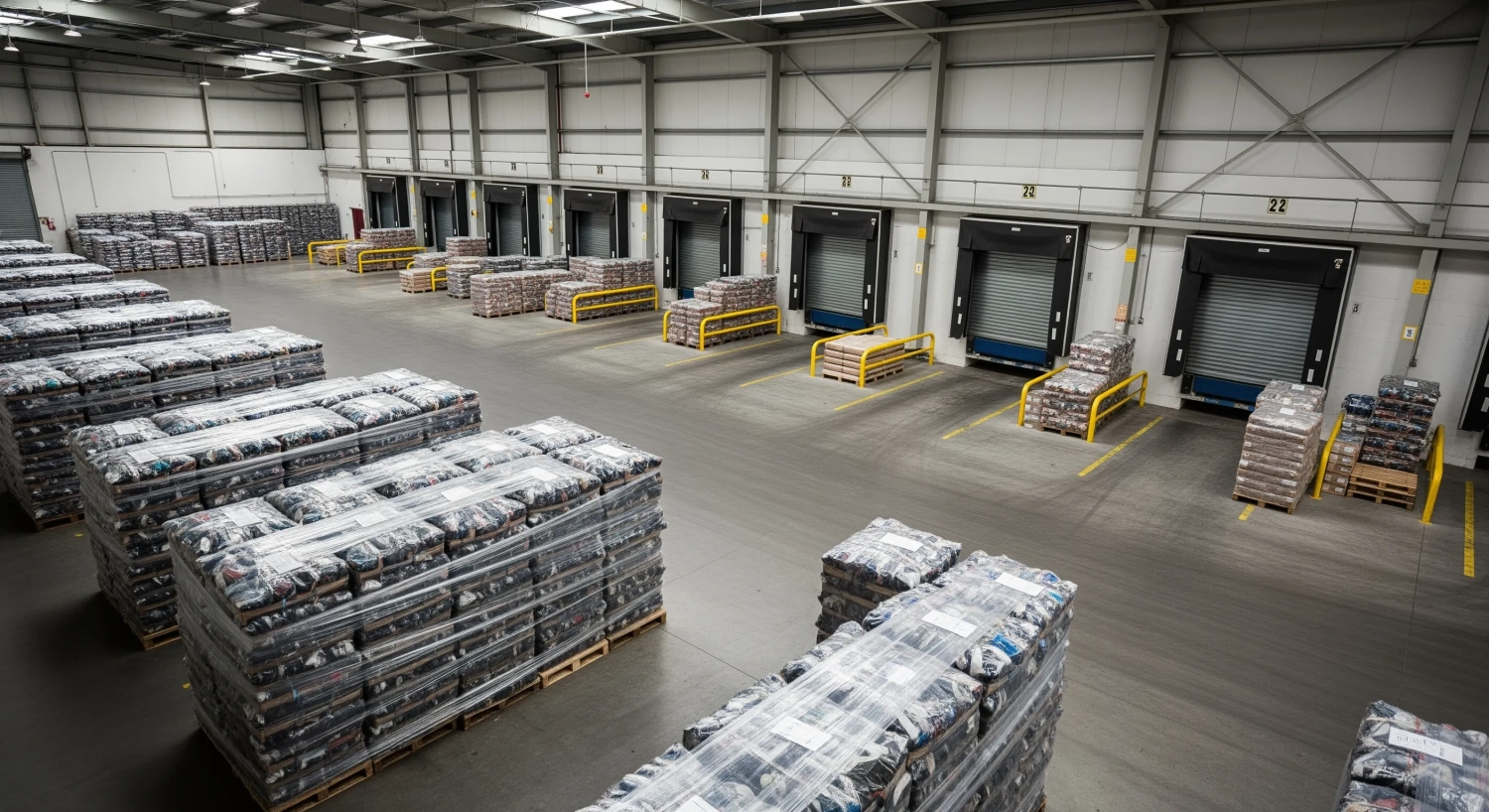
For B2B buyers seeking a reliable source for wholesale second hand shoes in the UK, understanding the market and identifying trusted suppliers is essential. These shoes are ideal for resale and export, providing cost-effective solutions with a variety of styles and qualities. As demand grows for sustainable and affordable footwear options, partnering with reputable second hand shoe suppliers presents a strategic advantage for trade businesses aiming to diversify their inventory while maintaining quality standards.
Table of Contents
- Understanding Wholesale Second Hand Shoes
- Key Suppliers in the UK
- Grading and Quality Control
- Navigating Logistics and Shipping
- Risk Management in Sourcing
- Building a Sustainable Supply Chain
Key Takeaways
| Area | Considerations |
|---|---|
| Volume/MOQ | Understand the minimum order quantities to optimize purchasing costs. |
| Grading Signals | Use clear grading standards to manage expectations and reduce returns. |
| Logistics Readiness | Ensure suppliers can accommodate timely shipping to meet market demands. |
| Margin Discipline | Analyze costs associated with sourcing to maintain profitability in sales. |
Understanding Wholesale Second Hand Shoes
Wholesale second hand shoes offer businesses a sustainable alternative to fast fashion while appealing to the growing demand for eco-friendly products. Sourcing these shoes involves understanding the dynamics of the second hand market, which encompasses factors such as pricing, demand fluctuations, and consumer preferences. Businesses must keep in mind that the intricacies of the market can affect both availability and quality, influencing their purchasing decisions.
Key characteristics of wholesale second hand shoes include diverse styles, sizes, and conditions, often categorized into grades based on quality. These grades help simplify the decision-making process for buyers, enabling them to select inventory that aligns with their target market. Moreover, establishing a solid relationship with suppliers can enhance operational efficiency and foster long-term success.
Key Suppliers in the UK
The UK is home to a variety of established wholesale second hand shoe suppliers, each offering unique inventory and pricing structures. Suppliers such as those found at industry hubs provide bulk access to quality footwear at competitive rates. Maintaining connections with these suppliers allows trade buyers to tap into diverse collections and negotiate terms that cater to their specific business needs.
Researching suppliers involves assessing their credibility, delivery times, and customer service. It’s imperative to connect with reputable suppliers who can offer consistent quality and timely shipping. Networking within the wholesale community can also lead to valuable recommendations, further assisting in supplier vetting.
Grading and Quality Control
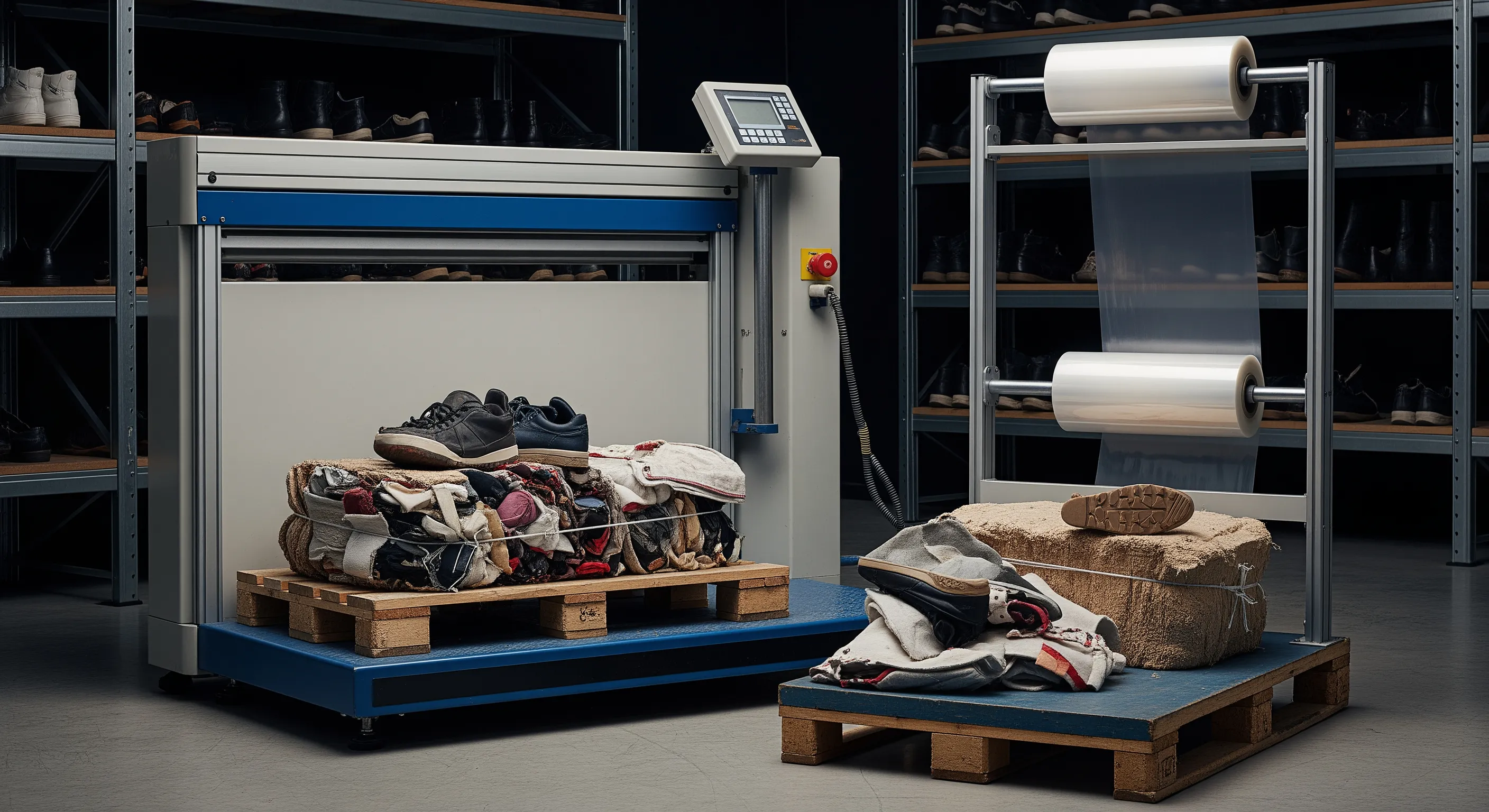
Grading second hand footwear is crucial for maintaining quality assurance and meeting customer expectations. Different grades typically indicate varying conditions, which can range from nearly new to heavily worn. Establishing a transparent grading system with clear definitions helps buyers understand what they are purchasing and aids in minimizing dissatisfaction and returns.
Additionally, implementing rigorous quality control processes ensures that items meet established standards before reaching the buyer. Inspections and detailed pack lists can significantly reduce errors during the order fulfilment stage and enhance trust between suppliers and wholesalers.
Navigating Logistics and Shipping
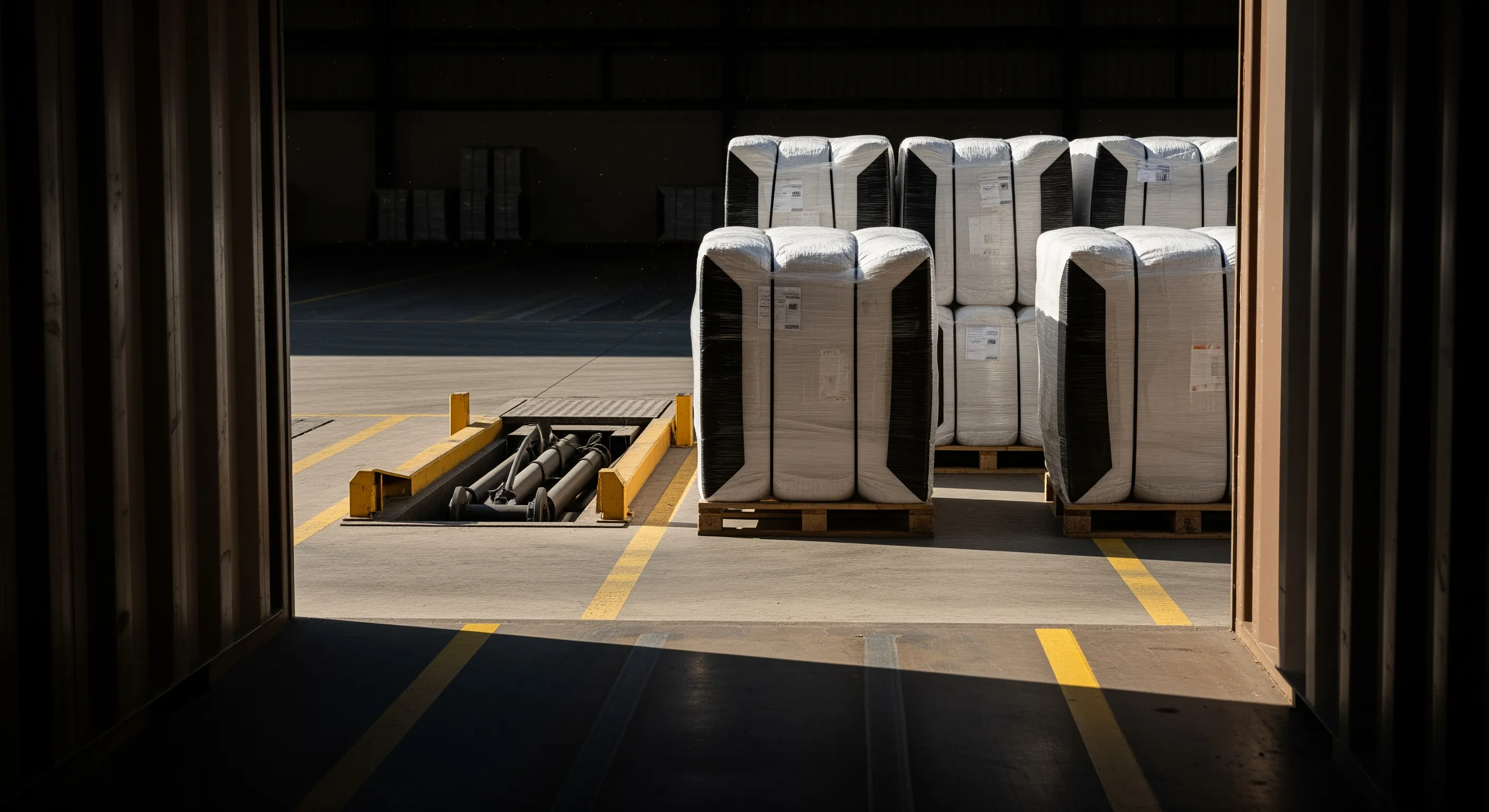
Efficient logistics play a vital role in the wholesale supply chain, particularly for these bulk purchases. Successful shipping strategies must align with market demands to ensure timely availability. Collaborating with shipping partners knowledgeable about customs regulations and best practices for exporting second hand shoes can save time and avoid complications.
In choosing a supplier, consider their logistics capabilities, including their ability to manage shipment sizes, storage facilities, and delivery timelines. A strong logistics framework supports smooth operations, ensuring that businesses can meet customer expectations without unnecessary delays.
Risk Management in Sourcing
Preparing for potential risks in sourcing second hand shoes is crucial for business continuity. Identifying common challenges such as inconsistent product quality, supply chain disruptions, or fluctuating prices allows businesses to develop effective mitigation strategies. This may involve diversifying suppliers, conducting regular assessments, and maintaining a flexible purchasing approach.
Trade buyers should also establish contingency plans for unexpected issues, which can safeguard their operations and reputation. Implementing risk assessment frameworks helps businesses track variables that may impact their sourcing capabilities.
Building a Sustainable Supply Chain
As sustainability increasingly shapes consumer preferences, building a sustainable supply chain becomes paramount. Wholesale buyers of second hand shoes can benefit from fostering relationships with suppliers that prioritize ethical sourcing and environmentally friendly practices. This sustainable approach can enhance brand loyalty and attract eco-conscious customers.
Incorporating sustainable practices into operations not only aligns with market trends but also facilitates long-term growth. Buyers looking to boost their sustainability credentials should consider collaborating with suppliers that emphasize recycling and upcycling initiatives.
Unlock Cost Savings and Inventory Variety with Trusted UK Bulk Clothing Sourcing

For trade buyers who need consistent bulk supply and clear grading expectations, explore Original Secondhand at originalsecondhand.com. If you’d like a quick recommendation on the best fit for your business model, volumes, and export requirements, contact the team here: Contact Us.
Frequently Asked Questions
What grading system do second hand shoe suppliers use?
Suppliers typically use a tiered grading system ranging from A (excellent) to C (acceptable), depending on the condition.
How can I ensure quality when sourcing second hand shoes?
Work with reputable suppliers who have clear quality control processes in place, and request samples when possible.
What are common shipping challenges in sourcing second hand shoes?
Shipping delays, customs issues, and inventory discrepancies can pose significant challenges during the sourcing process.
Is it profitable to resell second hand shoes?
Yes, with a well-defined market strategy and dependable suppliers, reselling second hand shoes can yield healthy profit margins.