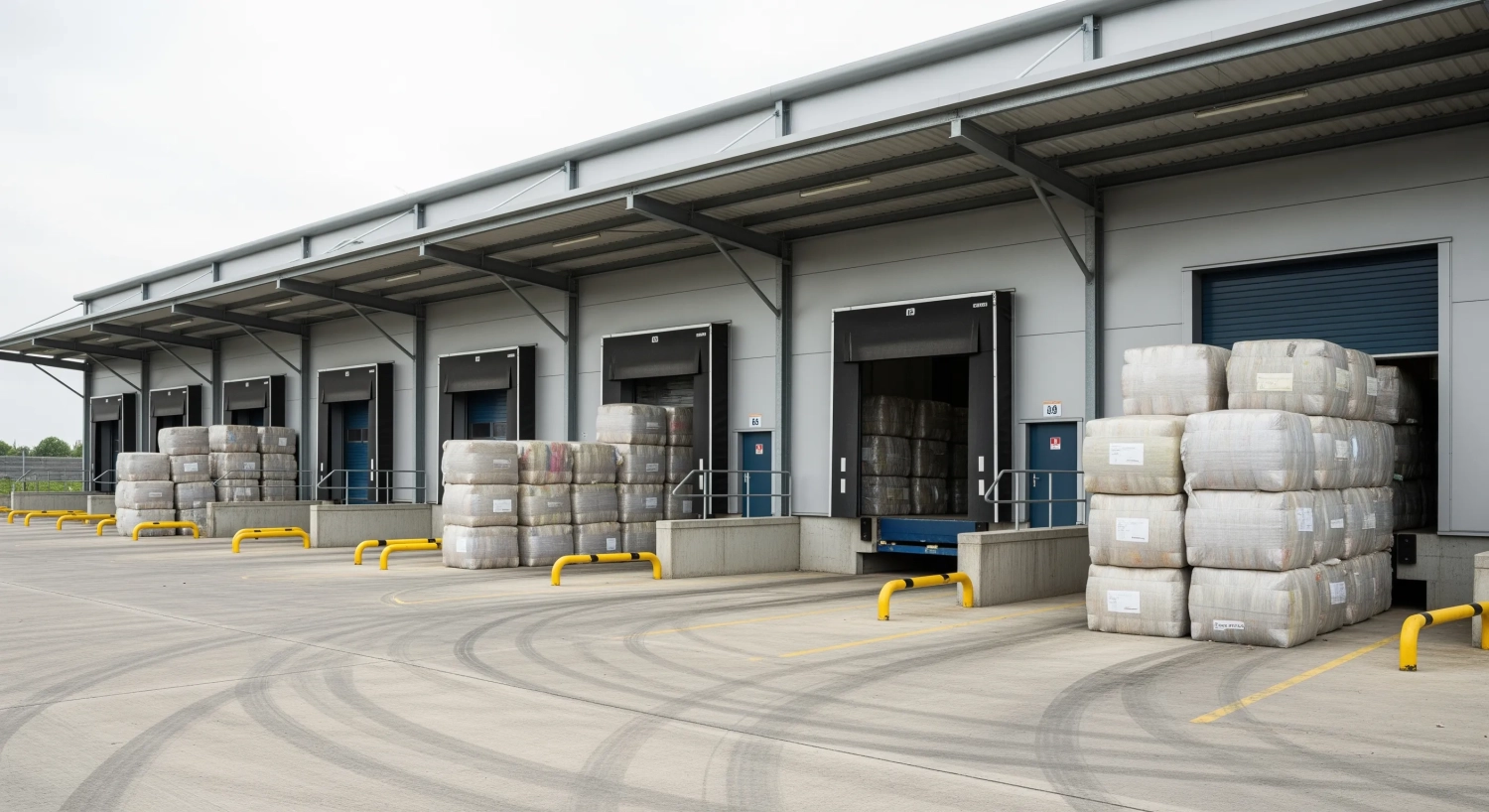
In the evolving landscape of the second-hand clothing industry, trade buyers in the UK face unique challenges and opportunities. Sourcing reliable wholesale used clothes is crucial for businesses looking to maintain a competitive edge. With the demand for sustainable practices increasing, understanding the channels for procuring quality second-hand clothing can lead to enhanced profitability and customer satisfaction. This B2B guide focuses on strategic avenues for sourcing used clothing, catering specifically to wholesale buyers and export opportunities.
Table of Contents
- Understanding the Second-Hand Market
- Identifying Reliable Suppliers
- The Role of Grading in Wholesale Clothing
- Exporting Second-Hand Clothing
- Systems and Processes for Risk Mitigation
- Future Trends and Opportunities
Key Takeaways
| Consideration | Details |
|---|---|
| Volume Requirements | Engage suppliers who can accommodate large orders for consistent inventory availability. |
| Grading Signals | Understand grading systems to ensure quality compliance with market demands. |
| Logistics Readiness | Partner with suppliers who have effective shipping logistics for timely delivery. |
| Margin Control | Implement a system for monitoring costs to maintain profitable margins. |
Understanding the Second-Hand Market
The second-hand clothing market in the UK is a dynamic landscape influenced by consumer preferences and global sustainability trends. According to recent research, the international used clothing trade contributes significantly to sustainable practices by extending the lifecycle of garments. Understanding these trends is vital for trade buyers as it helps to align sourcing strategies with market demands.
Moreover, the increasing consumer acceptance of second-hand clothing opens avenues for wholesale buyers to tap into various segments of the retail market. This shift also reflects wider shifting attitudes towards sustainability, allowing buyers to promote their brands as eco-conscious.
Pro tip: Stay updated with market research reports to leverage insights into consumer trends and preferences in the second-hand market.

Identifying Reliable Suppliers
Knowing where to source wholesale used clothes is essential for B2B buyers. Reliable suppliers often have established reputations and offer transparent grading systems, which is crucial for maintaining quality standards. Platforms that consolidate suppliers tend to provide better access to varied sources, enabling buyers to select according to their specific needs.
Researching potential suppliers is vital; resources such as academic articles and industry reports can provide insights into supplier reliability. For example, findings from an academic study highlight the significant contributions of established suppliers to the sustainability of the used clothing trade. Engaging with these suppliers ensures a steady, quality supply and fosters long-term business relationships.
Pro tip: Utilize supplier databases and industry networks to identify potential partners and validate their credentials.
The Role of Grading in Wholesale Clothing
Grading systems play a crucial role in the wholesale clothing market. By understanding the different grades assigned to clothing items—ranging from premium to standard—buyers can make informed purchasing decisions that meet their customer's expectations. Moreover, clear grading expectations minimize discrepancies in the delivered product quality.
For instance, a comprehensive study on grading systems in second-hand clothing can assist buyers in identifying quality indicators. This knowledge helps in negotiating prices and ensuring that the sourced products yield satisfactory returns.
Pro tip: Familiarize yourself with grading terminology and criteria to improve negotiation leverage with suppliers.
Exporting Second-Hand Clothing
Exporting second-hand clothing presents both opportunities and challenges for trade buyers. Understanding the regulations and logistics involved in exporting used textiles can significantly impact a buyer's effectiveness in this market. As documented in reports by the European Environment Agency, trade dynamics can shift rapidly based on compliance and import/export barriers.
A strategic approach is key—ensuring that you are aware of the origin laws and export duties can help mitigate unforeseen costs during transactions. For effective export operations, assess key markets and identify necessary partnerships, which can enhance logistical frameworks.
Pro tip: Stay abreast of international trade regulations and engage with logistics companies specializing in textile export.

Systems and Processes for Risk Mitigation
Establishing robust systems for risk mitigation is essential for wholesale buyers. Systems should encompass thorough vetting processes for suppliers, detailed contract agreements, and quality assurance checks. These measures help safeguard against the uncertainties associated with bulk purchases.
Moreover, understanding common risks—such as supply chain disruptions or quality inconsistencies—can enable buyers to create contingency plans. Implementing these processes not only reduces risks but also promotes operational efficiency.
Pro tip: Regularly review and update risk assessment strategies to align with changing market conditions.
Future Trends and Opportunities
Looking forward, the wholesale used clothing market is expected to evolve significantly. Trends towards sustainability and circular fashion are prompting buyers to embrace innovative sources and technologies for sourcing clothing. Reports highlight that platforms facilitating circular economy principles can enhance the efficiency of second-hand clothing distribution.
As this market expands, opportunities for differentiation arise. Buyers can explore niche markets or themed collections that cater to specific consumer demographics, enhancing their competitive advantage. Being proactive in these trends will ensure relevancy in the continually changing marketplace.
Pro tip: Engage with technology companies that provide data analytics and market insights to stay ahead of industry trends.
Unlock Cost Savings and Inventory Variety with Trusted UK Bulk Clothing Sourcing

For trade buyers who need consistent bulk supply and clear grading expectations, explore Original Secondhand at originalsecondhand.com. If you’d like a quick recommendation on the best fit for your business model, volumes, and export requirements, contact the team here: Contact Us.
Frequently Asked Questions
What should I consider when sourcing wholesale used clothes?
Look for reliable suppliers with transparent grading systems and good logistics.
How can I ensure quality in second-hand purchases?
Understand grading systems and have clear agreements with suppliers that specify expectations.
Is exporting second-hand clothing complicated?
It involves understanding regulations and potential costs, but proper planning can ease the process.
What are the future prospects for the second-hand clothing market?
The market is moving towards sustainability and circular fashion principles, creating new opportunities.