
Finding reliable sources to purchase second-hand clothes in bulk can be crucial for B2B buyers in Canada looking to enhance their inventory. Whether for resale or export, understanding where to obtain high-quality garments is essential. This article explores reputable suppliers and effective strategies for sourcing second-hand clothing, ensuring that you make informed purchasing decisions tailored to your business needs.
Table of Contents
- Understanding the Second-Hand Market in Canada
- Top Suppliers for Bulk Second-Hand Clothing
- Evaluating Quality and Grading Standards
- Logistics and Supply Chain Management
- Economic Impact and Trends in Second-Hand Clothing
- Navigating Exports and International Markets
Key Takeaways
| Consideration | Insight |
|---|---|
| Volume Requirements | Order in bulk to negotiate better pricing and ensure consistent supply. |
| Grading Factors | Understand grading standards to assess quality beforehand, reducing risks of returns. |
| Logistics Optimization | Plan shipping to avoid delays and understand warehouse handling for efficiency. |
| Risk Management | Evaluate suppliers on reliability to minimize the chances of inventory shortfalls. |
Understanding the Second-Hand Market in Canada
Canada’s second-hand market is thriving, driven by both sustainability trends and economic factors. Retailers and exporters alike are increasingly turning to second-hand clothing to meet consumer demand for affordable yet quality apparel. Brands that understand this landscape can better tailor their offerings to suit market preferences.
Market dynamics indicate a growing shift towards ethical consumption, especially among younger demographics, making them significant targets for businesses involved in the resale of second-hand fashion. To gain deeper insights into these trends, you can refer to studies such as Remanufactured Fashion, which discusses impacts on the fashion system as the mass market increasingly adopts second-hand options.
Top Suppliers for Bulk Second-Hand Clothing
Identifying trustworthy suppliers is paramount. In Canada, various wholesalers specialize in second-hand clothing, offering bulk bales of clothing suitable for diverse retail operations. A detailed directory of these suppliers can enhance sourcing efficiency.
Reputable suppliers not only provide a variety of clothing types but also ensure that their processes meet stringent industry standards. For instance, some have established their operations based on insights from reports like Unique and Cheap or Damaged and Dirty, which explores consumer perceptions around second-hand goods.
Evaluating Quality and Grading Standards
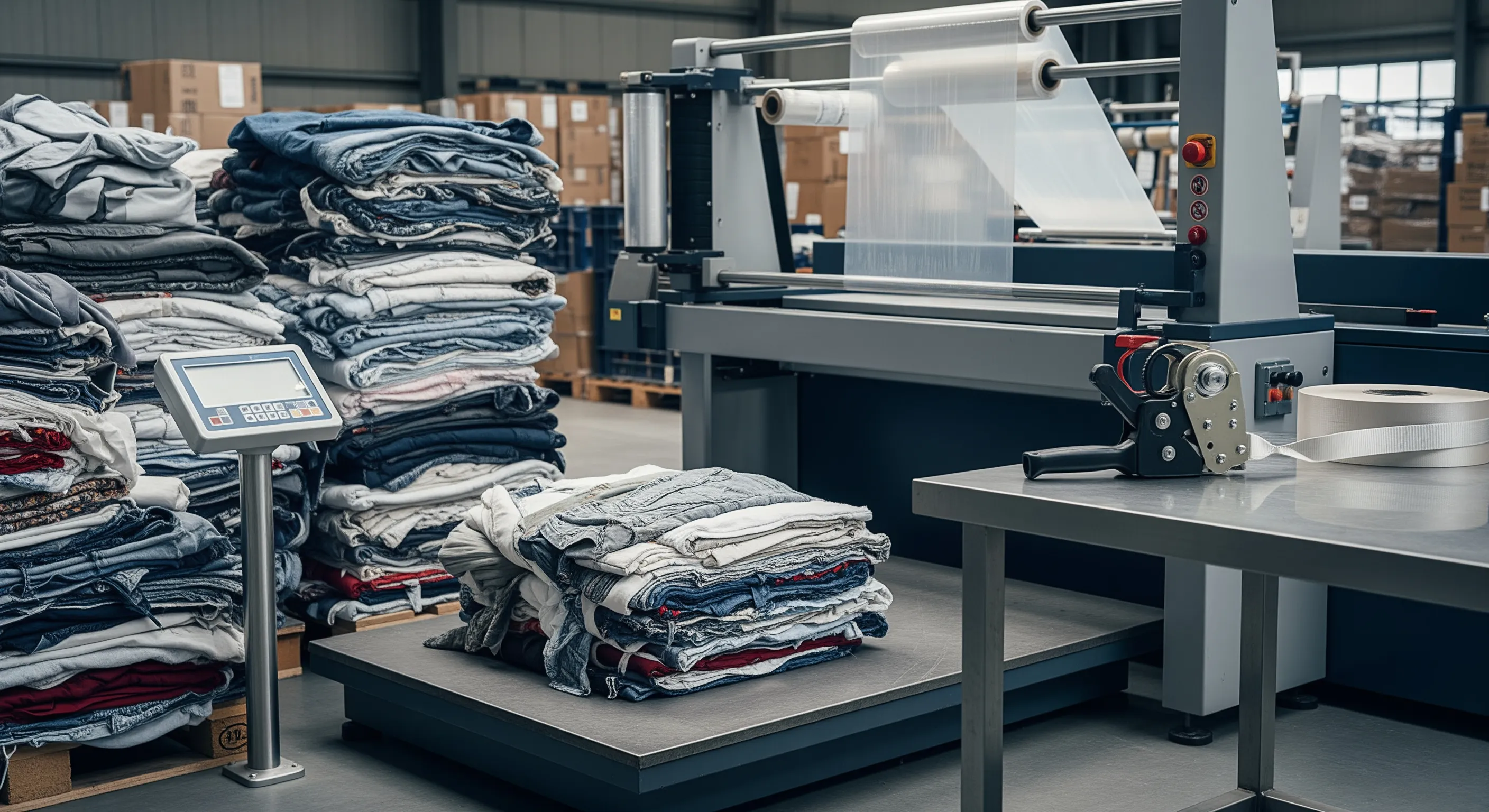
When exploring second-hand clothing options, understanding grading standards is essential. Grading systems can vary between suppliers, affecting pricing and quality expectations. Knowing how to evaluate these factors will empower buyers to make informed decisions.
Reports such as Millennial Perceptions of Fast Fashion and Second-Hand can provide valuable insights into consumer expectations, helping wholesalers adjust their product lines accordingly.

Logistics and Supply Chain Management
Effective logistics are crucial in the wholesale secondhand clothing business. Establishing robust supply chain practices can drastically reduce delays and minimize costs associated with shipping and handling. Ensuring that your logistics partners are reliable is a must for consistent inventory flow.
To elevate your understanding of logistics in the second-hand clothing market, influential reports like Preparatory study on textiles for product policy instruments can offer guidance on establishing effective supply chain policies.
Economic Impact and Trends in Second-Hand Clothing
The economic significance of the second-hand clothing market continues to grow, contributing to sustainable fashion practices and reducing textile waste. Knowledge of current economic trends allows businesses to adapt their strategies for better market positioning.
For an in-depth analysis of the economic impact of second-hand clothing, one can refer to documents like economic impact of second-hand clothes in Africa and the EU27+, which highlight how the industry influences global trade dynamics.
Pro tip: Regularly engage with upcoming market research to stay abreast of trends that affect B2B sourcing in second-hand clothing.
Navigating Exports and International Markets
For businesses looking to export second-hand clothing, understanding international regulations and market landscapes is imperative. Knowledge of different countries’ requirements can streamline exports and enhance business viability.
Insightful reports, such as trade in secondhand clothing | UNCTAD, assist businesses in aligning their practices with regulatory frameworks in target markets.
Pro tip: Always consult trade regulations prior to exporting to ensure compliance.
Unlock Cost Savings and Inventory Variety with Trusted UK Bulk Clothing Sourcing

For trade buyers who need consistent bulk supply and clear grading expectations, explore Original Secondhand at originalsecondhand.com. If you’d like a quick recommendation on the best fit for your business model, volumes, and export requirements, contact the team here: Contact Us.
Frequently Asked Questions
What are the benefits of buying second-hand clothing in bulk?
Buying second-hand clothing in bulk can significantly reduce costs, allowing businesses to maintain competitive pricing. It also supports sustainable practices by extending the lifecycle of garments.
How can I ensure the quality of second-hand clothing?
Always request grading information from suppliers and, if possible, assess samples to verify quality before placing bulk orders.
What types of second-hand garments are typically available for bulk purchase?
Typically, wholesalers offer a mix of used apparel across various categories, including fashion, sports, and functional garments.
Are there specific legal requirements for exporting second-hand clothing?
Requirements vary by country, but it's crucial to research local regulations and compliance standards before exporting.