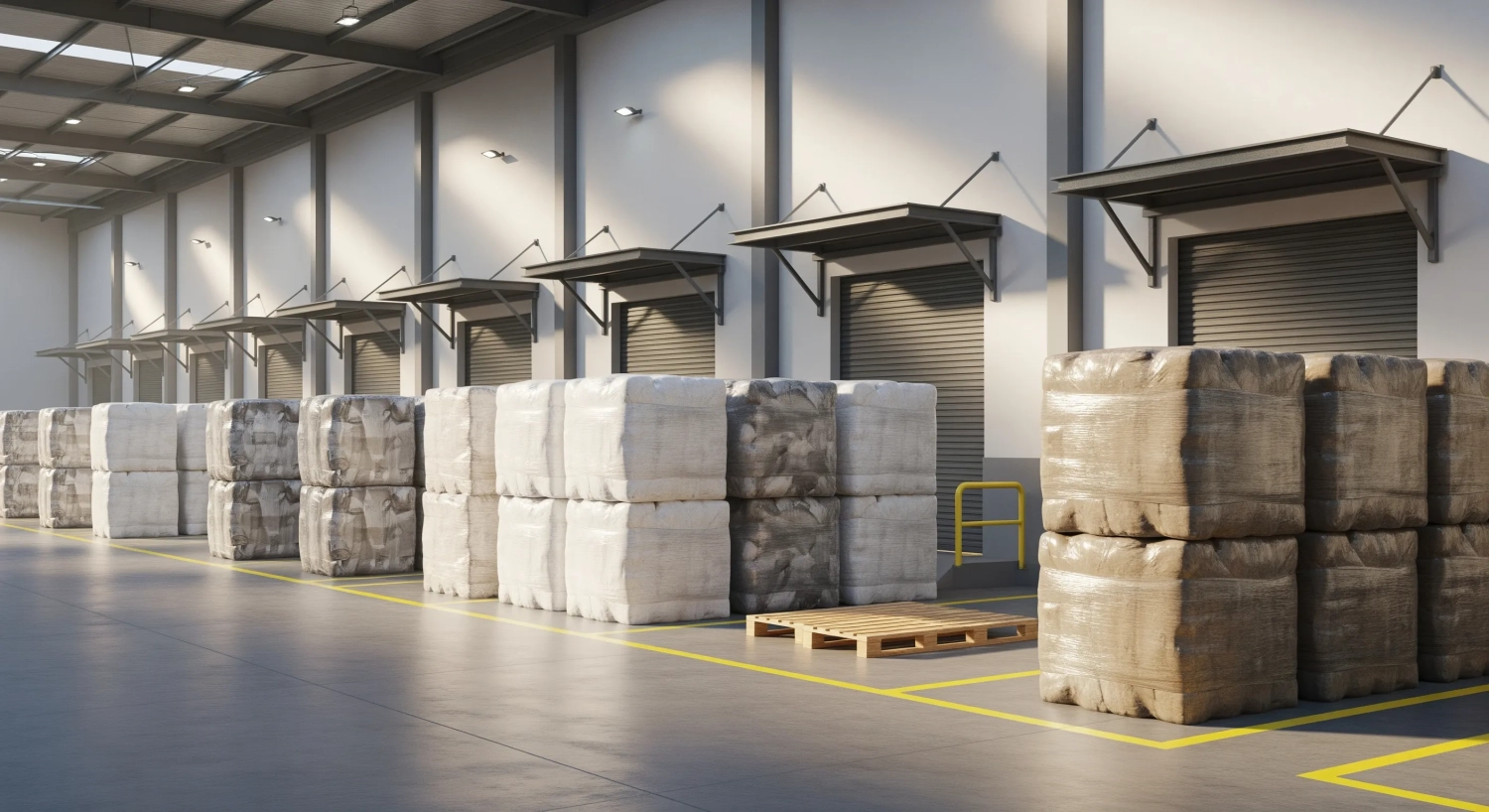
In the competitive landscape of wholesale clothing, operational efficiency and reliable sourcing are paramount. Melbourne stands out as a key destination for B2B buyers seeking high-quality second-hand garments. As a UK-based supplier, Original Secondhand offers a variety of second-hand clothing options ideal for exporters and retailers focused on bulk purchases. Understanding the nuances of grading, logistics, and the local market can provide traders with the insight they need to make informed decisions. Here, we explore top suppliers for second hand clothes wholesale Melbourne, emphasizing their offerings and operational considerations.
Table of Contents
- Understanding the Second Hand Market in Melbourne
- Key Players in Second Hand Clothing Sourcing
- Importance of Grading in Wholesale Clothing
- Logistical Considerations for Exporting
- Risk Mitigation in Second Hand Clothing Supply
- Navigating Supplier Relationships
Key Takeaways
| Key Considerations | Details |
|---|---|
| Volume Requirements | Ensure minimum order quantities align with market demand |
| Quality Grading | Understand the grading system to minimize returns and claimed errors |
| Shipping Logistics | Factor in lead times and shipping costs for import/export efficiency |
| Risk Control | Protect against inconsistencies with reliable supplier agreements |
Understanding the Second Hand Market in Melbourne
The second-hand clothing market in Melbourne has gained significant traction as consumers and businesses prioritize sustainability. This trend creates an opportunity for B2B buyers to connect with local suppliers who understand the nuances of the market dynamics. Furthermore, the city boasts a variety of wholesale options that cater to different segments, allowing buyers to source products tailored to their specific needs.
As a B2B buyer, it is crucial to familiarize yourself with the various types of second-hand clothing available, such as bulk secondhand clothes and export clothing options, which can streamline your inventory. By tapping into local insights and market trends, suppliers can better serve the demands of both domestic and international customers.
Key Players in Second Hand Clothing Sourcing
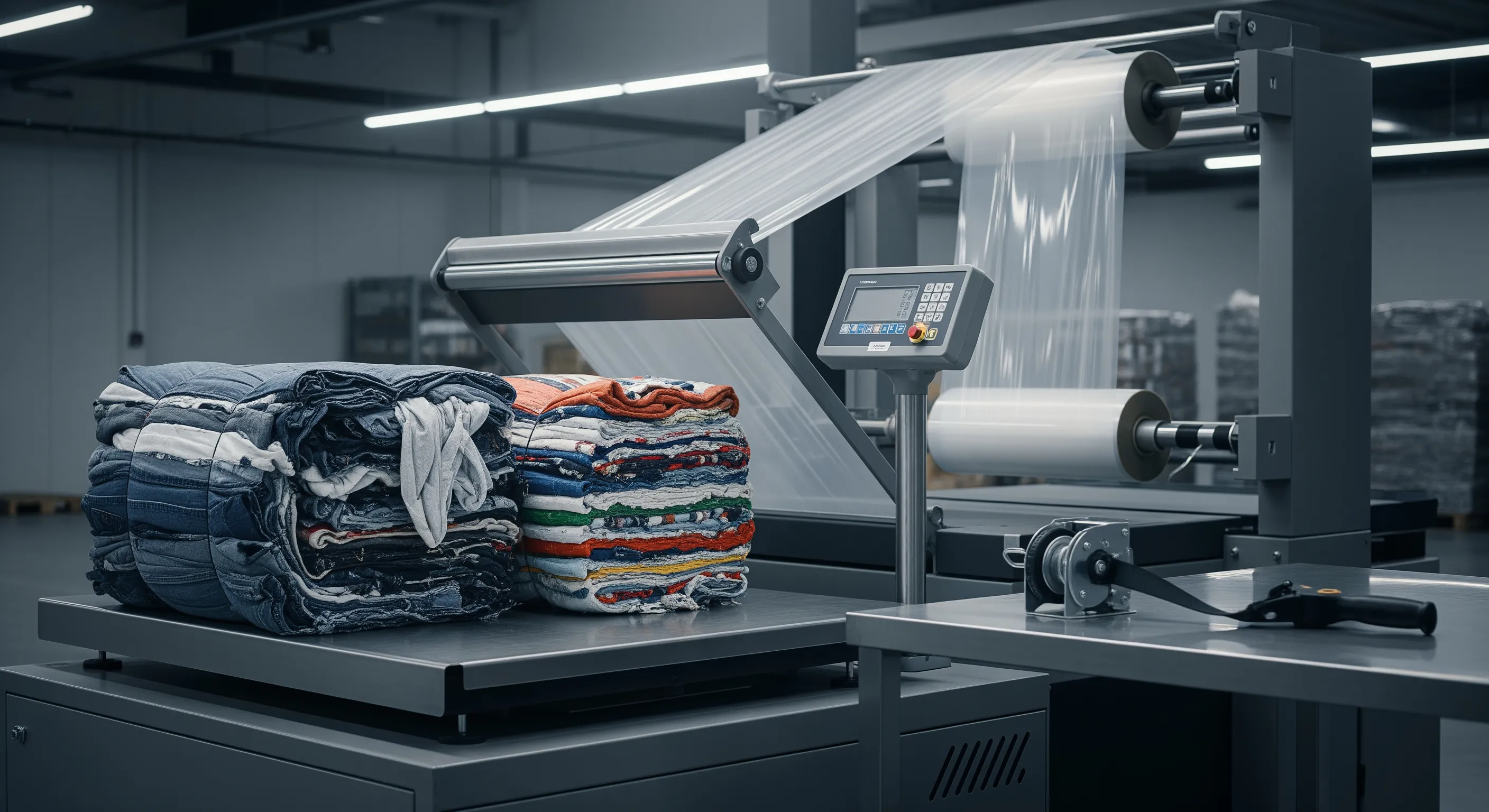
Several notable suppliers dominate the second-hand clothing landscape in Melbourne. Each supplier brings unique offerings to the table, focusing on volumes, quality, and pricing structures that can benefit B2B buyers looking for wholesale clothing options. Identifying the right partners is essential for optimizing inventory and ensuring reliability.
In addition to local suppliers, global relationships can also play a significant role in diversification. Establishing solid partnerships with key players can ensure a consistent supply chain, aiding in smooth operational processes.
Importance of Grading in Wholesale Clothing
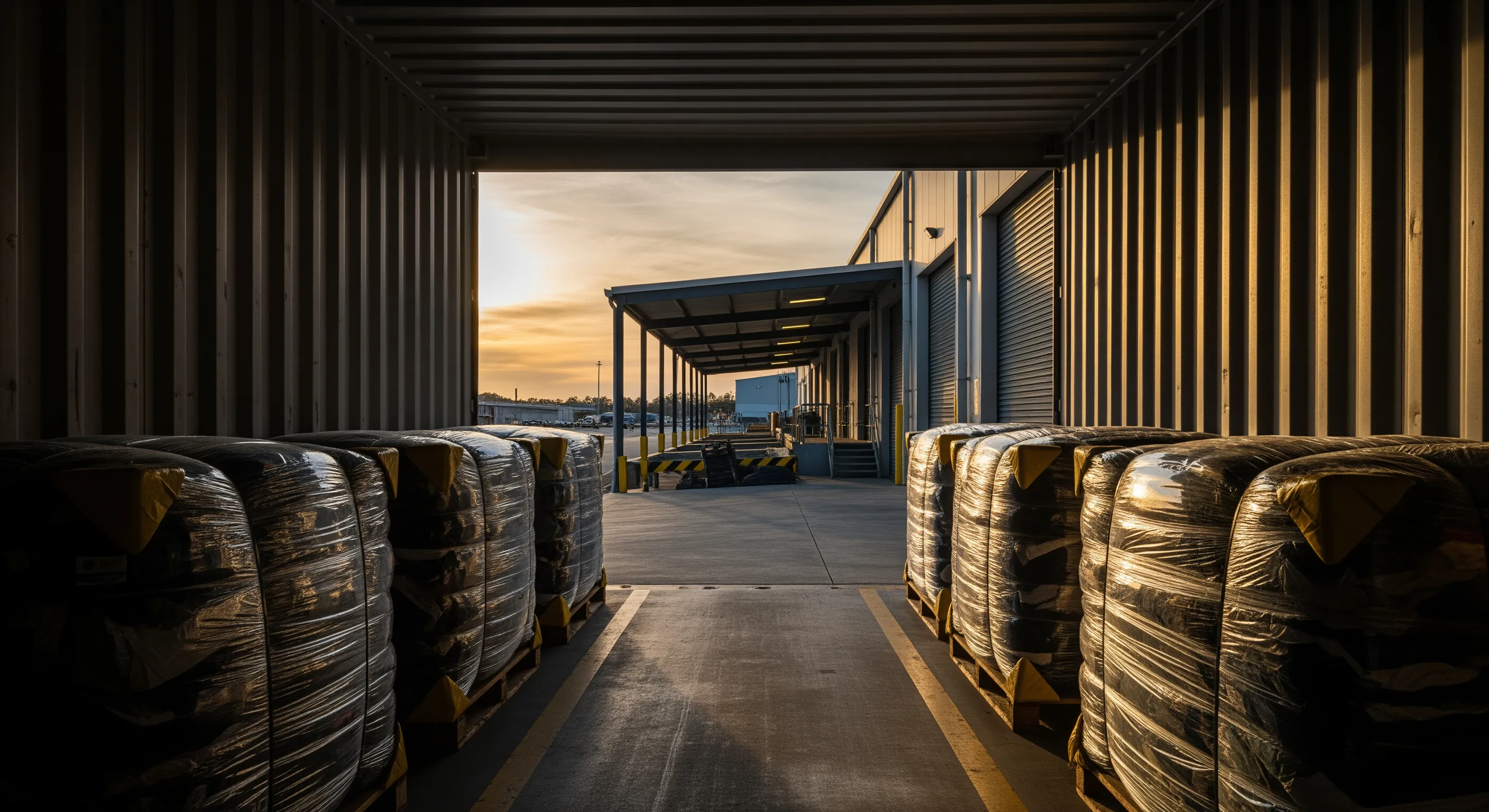
Grading second hand clothes is a critical aspect of the wholesale process, impacting quality control and customer satisfaction. Different grades signify varying levels of quality and condition, which directly influence pricing strategies. It's essential to communicate clearly with suppliers regarding grading expectations to avoid discrepancies.
Understanding how each grading category affects the end product enables buyers to make informed purchasing decisions. This insight can ultimately lead to improved margins and customer loyalty as businesses can offer high-quality products that meet market expectations.
Pro tip: Consistent communication regarding grading standards can aid in maintaining quality throughout the supply chain.
Logistical Considerations for Exporting
Logistics play a pivotal role in the efficiency of wholesale operations. When dealing with second-hand clothing in Melbourne, understanding the specifics of logistics—from handling procedures to shipping timelines—is essential. Buyers should coordinate closely with suppliers to ensure that all parties are informed about delivery schedules and regulatory requirements.
It’s also important to assess potential customs challenges that may arise during the export process. Being proactive can minimize delays and setbacks in the supply chain, ensuring timely delivery of products.
Pro tip: Collaborate with logistics providers experienced in international shipping for smoother export processes.
Risk Mitigation in Second Hand Clothing Supply
Risks associated with supply chain disruptions can impact your wholesale operations significantly. Identifying these risks—from supplier reliability to changing market conditions—allows businesses to develop mitigation strategies. Diversifying suppliers and establishing contingency plans are important steps in safeguarding your operations.
Besides diversifying suppliers, maintaining strong supplier relationships can be an effective risk-reduction tool. Open lines of communication are essential in addressing concerns and fostering collaboration, leading to a more robust supply chain.
| Risk | Cause | Mitigation |
|---|---|---|
| Supplier Reliability | Inconsistent product quality | Ongoing quality assessments and audits |
| Shipping Delays | Customs issues | Plan for buffer times in shipping |
| Market Volatility | Demand fluctuations | Diverse product offerings to brace for changes |
| Compliance Issues | Regulatory changes | Stay informed on local laws and regulations |
Navigating Supplier Relationships
Building and maintaining effective relationships with suppliers are fundamental to successful operations. As trade buyers, it’s essential to foster mutual trust and open communication to ensure that both parties benefit from the partnership. This relationship can facilitate better negotiation terms and can lead to improved conditions for future transactions.
Engagement practices such as regular check-ins and feedback discussions can contribute to greater alignment and satisfaction. These strategies can ultimately create a more cohesive partnership that enhances the overall supply chain.
Pro tip: Create structured engagement schedules with suppliers to maintain clear communication.
Unlock Cost Savings and Inventory Variety with Trusted UK Bulk Clothing Sourcing

For trade buyers who need consistent bulk supply and clear grading expectations, explore Original Secondhand at originalsecondhand.com. If you’d like a quick recommendation on the best fit for your business model, volumes, and export requirements, contact the team here: Contact Us.
Frequently Asked Questions
What types of second-hand clothing are available in Melbourne?
Melbourne offers a diverse range of second-hand clothing including bulk options, export-ready garments, and items graded for various quality levels.
How can I ensure quality when sourcing second-hand clothing?
Establish and communicate clear grading expectations with your suppliers to manage quality effectively.
Are there risks associated with importing second-hand clothing?
Yes, risks such as supplier reliability, shipping delays, and compliance issues can impact your operations; proactive management is essential.
How can I build strong supplier relationships?
Regular communication, mutual trust, and structured engagement practices are key to developing effective supplier partnerships.