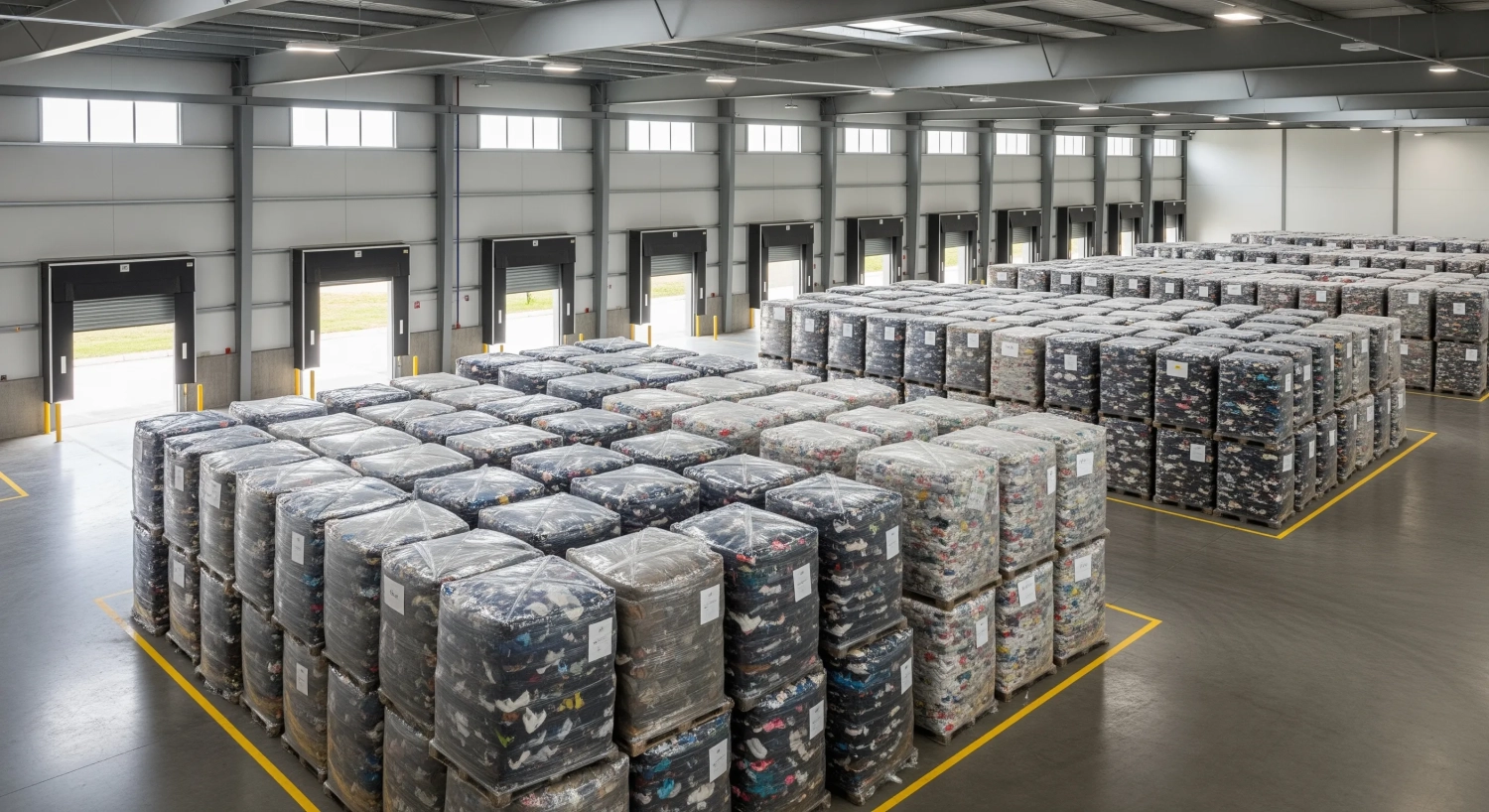
In the rapidly evolving landscape of B2B wholesale, sourcing quality used shoes is an essential aspect for trade buyers looking to maintain competitive margins. Whether you operate a retail outlet, online marketplace, or export business, understanding the dynamics of the second-hand footwear market is crucial. This guide aims to illuminate the best practices for sourcing used shoes wholesale within the UK, focusing on the parameters of quality, grading, and logistics that can make or break your purchasing decisions.
Table of Contents
- Understanding the Market for Used Shoes
- Sourcing Quality Used Footwear
- Clothing Grading Standards
- Best Practices for Logistics
- Risk Mitigation in Sourcing
- Identifying Reliable Suppliers
Key Takeaways
| Key Insight | Description |
|---|---|
| Volume & MOQ | Establish realistic minimum order quantities to ensure cost-effectiveness. |
| Grading Signals | Understand grading signals to quickly assess quality during selection. |
| Logistics Readiness | Ensure suppliers can provide timely shipping and reliable documentation. |
| Margin Discipline | Maintain strict margin expectations throughout the sourcing process. |
Understanding the Market for Used Shoes
The used shoe market is an integral component of the second-hand clothing sector, catering to a variety of customers seeking both affordability and sustainability. Trade buyers are increasingly recognizing the value in sourcing second-hand footwear, not just for their cost benefits, but also due to rising consumer interest in eco-friendly practices. Factors such as seasonal trends, brand reputation, and the condition of stock can significantly influence market dynamics.
Mediating these elements requires an acute understanding of regional demand patterns and the types of footwear that are popular within specific demographics. By aligning your sourcing strategy with consumer preferences, your business can achieve better inventory turnover, thereby maximizing profitability.

Pro tip: Regular market analysis helps identify potential shifts in consumer behavior, allowing for proactive sourcing adjustments.
Sourcing Quality Used Footwear
Quality control in used footwear is paramount, as it dictates customer satisfaction and return rates. Reliable suppliers should offer transparency regarding their grading processes and the condition of their items. When sourcing used shoes wholesale, ensure to request detailed stock lists that include photographs and descriptions to facilitate better decision-making.
Additionally, establishing a strong relationship with suppliers can lead to preferential treatments such as exclusive access to premium stock or more favorable payment terms. This enables trade buyers to enhance their inventory variety and quality, providing a competitive edge in your market.
Pro tip: When visiting suppliers, conduct on-site quality checks to verify the condition of the footwear before purchase.
Clothing Grading Standards
Understanding various clothing grading standards is pivotal in the used shoe sector to ensure compliance and quality assurance. Grading typically ranges from A to C, with A being the highest quality and generally requiring rigorous inspection processes. Suppliers who offer transparent grading can significantly aid trade buyers in making informed procurement decisions.
Familiarize yourself with your supplier’s grading criteria, as it can vary widely. Additionally, having a consistent internal grading scale within your distribution operation can prevent inconsistencies and manage expectations for your clients effectively.

Pro tip: Regular training on grading standards for your procurement team can enhance the accuracy of stock evaluations and ultimately improve purchasing outcomes.
Best Practices for Logistics
Logistics play a crucial role in the successful sourcing of used shoes. Streamlining your supply chain can significantly reduce costs and improve delivery times. Coordinate closely with your suppliers to ensure they comply with delivery schedules and packaging standards suitable for international export.
Additionally, utilizing freight forwarders knowledgeable about the intricacies of shipping second-hand goods can further enhance logistical efficiency. Be sure to have contingency plans in place to handle unexpected delays or discrepancies in shipments.
Pro tip: Establishing a dedicated logistics team can improve communication with suppliers and reduce lead times in replenishing stock.
Risk Mitigation in Sourcing
Identifying potential risks in the used shoe sourcing process is essential for maintaining operational integrity. Common risks include supplier reliability, product quality, and logistical delays. By diversifying your supplier base and adopting stringent quality checks at various stages, you can mitigate these risks effectively.
Moreover, having clear contracts that outline expectations regarding product quality, delivery times, and penalties for non-compliance can safeguard your interests as a trade buyer. This proactive approach minimizes unforeseen costs and can stabilize your sourcing pipeline.
| Risk | Cause | Mitigation Strategy |
|---|---|---|
| Supplier Reliability | Poorly defined contracts | Diversify suppliers and establish clear agreements |
| Product Quality | Lack of inspections | Implement stringent quality control checks |
| Logistical Delays | Inadequate planning | Use experienced freight forwarders |
| Unforeseen Costs | Inconsistent agreements | Maintain clear contracts with penalties |
Pro tip: Regular evaluation of supplier performance can reveal underlying issues before they escalate into significant risks.
Identifying Reliable Suppliers
Building a solid network of reliable suppliers is of utmost importance in the second-hand footwear industry. Considerations for supplier selection should include reviews, ratings, previous dealings, and financial stability. It’s advisable to visit suppliers and conduct direct assessments whenever possible.
Utilizing industry-specific forums or associations can also facilitate connections with credible suppliers who have a proven track record of quality and reliability. Expanding your network in this manner can provide you with insights into industry best practices and foster fruitful partnerships.
Pro tip: Create a supplier evaluation checklist to streamline your procurement processes and ensure thorough due diligence.
Unlock Cost Savings and Inventory Variety with Trusted UK Bulk Clothing Sourcing

For trade buyers who need consistent bulk supply and clear grading expectations, explore Original Secondhand at originalsecondhand.com. If you’d like a quick recommendation on the best fit for your business model, volumes, and export requirements, contact the team here: Contact Us.
Frequently Asked Questions
What are the advantages of sourcing used shoes wholesale?
Sourcing used shoes wholesale allows for cost savings, access to unique inventory, and alignment with sustainable practices.
How do I assess the quality of used footwear?
Evaluate quality through supplier grading specifications, stock lists, and, if possible, on-site inspections.
What logistics considerations should I keep in mind?
Focus on supplier delivery times, packaging standards, and the experience of your freight forwarders.
How can I mitigate risks when sourcing shoes?
Diversify your suppliers, implement strict quality checks, and establish clear, enforceable contracts.