
In the competitive world of second-hand clothing, trade buyers need dependable partners to source quality products in bulk. Understanding the available options for used clothing wholesalers is essential for B2B buyers, whether for local sales or international exports. With a clear approach to clothing grading and logistics, businesses can secure inventory that meets their needs while ensuring a sustainable approach to fashion. This article explores various trustworthy used clothing wholesalers in the UK that cater specifically to the needs of trade buyers, focusing on reliable supply chains and quality assurance.
Table of Contents
- Understanding the Market
- Quality Grading Systems
- Importance of Logistics
- Established Wholesalers
- Navigating Risks in Sourcing
- Future Trends in Wholesale Clothing
Key Takeaways
| Key Considerations | Description |
|---|---|
| MOQ and Packaging | Typical minimum order quantities (MOQs) affect pricing and product variety. |
| Clothing Grading | Understanding garment grading is integral for quality assurance and appropriate pricing. |
| Logistics Planning | Consider the shipping readiness of products to reduce delays and unforeseen costs. |
| Mitigating Financial Risks | Establish clear terms and conditions to guard against potential financial losses. |
Understanding the Market
The market for used clothing has witnessed significant growth in recent years, largely driven by rising consumer awareness around sustainability and fast fashion's impact on the environment. B2B buyers must assess the landscape to identify reliable used clothing wholesalers who can maintain quality while offering competitive pricing. Beyond aesthetics, wholesalers need to ensure that their offerings meet quality standards that reflect the expectations of trade buyers and end customers.
One effective strategy is to establish relationships with a variety of wholesalers that cover different categories and styles of clothing, which can help manage inventory risk while catering to diverse consumer preferences.
Pro tip: Diversifying your supply base can help mitigate supply disruptions and ensure a steady flow of inventory.
Quality Grading Systems
Understanding clothing grading systems is critical for B2B buyers as it directly impacts pricing and customer satisfaction. Quality grades can vary widely among wholesalers, making it essential to grasp how each supplier defines their grades. Most suppliers will categorize garments into different grades such as A, B, and C based on quality, usability, and retail value.
Furthermore, transparent grading helps buyers make informed decisions. Suppliers should provide clear explanations of their grading criteria along with detailed pack lists. This clarity enables buyers to align their sourcing strategies with their market positioning.
Pro tip: Always request garment samples to verify grading before committing to larger orders.
Importance of Logistics
Efficient logistics play a pivotal role in the supply chain of second-hand clothing. Timely delivery of goods is essential for maintaining competitive advantage. Trade buyers should engage with wholesalers that have established shipping processes, which could include packing lists detailing the exact contents of shipments.
Additionally, familiarity with international shipping regulations and local customs can prevent delays and additional costs. Selecting wholesalers with robust logistics infrastructure can simplify the exporting process and ensuring that products arrive in optimal condition.
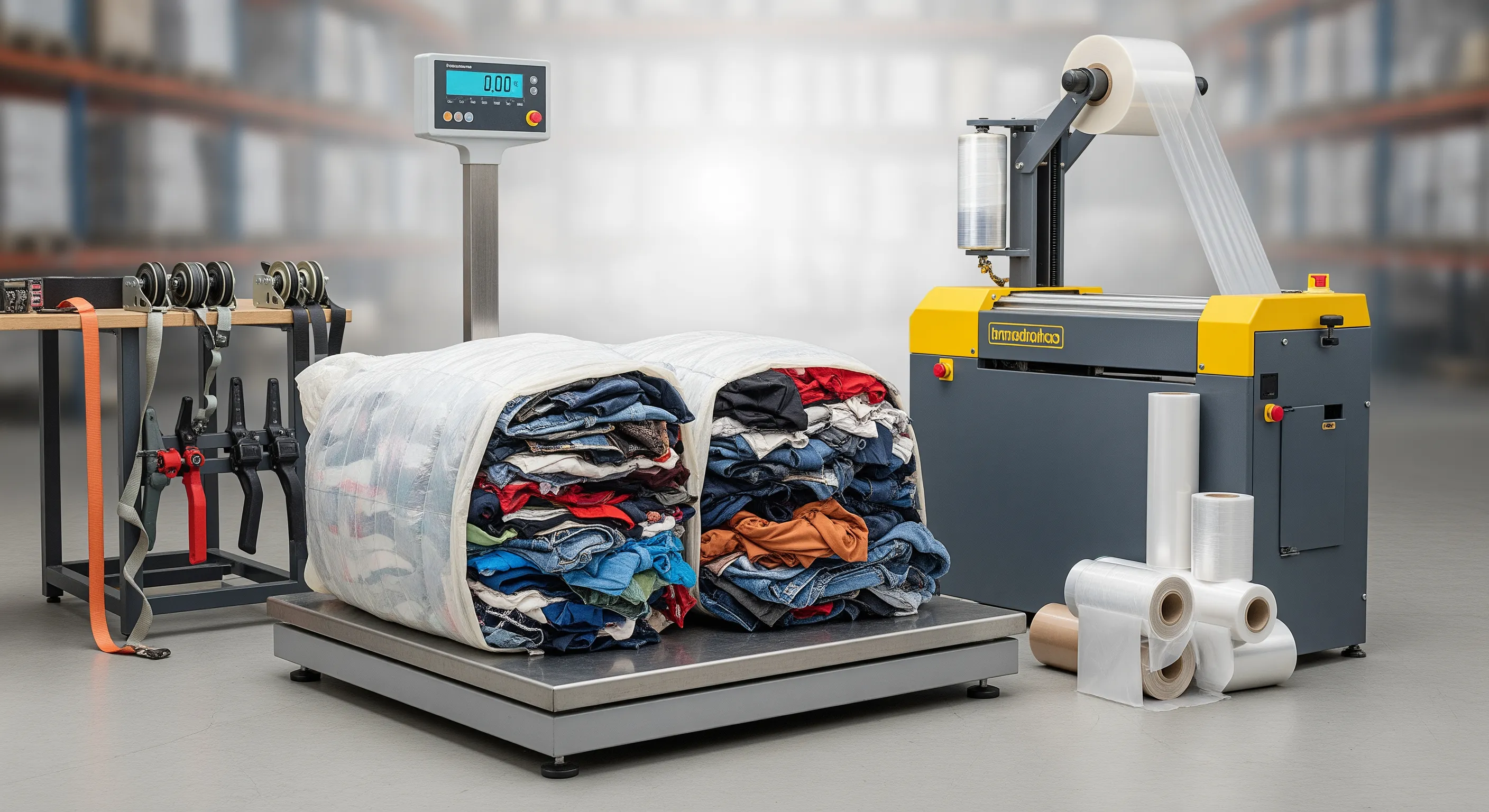
Pro tip: Build a logistics plan that accommodates potential shipping delays, especially for international orders.
Established Wholesalers
Working with established wholesalers can provide trade buyers with the reliability needed in sourcing second-hand clothing. Long-standing relationships with suppliers often yield better pricing, consistent quality, and a dependable supply chain. These suppliers often have experience in grading and logistics, which can be invaluable for new businesses.
Additionally, established players in the market usually have detailed contracts that clearly define service agreements, including grading, returns, and any potential claims procedures.

Pro tip: Request references from established wholesalers to validate their reliability and service quality.
Navigating Risks in Sourcing
Risks can arise at various stages of the sourcing process, from quality discrepancies to logistical delays. It’s crucial for companies to have contingency plans in place. Establishing a clear communication channel with suppliers helps in quickly addressing any issues that may arise.
Furthermore, understanding the legal implications of cross-border trade, including import/export regulations, is necessary to mitigate risks related to compliance and financial losses. By developing an informed approach to risk management, businesses can safeguard their investments.
| Risk | Cause | Mitigation |
|---|---|---|
| Quality Discrepancy | Poor grading standards | Request samples before bulk orders |
| Shipping Delays | Customs issues | Work with experienced logistics providers |
| Financial Losses | Unclear terms | Establish clear service agreements |
| Inventory Shortages | Supply chain disruptions | Diversify supplier base |
Pro tip: Regularly review supplier performance to ensure they meet evolving business needs.
Future Trends in Wholesale Clothing
As the demand for sustainable fashion continues to grow, wholesale clothing suppliers are evolving their strategies to meet this need. More companies are focusing on transparency in sourcing, with an emphasis on ethical procurement practices. B2B buyers should be on the lookout for wholesalers who align with these values, as they will likely appeal to today's conscientious consumers.
Additionally, technology will play a significant role in shaping the future of wholesale clothing. Innovations in logistics, such as automated warehousing and enhanced tracking systems, can streamline operations for trade buyers. Staying informed about these trends can provide strategic advantages to B2B buyers in making more informed sourcing decisions.
Pro tip: Keep up with industry reports to monitor trends that could inform supply chain choices.
Unlock Cost Savings and Inventory Variety with Trusted UK Bulk Clothing Sourcing

For trade buyers who need consistent bulk supply and clear grading expectations, explore Original Secondhand at originalsecondhand.com. If you’d like a quick recommendation on the best fit for your business model, volumes, and export requirements, contact the team here: Contact Us.
Frequently Asked Questions
What is the best way to verify the quality of used clothing?
Request samples from potential suppliers to assess quality before placing larger orders.
How do I determine the proper MOQ for my business?
MOQs can vary by supplier, so it is essential to communicate your needs clearly to potential wholesalers.
Are there risks associated with importing used clothing?
Yes, there can be quality discrepancies, shipping delays, and regulatory challenges when importing used clothing.
What trends should I be aware of in the used clothing market?
The demand for sustainable and ethically sourced clothing is growing, influencing wholesale supply strategies.