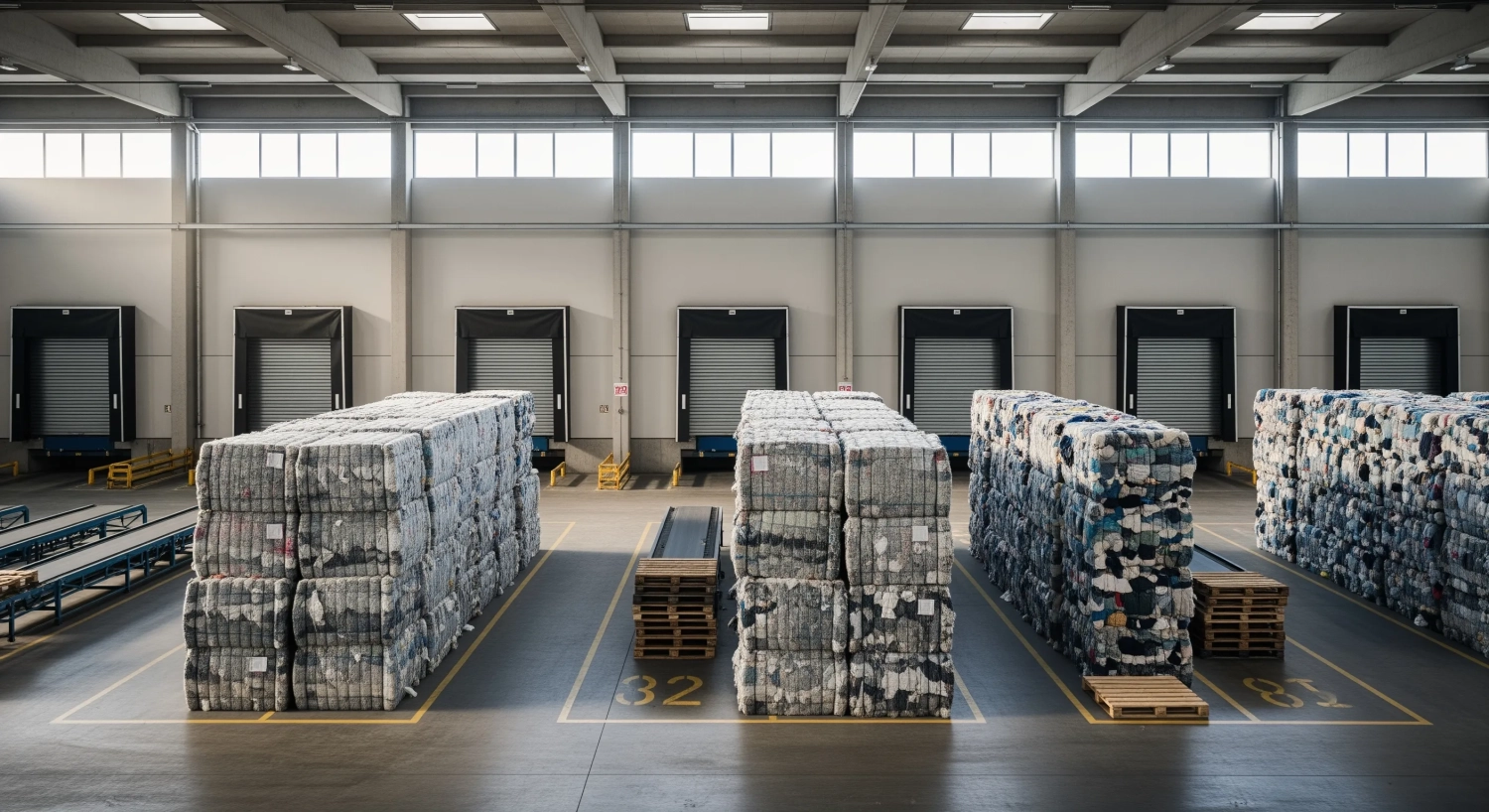
Exploring reputable used clothing wholesalers in the UK is crucial for B2B buyers aiming for bulk purchasing, especially those engaged in exporting or reselling second-hand apparel. The second-hand clothing market offers significant opportunities for businesses to source quality garments while promoting sustainability. In this guide, we’ll cover key players, essential considerations for sourcing, and insights into effective logistics strategies to ensure a seamless operation in your venture.
Table of Contents
- Key Takeaways
- Understanding Used Clothing Wholesaling
- Top Wholesale Suppliers in the UK
- Navigating Clothing Grading Practices
- The Logistics of Exporting Used Clothing
- Sustainable Practices in the Used Clothing Sector
Key Takeaways
| Aspect | Considerations |
|---|---|
| Minimum Order Quantity (MOQ) | Understand suppliers' MOQ to align with your capacity and risk management. |
| Clothing Grading Signals | Identify suppliers with transparent grading to ensure quality. |
| Logistics Readiness | Assess suppliers’ shipment frequency and delivery reliability. |
| Margin Discipline | Establish clear cost guidelines to maintain profitability. |
Understanding Used Clothing Wholesaling
The used clothing market comprises a network of wholesalers who aggregate garments from various sources such as donations, post-consumer goods, or retailer excess. Engaging with these wholesalers allows businesses to acquire clothing in bulk, which can lead to cost efficiency and a broader selection of inventory.
According to research by MDPI, the international second-hand clothing trade demonstrates significant patterns that contribute to sustainability, making it a lucrative sector for trade buyers.
Top Wholesale Suppliers in the UK
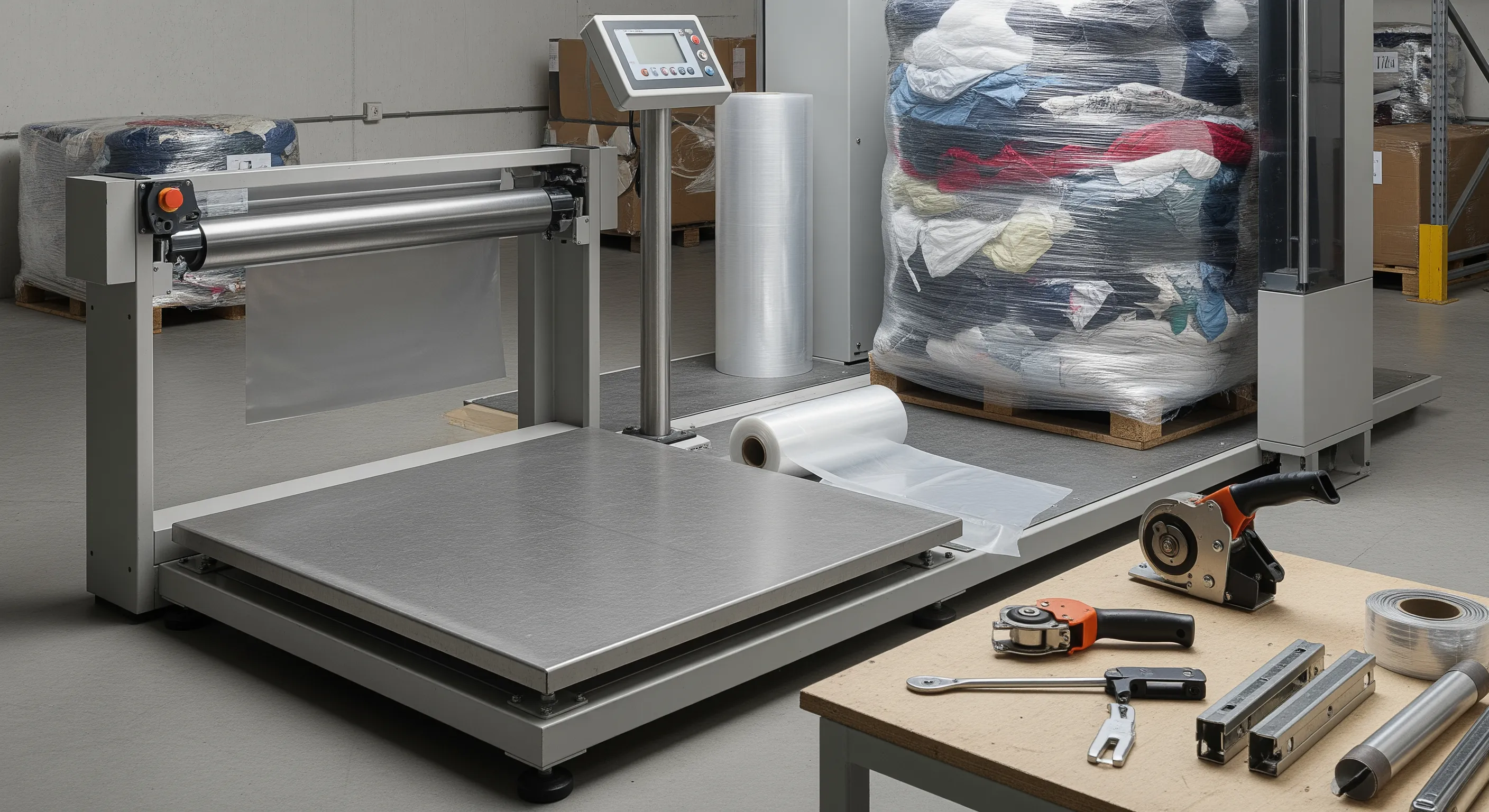
Several wholesalers in the UK specialize in second-hand clothing, providing diverse options for resellers and exporters. These suppliers typically offer wholesale bales containing various garments, allowing for a mixture of styles and sizes. Key players in the industry can often provide detailed information regarding garment quality, ensuring transparency in sourcing.
Another vital aspect, highlighted in academic study, explores the social and environmental impacts of small to medium-sized clothing resellers, indicating their significant role in reducing textile waste and promoting sustainable practices within the wholesale market.
Navigating Clothing Grading Practices
A crucial element in the sourcing process is understanding clothing grading. Grading systems vary by supplier, and recognizing these can greatly affect purchasing decisions. Wholesalers typically classify clothing into categories, such as A-grade, B-grade, and salvage, which affect pricing and marketability.
Utilizing a consistent grading process fosters trust between wholesalers and buyers. This consistency is discussed further in a study on trade patterns, emphasizing the importance of clear communication about item condition and grading standards.
The Logistics of Exporting Used Clothing
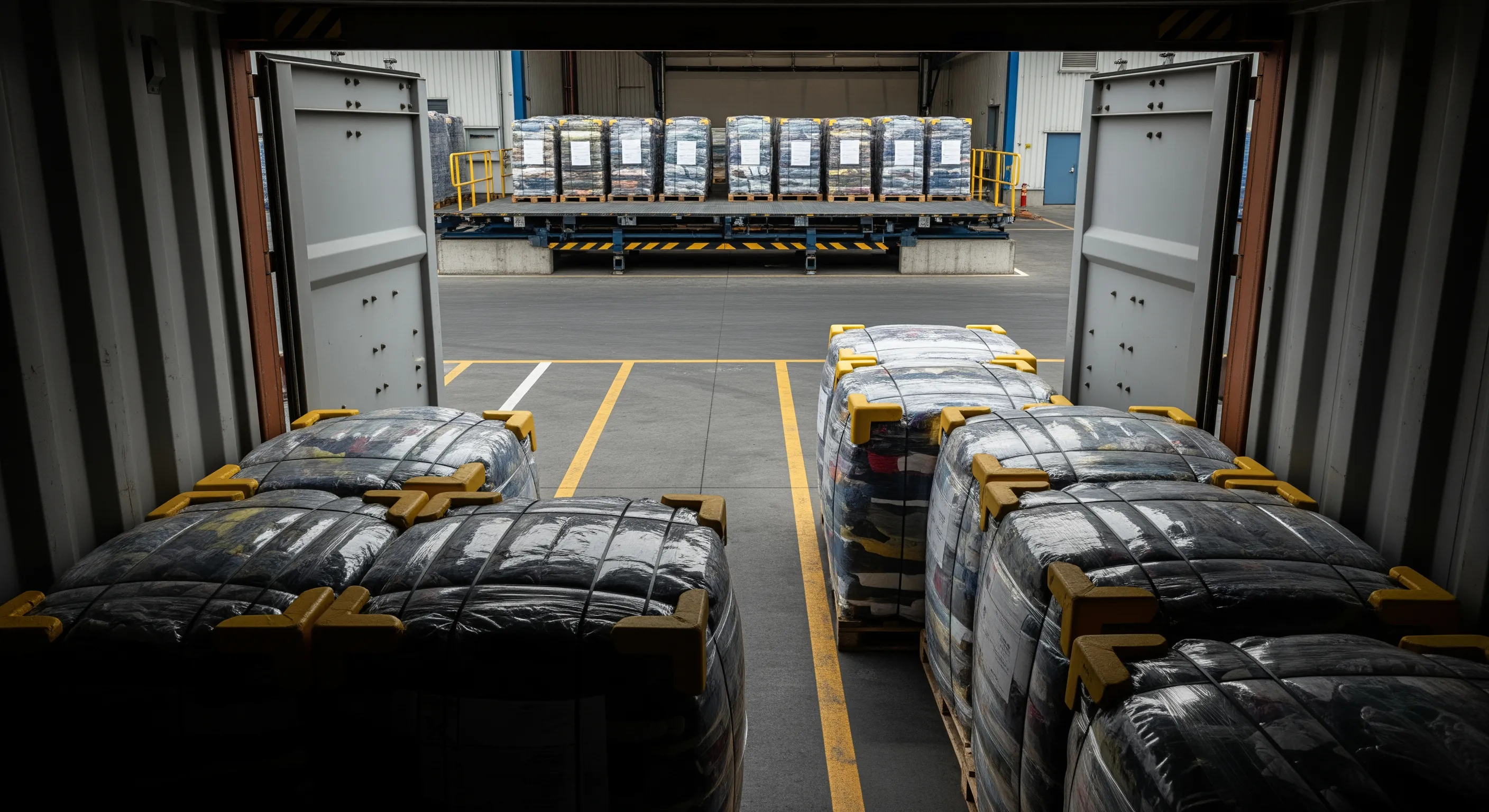
Efficient logistics are paramount for B2B wholesalers to maintain smooth operations. Reliable shipping methods ensure that the bulk shipments of second-hand garments arrive on time and in proper condition. Understanding the best practices for logistics can help mitigate risks related to damaged goods or delayed deliveries.
Data from the EU circular economy report indicates trends that can assist buyers in navigating export markets effectively, ensuring they make well-informed decisions when partnering with suppliers.
Sustainable Practices in the Used Clothing Sector
Engaging in sustainable practices is increasingly becoming a focal point for second-hand clothing wholesalers. This not only aligns with global efforts to reduce waste but can also enhance a brand’s reputation among environmentally conscious consumers.
Industry guidelines highlight the importance of recycling and circular economy strategies, with resources such as Office for National Statistics data providing insights into turnover and market conditions for the fashion and textile industry.
Pro tip: Building relationships with suppliers who prioritize sustainability can offer long-term benefits for your business, including marketing advantages.
Unlock Cost Savings and Inventory Variety with Trusted UK Bulk Clothing Sourcing

For trade buyers who need consistent bulk supply and clear grading expectations, explore Original Secondhand at originalsecondhand.com. If you’d like a quick recommendation on the best fit for your business model, volumes, and export requirements, contact the team here: Contact Us.
Frequently Asked Questions
What are the benefits of sourcing from used clothing wholesalers?
Sourcing from used clothing wholesalers provides access to diverse inventory, cost savings, and supports sustainable business practices.
How can I ensure the quality of second-hand clothing?
Choosing wholesalers with transparent grading systems and quality assurance processes is key to ensuring clothing quality.
What logistics should I consider when exporting clothing?
Understanding shipping regulations, choosing reliable carriers, and preparing proper documentation are essential for smooth logistics.
Are there risks in the used clothing market?
Yes, risks include fluctuations in inventory quality, logistics delays, and potential regulatory compliance issues.