
As a B2B buyer seeking quality second-hand clothing at competitive prices, partnering with a trusted wholesale second hand clothing supplier in the UK is essential. Original Secondhand provides an efficient and reliable sourcing channel for businesses needing consistent supply and clear grading expectations. Our extensive inventory includes a variety of second-hand clothing bales and containers, backed by efficient logistics that ensure timely delivery and high-quality standards for all your export needs.
Table of Contents
- The Benefits of Sourcing Second-Hand Clothing
- Understanding Grading in Second-Hand Clothing
- Logistics and Shipping Considerations
- The Role of Sustainability in Second-Hand Clothing
- Exporting Second-Hand Clothing: Challenges and Opportunities
- Strategies for Effective Sourcing from Wholesale Suppliers
Key Takeaways
| Aspect | Detail |
|---|---|
| Minimum Order Quantities | Ensure bulk purchasing aligns with demand forecasts. |
| Grading Quality Signals | Utilize clear grading systems for consistent product quality. |
| Logistics Readiness | Plan for efficient shipping by confirming logistics capabilities. |
| Margin Control | Implement disciplined pricing strategies to maintain profit margins. |
The Benefits of Sourcing Second-Hand Clothing
Sourcing second-hand clothing offers significant economic and environmental advantages. Wholesalers can tap into the growing demand for sustainable fashion while benefiting from cost-effective procurement strategies. Businesses that choose to source second-hand clothing can enjoy lower inventory costs and differentiate themselves in a competitive market.
Trade buyers often find that sourcing second-hand clothing provides a steady supply chain with reduced lead times. This consistency can enhance operational efficiency, allowing companies to fulfill orders promptly. Reliable wholesalers, like Original Secondhand, facilitate this process by maintaining a well-stocked inventory that meets diverse buyer needs.
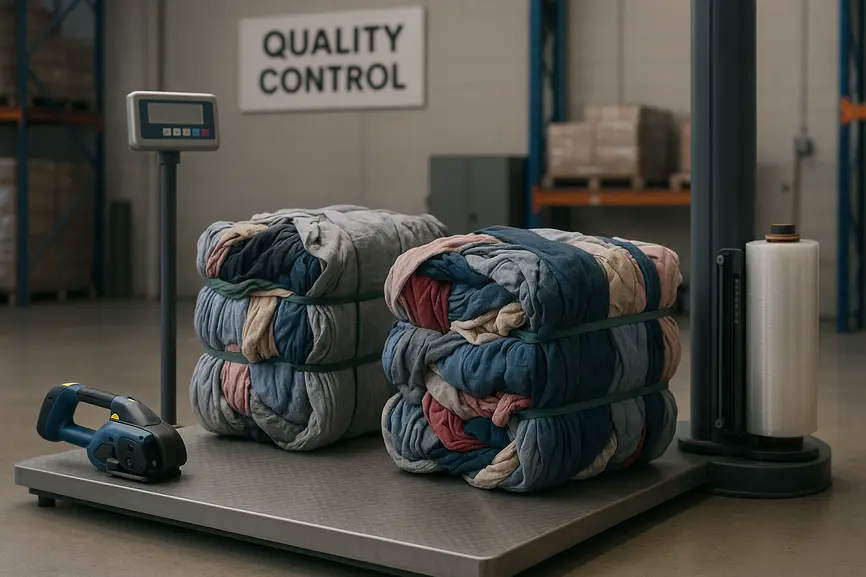
Pro tip: Establish strong relationships with suppliers to ensure priority access to the best quality bales and containers.
Understanding Grading in Second-Hand Clothing
Grading is a critical component of sourcing second-hand clothing as it directly impacts quality and consumer satisfaction. Suppliers typically categorize clothing based on conditions such as excellent, good, or acceptable. Understanding these grading systems enables trade buyers to make informed purchasing decisions aligned with their market requirements.
Transparent grading helps minimize risks associated with purchasing second-hand garments, which can vary significantly in quality. Wholesalers like Original Secondhand ensure comprehensive grading protocols to maintain quality standards, matching buyer expectations with the actual product.
Pro tip: Regularly review grading criteria with suppliers to ensure alignment with evolving market demands.
Logistics and Shipping Considerations
Effective logistics and shipping management are essential for the successful export of second-hand clothing. B2B suppliers must ensure that their operations are efficient and tailored to handle the complexities of international shipping. This includes accurate forecasting and timely processing of orders to meet buyer deadlines.
Using containers with appropriate packing densities can reduce shipping costs and improve operational efficiency. Suppliers also need to establish reliable transportation networks to navigate customs and taxes effectively, maximizing the value of the garments being imported.
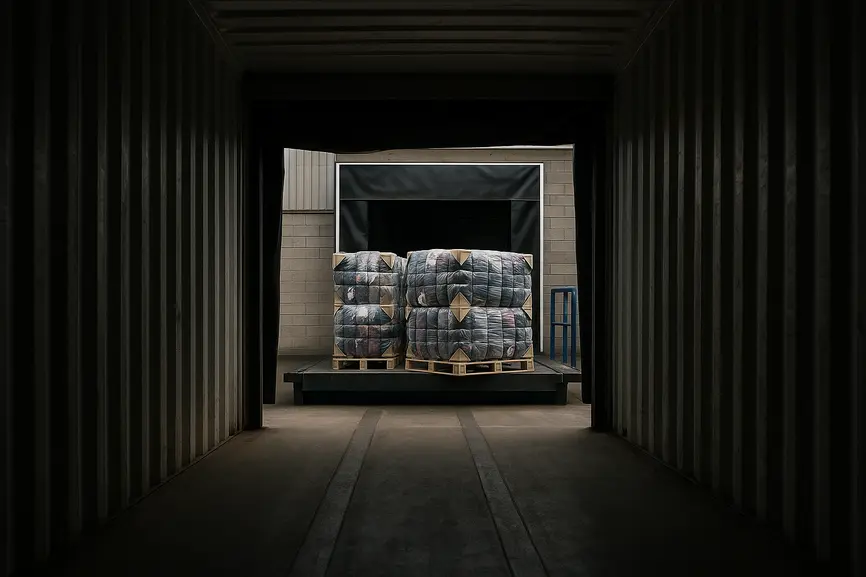
Pro tip: Regular updates with logistics partners can enhance shipping performance and prevent unexpected delays.
The Role of Sustainability in Second-Hand Clothing
Sustainability is increasingly a focal point for businesses sourcing second-hand clothing. The fashion industry is under scrutiny for its environmental impact, making it crucial for B2B suppliers to promote the benefits of sustainable clothing sources. Engaging in the circular economy by investing in second-hand clothing can significantly reduce a company's carbon footprint.
Consumers are more willing to support brands that prioritize sustainability, providing companies that source second-hand clothing with a competitive advantage. Suppliers such as Original Secondhand encourage practices that align with sustainable fashion trends while ensuring transparency in their operations.
Pro tip: Highlight sustainability initiatives in marketing strategies to attract eco-conscious buyers.
Exporting Second-Hand Clothing: Challenges and Opportunities
The export of second-hand clothing presents unique challenges, including varying regulations across countries and potential quality concerns. However, the growing global demand for used garments offers substantial opportunities for trade buyers. Leveraging expertise in compliance can streamline international transactions and build a trustworthy reputation.
Additionally, addressing the challenges faced by foreign markets can create market gaps that savvy buyers can exploit. Researching regulations and consumer preferences in potential export destinations can lead to successful business ventures.
Pro tip: Stay informed about evolving regulations to navigate the export landscape effectively.
Strategies for Effective Sourcing from Wholesale Suppliers
Developing effective sourcing strategies is key to maximizing the potential of second-hand clothing. Establishing clear communication with wholesale suppliers helps ensure that inventory meets quality and style preferences. Trade buyers should also negotiate terms that allow flexibility, such as payment plans and volume discounts.
Aligning sourcing strategies with broader business goals can enhance profitability and market position. Regular audits of quality assurance processes and compliance with sourcing codes can also mitigate risks associated with purchasing second-hand clothing.
| Risk | Cause | Mitigation |
|---|---|---|
| Quality Variance | Lack of standardization | Implement strict grading standards |
| Shipping Delays | Logistical complexities | Establish efficient logistics channels |
| Regulatory Challenges | Diverse international laws | Stay updated on regulations |
| Market Receptivity | Changing consumer preferences | Conduct market research regularly |
Pro tip: Leverage long-term contracts with suppliers to secure favorable terms and pricing.
Unlock Cost Savings and Inventory Variety with Trusted UK Bulk Clothing Sourcing

For trade buyers who need consistent bulk supply and clear grading expectations, explore Original Secondhand at originalsecondhand.com. If you’d like a quick recommendation on the best fit for your business model, volumes, and export requirements, contact the team here: Contact Us.
Frequently Asked Questions
What are the key benefits of sourcing second-hand clothing?
Sourcing second-hand clothing provides cost savings, sustainability advantages, and the ability to differentiate in a crowded market.
How is grading determined in second-hand clothing?
Grading is based on the condition of the garments, including factors like wear and overall quality.
What logistics considerations should I keep in mind?
Effective logistics solutions include accurate forecasting, efficient packing, and establishing reliable transportation networks.
How can sustainability impact my sourcing strategy?
Prioritizing sustainability can enhance your brand's reputation and attract eco-conscious consumers.