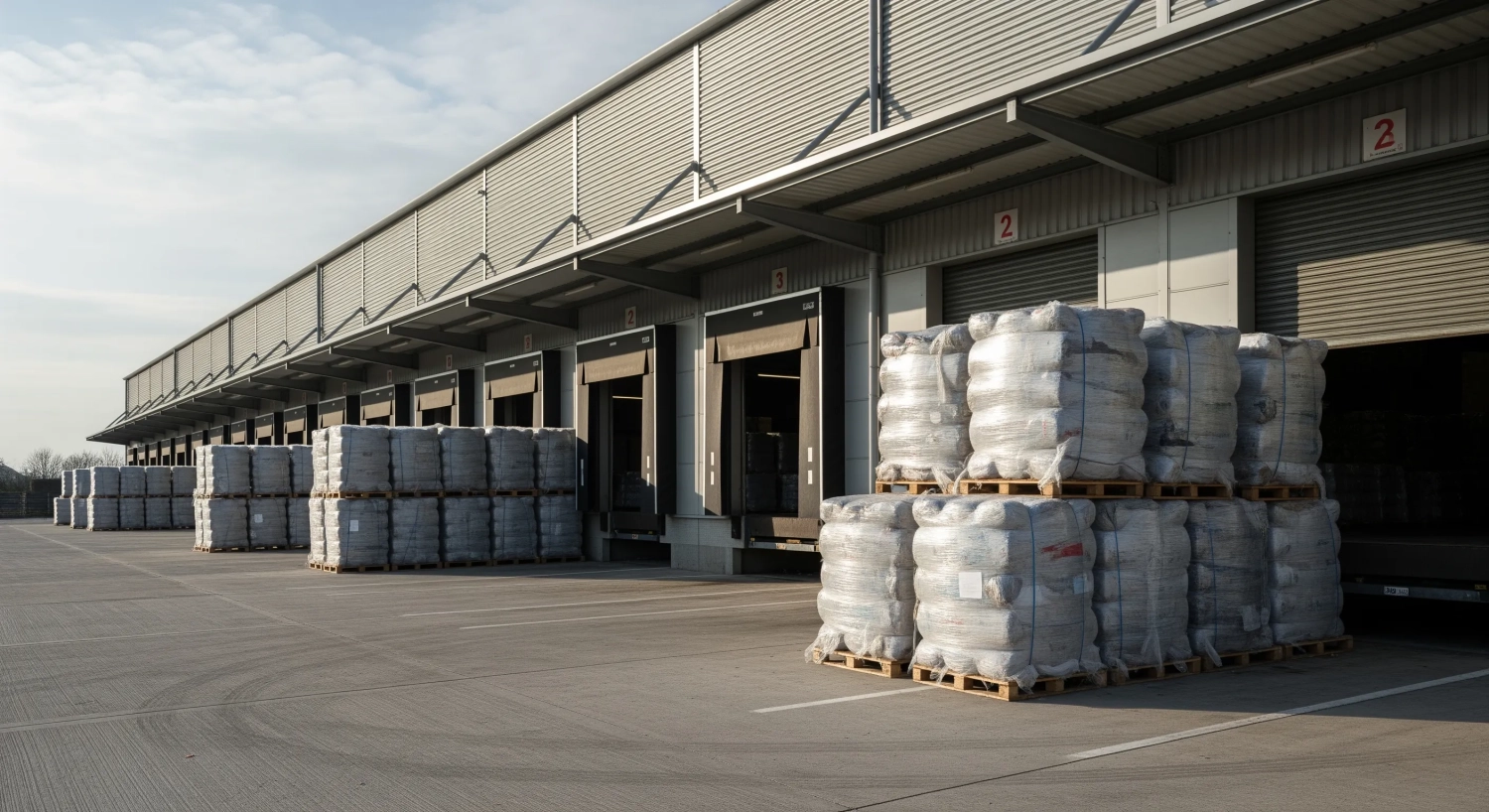
In the competitive wholesale market for second-hand clothing, sourcing from a trustworthy online supplier is crucial for B2B operations. Efficient procurement not only impacts profit margins but also shapes customer satisfaction and inventory variety. Trade buyers seeking top-quality second-hand clothing, whether for resale or export, need reliable suppliers who provide clarity in grading, volume expectations, and logistical readiness. This guide aims to empower wholesale buyers with knowledge about the landscape of second-hand clothing suppliers in the UK.
Table of Contents
- Understanding the Wholesale Second Hand Clothing Market
- Key Factors in Selecting a Supplier
- Navigating Grading Systems of Second Hand Clothing
- Logistics Considerations for Bulk Sourcing
- Examining European and Global Sourcing Options
- Accounting for Sustainability and Compliance
Key Takeaways
| Aspect | Key Insight |
|---|---|
| Volume Orders | Ensure minimum order quantities (MOQ) align with business needs to control inventory effectively. |
| Grading Clarity | Seek suppliers that provide transparent grading systems, showcasing quality and condition expectations. |
| Logistics | Assess suppliers’ logistical capabilities to ensure timely delivery and appropriate storage solutions. |
| Risk Management | Understand the potential risks associated with sourcing and implement proactive measures for quality assurance. |
Understanding the Wholesale Second Hand Clothing Market
The wholesale second-hand clothing market has grown significantly, reflecting an increased demand for sustainable fashion. Suppliers cater primarily to B2B clients, such as retailers and exporters, offering varied products to meet diverse market needs. The rise of online platforms has streamlined access to bulk purchasing, enabling trade buyers to benefit from competitive pricing.
According to academic studies, understanding the supply chain dynamics is essential for identifying reliable partners and minimizing procurement risks. Familiarity with the wholesale landscape allows buyers to make informed choices regarding suppliers, thus enhancing overall business efficiency.
Pro tip: Regularly assess market trends to stay updated on pricing and supplier reliability.
Key Factors in Selecting a Supplier
When selecting a wholesale second hand clothing supplier, several factors should be prioritized. Trade buyers should consider the supplier's reputation, industry experience, and the quality of products offered. Additionally, understanding the supplier's operational processes and customer service approach is vital in establishing a successful relationship.
The International Second-Hand Clothing Trade analysis highlights the importance of assessing the logistical capacities to align with business requirements. Buyers should ensure that the supplier can fulfill orders efficiently and in a timely manner.
Pro tip: Develop strong communication lines with potential suppliers to enhance mutual understanding and service quality.
Navigating Grading Systems of Second Hand Clothing
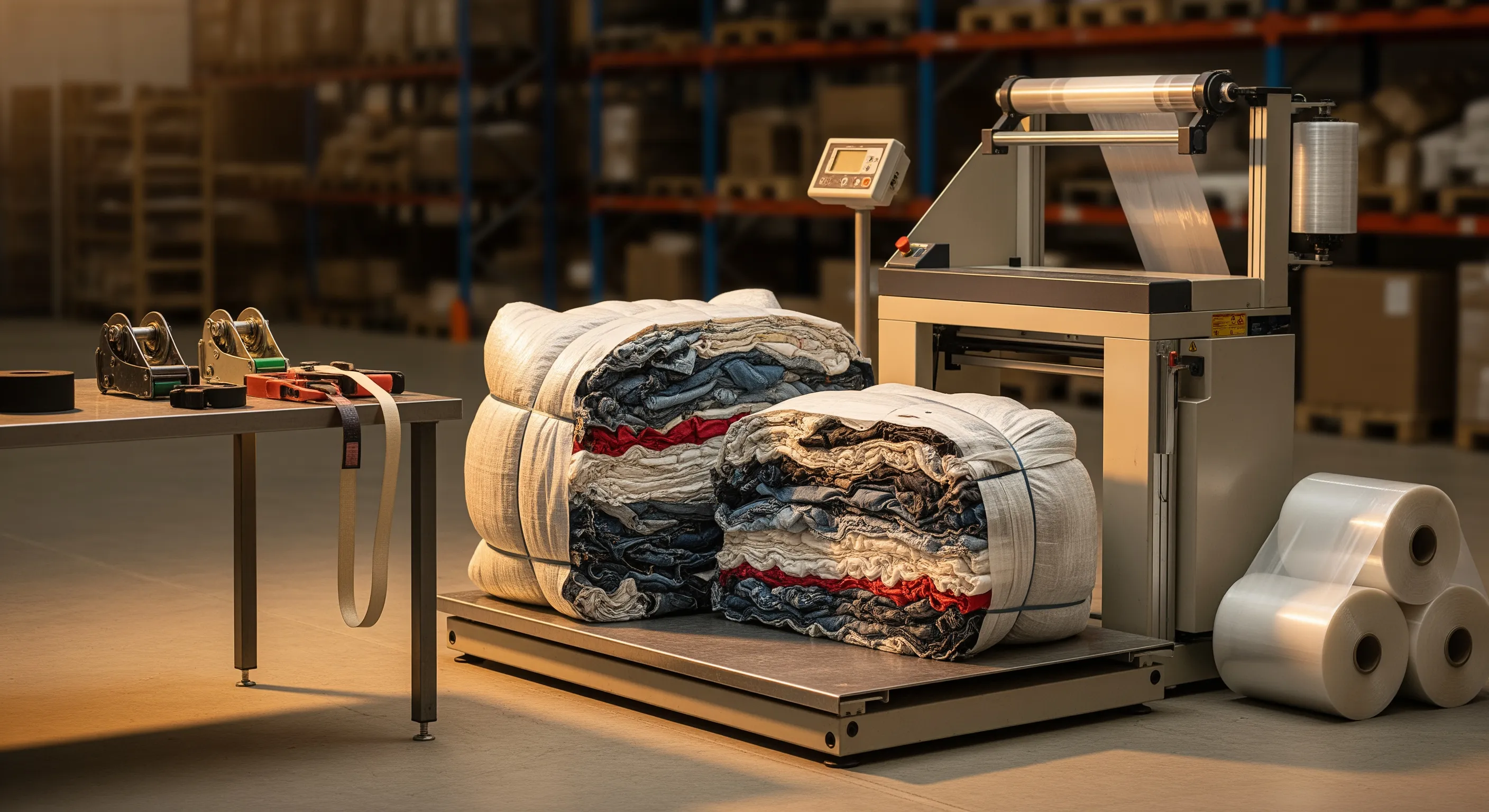
Grading systems play a crucial role in the second-hand clothing sector as they determine the quality and price of each item. Understanding grading protocols is essential for trade buyers to manage expectations and ensure transparency. Most suppliers will have their own grading standards, influenced by various factors, including the source of the garments and their condition.
The Fashion re-commerce study provides insights on the various grading methods currently employed in the industry. By familiarizing themselves with these systems, trade buyers can negotiate better deals and make informed purchasing decisions.
Pro tip: Request detailed grading reports from suppliers to gain a deeper understanding of quality assessments.
Logistics Considerations for Bulk Sourcing
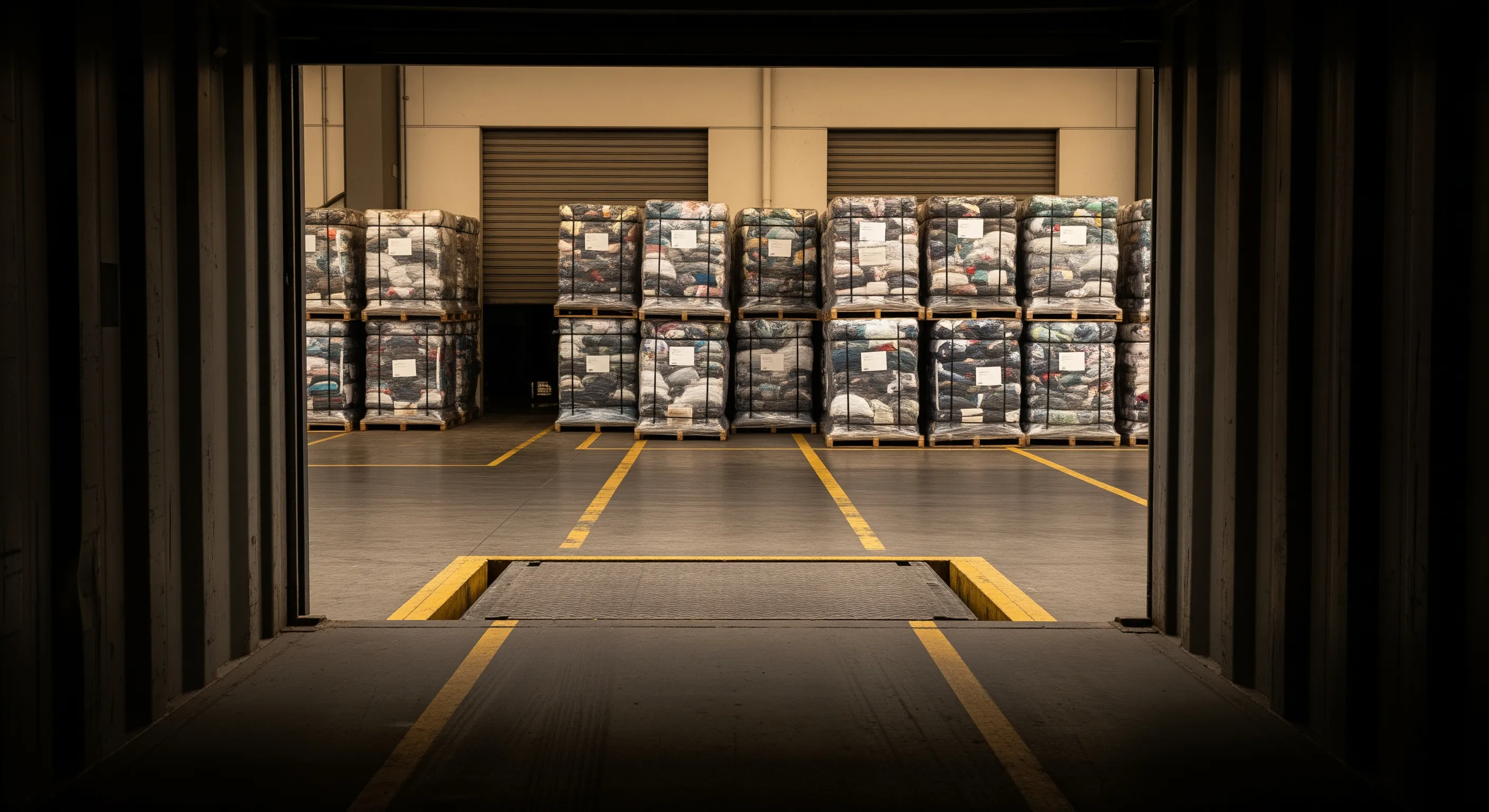
Logistics is a critical aspect of sourcing second-hand clothing in bulk. Trade buyers must consider storage capabilities, shipping logistics, and distribution channels. Suppliers who can manage these elements efficiently allow clients to focus on growth and sales.
In the B2B sector, timely delivery is imperative for maintaining smooth operations. Thus, evaluating suppliers based on their logistical performance is essential for long-term success.
LCA assessments can provide additional insights into efficient transportation and logistics management within the second-hand clothing supply chain.
Pro tip: Establish clear agreements regarding logistics responsibilities with suppliers before placing orders.
Examining European and Global Sourcing Options
Trade buyers must explore various sourcing options across Europe and globally to diversify their merchandise and meet customer preferences. Each region offers unique opportunities and challenges, which can significantly impact sourcing decisions.
For instance, GreenCCircuit reports assert that different markets may present different pricing and quality of second-hand garments, making it imperative for buyers to conduct thorough research before making decisions.
Pro tip: Leverage local knowledge and networks to discover emerging markets and sourcing opportunities.
Accounting for Sustainability and Compliance
As sustainability becomes a focal point in the fashion industry, trade buyers should ensure their sourcing practices align with environmental and regulatory standards. Understanding compliance requirements is critical for minimizing legal risks.
Consulting socioeconomic impact studies can inform sourcing strategies, fostering responsible practices that enhance brand reputation and consumer trust.
Pro tip: Implement sustainability audits to ensure compliance with industry standards and guidelines.
Unlock Cost Savings and Inventory Variety with Trusted UK Bulk Clothing Sourcing

For trade buyers who need consistent bulk supply and clear grading expectations, explore Original Secondhand at originalsecondhand.com. If you’d like a quick recommendation on the best fit for your business model, volumes, and export requirements, contact the team here: Contact Us.
Frequently Asked Questions
What is the minimum order quantity for wholesale second-hand clothing?
Minimum order quantities vary by supplier, so it's essential to check with individual suppliers for their specific policies.
How are second-hand clothing grades determined?
Grading is typically established based on the condition, style, and brand reputation of the items.
What logistics should I consider when sourcing second-hand clothing?
Key logistics considerations include shipping times, storage facilities, and distribution capabilities of the supplier.
Can I source sustainable second-hand clothing?
Yes, many suppliers focus on sustainability and compliance with environmental standards in their sourcing practices.